

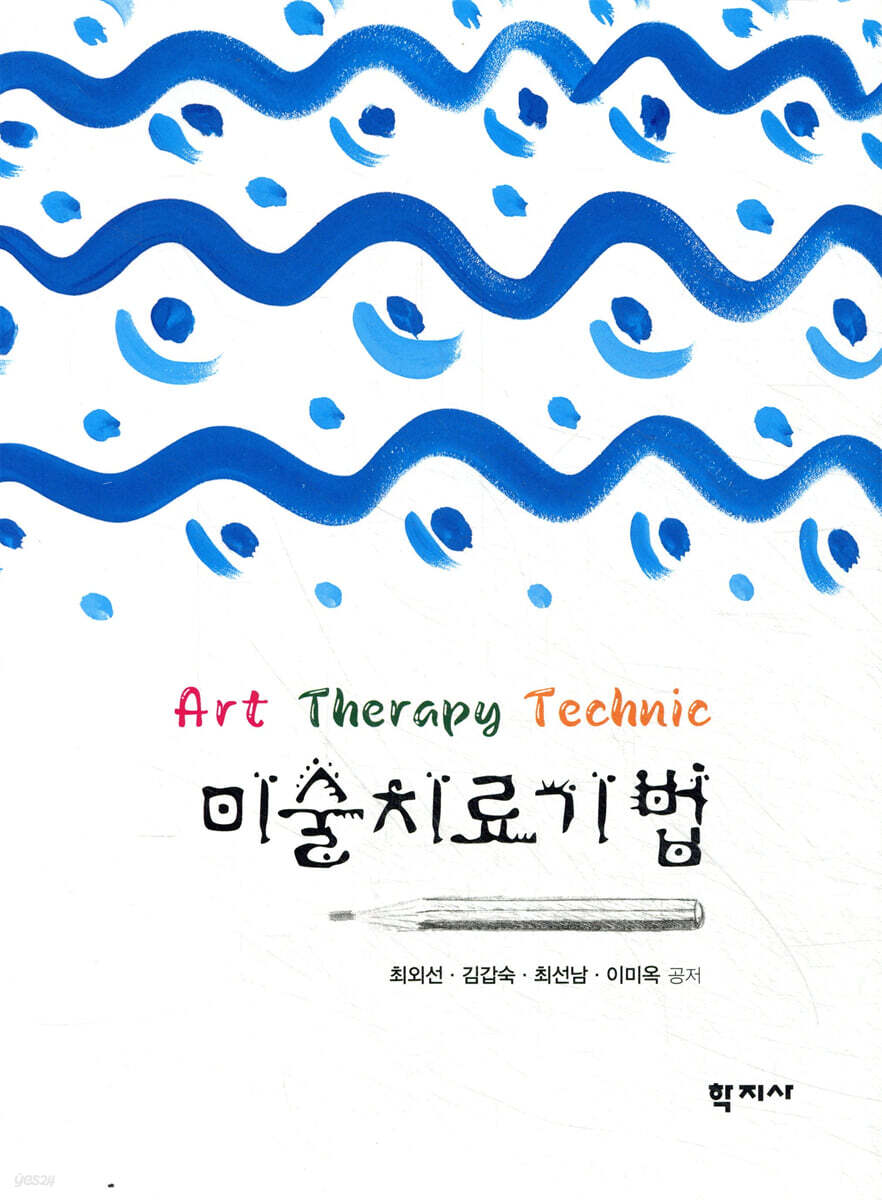
Art therapy techniques
 |
Description
Book Introduction
Over the past decade since art therapy was introduced in Korea, interest and passion for it have led to the establishment of art therapy departments at domestic universities and graduate schools, and the Korean Art Therapy Association and the Expressive Arts Therapy Association have brought about results such as the introduction and dissemination of art therapy and the training of art therapists.
Amidst these changes and growth, extensive and in-depth research on art therapy and clinical studies with diverse clients were conducted, resulting in the creation of specialized academic journals.
However, improving the qualifications of art therapists is now considered an important task for the growth and development of art therapy.
Art therapists must possess both personal maturity and expertise in art therapy, but this is a long journey that takes time and experience.
On this long journey, we use various art therapy techniques as a means to understand and love one another, and this book introduces such art therapy techniques.
Amidst these changes and growth, extensive and in-depth research on art therapy and clinical studies with diverse clients were conducted, resulting in the creation of specialized academic journals.
However, improving the qualifications of art therapists is now considered an important task for the growth and development of art therapy.
Art therapists must possess both personal maturity and expertise in art therapy, but this is a long journey that takes time and experience.
On this long journey, we use various art therapy techniques as a means to understand and love one another, and this book introduces such art therapy techniques.
index
Part 1 Diagnostic Techniques
Chapter 1 Types of Diagnostic Techniques
1.
Overview of Projective Testing
2.
Portrait inspection
3.
Sentence completion test
4.
House-Tree-Person Drawing
5.
Dynamic house-tree-person drawing
6.
People in the Rain
7.
Dynamic family
8.
Colored paper family painting
9.
Animal family painting
10.
Circle-centered family painting
11.
Dynamic school life
12.
Landscape composition method
Part 2 Treatment Techniques
Chapter 2: Building Trust
1.
liberalization
2.
Collage - Express yourself freely
3.
clay work
4.
Full picture
5.
Family Systems Diagnosis
6.
I'm angry
7.
Nanhwasangho storytelling method
8.
Nanhwa Game
Chapter 3: Dealing with Emotions
1.
Expressing happy, sad, and angry emotions
2.
Emotion Pie
3.
angry look
4.
Firefighter
5.
Creating a safe and comfortable place
6.
Traces of fear
Chapter 4: Knowing Myself Now
1.
Important jar
2.
My good points
3.
self-image
4.
My appearance these days
5.
My inner self
6.
Expressing the painful and wounded parts
7.
Body Modeling I - Reinventing Yourself
8.
Body Modeling II - Finding Your Strengths
9.
Body Modeling III - Decorating Your Future
10.
Body Modeling IV - Hands
11.
Unsolved issues
12.
Making a mask
13.
Box technique
14.
Drawing Life Lines I
15.
Drawing Life Lines II
16.
Collage: Expressing Past, Present, and Future
Chapter 5: Knowing Myself in Relationships
1.
sociogram
2.
interpersonal relationships
3.
role
4.
Three important people in my life
5.
9-part integrated conversation method
6.
Egg painting
7.
Plaster egg painting
8.
cave paintings
Chapter 6: Finding Hope
1.
pool
2.
My future self
3.
First step toward the future
4.
wall
5.
Dream Tree
6.
Making a gift
Chapter 7: Being Born Again
1.
Collage: Things I Want to Throw Away, Things I Want to Keep
2.
Be born again
supplement
References
Search
Chapter 1 Types of Diagnostic Techniques
1.
Overview of Projective Testing
2.
Portrait inspection
3.
Sentence completion test
4.
House-Tree-Person Drawing
5.
Dynamic house-tree-person drawing
6.
People in the Rain
7.
Dynamic family
8.
Colored paper family painting
9.
Animal family painting
10.
Circle-centered family painting
11.
Dynamic school life
12.
Landscape composition method
Part 2 Treatment Techniques
Chapter 2: Building Trust
1.
liberalization
2.
Collage - Express yourself freely
3.
clay work
4.
Full picture
5.
Family Systems Diagnosis
6.
I'm angry
7.
Nanhwasangho storytelling method
8.
Nanhwa Game
Chapter 3: Dealing with Emotions
1.
Expressing happy, sad, and angry emotions
2.
Emotion Pie
3.
angry look
4.
Firefighter
5.
Creating a safe and comfortable place
6.
Traces of fear
Chapter 4: Knowing Myself Now
1.
Important jar
2.
My good points
3.
self-image
4.
My appearance these days
5.
My inner self
6.
Expressing the painful and wounded parts
7.
Body Modeling I - Reinventing Yourself
8.
Body Modeling II - Finding Your Strengths
9.
Body Modeling III - Decorating Your Future
10.
Body Modeling IV - Hands
11.
Unsolved issues
12.
Making a mask
13.
Box technique
14.
Drawing Life Lines I
15.
Drawing Life Lines II
16.
Collage: Expressing Past, Present, and Future
Chapter 5: Knowing Myself in Relationships
1.
sociogram
2.
interpersonal relationships
3.
role
4.
Three important people in my life
5.
9-part integrated conversation method
6.
Egg painting
7.
Plaster egg painting
8.
cave paintings
Chapter 6: Finding Hope
1.
pool
2.
My future self
3.
First step toward the future
4.
wall
5.
Dream Tree
6.
Making a gift
Chapter 7: Being Born Again
1.
Collage: Things I Want to Throw Away, Things I Want to Keep
2.
Be born again
supplement
References
Search
GOODS SPECIFICS
- Date of issue: May 25, 2006
- Page count, weight, size: 223 pages | 535g | 210*297*20mm
- ISBN13: 9788958912996
- ISBN10: 8958912995
You may also like
카테고리
korean


korean

![GQ KOREA Mark (Monthly): December [2025]](http://librairie.coreenne.fr/cdn/shop/files/8ef265dbbfbf186523ed75ba7319009d.jpg?v=1765340328&width=3840)


