

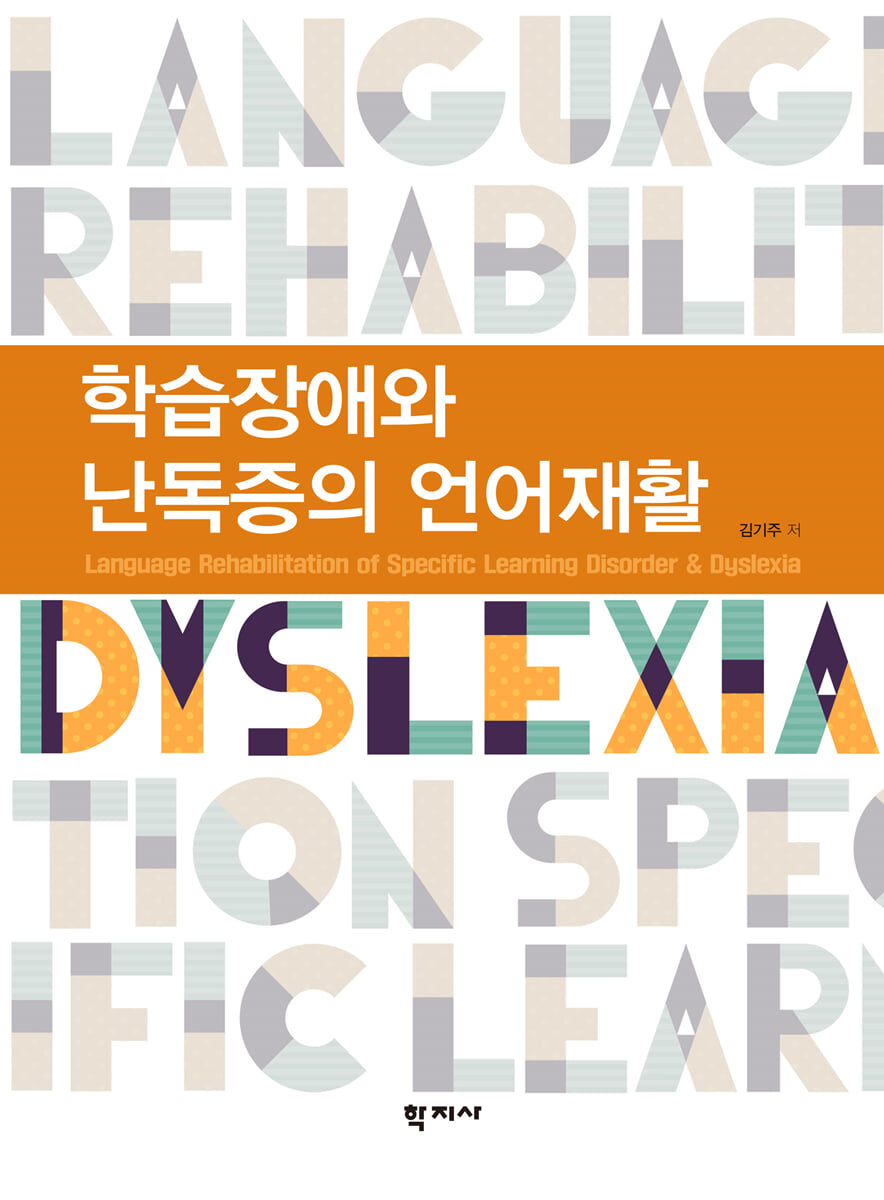
Language Rehabilitation for Learning Disabilities and Dyslexia
 |
Description
Book Introduction
“20 years of experience treating dyslexia”
Develop reading and writing skills essential for daily life
These days, children are familiar with smartphones from a young age, and have even earned the nickname “smartphone natives.”
There are cases where children who grew up with smart devices are struggling with learning disabilities and dyslexia.
A book has been published to diagnose, evaluate, and treat dyslexia in children who struggle with reading and writing, which are fundamental learning skills.
Dyslexia is one area of specific learning disabilities.
This book examines the specific causes of dyslexia and learning disabilities in students and provides a guide to rehabilitation.
To help assess and treat students who struggle with reading and writing, it is necessary to understand the reading and writing stages and comprehension processes of typical children, as well as the characteristics of the Korean language.
Understanding the developmental stages that serve as treatment criteria can serve as milestones for diagnosing learning disabilities.
The author completed the book by compiling his experiences and results from treating dyslexia and learning disabilities for over 20 years.
Therefore, I recommend this book to speech-language pathologists and students currently working in clinical settings.
It will be a good textbook to learn about a broad understanding and intervention for learning disabilities, including dyslexia.
I hope that through this book, you will become an expert who can help you acquire the reading and writing skills necessary for life.
Develop reading and writing skills essential for daily life
These days, children are familiar with smartphones from a young age, and have even earned the nickname “smartphone natives.”
There are cases where children who grew up with smart devices are struggling with learning disabilities and dyslexia.
A book has been published to diagnose, evaluate, and treat dyslexia in children who struggle with reading and writing, which are fundamental learning skills.
Dyslexia is one area of specific learning disabilities.
This book examines the specific causes of dyslexia and learning disabilities in students and provides a guide to rehabilitation.
To help assess and treat students who struggle with reading and writing, it is necessary to understand the reading and writing stages and comprehension processes of typical children, as well as the characteristics of the Korean language.
Understanding the developmental stages that serve as treatment criteria can serve as milestones for diagnosing learning disabilities.
The author completed the book by compiling his experiences and results from treating dyslexia and learning disabilities for over 20 years.
Therefore, I recommend this book to speech-language pathologists and students currently working in clinical settings.
It will be a good textbook to learn about a broad understanding and intervention for learning disabilities, including dyslexia.
I hope that through this book, you will become an expert who can help you acquire the reading and writing skills necessary for life.
index
preface
Part 1 Learning Disabilities and Dyslexia
Chapter 1: Concept of Learning Disabilities
1.
Definition of Learning Disabilities
2.
The concept of learning difficulties
3.
Subtypes of learning disabilities
4.
Characteristics of learning disabilities
5.
Learning Disability Identification Model
6.
Learning Disability Selection Procedure
7.
Early screening for learning disabilities
Chapter 2 Dyslexia and Phonological Processing Skills
1.
The concept of dyslexia
2.
Causes of dyslexia
3.
Dyslexia subtypes
4.
Prevalence of dyslexia
5.
Phonological processing skills
Part 2: Reading and Writing Development and Processing
Chapter 3 Language and Reading Processes
1.
Reading component
2.
Reading Process
Chapter 4 Reading Development
1.
Reading development
2.
Early reading development
Chapter 5 Characteristics of Hangul
1.
Hangul characteristics
2.
Development of Hangul
Chapter 6 Writing Development
1.
Writing concept
2.
Writing development stages
3.
Spelling Process
4.
Writing Process
Part 3 Reading and Writing Assessment and Intervention
Chapter 7 Reading and Writing Assessment Overview
1.
Learning Disability Screening Test
2.
Learning test
3.
intelligence test
4.
Reading and Writing Assessment
5.
Dyslexia Diagnostic Assessment
6.
Reading and writing report writing
Chapter 8 Arbitration Principles and Plans
1.
Components of arbitration
2.
Considerations for Reading and Writing Mediation
Chapter 9 Early Literacy Skills Interventions
1.
Letter knowledge
2.
Phonological processing skills intervention
3.
Writing
Chapter 10: Word Recognition and Spelling Mediation
1.
Meaning-centered reading and writing
2.
Decoding-focused reading and writing
3.
Reading fluency intervention
Chapter 11: Language and Sentence Understanding
1.
Semantic knowledge and sentence comprehension
2.
Syntactic knowledge and sentence comprehension
3.
Morphological knowledge and sentence comprehension
Chapter 12: Reading, Comprehension, and Writing Paragraphs
1.
Reading Comprehension Strategies
2.
Writing Strategies
supplement
Appendix 1.
Common Misconceptions About Dyslexia
Appendix 2.
How to Support Your Child with Dyslexia at Home
Appendix 3.
Comparison of dyslexia and intellectual disability test results profiles
Search
Part 1 Learning Disabilities and Dyslexia
Chapter 1: Concept of Learning Disabilities
1.
Definition of Learning Disabilities
2.
The concept of learning difficulties
3.
Subtypes of learning disabilities
4.
Characteristics of learning disabilities
5.
Learning Disability Identification Model
6.
Learning Disability Selection Procedure
7.
Early screening for learning disabilities
Chapter 2 Dyslexia and Phonological Processing Skills
1.
The concept of dyslexia
2.
Causes of dyslexia
3.
Dyslexia subtypes
4.
Prevalence of dyslexia
5.
Phonological processing skills
Part 2: Reading and Writing Development and Processing
Chapter 3 Language and Reading Processes
1.
Reading component
2.
Reading Process
Chapter 4 Reading Development
1.
Reading development
2.
Early reading development
Chapter 5 Characteristics of Hangul
1.
Hangul characteristics
2.
Development of Hangul
Chapter 6 Writing Development
1.
Writing concept
2.
Writing development stages
3.
Spelling Process
4.
Writing Process
Part 3 Reading and Writing Assessment and Intervention
Chapter 7 Reading and Writing Assessment Overview
1.
Learning Disability Screening Test
2.
Learning test
3.
intelligence test
4.
Reading and Writing Assessment
5.
Dyslexia Diagnostic Assessment
6.
Reading and writing report writing
Chapter 8 Arbitration Principles and Plans
1.
Components of arbitration
2.
Considerations for Reading and Writing Mediation
Chapter 9 Early Literacy Skills Interventions
1.
Letter knowledge
2.
Phonological processing skills intervention
3.
Writing
Chapter 10: Word Recognition and Spelling Mediation
1.
Meaning-centered reading and writing
2.
Decoding-focused reading and writing
3.
Reading fluency intervention
Chapter 11: Language and Sentence Understanding
1.
Semantic knowledge and sentence comprehension
2.
Syntactic knowledge and sentence comprehension
3.
Morphological knowledge and sentence comprehension
Chapter 12: Reading, Comprehension, and Writing Paragraphs
1.
Reading Comprehension Strategies
2.
Writing Strategies
supplement
Appendix 1.
Common Misconceptions About Dyslexia
Appendix 2.
How to Support Your Child with Dyslexia at Home
Appendix 3.
Comparison of dyslexia and intellectual disability test results profiles
Search
GOODS SPECIFICS
- Date of issue: August 30, 2024
- Format: Paperback book binding method guide
- Page count, weight, size: 328 pages | 188*255*18mm
- ISBN13: 9788999727917
You may also like
카테고리
korean


korean

![ELLE 엘르 스페셜 에디션 A형 : 12월 [2025]](http://librairie.coreenne.fr/cdn/shop/files/b8e27a3de6c9538896439686c6b0e8fb.jpg?v=1766436872&width=3840)


