

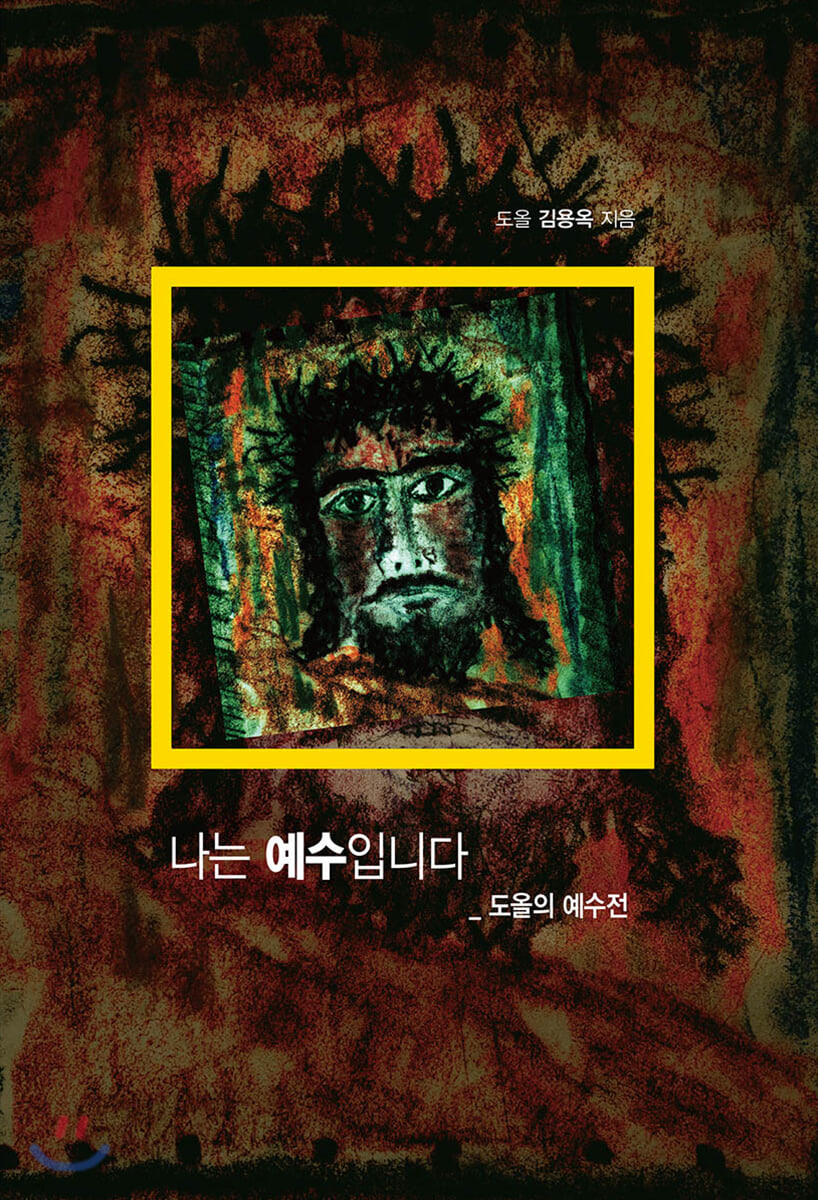
I am Jesus
 |
Description
Book Introduction
Jesus, who is he?
It has been 200 years since our people accepted Christianity, and although all kinds of fanaticism and nonsense still run rampant, our understanding of Jesus has come this far.
Although this book is Dool's biography of Jesus, it is written in the form of an autobiography in which Jesus confesses himself.
Two thousand years ago, Jesus, in the midst of the Galilee plague, calmly portrays the reality of the movement for the kingdom of heaven he carried out from his own omniscient first-person perspective.
This is not a made-up story, but Jesus in the Gospel of Mark specifically describes himself as 'this is who I am.'
The entire course of Jesus' ministry in Galilee and his crucifixion in Jerusalem is covered according to the schedule of the Gospel of Mark.
This book, in its special format, speaks of every situation solely from Jesus' perspective and in his own words.
Therefore, it is possible to capture even the true feelings within Jesus, and Jesus' inner thoughts are vividly conveyed to the reader.
Until now, only fragmentary impressions of Jesus have been rampant, but now anyone can easily gain a comprehensive understanding of Jesus.
It has been 200 years since our people accepted Christianity, and although all kinds of fanaticism and nonsense still run rampant, our understanding of Jesus has come this far.
Although this book is Dool's biography of Jesus, it is written in the form of an autobiography in which Jesus confesses himself.
Two thousand years ago, Jesus, in the midst of the Galilee plague, calmly portrays the reality of the movement for the kingdom of heaven he carried out from his own omniscient first-person perspective.
This is not a made-up story, but Jesus in the Gospel of Mark specifically describes himself as 'this is who I am.'
The entire course of Jesus' ministry in Galilee and his crucifixion in Jerusalem is covered according to the schedule of the Gospel of Mark.
This book, in its special format, speaks of every situation solely from Jesus' perspective and in his own words.
Therefore, it is possible to capture even the true feelings within Jesus, and Jesus' inner thoughts are vividly conveyed to the reader.
Until now, only fragmentary impressions of Jesus have been rampant, but now anyone can easily gain a comprehensive understanding of Jesus.
- You can preview some of the book's contents.
Preview
index
Chapter 1: Prologue: The Jesus Movement and the Emergence of the Gospels 7
Chapter 2: Galilee and Me, John the Baptist and Me 43
Chapter 3: The Beginning of My Public Life 65
Chapter 4: The Development of the Galilean Ministry 78
Chapter 5: The Cuttlefish Recognizes the Octopus First 82
Chapter 6: Kick the Mat and Go Home 96
Chapter 7: I Am Lord of the Sabbath 108
Chapter 8: Who Is My Mother? 119
Chapter 9: Metaphor is the Discourse of the Common-Sense People 126
Chapter 10: Roman Legions! Enter the Swine! 134
Chapter 11: Jairus' Daughter, the Mournful Woman with an Issue of Hemorrhage 139
Chapter 12: The Development of the Later Ministry in Galilee and the Ethics of Life in the Early Community 148
Chapter 13: From Five Thousand to Four Thousand 157
Chapter 14: The Syrophoenician Woman 171
Chapter 15: The Beginning of the Jerusalem Journey: Caesarea Philippi and the Mount of Transfiguration 180
Chapter 16: The Foreshadowing of Continued Suffering: To Be First, Be Last 195
Chapter 17: Women, Children, and Eternal Life 203
Chapter 18: The Final Passion: Become Servants! The Entry into Jerusalem 213
Chapter 19: The Fig Tree and the Overthrow of the Temple 224
Chapter 20: The Third Day in Jerusalem: The Public Debate in the Temple 236
Chapter 21: Kensos, Resurrection, and the First Commandment 245
Chapter 22: I am David's Lord 264
Chapter 23: The Identity of the End 271
Chapter 24: The Real Coronation 277
Chapter 25: I Will Go Before You to Galilee, Prayer in the Garden of Gethsemane 288
Chapter 26: The Trial, Peter's End 296
Chapter 27: Pilate is a Bad Man 310
Chapter 28: Eloi Eloi Lema Sabachthani 316
Chapter 29: The Empty Tomb 320
Search_Person Names, Place Names, and Terms 323
Chapter 2: Galilee and Me, John the Baptist and Me 43
Chapter 3: The Beginning of My Public Life 65
Chapter 4: The Development of the Galilean Ministry 78
Chapter 5: The Cuttlefish Recognizes the Octopus First 82
Chapter 6: Kick the Mat and Go Home 96
Chapter 7: I Am Lord of the Sabbath 108
Chapter 8: Who Is My Mother? 119
Chapter 9: Metaphor is the Discourse of the Common-Sense People 126
Chapter 10: Roman Legions! Enter the Swine! 134
Chapter 11: Jairus' Daughter, the Mournful Woman with an Issue of Hemorrhage 139
Chapter 12: The Development of the Later Ministry in Galilee and the Ethics of Life in the Early Community 148
Chapter 13: From Five Thousand to Four Thousand 157
Chapter 14: The Syrophoenician Woman 171
Chapter 15: The Beginning of the Jerusalem Journey: Caesarea Philippi and the Mount of Transfiguration 180
Chapter 16: The Foreshadowing of Continued Suffering: To Be First, Be Last 195
Chapter 17: Women, Children, and Eternal Life 203
Chapter 18: The Final Passion: Become Servants! The Entry into Jerusalem 213
Chapter 19: The Fig Tree and the Overthrow of the Temple 224
Chapter 20: The Third Day in Jerusalem: The Public Debate in the Temple 236
Chapter 21: Kensos, Resurrection, and the First Commandment 245
Chapter 22: I am David's Lord 264
Chapter 23: The Identity of the End 271
Chapter 24: The Real Coronation 277
Chapter 25: I Will Go Before You to Galilee, Prayer in the Garden of Gethsemane 288
Chapter 26: The Trial, Peter's End 296
Chapter 27: Pilate is a Bad Man 310
Chapter 28: Eloi Eloi Lema Sabachthani 316
Chapter 29: The Empty Tomb 320
Search_Person Names, Place Names, and Terms 323
Into the book
I am Jesus.
I, Jesus, was born in Nazareth, a small town in Galilee, in northern Palestine.
But interestingly enough, many people know that I was born in Bethlehem.
Why is that?
--- p.8
The literature you now hold up as the “New Testament” is not something that can be fundamentally approached with the perception that it is truth or lies.
All techniques, whether they are lies or truths, have their own formal reasons.
--- p.10
My life began to be known through the Gospels.
The first event in this genre of gospel literature was the appearance of “The Gospel According to Mark.”
--- p.30
I have never founded a church while I was alive.
I lived only with the people of Galilee, and I never created a religious community that asked people to believe in me.
I have only lived together, acted together, and sought to practice salvation together.
--- p.32
Mark did not place the ultimate nature of the gospel in the resurrection or the second coming, but rooted it in the horizon of the present life of the Galilean people.
I was alive in Mark's technology, and only then could I breathe.
--- p.37
Anyone who shouts, “Go back to Jesus!” must also shout: “Go back to Mark!”
--- p.41
My God is not Yahweh, the god of the people, the god of the tribe.
He is not a God of conflict, curses, and slaughter who destroys others to save himself.
He is only a God of love.
He is the God of peace who saves us all.
--- p.177~178
All who follow Jesus must carry the cross in their lives.
It is not my cross that I bear, but those who follow me must bear their own crosses.
But those who want to take up this cross and follow me must “deny themselves.”
--- p.186
To embrace a child is to embrace what I call the “last place”.
Do not seek to be served, but become servants! Be servants forever! This is how I taught my disciples.
--- p.198
I kept saying “pray” and “forgiveness.”
Faith, prayer, forgiveness! These are the new ethics of the heavenly community I aspire to.
The theme of “The Curse of the Fig Tree - The Overthrow of the Temple - The Death of the Fig Tree” speaks of the death of the temple and confirms the victory of my faith.
All we need is faith, prayer, and forgiveness.
God is never in the temple.
--- p.237
The God of love is a God who loves the continuation of time, not the end of time.
He is a God who loves this world, loves the people who live in this world, and loves the history they create.
--- p.272~273
The destruction of Jerusalem was not the end, but the beginning of a new history.
My overthrow of the temple and my death on the cross strangely always overlap with the destruction of Jerusalem that occurred 40 years later.
Did I really accurately predict what would happen 40 years later? I may have had a similar feeling, but I didn't predict it like a fortune teller.
I faced that terrible punishment of death only with faith in the coming of heaven.
There is no divine intervention in this incident.
There are no miracles.
I died as a weak human being.
Only because I died as a weak human being, only because I truly accepted death, could I become a true son of God.
--- p.275
Stay awake! This is also my final discourse.
The final message I leave to the people of this world is “stay awake.”
All the “time” and “time” used here are referring to “kairos.”
At that time, it does not speak of the end of this world, but of a new beginning.
It speaks of the severance of the Old Testament and the proclamation of the New Testament.
It is the beginning of the kingdom of God, not the end.
I, Jesus, was born in Nazareth, a small town in Galilee, in northern Palestine.
But interestingly enough, many people know that I was born in Bethlehem.
Why is that?
--- p.8
The literature you now hold up as the “New Testament” is not something that can be fundamentally approached with the perception that it is truth or lies.
All techniques, whether they are lies or truths, have their own formal reasons.
--- p.10
My life began to be known through the Gospels.
The first event in this genre of gospel literature was the appearance of “The Gospel According to Mark.”
--- p.30
I have never founded a church while I was alive.
I lived only with the people of Galilee, and I never created a religious community that asked people to believe in me.
I have only lived together, acted together, and sought to practice salvation together.
--- p.32
Mark did not place the ultimate nature of the gospel in the resurrection or the second coming, but rooted it in the horizon of the present life of the Galilean people.
I was alive in Mark's technology, and only then could I breathe.
--- p.37
Anyone who shouts, “Go back to Jesus!” must also shout: “Go back to Mark!”
--- p.41
My God is not Yahweh, the god of the people, the god of the tribe.
He is not a God of conflict, curses, and slaughter who destroys others to save himself.
He is only a God of love.
He is the God of peace who saves us all.
--- p.177~178
All who follow Jesus must carry the cross in their lives.
It is not my cross that I bear, but those who follow me must bear their own crosses.
But those who want to take up this cross and follow me must “deny themselves.”
--- p.186
To embrace a child is to embrace what I call the “last place”.
Do not seek to be served, but become servants! Be servants forever! This is how I taught my disciples.
--- p.198
I kept saying “pray” and “forgiveness.”
Faith, prayer, forgiveness! These are the new ethics of the heavenly community I aspire to.
The theme of “The Curse of the Fig Tree - The Overthrow of the Temple - The Death of the Fig Tree” speaks of the death of the temple and confirms the victory of my faith.
All we need is faith, prayer, and forgiveness.
God is never in the temple.
--- p.237
The God of love is a God who loves the continuation of time, not the end of time.
He is a God who loves this world, loves the people who live in this world, and loves the history they create.
--- p.272~273
The destruction of Jerusalem was not the end, but the beginning of a new history.
My overthrow of the temple and my death on the cross strangely always overlap with the destruction of Jerusalem that occurred 40 years later.
Did I really accurately predict what would happen 40 years later? I may have had a similar feeling, but I didn't predict it like a fortune teller.
I faced that terrible punishment of death only with faith in the coming of heaven.
There is no divine intervention in this incident.
There are no miracles.
I died as a weak human being.
Only because I died as a weak human being, only because I truly accepted death, could I become a true son of God.
--- p.275
Stay awake! This is also my final discourse.
The final message I leave to the people of this world is “stay awake.”
All the “time” and “time” used here are referring to “kairos.”
At that time, it does not speak of the end of this world, but of a new beginning.
It speaks of the severance of the Old Testament and the proclamation of the New Testament.
It is the beginning of the kingdom of God, not the end.
--- p.276
Publisher's Review
This book is the pinnacle of Dool's theological journey!
The distinctive feature of the theological research conducted by the author of this book, Dool Kim Yong-ok, is that it is based on a rigorous textual analysis of the Bible itself as a document.
He synthesized the depth of Eastern thought based on all the achievements of Western biblical theology, including form criticism and redaction criticism.
Therefore, Dool's understanding of Jesus is based on humanistic common sense and has acquired infinite religious spirituality.
This book is the most shining culmination of Dool's 50-year journey of theological exploration.
In this book, the author meticulously analyzes the Gospel of Mark to uncover the true circumstances surrounding the person of Jesus. By capturing Mark's lofty intentions and ideological anguish in presenting Jesus as a universal Messiah amidst the ruins following the destruction of Jerusalem in 70 AD, the author brings the Jesus of two thousand years ago to life as a vibrant, pulsating figure of today.
Jesus, here he is!
The first sentence of this book begins with “I am Jesus.”
So the title of the book was naturally decided as ‘I am Jesus.’
The actions of Jesus described in this book are roughly as follows:
Jesus introduces himself from the beginning.
It corrects common misconceptions about Jesus' birthplace and his parents and siblings.
And he proclaimed the gospel that a new order, the Kingdom of God (Heaven), was coming to this earth, and he traveled through Galilee and the Gentile regions among the suffering people, calling for everyone to believe in this gospel and change their minds to welcome the Kingdom of God.
And it also includes a miracle of healing.
Here, miracles and reversals are not magical or bizarre, but acts that return abnormal conditions to normal.
Jesus said that the miracle of healing was not something he did himself, but was accomplished through the earnest faith of those who were suffering.
This is vivid, on-site evidence that a new order called heaven is coming to this earth.
Moreover, in the course of Jesus' ministry, a multi-dimensional conflict structure is revealed surrounding Jesus, as he fundamentally rejects the exclusive Jewish tradition.
Jesus also expresses his anger at his disciples for not fully understanding the meaning of his new religious movement.
And it dares to break away from the Old Testament worldview, which fundamentally overturns the religious shackles of the time, symbolized by the Temple of Jerusalem.
Thus, Jesus did not avoid the tragic suffering and brutal death that befell him, the crucifixion, but faced it with dignity and in a very human manner.
Through that tragedy, the story of Jesus ends with an empty tomb, but the exhilarating drama is ultimately completed with Jesus rising again among the people of Galilee.
This life of Jesus itself was the gospel, the euangelion.
Jesus in the Gospel of Mark, the true Jesus!
The Jesus who appears in this book, “I am Jesus,” is the Jesus of the Gospel of Mark.
The Gospel of Mark is the prototype of all gospels and gave birth to the genre of gospel.
The Jesus depicted in the Gospel of Mark is the truest portrayal of Jesus, the historical Jesus who actually lived on the horizons of Galilee.
The message of Jesus, as witnessed by Mark, transcends two thousand years and has already captured the essence of modern thought.
All oppressed people, including the poor, the sick, women and children, and the disabled, were objects of Jesus' priority concern and respect.
Jesus showed boundless compassion to people who were suffering in the pain of life.
Jesus' most important commandment was "Love your neighbor as yourself!" and to be a disciple of Jesus meant that anyone must take up their cross and participate in this practice.
This is the only certain teaching of Jesus.
Now let us not look for any other imaginary Jesus!
There is no eschatology for Jesus!
Jesus never spoke of the end times.
The absurd idea of the end of the world is in conflict with Jesus' movement for the kingdom of heaven.
The God of Jesus is a God of love.
The end is the end of time, but the God of love loves the continuation of time, not the end of time.
God loves this land.
Jesus, who proclaims that heaven is near on this earth, does not wish for the history of this earth to end.
Although we often think of the biblical apocalyptic narrative as a threat that the world is coming to an end, it actually offers hope for the advent of a new order.
Because the new order is so new, it speaks of the end of the old.
Because a wrong life must end before it can be renewed.
Jesus, in the despair that lies before him, awakens us to the hope that signals a new beginning in the very abyss of despair.
The distinctive feature of the theological research conducted by the author of this book, Dool Kim Yong-ok, is that it is based on a rigorous textual analysis of the Bible itself as a document.
He synthesized the depth of Eastern thought based on all the achievements of Western biblical theology, including form criticism and redaction criticism.
Therefore, Dool's understanding of Jesus is based on humanistic common sense and has acquired infinite religious spirituality.
This book is the most shining culmination of Dool's 50-year journey of theological exploration.
In this book, the author meticulously analyzes the Gospel of Mark to uncover the true circumstances surrounding the person of Jesus. By capturing Mark's lofty intentions and ideological anguish in presenting Jesus as a universal Messiah amidst the ruins following the destruction of Jerusalem in 70 AD, the author brings the Jesus of two thousand years ago to life as a vibrant, pulsating figure of today.
Jesus, here he is!
The first sentence of this book begins with “I am Jesus.”
So the title of the book was naturally decided as ‘I am Jesus.’
The actions of Jesus described in this book are roughly as follows:
Jesus introduces himself from the beginning.
It corrects common misconceptions about Jesus' birthplace and his parents and siblings.
And he proclaimed the gospel that a new order, the Kingdom of God (Heaven), was coming to this earth, and he traveled through Galilee and the Gentile regions among the suffering people, calling for everyone to believe in this gospel and change their minds to welcome the Kingdom of God.
And it also includes a miracle of healing.
Here, miracles and reversals are not magical or bizarre, but acts that return abnormal conditions to normal.
Jesus said that the miracle of healing was not something he did himself, but was accomplished through the earnest faith of those who were suffering.
This is vivid, on-site evidence that a new order called heaven is coming to this earth.
Moreover, in the course of Jesus' ministry, a multi-dimensional conflict structure is revealed surrounding Jesus, as he fundamentally rejects the exclusive Jewish tradition.
Jesus also expresses his anger at his disciples for not fully understanding the meaning of his new religious movement.
And it dares to break away from the Old Testament worldview, which fundamentally overturns the religious shackles of the time, symbolized by the Temple of Jerusalem.
Thus, Jesus did not avoid the tragic suffering and brutal death that befell him, the crucifixion, but faced it with dignity and in a very human manner.
Through that tragedy, the story of Jesus ends with an empty tomb, but the exhilarating drama is ultimately completed with Jesus rising again among the people of Galilee.
This life of Jesus itself was the gospel, the euangelion.
Jesus in the Gospel of Mark, the true Jesus!
The Jesus who appears in this book, “I am Jesus,” is the Jesus of the Gospel of Mark.
The Gospel of Mark is the prototype of all gospels and gave birth to the genre of gospel.
The Jesus depicted in the Gospel of Mark is the truest portrayal of Jesus, the historical Jesus who actually lived on the horizons of Galilee.
The message of Jesus, as witnessed by Mark, transcends two thousand years and has already captured the essence of modern thought.
All oppressed people, including the poor, the sick, women and children, and the disabled, were objects of Jesus' priority concern and respect.
Jesus showed boundless compassion to people who were suffering in the pain of life.
Jesus' most important commandment was "Love your neighbor as yourself!" and to be a disciple of Jesus meant that anyone must take up their cross and participate in this practice.
This is the only certain teaching of Jesus.
Now let us not look for any other imaginary Jesus!
There is no eschatology for Jesus!
Jesus never spoke of the end times.
The absurd idea of the end of the world is in conflict with Jesus' movement for the kingdom of heaven.
The God of Jesus is a God of love.
The end is the end of time, but the God of love loves the continuation of time, not the end of time.
God loves this land.
Jesus, who proclaims that heaven is near on this earth, does not wish for the history of this earth to end.
Although we often think of the biblical apocalyptic narrative as a threat that the world is coming to an end, it actually offers hope for the advent of a new order.
Because the new order is so new, it speaks of the end of the old.
Because a wrong life must end before it can be renewed.
Jesus, in the despair that lies before him, awakens us to the hope that signals a new beginning in the very abyss of despair.
GOODS SPECIFICS
- Date of issue: March 6, 2020
- Format: Paperback book binding method guide
- Page count, weight, size: 328 pages | 480g | 152*222*30mm
- ISBN13: 9788982641435
- ISBN10: 8982641432
You may also like
카테고리
korean


korean

![GQ KOREA Mark (Monthly): December [2025]](http://librairie.coreenne.fr/cdn/shop/files/8ef265dbbfbf186523ed75ba7319009d.jpg?v=1765340328&width=3840)


