

Seneca's Philosophy of Life
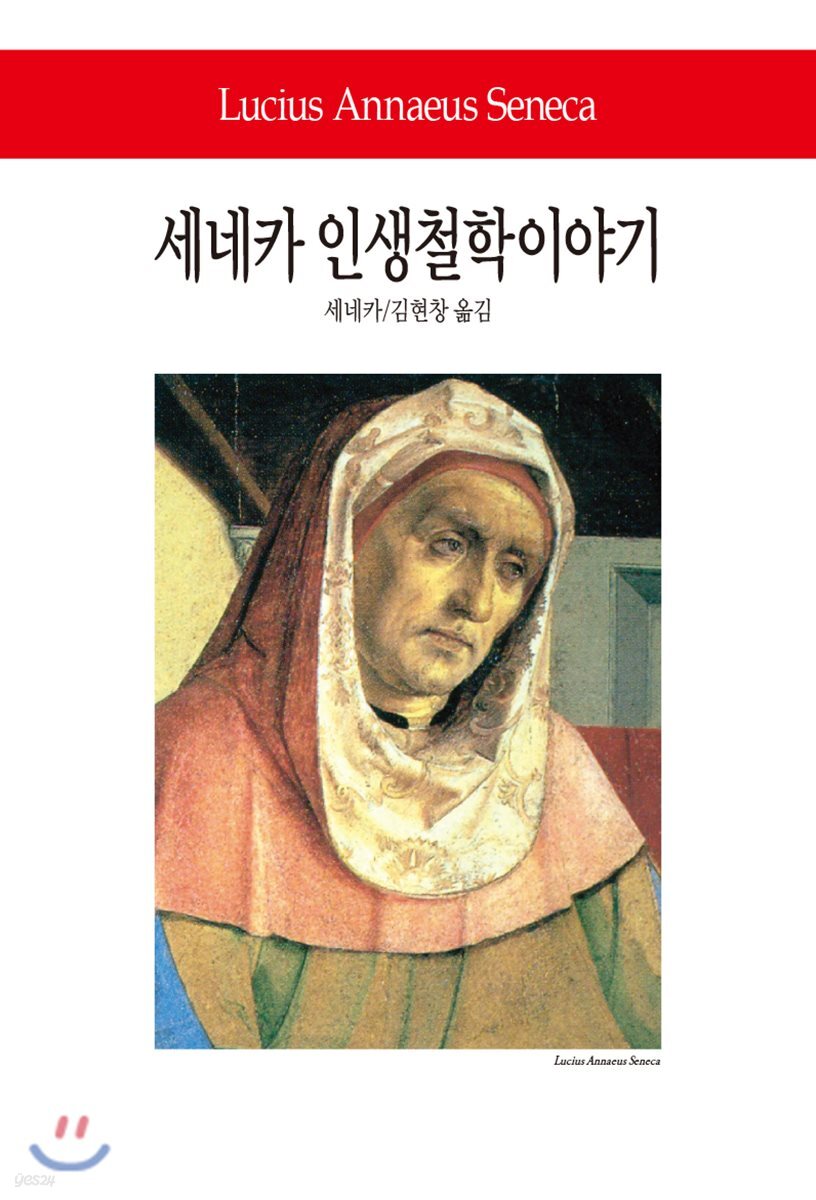 |
Description
Book Introduction
What is human? What is life?
Let go of selfish desires and deepen your own depth!
Roman spirit Seneca life and wisdom philosophy!
Seneca, the teacher of Roman intellect
Seneca (4 BC - 65 AD) was a politician, philosopher, and poet of the Imperial Roman Empire, and a representative Stoic philosopher who led the spiritual culture of his time.
Seneca was a theoretical philosopher who did not stop at ethical and religious matters, but confronted Greek natural philosophy and was the greatest tragic poet of Rome.
He was also a keen observer of human psychology and an excellent writer.
With his extensive knowledge and discourse based on philosophy, he offered appropriate solutions to any problem or suffering, and had a great influence on Roman society with his excellent speeches dealing with real-world issues.
During the 'Pax Romana' era, the Romans indulged in luxury and pleasure amidst stability and prosperity.
Seneca, Nero's teacher, was deeply concerned about this and sought to educate the Romans using his literary skills, personal experience, and common sense.
Seneca's philosophy has a strong ethical tone.
Moreover, it is a profound philosophy of life.
While reflecting on himself, Seneca did not forget to appeal to, comfort, and encourage others.
He did not look down from a high place and extend a helping hand to the suffering, poverty, and despair of others.
Seneca himself stood in the midst of that suffering and sorrow.
He was a humanist before he was a philosopher.
Let go of selfish desires and deepen your own depth!
Roman spirit Seneca life and wisdom philosophy!
Seneca, the teacher of Roman intellect
Seneca (4 BC - 65 AD) was a politician, philosopher, and poet of the Imperial Roman Empire, and a representative Stoic philosopher who led the spiritual culture of his time.
Seneca was a theoretical philosopher who did not stop at ethical and religious matters, but confronted Greek natural philosophy and was the greatest tragic poet of Rome.
He was also a keen observer of human psychology and an excellent writer.
With his extensive knowledge and discourse based on philosophy, he offered appropriate solutions to any problem or suffering, and had a great influence on Roman society with his excellent speeches dealing with real-world issues.
During the 'Pax Romana' era, the Romans indulged in luxury and pleasure amidst stability and prosperity.
Seneca, Nero's teacher, was deeply concerned about this and sought to educate the Romans using his literary skills, personal experience, and common sense.
Seneca's philosophy has a strong ethical tone.
Moreover, it is a profound philosophy of life.
While reflecting on himself, Seneca did not forget to appeal to, comfort, and encourage others.
He did not look down from a high place and extend a helping hand to the suffering, poverty, and despair of others.
Seneca himself stood in the midst of that suffering and sorrow.
He was a humanist before he was a philosopher.
- You can preview some of the book's contents.
Preview
index
[Color pictorial]
To those who read Seneca's philosophy of life… 13
Providence, the principles and laws of nature… 59
On the Wise Man's Perseverance… 83
About Anger… 109
A Letter of Comfort to Marcia… 210
About a Happy Life… 256
On Leisure… 293
On Peace of Mind… 305
On the Brevity of Life… 341
A Letter of Comfort to Helvia… 371
On Generosity… 404
Seneca's life and thoughts
The Life of Seneca… 449
1.
Childhood… 451
2.
Tiberius era (14–37 AD) … 459
3.
Caligula's reign (37–41 AD) … 464
4.
Claudian era (41–54 AD) … 468
5.
Nero's reign (54–68 AD) … 477
6.
Seneca's last years… 503
7.
Additional remarks … 512
Seneca's Thought… 515
1.
The Philosopher Seneca's Independence… 515
2.
Philosophy? Ethics Works… 522
3.
Ethics Letters … 540
4.
Nature Studies… 557
5.
The New Meaning of Learning Seneca… 569
Seneca Chronology … 571
To those who read Seneca's philosophy of life… 13
Providence, the principles and laws of nature… 59
On the Wise Man's Perseverance… 83
About Anger… 109
A Letter of Comfort to Marcia… 210
About a Happy Life… 256
On Leisure… 293
On Peace of Mind… 305
On the Brevity of Life… 341
A Letter of Comfort to Helvia… 371
On Generosity… 404
Seneca's life and thoughts
The Life of Seneca… 449
1.
Childhood… 451
2.
Tiberius era (14–37 AD) … 459
3.
Caligula's reign (37–41 AD) … 464
4.
Claudian era (41–54 AD) … 468
5.
Nero's reign (54–68 AD) … 477
6.
Seneca's last years… 503
7.
Additional remarks … 512
Seneca's Thought… 515
1.
The Philosopher Seneca's Independence… 515
2.
Philosophy? Ethics Works… 522
3.
Ethics Letters … 540
4.
Nature Studies… 557
5.
The New Meaning of Learning Seneca… 569
Seneca Chronology … 571
Publisher's Review
The light of life illuminating a difficult life
This book contains Seneca's philosophy of life and happiness, along with his thoughts and ideas, through his works over the next three chapters.
In 'What is Life?', Seneca unfolds the providence of life, the upright mind of a wise man, how to govern the mind and emotions, comfort people, and stories about a happy life in the form of conversations with various characters, including his friends and mother.
In particular, in 'On Generosity', he speaks frankly to Emperor Nero about his attitude and mindset as an emperor, and the duties of a monarch.
The specificity of speaking to the individual soul, the warm writing style containing poignant content brimming with mutual sympathy, and the like deeply resonate with the reader's heart.
Love Your Fate! A Lifelong Study Guide
Seneca's philosophy is woven with the cry of the individual human soul for its salvation, its delicate tenderness, the gaze of death, and the exhortation of the emperor to be king.
For Seneca, philosophy meant calming the mind, thinking about death, boldly accepting the human world, and constantly conversing with oneself to fill the soul with nobility.
To this end, we are firmly advocating for a broader philosophy that goes beyond narrow ethics, that is, learning that also includes natural science.
Seneca is admonishing us to cultivate ourselves and deepen our understanding so that we do not become inflexible and ignorant of reason and end up wasting our efforts by being confined to a set framework of religious principles or creeds.
He advises us to break free from the desire for fame, honor, status, or wealth of this world.
Accepting a right destiny with joy is not possible without love for destiny.
In this sense, Seneca was Nietzsche's forerunner.
The modern era is a dizzying information society, a competitive society ruled by the law of the jungle, and a society that has lost its sense of self and is dazzled by trends.
How neglectful is this age of deeply cultivating one's character by polishing oneself without losing oneself?
In these times, "Seneca's Life Philosophy," a collection of the life wisdom of the great Roman philosopher Seneca, will serve as a beacon illuminating the dark path ahead for modern people.
This book contains Seneca's philosophy of life and happiness, along with his thoughts and ideas, through his works over the next three chapters.
In 'What is Life?', Seneca unfolds the providence of life, the upright mind of a wise man, how to govern the mind and emotions, comfort people, and stories about a happy life in the form of conversations with various characters, including his friends and mother.
In particular, in 'On Generosity', he speaks frankly to Emperor Nero about his attitude and mindset as an emperor, and the duties of a monarch.
The specificity of speaking to the individual soul, the warm writing style containing poignant content brimming with mutual sympathy, and the like deeply resonate with the reader's heart.
Love Your Fate! A Lifelong Study Guide
Seneca's philosophy is woven with the cry of the individual human soul for its salvation, its delicate tenderness, the gaze of death, and the exhortation of the emperor to be king.
For Seneca, philosophy meant calming the mind, thinking about death, boldly accepting the human world, and constantly conversing with oneself to fill the soul with nobility.
To this end, we are firmly advocating for a broader philosophy that goes beyond narrow ethics, that is, learning that also includes natural science.
Seneca is admonishing us to cultivate ourselves and deepen our understanding so that we do not become inflexible and ignorant of reason and end up wasting our efforts by being confined to a set framework of religious principles or creeds.
He advises us to break free from the desire for fame, honor, status, or wealth of this world.
Accepting a right destiny with joy is not possible without love for destiny.
In this sense, Seneca was Nietzsche's forerunner.
The modern era is a dizzying information society, a competitive society ruled by the law of the jungle, and a society that has lost its sense of self and is dazzled by trends.
How neglectful is this age of deeply cultivating one's character by polishing oneself without losing oneself?
In these times, "Seneca's Life Philosophy," a collection of the life wisdom of the great Roman philosopher Seneca, will serve as a beacon illuminating the dark path ahead for modern people.
GOODS SPECIFICS
- Date of publication: July 7, 2017
- Format: Hardcover book binding method guide
- Page count, weight, size: 576 pages | 978g | 160*230*35mm
- ISBN13: 9788949716459
- ISBN10: 8949716453
You may also like
카테고리
korean


korean

![GQ KOREA Mark (Monthly): December [2025]](http://librairie.coreenne.fr/cdn/shop/files/8ef265dbbfbf186523ed75ba7319009d.jpg?v=1765340328&width=3840)


