

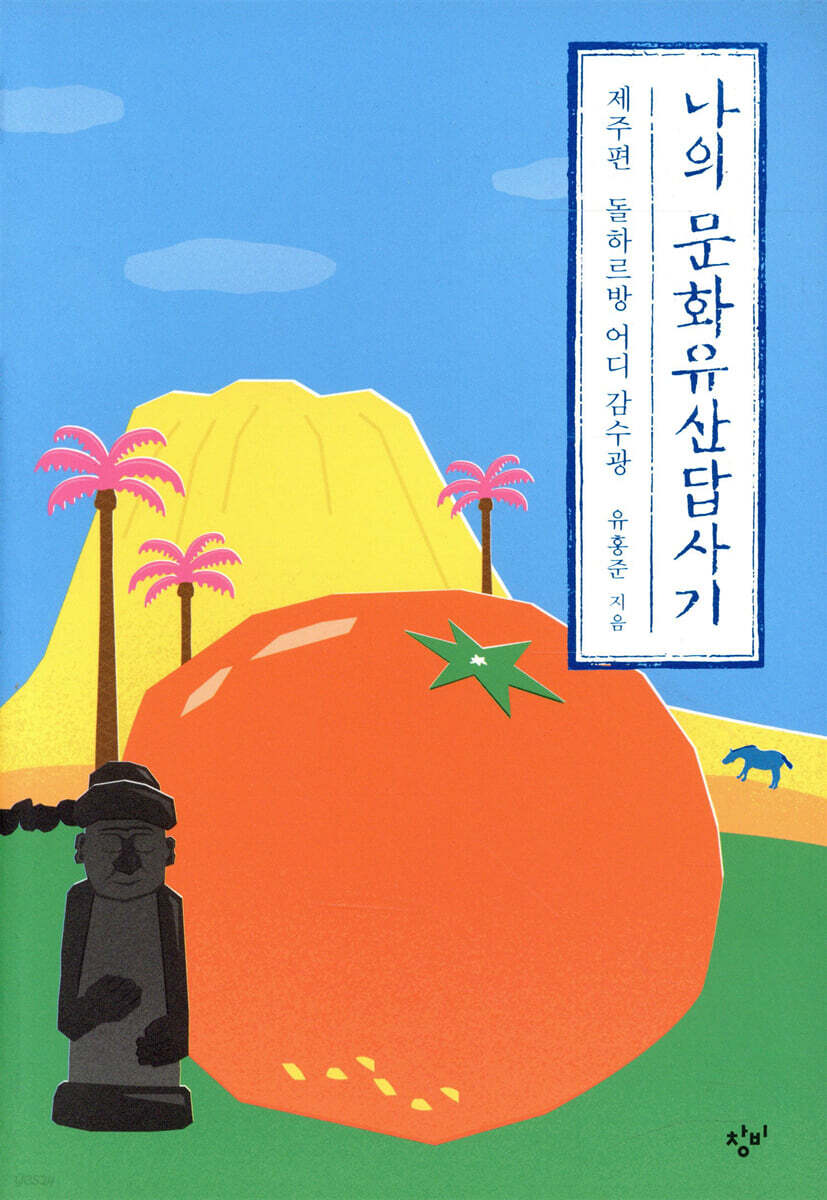
My Cultural Heritage Tour: Jeju Edition, Tangerine Edition
 |
Description
Book Introduction
A guide for all those who love Jeju
Revisiting the Jeju edition of "My Cultural Heritage Tour"
Since its first publication in 2012, over 150,000 copies have been sold, and 『My Cultural Heritage Tour Jeju Edition』, which has been loved as a guidebook for travelers visiting Jeju, has been reborn as a 'Tangerine Edition' with a new and youthful appearance.
The Jeju travelogue, which devotes an entire volume to Jeju and is richly filled with stories of Jeju's nature, cultural heritage, history, and people, is evaluated to have opened a new horizon even among the mega-bestselling "My Cultural Heritage Travelogue" series, which has sold over 4 million copies.
Jeju Island, which has already grown from a popular vacation spot for the entire nation to a world-class tourist destination, is a place that everyone has visited at least once and is considered a well-known place. It is difficult to find a case where the value of natural beauty and cultural heritage hidden in every corner of Jeju Island is so comprehensively condensed.
As you follow the story of author Professor Yoo Hong-jun, filled with his love for Jeju, you will discover the joy of rediscovering the hidden charms of Jeju that you thought you knew well.
Revisiting the Jeju edition of "My Cultural Heritage Tour"
Since its first publication in 2012, over 150,000 copies have been sold, and 『My Cultural Heritage Tour Jeju Edition』, which has been loved as a guidebook for travelers visiting Jeju, has been reborn as a 'Tangerine Edition' with a new and youthful appearance.
The Jeju travelogue, which devotes an entire volume to Jeju and is richly filled with stories of Jeju's nature, cultural heritage, history, and people, is evaluated to have opened a new horizon even among the mega-bestselling "My Cultural Heritage Travelogue" series, which has sold over 4 million copies.
Jeju Island, which has already grown from a popular vacation spot for the entire nation to a world-class tourist destination, is a place that everyone has visited at least once and is considered a well-known place. It is difficult to find a case where the value of natural beauty and cultural heritage hidden in every corner of Jeju Island is so comprehensively condensed.
As you follow the story of author Professor Yoo Hong-jun, filled with his love for Jeju, you will discover the joy of rediscovering the hidden charms of Jeju that you thought you knew well.
- You can preview some of the book's contents.
Preview
index
In publishing the book
A Guide to Jeju Studies for the Jeju Heo Clan
Jeju Island Tour No. 1 - Waheul Bonhyangdang
White wishes fluttering on the pine tree at Bonhyangdang
Jeju Island / Jeju's street trees / Sancheondan / Waheul Bonhyangdang / Soji's history / Hoecheon stone statue
Jeju Island Tour No. 1 2 - Jocheon Neobeunsungi
Something that cannot be forgotten even if you ignore it
Jocheon Yeonbukjeong / Jocheonyeondae / Big Water, ?Geundongji / Neobeunsungi / The Full Story of the Jeju April 3 Incident / "Uncle Suni" Literary Monument
Jeju Island Tour Spot 3 - Darangshi Oreum
Seolmundaehalmang's magnificent earth art
Jeju's Nature / Darangshi Oreum / Yongnuni Oreum / Kim Young-gap Gallery / Abu Oreum / 『Oreum Traveler』
Jeju Island Tour No. 1 4 - Yongcheon Cave
There is no lava cave more beautiful than this one.
UNESCO World Natural Heritage / Seongsan Ilchulbong / Lava Tubes / Dangcheomul Cave / Geomun Oreum / Yongcheon Cave
Jeju Island Tour Spot 5 - Hadori Haenyeo Bulteok
The sunset falls on the empty sea, faint and faint,
Jeju Haenyeo Anti-Japanese Memorial Tower / Haenyeo Museum / Sehwa-ri Gaetgeot Halmangdang / Daesanggun Story / Hadori Haenyeo Bulteok / Jongdal-ri Donji Halmangdang
Climbing Hallasan's Upper Seoreum - Yeongsil
Is it azalea or rhododendron?
Hallasan Mountain / Im Baek-ho's "Nammyeong Soseung" / Obaekjanggunbong Peak / Yeongsil / Paldo Ajumma / Gusan Tree / Witseoreum / Dr. Gente / Jeong Ji-yong's "Baekrokdam"
Tamna Kingdom Pilgrimage 1 - Samseonghyeol
Legends return to reality when they encounter relics.
Samseonghyeol / Dolhareubang / Samsaseok / Ildo Ido Samdo / Samyang-dong Prehistoric Site / Samyang-dong Black Sand
Tamna Kingdom Pilgrimage 2 - Gwandeokjeong
Moving from Tamna to Jeju Island
From Tamna to Jeju-gun / Five-story Stone Pagoda at Bultapsa Temple / Images of the Goryeo Dynasty / Hangpaduri Anti-Mongol Historical Site / Jeju Mok Office / Gwandeokjeong Pavilion / Gwandeokjeong Dolhareubang
Tamna Kingdom Pilgrimage 3 - Ohyeondan
Jeju's Three Treasures and Yeongju's Ten Scenic Views
Mugeunseong / Ohyeondan / Gyulimseowon / Hyanghyeonsa Temple / Jejuseong Fortress Site / 『Tamna Sunryeokdo』 / Sarabong / Grandmother Mandeok / Kim Mandeok Memorial Tower / Hallasan Arboretum / Jeju dialect
Southwest of Jeju 1 - Hamel Merchant Ship Exhibition Hall
Come in search of the elixir of life, come in a typhoon
Myeongwolseong Fortress / Myeongwol-ri Pine Tree Grove / Baeknan-a's "Rose of Sharon" / Sanbangsan Mountain / Hamel Merchant Ship Exhibition Hall / "Hamel Report" / Seobok Exhibition Hall
Southwest of Jeju 2 - Songaksan Mountain
Oh, you've been there
Mutae eel / Yongmeori Coast / Hyeongje Island / Sagye-ri human footprint fossil / Japanese military camp cave / Songaksan Mountain / Altteureu Airfield / Baekjo Ilsonjimyo / "Empty Mountain"
Southwest of Jeju 3 - Daejeong Chusa's exile site
Whether drawing a Sehando or singing a song about daffodils
On the way to exile / Wirianchi / Letter to my wife / Visiting disciples / "Sehando" / Chusa's Gyuljungok / Singing daffodils / Broadcast
Southwest of Jeju 4 - Moseulpo
The harsh winds of Moseulpo are still strong today
Jeju Chusa Museum / Daejeong Fortress / Samuisabi Monument / Daejeong Hyanggyo Confucian School / Inseong-ri Radio Tower / Army Training Center 1 / Gangbyeongdae Church / Moseulpo
From Gasiri to Donnae-ko 1 - Horse Museum
I will keep my obedience and protect my hometown.
Natural Monument No. 347 Jeju Horse / Jeju Horse Ranch / Saryeoni Forest Trail / Gyorae-ri Native Chicken / Gasiri Village / Horse Museum
From Gasiri to Donnaeko 2 - Pioneers of Jeju Studies
In memory of those who should not be forgotten
Kim Man-il, a meritorious subject of the war, / Monument to Koreans in Japan / Camellia Fence in Wimi / Citrus Museum / Lee Jung-seop Art Museum / Izumi Seiichi / Donnae-ko / Bust of Seok Ju-myeong
Look up place names
A Guide to Jeju Studies for the Jeju Heo Clan
Jeju Island Tour No. 1 - Waheul Bonhyangdang
White wishes fluttering on the pine tree at Bonhyangdang
Jeju Island / Jeju's street trees / Sancheondan / Waheul Bonhyangdang / Soji's history / Hoecheon stone statue
Jeju Island Tour No. 1 2 - Jocheon Neobeunsungi
Something that cannot be forgotten even if you ignore it
Jocheon Yeonbukjeong / Jocheonyeondae / Big Water, ?Geundongji / Neobeunsungi / The Full Story of the Jeju April 3 Incident / "Uncle Suni" Literary Monument
Jeju Island Tour Spot 3 - Darangshi Oreum
Seolmundaehalmang's magnificent earth art
Jeju's Nature / Darangshi Oreum / Yongnuni Oreum / Kim Young-gap Gallery / Abu Oreum / 『Oreum Traveler』
Jeju Island Tour No. 1 4 - Yongcheon Cave
There is no lava cave more beautiful than this one.
UNESCO World Natural Heritage / Seongsan Ilchulbong / Lava Tubes / Dangcheomul Cave / Geomun Oreum / Yongcheon Cave
Jeju Island Tour Spot 5 - Hadori Haenyeo Bulteok
The sunset falls on the empty sea, faint and faint,
Jeju Haenyeo Anti-Japanese Memorial Tower / Haenyeo Museum / Sehwa-ri Gaetgeot Halmangdang / Daesanggun Story / Hadori Haenyeo Bulteok / Jongdal-ri Donji Halmangdang
Climbing Hallasan's Upper Seoreum - Yeongsil
Is it azalea or rhododendron?
Hallasan Mountain / Im Baek-ho's "Nammyeong Soseung" / Obaekjanggunbong Peak / Yeongsil / Paldo Ajumma / Gusan Tree / Witseoreum / Dr. Gente / Jeong Ji-yong's "Baekrokdam"
Tamna Kingdom Pilgrimage 1 - Samseonghyeol
Legends return to reality when they encounter relics.
Samseonghyeol / Dolhareubang / Samsaseok / Ildo Ido Samdo / Samyang-dong Prehistoric Site / Samyang-dong Black Sand
Tamna Kingdom Pilgrimage 2 - Gwandeokjeong
Moving from Tamna to Jeju Island
From Tamna to Jeju-gun / Five-story Stone Pagoda at Bultapsa Temple / Images of the Goryeo Dynasty / Hangpaduri Anti-Mongol Historical Site / Jeju Mok Office / Gwandeokjeong Pavilion / Gwandeokjeong Dolhareubang
Tamna Kingdom Pilgrimage 3 - Ohyeondan
Jeju's Three Treasures and Yeongju's Ten Scenic Views
Mugeunseong / Ohyeondan / Gyulimseowon / Hyanghyeonsa Temple / Jejuseong Fortress Site / 『Tamna Sunryeokdo』 / Sarabong / Grandmother Mandeok / Kim Mandeok Memorial Tower / Hallasan Arboretum / Jeju dialect
Southwest of Jeju 1 - Hamel Merchant Ship Exhibition Hall
Come in search of the elixir of life, come in a typhoon
Myeongwolseong Fortress / Myeongwol-ri Pine Tree Grove / Baeknan-a's "Rose of Sharon" / Sanbangsan Mountain / Hamel Merchant Ship Exhibition Hall / "Hamel Report" / Seobok Exhibition Hall
Southwest of Jeju 2 - Songaksan Mountain
Oh, you've been there
Mutae eel / Yongmeori Coast / Hyeongje Island / Sagye-ri human footprint fossil / Japanese military camp cave / Songaksan Mountain / Altteureu Airfield / Baekjo Ilsonjimyo / "Empty Mountain"
Southwest of Jeju 3 - Daejeong Chusa's exile site
Whether drawing a Sehando or singing a song about daffodils
On the way to exile / Wirianchi / Letter to my wife / Visiting disciples / "Sehando" / Chusa's Gyuljungok / Singing daffodils / Broadcast
Southwest of Jeju 4 - Moseulpo
The harsh winds of Moseulpo are still strong today
Jeju Chusa Museum / Daejeong Fortress / Samuisabi Monument / Daejeong Hyanggyo Confucian School / Inseong-ri Radio Tower / Army Training Center 1 / Gangbyeongdae Church / Moseulpo
From Gasiri to Donnae-ko 1 - Horse Museum
I will keep my obedience and protect my hometown.
Natural Monument No. 347 Jeju Horse / Jeju Horse Ranch / Saryeoni Forest Trail / Gyorae-ri Native Chicken / Gasiri Village / Horse Museum
From Gasiri to Donnaeko 2 - Pioneers of Jeju Studies
In memory of those who should not be forgotten
Kim Man-il, a meritorious subject of the war, / Monument to Koreans in Japan / Camellia Fence in Wimi / Citrus Museum / Lee Jung-seop Art Museum / Izumi Seiichi / Donnae-ko / Bust of Seok Ju-myeong
Look up place names
Detailed image
Publisher's Review
A Guide to Jeju for the Jeju Heo Clan
Among domestic travel guidebooks, there are an overwhelming number of Jeju guidebooks, introducing various ways to experience Jeju, including the Olle Trail.
However, most of them are focused on famous tourist attractions, limiting access to Jeju's history and culture. Even when traveling by rental car, there is a lack of systematic and in-depth information.
This book claims to be a Jeju guide for rental car users, or 'Jeju Heosi', who travel around Jeju freely by renting a car.
It is also a travel book for domestic and international readers who want to break away from conventional travel patterns and enjoy the depth of Jeju.
This book uncovers Jeju's hidden value by shedding new light on not only its familiar and well-known natural and cultural heritage, but also places that even locals, not only mainlanders but also Jeju residents, have never properly visited or noticed despite being close by.
A New Discovery in Jeju - Is Jeju Island Really Like This?
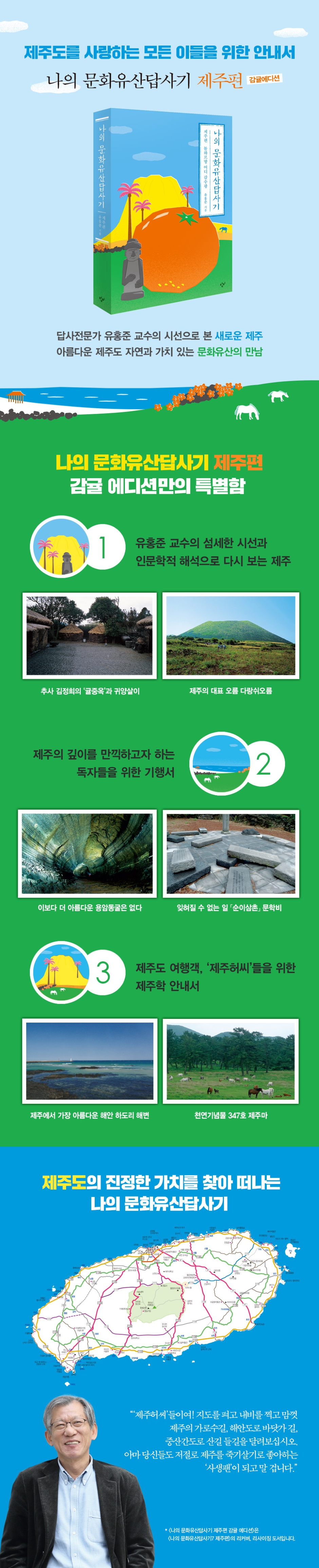
‘Jeju Travelogue’ is largely composed of five parts.
The first area that appears in 'Jeju Field Trip No. 1' is the area around Jochon and Gujwa in the northeast of Jeju.
This area is a place where you can fully experience the essence of Jeju's nature and culture, including Jeju's oreum represented by Darangshi Oreum, Jeju's religious beliefs as seen in Donji Halmangdang and Gaetgeot Halmangdang, and the diving landscape of Hadori, where one-tenth of Jeju's female divers are still active.
Here, you can also find relics that bear the marks of the April 3rd Incident, an event that cannot be forgotten even if ignored, and which was the most tragic event in Jeju's modern history.
Meanwhile, this region is the kingdom of parasitic volcanoes, or Oreum, which are representative symbols of Jeju's nature.
In particular, you can also see the Geomunoreum Lava Tube System, which played a decisive role in Jeju's registration as a UNESCO World Natural Heritage Site.
The story of Yongcheon Cave, miraculously discovered while the author was serving as the head of the Cultural Heritage Administration, has given rise to a global recognition and further instilled pride in the value of Jeju's nature.
Also, the episodes of the 'Jeju Samchun' who tell the stories of haenyeo (female divers) in the Jeju dialect are mysterious and interesting stories that only a field trip can tell, not only to mainlanders but also to Jeju people.
Yeongsil, which appears in the second 'Hiking the Upper Seoreum of Hallasan Mountain', is the 'most beautiful place in Jeju' chosen by the author.
Whether it snows or the wind blows, or the flowers bloom or fall, this place is the most beautiful because it allows you to fully experience the entirety of Hallasan Mountain without being a difficult climbing course.
The Yeongsil climbing course passes through the lush forest path as the prelude, the first act is O Baek Jang Gun Peak, the second act is the azalea ridge, the third act is the fir tree grove, and the fourth act is the upper Seoreum, reaching the peak at Baekrokdam.
Even during the breathless climb, the author uses his gift of gab to introduce Baekho Imje's "Nammyeong Soseung" and the legend of Seolmundae Halmang of Obaekjanggunbong, and sings Choi Ik-hyeon's "Yuhallasangi."
When we arrived at the Jindallae Ridge, we spread out our mats and chatted with the Paldo ajummas who came to tour the area, and we created a 'Paldo Ajummasron' that vividly portrays the dialects and spoken language of the Paldo ajummas.
The mountain path also introduces the British botanist Wilson, who created the tree species that is today the main type of Christmas tree by taking the fir tree native to Hallasan Mountain, and Dr. Gente, who was the first to measure the height of Hallasan Mountain.
The third is ‘Pilgrimage to Tamna Kingdom’, which allows us to look back on the history of Tamna Kingdom becoming Jeju Island.
Here, we will introduce the Samseonghyeol and Samyangdong prehistoric sites, where the legend of the birth of the three progenitors of Jeju's Go, Yang, and Bu is intertwined, the remains of the Sambyeolcho, who resisted the Mongols during the Goryeo Dynasty, Gwandeokjeong, one of the oldest buildings in Jeju, Ohyeondan, which enshrines the five sages, and a space honoring the Joseon Dynasty female physician Kim Man-deok.
Gwandeokjeong and Samseonghyeol, widely known as tourist destinations, are not places that attract much attention if you go there without knowing their historical significance or value.
If it were a simple tour without a story, it would be the same anywhere, but especially in Jeju, where there are so many modernized and fancy tourist courses, it would be very likely to pass by such places without much thought.
The author, who believes that “when a legend meets a relic, it acquires a realistic sense of substance, and when a relic meets a legend, it acquires storytelling,” points out that, for example, Samyang-dong Black Sand Beach is famous for its sand bathing, which is visited by many tourists from the mainland and even Japanese tourists, but very few people visit the prehistoric site just above it, and says that the reason for this is the excessive academic caution and solemnity of scholars.
Also, when entering the space to look back on Grandmother Kim Man-deok, who has received public attention with the creation of the Kim Man-deok Memorial Society and the production of a standard portrait, the tomb itself is left shabbily neglected, and a huge memorial tower has been erected, giving the impression that the roles of the subject and object have been reversed.
The passages that express regret over the current state of the front yard of Gwandeokjeong, which should serve as a plaza as the heart of Jeju, the advice on the preservation method of the Jeju Mok government office, which has been restored like a theme park but entry is prohibited, and the lament over the appearance of Ohyeondan, where modern steles are crowded next to the original five simple and modest steles, and the regret over the lack of awareness of cultural heritage administration and local governments that still have a long way to go, make us reflect.
The fourth region is the 'southwest of Jeju', including the Sanbangsan area where traces of Hamel and Seo Bok remain, the Songaksan area with the Japanese military camp cave and the Altteureu airfield, Daejeong where Chusa was exiled, and the Moseulpo area where the Jeju Chusa Museum is located and close to Daejeonghyanggyo and Daejeong-eupseong Fortress.
In this region, the author of 『Wandangpyeongjeon』 introduces an interesting episode from his experience rebuilding the Jeju Chusa Museum while serving as the head of the Cultural Heritage Administration, based on his extensive knowledge of Kim Jeong-hui.
In the final episode, 'From Gasiri to Donnae-ko', the journey concludes with a visit to Jeju horses, a native chicken village, and a monument to Koreans in Japan.
Here, we introduce two key figures who inspired the author, Seok Ju-myeong, the “Butterfly Doctor,” and Japanese anthropologist Izumi Seiichi, who aimed to develop “Jeju Studies” by focusing on Jeju’s nature, culture, religion, language, and history.
This book tells the stories of countless people who shaped Jeju into what it is today, but the stories of these two people are particularly unique and meaningful.
A new level of 'travelogue'
Professor Yoo Hong-jun's delicate perspective and profound humanistic interpretation, which have awakened and revitalized the value of cultural heritage that has been overlooked and under-examined, extend not only to cultural heritage but also to Jeju's nature, folklore, and language in this Jeju edition.
The author states that while previous travelogues focused on cultural heritage, this travelogue seeks both breadth and depth, ultimately hoping to become the cornerstone of 'Jeju Studies.'
We hope that the Jeju edition of the travelogue, "Tangerine Edition," which has been given a new look, will provide a refreshing travel experience to all readers thirsty for new vitality in their daily lives.
Among domestic travel guidebooks, there are an overwhelming number of Jeju guidebooks, introducing various ways to experience Jeju, including the Olle Trail.
However, most of them are focused on famous tourist attractions, limiting access to Jeju's history and culture. Even when traveling by rental car, there is a lack of systematic and in-depth information.
This book claims to be a Jeju guide for rental car users, or 'Jeju Heosi', who travel around Jeju freely by renting a car.
It is also a travel book for domestic and international readers who want to break away from conventional travel patterns and enjoy the depth of Jeju.
This book uncovers Jeju's hidden value by shedding new light on not only its familiar and well-known natural and cultural heritage, but also places that even locals, not only mainlanders but also Jeju residents, have never properly visited or noticed despite being close by.
A New Discovery in Jeju - Is Jeju Island Really Like This?
‘Jeju Travelogue’ is largely composed of five parts.
The first area that appears in 'Jeju Field Trip No. 1' is the area around Jochon and Gujwa in the northeast of Jeju.
This area is a place where you can fully experience the essence of Jeju's nature and culture, including Jeju's oreum represented by Darangshi Oreum, Jeju's religious beliefs as seen in Donji Halmangdang and Gaetgeot Halmangdang, and the diving landscape of Hadori, where one-tenth of Jeju's female divers are still active.
Here, you can also find relics that bear the marks of the April 3rd Incident, an event that cannot be forgotten even if ignored, and which was the most tragic event in Jeju's modern history.
Meanwhile, this region is the kingdom of parasitic volcanoes, or Oreum, which are representative symbols of Jeju's nature.
In particular, you can also see the Geomunoreum Lava Tube System, which played a decisive role in Jeju's registration as a UNESCO World Natural Heritage Site.
The story of Yongcheon Cave, miraculously discovered while the author was serving as the head of the Cultural Heritage Administration, has given rise to a global recognition and further instilled pride in the value of Jeju's nature.
Also, the episodes of the 'Jeju Samchun' who tell the stories of haenyeo (female divers) in the Jeju dialect are mysterious and interesting stories that only a field trip can tell, not only to mainlanders but also to Jeju people.
Yeongsil, which appears in the second 'Hiking the Upper Seoreum of Hallasan Mountain', is the 'most beautiful place in Jeju' chosen by the author.
Whether it snows or the wind blows, or the flowers bloom or fall, this place is the most beautiful because it allows you to fully experience the entirety of Hallasan Mountain without being a difficult climbing course.
The Yeongsil climbing course passes through the lush forest path as the prelude, the first act is O Baek Jang Gun Peak, the second act is the azalea ridge, the third act is the fir tree grove, and the fourth act is the upper Seoreum, reaching the peak at Baekrokdam.
Even during the breathless climb, the author uses his gift of gab to introduce Baekho Imje's "Nammyeong Soseung" and the legend of Seolmundae Halmang of Obaekjanggunbong, and sings Choi Ik-hyeon's "Yuhallasangi."
When we arrived at the Jindallae Ridge, we spread out our mats and chatted with the Paldo ajummas who came to tour the area, and we created a 'Paldo Ajummasron' that vividly portrays the dialects and spoken language of the Paldo ajummas.
The mountain path also introduces the British botanist Wilson, who created the tree species that is today the main type of Christmas tree by taking the fir tree native to Hallasan Mountain, and Dr. Gente, who was the first to measure the height of Hallasan Mountain.
The third is ‘Pilgrimage to Tamna Kingdom’, which allows us to look back on the history of Tamna Kingdom becoming Jeju Island.
Here, we will introduce the Samseonghyeol and Samyangdong prehistoric sites, where the legend of the birth of the three progenitors of Jeju's Go, Yang, and Bu is intertwined, the remains of the Sambyeolcho, who resisted the Mongols during the Goryeo Dynasty, Gwandeokjeong, one of the oldest buildings in Jeju, Ohyeondan, which enshrines the five sages, and a space honoring the Joseon Dynasty female physician Kim Man-deok.
Gwandeokjeong and Samseonghyeol, widely known as tourist destinations, are not places that attract much attention if you go there without knowing their historical significance or value.
If it were a simple tour without a story, it would be the same anywhere, but especially in Jeju, where there are so many modernized and fancy tourist courses, it would be very likely to pass by such places without much thought.
The author, who believes that “when a legend meets a relic, it acquires a realistic sense of substance, and when a relic meets a legend, it acquires storytelling,” points out that, for example, Samyang-dong Black Sand Beach is famous for its sand bathing, which is visited by many tourists from the mainland and even Japanese tourists, but very few people visit the prehistoric site just above it, and says that the reason for this is the excessive academic caution and solemnity of scholars.
Also, when entering the space to look back on Grandmother Kim Man-deok, who has received public attention with the creation of the Kim Man-deok Memorial Society and the production of a standard portrait, the tomb itself is left shabbily neglected, and a huge memorial tower has been erected, giving the impression that the roles of the subject and object have been reversed.
The passages that express regret over the current state of the front yard of Gwandeokjeong, which should serve as a plaza as the heart of Jeju, the advice on the preservation method of the Jeju Mok government office, which has been restored like a theme park but entry is prohibited, and the lament over the appearance of Ohyeondan, where modern steles are crowded next to the original five simple and modest steles, and the regret over the lack of awareness of cultural heritage administration and local governments that still have a long way to go, make us reflect.
The fourth region is the 'southwest of Jeju', including the Sanbangsan area where traces of Hamel and Seo Bok remain, the Songaksan area with the Japanese military camp cave and the Altteureu airfield, Daejeong where Chusa was exiled, and the Moseulpo area where the Jeju Chusa Museum is located and close to Daejeonghyanggyo and Daejeong-eupseong Fortress.
In this region, the author of 『Wandangpyeongjeon』 introduces an interesting episode from his experience rebuilding the Jeju Chusa Museum while serving as the head of the Cultural Heritage Administration, based on his extensive knowledge of Kim Jeong-hui.
In the final episode, 'From Gasiri to Donnae-ko', the journey concludes with a visit to Jeju horses, a native chicken village, and a monument to Koreans in Japan.
Here, we introduce two key figures who inspired the author, Seok Ju-myeong, the “Butterfly Doctor,” and Japanese anthropologist Izumi Seiichi, who aimed to develop “Jeju Studies” by focusing on Jeju’s nature, culture, religion, language, and history.
This book tells the stories of countless people who shaped Jeju into what it is today, but the stories of these two people are particularly unique and meaningful.
A new level of 'travelogue'
Professor Yoo Hong-jun's delicate perspective and profound humanistic interpretation, which have awakened and revitalized the value of cultural heritage that has been overlooked and under-examined, extend not only to cultural heritage but also to Jeju's nature, folklore, and language in this Jeju edition.
The author states that while previous travelogues focused on cultural heritage, this travelogue seeks both breadth and depth, ultimately hoping to become the cornerstone of 'Jeju Studies.'
We hope that the Jeju edition of the travelogue, "Tangerine Edition," which has been given a new look, will provide a refreshing travel experience to all readers thirsty for new vitality in their daily lives.
GOODS SPECIFICS
- Publication date: July 26, 2021
- Page count, weight, size: 472 pages | 604g | 142*208*23mm
- ISBN13: 9788936478766
- ISBN10: 8936478761
You may also like
카테고리
korean


korean

![GQ KOREA Mark (Monthly): December [2025]](http://librairie.coreenne.fr/cdn/shop/files/8ef265dbbfbf186523ed75ba7319009d.jpg?v=1765340328&width=3840)


