

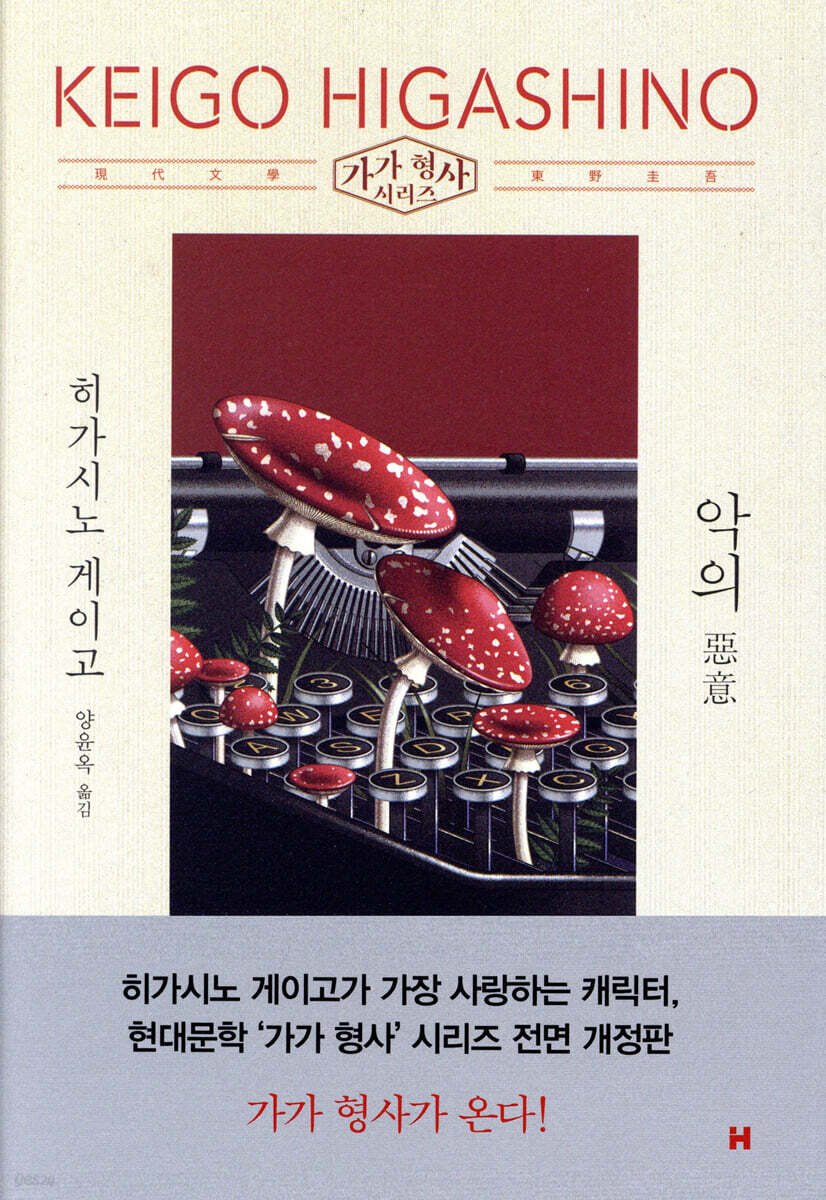
malice
 |
Description
Book Introduction
A cat-and-mouse game surrounding the death of a bestselling author.
The ugly truth and the vicious malice revealed after persistent pursuit
Exploring the dark side of the human mind
Keigo Higashino, the pinnacle of literature
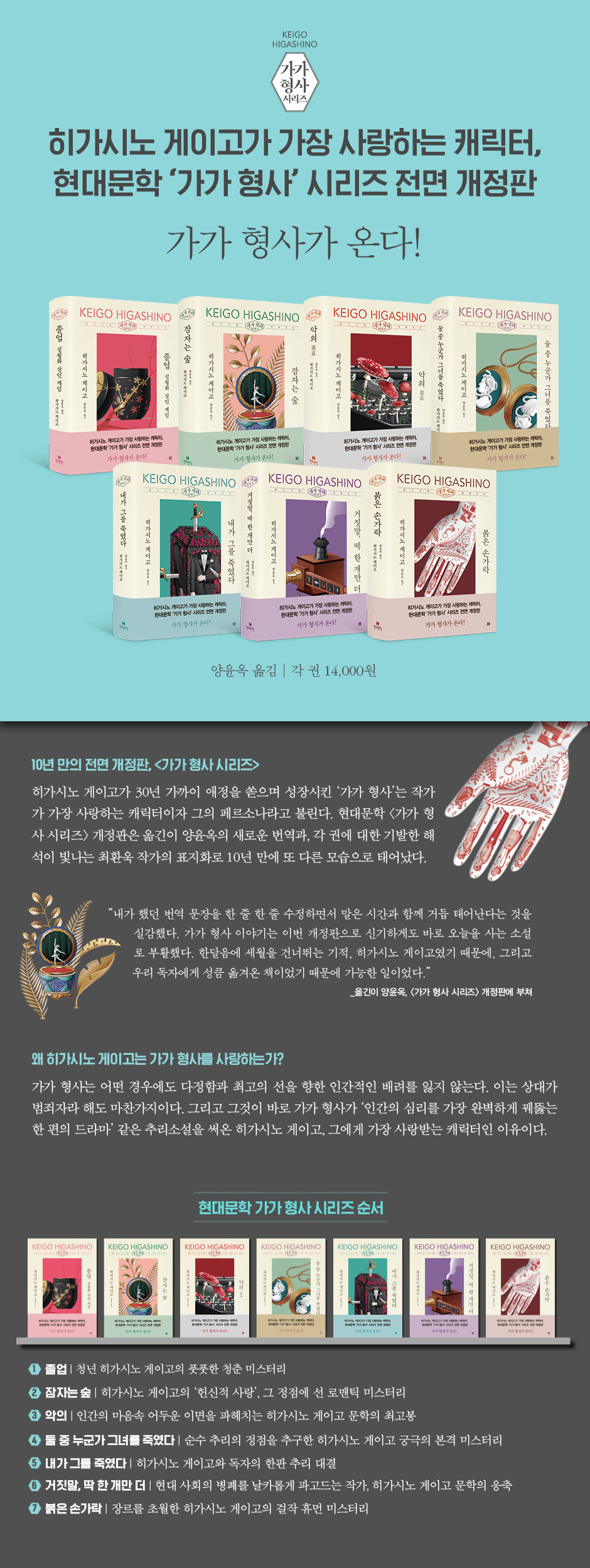
"Malice" is the third work in the [Detective Kaga Series], and is a representative early work of Keigo Higashino, and is a beloved novel that is a must-read and introductory book for many mystery fans.
In "Malicious," you can not only meet the perfect Kaga Kyoichiro, who boasts a brilliant mind and tenacity, but also get a glimpse into his personal history, including why he, a former social studies teacher, resigned from his teaching career and became a police officer.
In this work, which explores the long and arduous journey of malice surrounding the death of a popular author, Higashino demonstrates his mastery as a mystery writer.
After revealing the identity of the culprit early on, the author confronts the reader head-on by raising questions about the true motive and method of the murder.
The author's unique narrative style, which focuses on "why and how the crime was committed" rather than "who is the culprit," is maximized in the unique structure of the book, which consists of individual "records" such as the notes of those involved in the murder case, investigators, and the testimonies and recollections of bystanders.
Just as you see a picture whose meaning changes completely with just a slight shift of perspective, the repeated twists and turns encountered during the investigation make it impossible for readers to put the book down.
“Humans record things, emotions, thoughts, and the flow of time in order to stop them and leave them for a long time.
Fiction is also an undeniable form of 'record'.
“This book is a grand mystery, designed to address the very subject of ‘records.’” (Natsuo Kirino)
『Malicious』 unfolds through ‘records.’
And the author makes it clear to the reader that not all of these records point to the truth, and begins a fair battle of wits.
Readers are challenged by alternating between two types of writing, one from a self-pitying criminal and the other from a candid detective, devoid of emotion.
Whether we can avoid falling into the trap of testimony and records, and how far we can uncover the truth hidden within them.
Living up to his reputation as the foremost figure in the mystery novel world, Keigo Higashino once again captivates readers with this work, combining a suspenseful plot development, captivating power, surprising twists, and profound insights into humanity to create a literary masterpiece.
And the motive for the murder that is gradually revealed, the deep darkness of humanity hidden behind it, and the aesthetics of reversal make readers realize what kind of thrill they expect from a mystery novel.
The truth of the incident, which is suddenly revealed, far exceeds the reader's expectations.
As befitting a representative work by an author who talks about the society we live in today, the criminal's malice simultaneously evokes fear and a strange sense of empathy.
The ugly truth and the vicious malice revealed after persistent pursuit
Exploring the dark side of the human mind
Keigo Higashino, the pinnacle of literature
"Malice" is the third work in the [Detective Kaga Series], and is a representative early work of Keigo Higashino, and is a beloved novel that is a must-read and introductory book for many mystery fans.
In "Malicious," you can not only meet the perfect Kaga Kyoichiro, who boasts a brilliant mind and tenacity, but also get a glimpse into his personal history, including why he, a former social studies teacher, resigned from his teaching career and became a police officer.
In this work, which explores the long and arduous journey of malice surrounding the death of a popular author, Higashino demonstrates his mastery as a mystery writer.
After revealing the identity of the culprit early on, the author confronts the reader head-on by raising questions about the true motive and method of the murder.
The author's unique narrative style, which focuses on "why and how the crime was committed" rather than "who is the culprit," is maximized in the unique structure of the book, which consists of individual "records" such as the notes of those involved in the murder case, investigators, and the testimonies and recollections of bystanders.
Just as you see a picture whose meaning changes completely with just a slight shift of perspective, the repeated twists and turns encountered during the investigation make it impossible for readers to put the book down.
“Humans record things, emotions, thoughts, and the flow of time in order to stop them and leave them for a long time.
Fiction is also an undeniable form of 'record'.
“This book is a grand mystery, designed to address the very subject of ‘records.’” (Natsuo Kirino)
『Malicious』 unfolds through ‘records.’
And the author makes it clear to the reader that not all of these records point to the truth, and begins a fair battle of wits.
Readers are challenged by alternating between two types of writing, one from a self-pitying criminal and the other from a candid detective, devoid of emotion.
Whether we can avoid falling into the trap of testimony and records, and how far we can uncover the truth hidden within them.
Living up to his reputation as the foremost figure in the mystery novel world, Keigo Higashino once again captivates readers with this work, combining a suspenseful plot development, captivating power, surprising twists, and profound insights into humanity to create a literary masterpiece.
And the motive for the murder that is gradually revealed, the deep darkness of humanity hidden behind it, and the aesthetics of reversal make readers realize what kind of thrill they expect from a mystery novel.
The truth of the incident, which is suddenly revealed, far exceeds the reader's expectations.
As befitting a representative work by an author who talks about the society we live in today, the criminal's malice simultaneously evokes fear and a strange sense of empathy.
- You can preview some of the book's contents.
Preview
index
The Incident - Osamu Nonoguchi's Memoirs
Suspicion - Detective Gaga's Records
The Solution: The Memoirs of Osamu Nonoguchi
Pursuit - Detective Kaga's Monologue
Confession - The Memoirs of Osamu Nonoguchi
Past 1 - Detective Gaga's Records
Past 2 - Stories of Those Who Knew Them
Past 3 - Detective Gaga's Flashbacks
The Truth - Detective Gaga's Explanation
commentary
Translator's Note: In search of the reason for the unreasonable malice
Suspicion - Detective Gaga's Records
The Solution: The Memoirs of Osamu Nonoguchi
Pursuit - Detective Kaga's Monologue
Confession - The Memoirs of Osamu Nonoguchi
Past 1 - Detective Gaga's Records
Past 2 - Stories of Those Who Knew Them
Past 3 - Detective Gaga's Flashbacks
The Truth - Detective Gaga's Explanation
commentary
Translator's Note: In search of the reason for the unreasonable malice
Detailed image
Into the book
“Do you always lock the door when you go out?” I asked.
She tilted her head as she took out her keys.
“I hardly ever lock my door these days.”
I put the key in and opened the door.
The lights in the studio were also off.
But it wasn't completely dark.
The monitor screen on the desktop was glowing, as if the computer had not been turned off.
Ms. Rie felt around the wall with her hand and turned on the fluorescent light switch.
In the middle of the workshop, I saw Hidaka lying down with his legs facing this way.
After a few seconds of blank time, Rie ran towards Hidaka without saying a word.
But halfway through, she stopped, covered her mouth with both hands, and her whole body froze.
In the meantime, not a word was said.
I also approached it hesitantly.
Hidaka was lying face down, his head turned, showing the left side of his face.
I was squinting my eyes.
It was the look in the eyes of someone already dead.
“He’s dead...” I muttered.
--- p.33
“I thought I would probably never have an experience like this again in my life, so I decided to record it in some form.
“You could say it’s a kind of writer’s spirit.”
Then, after a moment of silence as if thinking, Gaga said:
“Could you show me that?”
"Showing it to you? No, I didn't write it to show anyone."
“Please.” He bowed his head.
Detective Makimura was doing the same thing next to him.
“Hey, don’t do that.
I feel embarrassed when people bow to me on the street.
Besides, I have already told you everything that has been recorded so far.”
“It doesn’t matter though.”
--- p.69
It was truly unexpected that Osamu Nonoguchi was writing a memoir about this incident.
Because if he were the culprit, I don't think he would ever write something that would reveal every single detail of the case.
But while reading his memoirs, I realized that my thoughts were completely opposite.
The memoir was a truly logical piece of writing.
And a logical record has strong persuasive power.
As you read, you sometimes forget that the content may not necessarily be true.
One might think that Osamu Nonoguchi's trick is hidden right there.
--- p.92
“Is it possible to embroider?”
Detective Gaga's eyes widened.
After that, he shook his head just once.
“Unfortunately, embroidery is not accepted at this stage.
But I don't think it will be of much benefit if you put up a show of resistance."
“Yeah…….” The strength in my shoulders slowly disappeared.
I felt despair, but at the same time, I felt relief.
Because I don't have to do plays anymore.
--- p.120~121
Osamu Nonoguchi's explanation was logically correct in some ways.
But if that's true, the question arises: why didn't you say something sooner?
He continued to exercise his right to remain silent about this matter until he collapsed from illness.
My guess was that since he was hospitalized for an illness and was not questioned for a while, he was trying to come up with an excuse during that time.
But it was difficult to prove that at this point.
--- p.135~136
The reason I am writing this confession now is because of such circumstances.
This will probably be the last time I write something this long for the purpose of being read by others.
So to speak, it is the final work.
Thinking about it, I feel like I can't write a single word or sentence carelessly, but unfortunately, I don't think I'll have enough time to worry about how to express myself.
She tilted her head as she took out her keys.
“I hardly ever lock my door these days.”
I put the key in and opened the door.
The lights in the studio were also off.
But it wasn't completely dark.
The monitor screen on the desktop was glowing, as if the computer had not been turned off.
Ms. Rie felt around the wall with her hand and turned on the fluorescent light switch.
In the middle of the workshop, I saw Hidaka lying down with his legs facing this way.
After a few seconds of blank time, Rie ran towards Hidaka without saying a word.
But halfway through, she stopped, covered her mouth with both hands, and her whole body froze.
In the meantime, not a word was said.
I also approached it hesitantly.
Hidaka was lying face down, his head turned, showing the left side of his face.
I was squinting my eyes.
It was the look in the eyes of someone already dead.
“He’s dead...” I muttered.
--- p.33
“I thought I would probably never have an experience like this again in my life, so I decided to record it in some form.
“You could say it’s a kind of writer’s spirit.”
Then, after a moment of silence as if thinking, Gaga said:
“Could you show me that?”
"Showing it to you? No, I didn't write it to show anyone."
“Please.” He bowed his head.
Detective Makimura was doing the same thing next to him.
“Hey, don’t do that.
I feel embarrassed when people bow to me on the street.
Besides, I have already told you everything that has been recorded so far.”
“It doesn’t matter though.”
--- p.69
It was truly unexpected that Osamu Nonoguchi was writing a memoir about this incident.
Because if he were the culprit, I don't think he would ever write something that would reveal every single detail of the case.
But while reading his memoirs, I realized that my thoughts were completely opposite.
The memoir was a truly logical piece of writing.
And a logical record has strong persuasive power.
As you read, you sometimes forget that the content may not necessarily be true.
One might think that Osamu Nonoguchi's trick is hidden right there.
--- p.92
“Is it possible to embroider?”
Detective Gaga's eyes widened.
After that, he shook his head just once.
“Unfortunately, embroidery is not accepted at this stage.
But I don't think it will be of much benefit if you put up a show of resistance."
“Yeah…….” The strength in my shoulders slowly disappeared.
I felt despair, but at the same time, I felt relief.
Because I don't have to do plays anymore.
--- p.120~121
Osamu Nonoguchi's explanation was logically correct in some ways.
But if that's true, the question arises: why didn't you say something sooner?
He continued to exercise his right to remain silent about this matter until he collapsed from illness.
My guess was that since he was hospitalized for an illness and was not questioned for a while, he was trying to come up with an excuse during that time.
But it was difficult to prove that at this point.
--- p.135~136
The reason I am writing this confession now is because of such circumstances.
This will probably be the last time I write something this long for the purpose of being read by others.
So to speak, it is the final work.
Thinking about it, I feel like I can't write a single word or sentence carelessly, but unfortunately, I don't think I'll have enough time to worry about how to express myself.
--- p.207
GOODS SPECIFICS
- Date of issue: July 10, 2019
- Format: Hardcover book binding method guide
- Page count, weight, size: 356 pages | 464g | 128*188*30mm
- ISBN13: 9788972750031
- ISBN10: 8972750034
You may also like
카테고리
korean


korean

![ELLE 엘르 스페셜 에디션 A형 : 12월 [2025]](http://librairie.coreenne.fr/cdn/shop/files/b8e27a3de6c9538896439686c6b0e8fb.jpg?v=1766436872&width=3840)


