

Inspired
 |
Description
Book Introduction
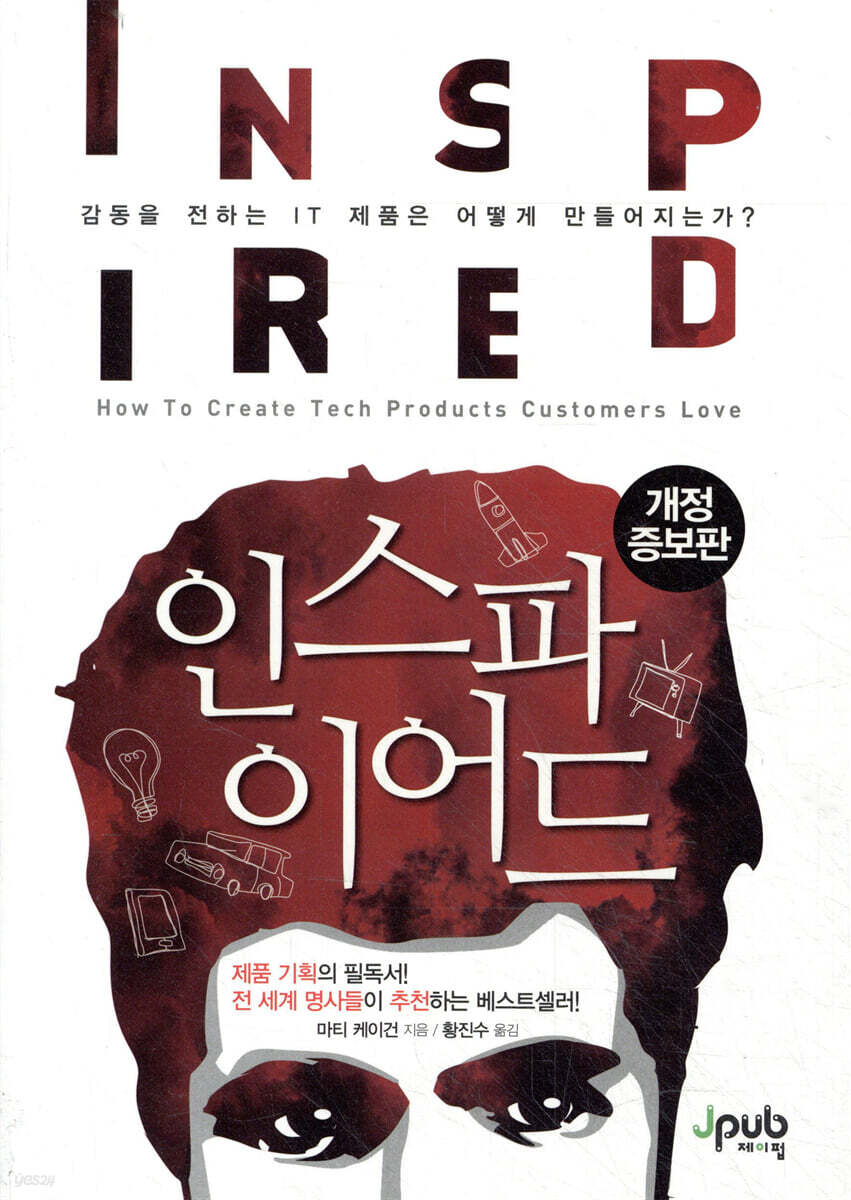
Why do some products become huge hits and others don't?
In the early days of the Internet industry, where a company was located had a huge impact on how it did business.
But today, the region has lost much meaning.
Meet the best companies and product teams from around the world.
However, there is still a big difference between how the best companies and teams work and how the rest of the average companies and teams work.
These unique differences come together to create the best technology products.
This book explains how the best product teams work.
I hope that readers of this book will achieve results through business innovation like the world's best teams.
In the early days of the Internet industry, where a company was located had a huge impact on how it did business.
But today, the region has lost much meaning.
Meet the best companies and product teams from around the world.
However, there is still a big difference between how the best companies and teams work and how the rest of the average companies and teams work.
These unique differences come together to create the best technology products.
This book explains how the best product teams work.
I hope that readers of this book will achieve results through business innovation like the world's best teams.
- You can preview some of the book's contents.
Preview
index
PART I: What I Learned from Top Tech Companies
CHAPTER 1: 5 People Who Lead Great Products
CHAPTER 2 Technology-Driven Products and Services 7
CHAPTER 3: Startups: Finding Product/Market Fit
CHAPTER 4 Growth Stage Companies: Scaling for Success 11
CHAPTER 5 Big Business: Continuous Product Innovation 13
CHAPTER 6: The Root Causes of Failed Products 15
CHAPTER 7 Beyond Lean and Agile 25
CHAPTER 8 KEY CONCEPTS 28
PART II People 37
CHAPTER 9: 40 Principles of a Strong Product Team
CHAPTER 10 PRODUCT MANAGER 51
CHAPTER 11 PRODUCT DESIGNER 66
CHAPTER 12 ENGINEER 74
CHAPTER 13 Product Marketing Manager 78
CHAPTER 14 Support Roles 82
CHAPTER 15 Case Study: Jane Manning, Google 86
CHAPTER 16 THE ROLE OF LEADERSHIP 90
CHAPTER 17 THE ROLE OF THE PRODUCT GENERAL 95
CHAPTER 18 THE ROLE OF THE CTO 104
CHAPTER 19 THE ROLE OF THE PRODUCT EXECUTION MANAGER 109
CHAPTER 20 Principles for Dividing Product Teams 111
CHAPTER 21 Case Study: Leah Hickman, Adobe 123
PART III PRODUCT 129
CHAPTER 22 The Problem with Product Roadmaps 134
CHAPTER 23 Alternatives to Product Roadmaps 137
CHAPTER 24 Product Vision and Product Strategy 145
CHAPTER 25 Principles of Product Vision 151
CHAPTER 26 1. Principles of Product Strategy 154
CHAPTER 27 PRODUCT PRINCIPLES 156
CHAPTER 28 OKR Techniques 161
CHAPTER 29 PRODUCT TEAM GOALS 164
CHAPTER 30 PRODUCT GOALS IN THE EXPANSION PHASE 170
CHAPTER 31 PRODUCT EVANCING 173
CHAPTER 32 Case Study: Alex Pressland, BBC 177
PART IV PROCESS 181
CHAPTER 33: Principles of Product Discovery 188
CHAPTER 34 Overview of Product Discovery Techniques 195
CHAPTER 35 Opportunity Evaluation Techniques 205
CHAPTER 36 Customer Letter Techniques 209
CHAPTER 37: The Startup Canvas Technique 213
CHAPTER 38 Story Map Techniques 219
CHAPTER 39: Customer Discovery Program Techniques 222
CHAPTER 40 Case Study: Martina Rochengo, Microsoft 236
CHAPTER 41 Customer Interviews 242
CHAPTER 42: GUIDE TESTING TECHNIQUES 246
CHAPTER 43: The Power of Customer Deviant Behavior 248
CHAPTER 44: Nuclear Day 252
CHAPTER 45: The Principles of Prototyping 258
CHAPTER 46 Feasibility Prototyping Techniques 260
CHAPTER 47 User Prototyping Techniques 263
CHAPTER 48 Live Data Prototyping Techniques 266
CHAPTER 49 Mixed Prototyping Techniques 269
CHAPTER 50 Usability Testing 275
CHAPTER 51: VALUE TEST 286
CHAPTER 52 Demand Testing Techniques 289
CHAPTER 53 Qualitative Value Testing Techniques 296
CHAPTER 54 Quantitative Value Testing Techniques 303
CHAPTER 55 Feasibility Testing 313
CHAPTER 56: BUSINESS VALIDITY TESTING 317
CHAPTER 57 Case Study: Kate Arnold, Netflix 325
CHAPTER 58 Product Discovery Sprint Techniques 330
CHAPTER 59 Pilot Team Techniques 335
CHAPTER 60 Breaking the Roadmap 337
CHAPTER 61 Managing Stakeholders 341
CHAPTER 62 Sharing Product Learning 350
CHAPTER 63 Case Study: Camille Hirst, Apple 352
PART V CULTURE 355
CHAPTER 64: Good Product Teams/Bad Product Teams 357
CHAPTER 65: 10 Reasons Why Innovation Is Lost 361
CHAPTER 66 10 Reasons You're Losing Speed 365
CHAPTER 67 Building a Strong Product Culture 368
CHAPTER 1: 5 People Who Lead Great Products
CHAPTER 2 Technology-Driven Products and Services 7
CHAPTER 3: Startups: Finding Product/Market Fit
CHAPTER 4 Growth Stage Companies: Scaling for Success 11
CHAPTER 5 Big Business: Continuous Product Innovation 13
CHAPTER 6: The Root Causes of Failed Products 15
CHAPTER 7 Beyond Lean and Agile 25
CHAPTER 8 KEY CONCEPTS 28
PART II People 37
CHAPTER 9: 40 Principles of a Strong Product Team
CHAPTER 10 PRODUCT MANAGER 51
CHAPTER 11 PRODUCT DESIGNER 66
CHAPTER 12 ENGINEER 74
CHAPTER 13 Product Marketing Manager 78
CHAPTER 14 Support Roles 82
CHAPTER 15 Case Study: Jane Manning, Google 86
CHAPTER 16 THE ROLE OF LEADERSHIP 90
CHAPTER 17 THE ROLE OF THE PRODUCT GENERAL 95
CHAPTER 18 THE ROLE OF THE CTO 104
CHAPTER 19 THE ROLE OF THE PRODUCT EXECUTION MANAGER 109
CHAPTER 20 Principles for Dividing Product Teams 111
CHAPTER 21 Case Study: Leah Hickman, Adobe 123
PART III PRODUCT 129
CHAPTER 22 The Problem with Product Roadmaps 134
CHAPTER 23 Alternatives to Product Roadmaps 137
CHAPTER 24 Product Vision and Product Strategy 145
CHAPTER 25 Principles of Product Vision 151
CHAPTER 26 1. Principles of Product Strategy 154
CHAPTER 27 PRODUCT PRINCIPLES 156
CHAPTER 28 OKR Techniques 161
CHAPTER 29 PRODUCT TEAM GOALS 164
CHAPTER 30 PRODUCT GOALS IN THE EXPANSION PHASE 170
CHAPTER 31 PRODUCT EVANCING 173
CHAPTER 32 Case Study: Alex Pressland, BBC 177
PART IV PROCESS 181
CHAPTER 33: Principles of Product Discovery 188
CHAPTER 34 Overview of Product Discovery Techniques 195
CHAPTER 35 Opportunity Evaluation Techniques 205
CHAPTER 36 Customer Letter Techniques 209
CHAPTER 37: The Startup Canvas Technique 213
CHAPTER 38 Story Map Techniques 219
CHAPTER 39: Customer Discovery Program Techniques 222
CHAPTER 40 Case Study: Martina Rochengo, Microsoft 236
CHAPTER 41 Customer Interviews 242
CHAPTER 42: GUIDE TESTING TECHNIQUES 246
CHAPTER 43: The Power of Customer Deviant Behavior 248
CHAPTER 44: Nuclear Day 252
CHAPTER 45: The Principles of Prototyping 258
CHAPTER 46 Feasibility Prototyping Techniques 260
CHAPTER 47 User Prototyping Techniques 263
CHAPTER 48 Live Data Prototyping Techniques 266
CHAPTER 49 Mixed Prototyping Techniques 269
CHAPTER 50 Usability Testing 275
CHAPTER 51: VALUE TEST 286
CHAPTER 52 Demand Testing Techniques 289
CHAPTER 53 Qualitative Value Testing Techniques 296
CHAPTER 54 Quantitative Value Testing Techniques 303
CHAPTER 55 Feasibility Testing 313
CHAPTER 56: BUSINESS VALIDITY TESTING 317
CHAPTER 57 Case Study: Kate Arnold, Netflix 325
CHAPTER 58 Product Discovery Sprint Techniques 330
CHAPTER 59 Pilot Team Techniques 335
CHAPTER 60 Breaking the Roadmap 337
CHAPTER 61 Managing Stakeholders 341
CHAPTER 62 Sharing Product Learning 350
CHAPTER 63 Case Study: Camille Hirst, Apple 352
PART V CULTURE 355
CHAPTER 64: Good Product Teams/Bad Product Teams 357
CHAPTER 65: 10 Reasons Why Innovation Is Lost 361
CHAPTER 66 10 Reasons You're Losing Speed 365
CHAPTER 67 Building a Strong Product Culture 368
Detailed image
.jpg)
Into the book
Working with these companies, I've discovered a significant difference in how the best companies build their products compared to most companies.
I felt that there was a huge difference between knowing the latest technology well and actually making it well.
--- p.
4
Product designers are not evaluated on the output of their design work, but on the success of their products.
For this reason, product designers face similar concerns as product managers.
We aim to deliver value to real customers and through products.
Additionally, they understand that their products are for business, and they take the business context into full consideration when designing their products.
Designers know better than anyone that user experience is just as important as functionality in customer value.
--- p.
67
There is no one-size-fits-all approach to product strategy.
And it's impossible to predict how things would have turned out if the actual execution had been different.
I tell people that the most advantageous option is to focus your product on one target market at a time.
--- p.
148
Product/market fit is a concept that can only be known when you see it with your own eyes.
It's a concept that shows happier customers, lower churn rates, faster sales cycles, and more rapid organic growth.
--- p.
234
There is no doubt that as most organizations grow, their capacity to rapidly and sustainably innovate diminishes.
And many believe that the cause of this phenomenon is issues with the quality of members, processes, and communication that come with expansion.
I felt that there was a huge difference between knowing the latest technology well and actually making it well.
--- p.
4
Product designers are not evaluated on the output of their design work, but on the success of their products.
For this reason, product designers face similar concerns as product managers.
We aim to deliver value to real customers and through products.
Additionally, they understand that their products are for business, and they take the business context into full consideration when designing their products.
Designers know better than anyone that user experience is just as important as functionality in customer value.
--- p.
67
There is no one-size-fits-all approach to product strategy.
And it's impossible to predict how things would have turned out if the actual execution had been different.
I tell people that the most advantageous option is to focus your product on one target market at a time.
--- p.
148
Product/market fit is a concept that can only be known when you see it with your own eyes.
It's a concept that shows happier customers, lower churn rates, faster sales cycles, and more rapid organic growth.
--- p.
234
There is no doubt that as most organizations grow, their capacity to rapidly and sustainably innovate diminishes.
And many believe that the cause of this phenomenon is issues with the quality of members, processes, and communication that come with expansion.
--- p.
347
347
Publisher's Review
Why do some products become huge hits and others don't?
A steady seller, "Inspired," a copy of which can be found on the bookshelves of technology companies around the world.
Meet again in a newly revised edition written by Marty Kagan!
How do today's most successful technology companies—Amazon, Google, Facebook, Netflix, Tesla—design, build, and launch products loved by billions of people around the world? Surprisingly, they do it in a very different way than the rest of the industry.
They integrate the right people and capabilities, find ways to discover the right products, and embrace effective, lean processes.
Through this book, readers can acquire the necessary information and immediately apply it to their own organizations to improve problems.
Author Marty Kagan uses case studies from the world's leading technology companies, including Adobe, Apple, BBC, Google, Microsoft, and Netflix, to explain what product managers need to do specifically to create technology products that customers love.
The first edition of "Inspired" has become a staple reference book for technical product managers.
This fully updated and revised edition will also be a must-read for them.
A steady seller, "Inspired," a copy of which can be found on the bookshelves of technology companies around the world.
Meet again in a newly revised edition written by Marty Kagan!
How do today's most successful technology companies—Amazon, Google, Facebook, Netflix, Tesla—design, build, and launch products loved by billions of people around the world? Surprisingly, they do it in a very different way than the rest of the industry.
They integrate the right people and capabilities, find ways to discover the right products, and embrace effective, lean processes.
Through this book, readers can acquire the necessary information and immediately apply it to their own organizations to improve problems.
Author Marty Kagan uses case studies from the world's leading technology companies, including Adobe, Apple, BBC, Google, Microsoft, and Netflix, to explain what product managers need to do specifically to create technology products that customers love.
The first edition of "Inspired" has become a staple reference book for technical product managers.
This fully updated and revised edition will also be a must-read for them.
GOODS SPECIFICS
- Date of publication: December 28, 2018
- Page count, weight, size: 408 pages | 152*201*30mm
- ISBN13: 9791188621484
- ISBN10: 1188621483
You may also like
카테고리
korean


korean

![GQ KOREA Mark (Monthly): December [2025]](http://librairie.coreenne.fr/cdn/shop/files/8ef265dbbfbf186523ed75ba7319009d.jpg?v=1765340328&width=3840)


