

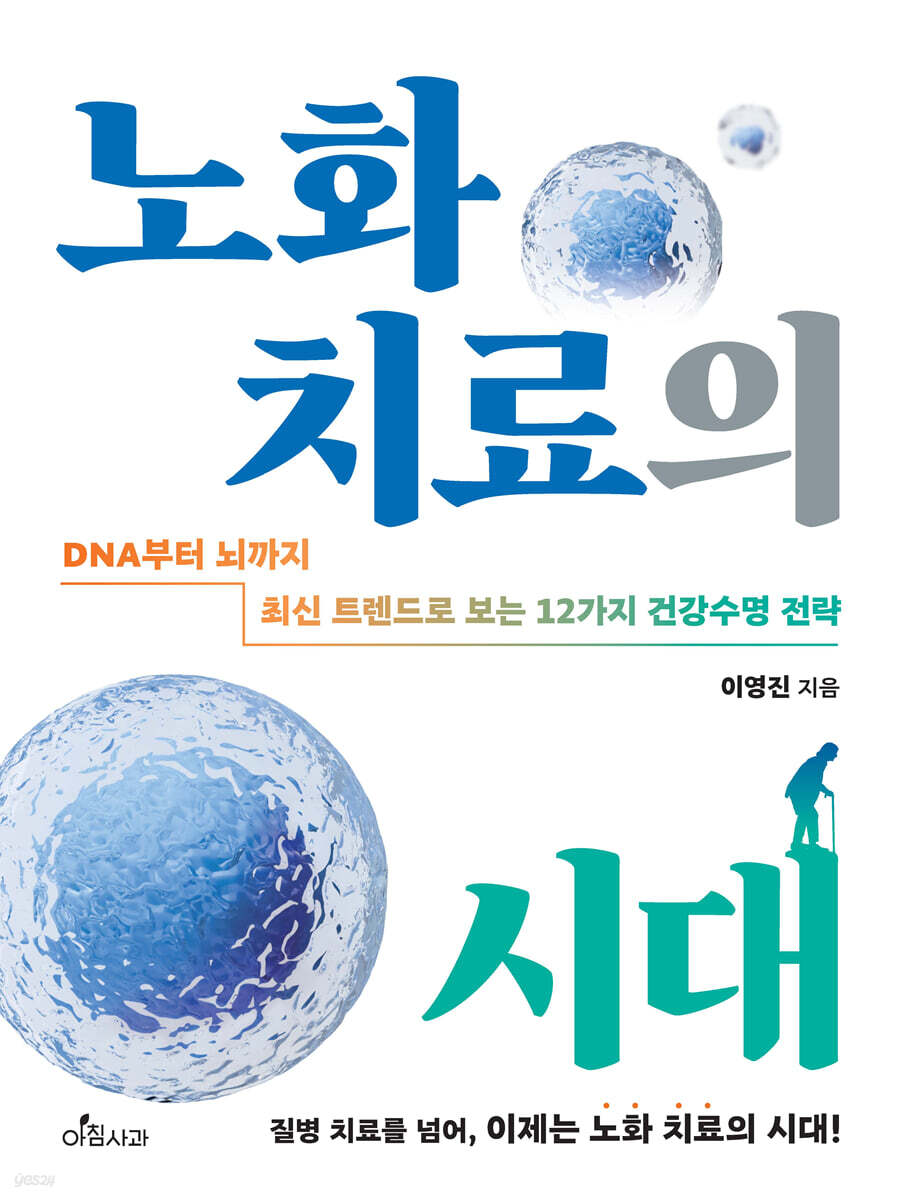
The era of anti-aging treatment
 |
Description
Book Introduction
"Why do some people look as energetic as they do in their 30s even at 70, while others start looking old at 50?"
Aging is not an inevitable fate, but rather a disease that can be diagnosed early and treated with personalized care, like diabetes or high blood pressure.
A groundbreaking medical paradigm that focuses on cell speed and a report on 12 strategies for a healthy lifespan.
From DNA damage to telomere shortening, zombie cells, and stem cell exhaustion?
Now is the time to clearly diagnose aging and scientifically intervene.
《The Age of Anti-Aging》 focuses on the ‘speed of cells.’
DNA damage occurs 100,000 times a day, telomeres shorten, which determines the limits of cell division, zombie cells (SASPs) that secrete inflammatory substances, and even a decline in autophagy function? All of these changes intertwine to create a vicious cycle of aging.
This book, based on the achievements of modern life science and aging biology, goes beyond simple theory and systematically organizes 12 biological mechanisms that cause aging.
Each topic provides specific information on the causes and diagnosis of damage, dietary and supplement therapies, and the latest clinical research and medical technologies reflecting global trends in aging treatment.
Beyond simple theory, this is a complete, practical guide with practical methods to reverse aging.
The important thing is not just to increase lifespan.
By proactively intervening before cellular changes begin, we guide you on the path to extending your healthy lifespan and fundamentally changing your quality of life.
Anyone can live a long, healthy and young life.
Now is the time to move beyond delay and towards reversal.
The author, Dr. Youngjin Lee, is a leading authority in the fields of aging medicine and integrative medicine in Korea, having been engaged in medical education, treatment, and research at Yonsei University College of Medicine and CHA University for over 40 years.
He authored Korea's first textbook on "Geriatric Medicine," established a model for anti-aging and natural product treatments, and founded numerous medical societies, leading the advancement of this field.
Currently, he is providing treatment at the Green Cross iMED Integrated Medicine Center and is actively conducting research on anti-aging natural products.
《The Age of Aging Therapy》 is the most practical and reliable roadmap for scientific aging management.
It's packed with strategies that anyone, even non-experts, can immediately implement in their daily lives, so it goes beyond mere knowledge and becomes a guide for driving real change.
Aging is not an inevitable fate, but rather a disease that can be diagnosed early and treated with personalized care, like diabetes or high blood pressure.
A groundbreaking medical paradigm that focuses on cell speed and a report on 12 strategies for a healthy lifespan.
From DNA damage to telomere shortening, zombie cells, and stem cell exhaustion?
Now is the time to clearly diagnose aging and scientifically intervene.
《The Age of Anti-Aging》 focuses on the ‘speed of cells.’
DNA damage occurs 100,000 times a day, telomeres shorten, which determines the limits of cell division, zombie cells (SASPs) that secrete inflammatory substances, and even a decline in autophagy function? All of these changes intertwine to create a vicious cycle of aging.
This book, based on the achievements of modern life science and aging biology, goes beyond simple theory and systematically organizes 12 biological mechanisms that cause aging.
Each topic provides specific information on the causes and diagnosis of damage, dietary and supplement therapies, and the latest clinical research and medical technologies reflecting global trends in aging treatment.
Beyond simple theory, this is a complete, practical guide with practical methods to reverse aging.
The important thing is not just to increase lifespan.
By proactively intervening before cellular changes begin, we guide you on the path to extending your healthy lifespan and fundamentally changing your quality of life.
Anyone can live a long, healthy and young life.
Now is the time to move beyond delay and towards reversal.
The author, Dr. Youngjin Lee, is a leading authority in the fields of aging medicine and integrative medicine in Korea, having been engaged in medical education, treatment, and research at Yonsei University College of Medicine and CHA University for over 40 years.
He authored Korea's first textbook on "Geriatric Medicine," established a model for anti-aging and natural product treatments, and founded numerous medical societies, leading the advancement of this field.
Currently, he is providing treatment at the Green Cross iMED Integrated Medicine Center and is actively conducting research on anti-aging natural products.
《The Age of Aging Therapy》 is the most practical and reliable roadmap for scientific aging management.
It's packed with strategies that anyone, even non-experts, can immediately implement in their daily lives, so it goes beyond mere knowledge and becomes a guide for driving real change.
- You can preview some of the book's contents.
Preview
index
Introduction: Now, Beyond 'Disease Treatment', 'Aging Treatment' · v
Chapter 1: Aging is like a disease that needs to be treated
Anti-aging therapy: A revolutionary medical paradigm that will extend healthy lifespan · 3
12 Key Topics for Treating Aging · 5
Chapter 2: Activation of DNA Damage Prevention and Repair Ability
Our cells experience 100,000 DNA damages every day. 21
Problems with the DNA Damage Repair System · 26
Genomic instability and epigenetic changes caused by DNA damage · 29
Accumulation of DNA damage is a major cause of senescent cells. 31
Minimizing DNA damage or improving its repair can slow aging and improve disease. · 34
Diagnostics of DNA Damage and Repair · 34
Lifestyle Habits That Help Prevent or Repair DNA Damage · 38
Nutrients, Foods, and Herbs That Help Prevent or Repair DNA Damage · 39
40 Pills That Prevent DNA Damage and Activate Repair
Recommended Dosage, Dosage, Side Effects, and Precautions for Major Herbs and Medicines · 42
Trends and Prospects of Recent Research Projects · 43
Chapter 3: Telomere Maintenance and Extension, Which Determines the Number of Cell Divisions
What Are Telomeres and Telomerase? · 49
Telomeres are susceptible to damage even in the absence of telomere shortening · 56
Telomerase, the Key to Youth and Aging · 58
Diagnosis of Telomere Length and Telomerase Activity · 65
Lifestyle Habits That Maintain and Extend Telomere Length · 68
Foods and Diets Proven to Protect and Maintain Telomere Length · 71
Herbs proven to extend telomeres and activate telomerase · 73
Natural Products and Supplements That Maintain and Extend Telomere Length · 75
Recommended Dosage, Dosage, Side Effects, and Precautions for Major Herbs and Pills · 77
Trends and Prospects of Recent Research Projects · 81
Chapter 4: Elimination of Senescent Cells and Zombie Cells That Promote Aging
What are senescent cells? · 87
Characteristics and Importance of Zombie Cells That Transmit Aging (SASP) · 93
Causes of Senescent Cells · 95
Removing senescent cells slows aging and improves disease · 97
Diagnostic Methods for Senescent Cells · 104
Lifestyle Habits That Help Remove Senescent Cells · 108
Foods and Nutrients Proven to Prevent or Eliminate Senescent Cells · 112
Herbs Reported to Prevent and Remove Senescent Cells · 115
Anti-aging treatments that target senescent cells · 118
Recommended Dosage, Dosage, Side Effects, and Precautions for Major Herbs and Pills · 133
Trends and Prospects of Recent Research Projects · 136
Chapter 5: Strengthening Autophagy to Recycle Waste
What is Autophagy? · 141
Failure to dispose of expired and damaged proteins poses a major problem · 142
Types of Autophagy Devices as Recycling Factories · 148
Causes of Weakened Autophagy · 152
Autophagy Disorders: A Causes of Accelerated Aging and Disease · 153
Boosting Autophagy Slows Aging and Improves Disease · 159
Diagnosing Autophagy Problems · 161
Lifestyle Habits That Boost Autophagy · 165
Foods and Herbs That Activate Autophagy · 174
Autophagy-enhancing pills with similar effects to news · 178
Recommended Dosage, Dosage, Side Effects, and Precautions for Major Herbs and Pills · 195
Trends and Prospects of Recent Research Projects · 202
Chapter 6: Reversing Cellular Aging by Modulating Epigenetic Changes
What is Epigenetic Change? · 207
4 Epigenetic Changes That Occur in Our Bodies · 209
Which is more important: DNA inherited from parents or epigenetic changes? · 219
Epigenetic Causes of Harmful Outcomes · 223
Why Epigenetic Changes Cause Aging, Cancer, and Disease · 224
Epi-Drug: A Drug That Turns Back the Epigenetic Clock to Fight Aging and Cancer · 226
Epigenetic Cellular Reprogramming: Possibility of Regaining Youth · 229
Diagnosis of Epigenetic Changes · 234
Lifestyle Habits, Foods, and Herbs That Create Beneficial Epigenetic Changes · 238
Anti-aging pills that modulate epigenetic changes · 241
Recommended Dosage, Dosage, Side Effects, and Precautions for Major Herbs and Pills · 252
Trends and Prospects of Recent Research Projects · 258
Chapter 7 Mitochondrial Activity
The Great Symbiosis of Cells and Mitochondria: A Lifelong Aging, Illness, and Death Together · 263
Mitochondria: Their Structure and Functions · 269
Five survival systems of mitochondria:
Antioxidant, sirtuin, mitophagy, division and fusion, migration, proliferation · 272
Why Mitochondrial Dysfunction Causes Aging and Disease · 275
Major Causes of Mitochondrial Dysfunction · 278
Diagnosis of Mitochondrial Dysfunction · 279
Two Non-Pharmacological Mitochondrial Enhancement Therapies: Calorie Restriction and Exercise · 281
Mitochondrial-Activating Herbs · 282
Mitochondrial Booster Pills · 283
Anti-aging and disease treatment using mitochondrial transplantation · 287
Recommended Dosage, Dosage, Side Effects, and Precautions for Major Herbs and Pills · 289
Trends and Prospects of Recent Research Projects · 293
Chapter 8: Replenishing NAD+, which declines rapidly with age
What is NAD+? A coenzyme required for over 400 reactions · 297
NAD+ decreases rapidly with age · 299
NAD+ Deficiency Causes Senescent Cell Accumulation and Diseases · 301
Diagnosis of NAD+ Abnormalities · 303
How to Replenish Reduced NAD+ · 304
Anti-aging treatments that combine NAD+ supplementation and senolytics · 309
Anticancer treatments that block cancer cells' use of NAD+ · 309
Recommended Dosage, Dosage, Side Effects, and Precautions for Major NAD+ Supplements · 311
Trends and Prospects of Recent Research Projects · 312
Chapter 9: Solving Stem Cell Depletion
The Stem Cell Trio: Embryonic Stem Cells, Induced Pluripotent Stem Cells, and Adult Stem Cells · 317
Aging Mechanisms and Treatment of Skin Stem Cells · 321
Aging Mechanisms and Treatment of Intestinal Stem Cells Affecting the Whole Body · 326
Aging Mechanisms and Treatment of Neuronal Stem Cells · 330
Aging Mechanisms and Treatment of Olfactory and Auditory Nerve Stem Cells · 333
Aging Mechanisms and Treatment of Muscle Stem Cells · 335
Aging Mechanisms and Treatment of Tendon and Ligament Stem Cells · 340
Aging Mechanisms and Treatment of Hepatic Stem Cells · 342
Aging Mechanisms and Treatment of Hematopoietic Stem Cells · 343
Two Common Anti-Aging Therapies Applicable to All Adult Stem Cell Aging · 345
Embryonic Stem Cell Therapy and Therapeutics · 346
Induced Pluripotent Stem Cell Therapy and Therapeutics · 348
Adipose-derived stem cell therapy and treatments · 351
Bone Marrow and Cord Blood Stem Cell Therapy · 361
Stem Cell Injections for Treating Aging and Dementia · 362
Trends and Prospects of Recent Research Projects · 369
Chapter 10: Improving Immunosenescence
What is immunosenescence? · 373
Various Mechanisms that Induce Immune Senescence · 379
Diseases Associated with Immune Senescence · 381
Diagnosis of Immune Function and Immune Senescence · 384
Special Features of the Immune System of Centenarians · 388
Advances in Cancer Immunotherapy Based on Immunosenescence Enhancement · 389
Lifestyle, Foods, and Nutrients That Improve Immune Senescence · 395
Herbs proven to improve immune senescence and immune regulation · 399
Pills and Supplements That Improve Immune Senescence · 401
Recommended Dosage, Dosage, Side Effects, and Precautions for Major Herbs and Pills · 404
Challenges and Prospects · 408
Chapter 11: Restoring Intercellular Communication Signal Disturbances
What is Intercellular Communication? · 411
Blood Factors That Promote Aging and Anti-Aging Factors · 413
Exosomes: A Long-Distance Communication Tool for Senescent Cells · 420
The Amazing Exosome That Treats Aging · 422
Cytoplasmic Bridge · 428
Intercellular communication channels, extracellular matrix · 431
Aging of the extracellular matrix that stiffens tissues · 435
Diseases Caused by Disrupted Communication in the Extracellular Matrix · 438
Natural products and pills that improve aging and disease through extracellular matrix regulation · 439
Recommended Dosage and Dosage of Key Natural Products for Correcting Intercellular Signaling Disturbances · 446
Challenges and Prospects · 452
Chapter 12 Correcting Gut Microbiota Imbalances
Humans and Gut Microbes Influence and Coevolve · 457
What Gut Microbes Do for Our Bodies · 461
Dysbiosis: A Causes of Aging and Disease · 477
Diagnosing Dysbiosis · 479
Differences in the Gut Microbiota of Normal, Long-Lived, and Frail Elderly · 484
Do Anti-Aging Pills Also Improve Gut Microbiome Imbalances? · 490
Is Improving Gut Microbiome an Anti-Aging Treatment? · 493
Probiotics, prebiotics, synbiotics, polyphenols, and postbiotics · 494
Gut Microbiota Transplantation (Fecological Microbiota Transplantation) and Aging Therapy · 498
A Newly Introduced Probiotic Therapy · 500
Diet and Exercise to Improve Gut Microbiota Imbalance · 506
Recommended Dosage, Dosage, Side Effects, and Precautions for Major Pills · 507
Challenges and Prospects · 514
Chapter 13: Control Tower: Expanding the Brain's Positive Plasticity
Do you have your own reasons for living a long and healthy life? · 519
What is Brain Plasticity? · 520
Changes in Neuroplasticity with Aging · 525
Methods Proven to Boost Positive Brain Plasticity · 526
Life Purpose: The Most Powerful Stimulus to Expand Brain Plasticity · 529
Conclusion · 533
Key References · 535
Chapter 1: Aging is like a disease that needs to be treated
Anti-aging therapy: A revolutionary medical paradigm that will extend healthy lifespan · 3
12 Key Topics for Treating Aging · 5
Chapter 2: Activation of DNA Damage Prevention and Repair Ability
Our cells experience 100,000 DNA damages every day. 21
Problems with the DNA Damage Repair System · 26
Genomic instability and epigenetic changes caused by DNA damage · 29
Accumulation of DNA damage is a major cause of senescent cells. 31
Minimizing DNA damage or improving its repair can slow aging and improve disease. · 34
Diagnostics of DNA Damage and Repair · 34
Lifestyle Habits That Help Prevent or Repair DNA Damage · 38
Nutrients, Foods, and Herbs That Help Prevent or Repair DNA Damage · 39
40 Pills That Prevent DNA Damage and Activate Repair
Recommended Dosage, Dosage, Side Effects, and Precautions for Major Herbs and Medicines · 42
Trends and Prospects of Recent Research Projects · 43
Chapter 3: Telomere Maintenance and Extension, Which Determines the Number of Cell Divisions
What Are Telomeres and Telomerase? · 49
Telomeres are susceptible to damage even in the absence of telomere shortening · 56
Telomerase, the Key to Youth and Aging · 58
Diagnosis of Telomere Length and Telomerase Activity · 65
Lifestyle Habits That Maintain and Extend Telomere Length · 68
Foods and Diets Proven to Protect and Maintain Telomere Length · 71
Herbs proven to extend telomeres and activate telomerase · 73
Natural Products and Supplements That Maintain and Extend Telomere Length · 75
Recommended Dosage, Dosage, Side Effects, and Precautions for Major Herbs and Pills · 77
Trends and Prospects of Recent Research Projects · 81
Chapter 4: Elimination of Senescent Cells and Zombie Cells That Promote Aging
What are senescent cells? · 87
Characteristics and Importance of Zombie Cells That Transmit Aging (SASP) · 93
Causes of Senescent Cells · 95
Removing senescent cells slows aging and improves disease · 97
Diagnostic Methods for Senescent Cells · 104
Lifestyle Habits That Help Remove Senescent Cells · 108
Foods and Nutrients Proven to Prevent or Eliminate Senescent Cells · 112
Herbs Reported to Prevent and Remove Senescent Cells · 115
Anti-aging treatments that target senescent cells · 118
Recommended Dosage, Dosage, Side Effects, and Precautions for Major Herbs and Pills · 133
Trends and Prospects of Recent Research Projects · 136
Chapter 5: Strengthening Autophagy to Recycle Waste
What is Autophagy? · 141
Failure to dispose of expired and damaged proteins poses a major problem · 142
Types of Autophagy Devices as Recycling Factories · 148
Causes of Weakened Autophagy · 152
Autophagy Disorders: A Causes of Accelerated Aging and Disease · 153
Boosting Autophagy Slows Aging and Improves Disease · 159
Diagnosing Autophagy Problems · 161
Lifestyle Habits That Boost Autophagy · 165
Foods and Herbs That Activate Autophagy · 174
Autophagy-enhancing pills with similar effects to news · 178
Recommended Dosage, Dosage, Side Effects, and Precautions for Major Herbs and Pills · 195
Trends and Prospects of Recent Research Projects · 202
Chapter 6: Reversing Cellular Aging by Modulating Epigenetic Changes
What is Epigenetic Change? · 207
4 Epigenetic Changes That Occur in Our Bodies · 209
Which is more important: DNA inherited from parents or epigenetic changes? · 219
Epigenetic Causes of Harmful Outcomes · 223
Why Epigenetic Changes Cause Aging, Cancer, and Disease · 224
Epi-Drug: A Drug That Turns Back the Epigenetic Clock to Fight Aging and Cancer · 226
Epigenetic Cellular Reprogramming: Possibility of Regaining Youth · 229
Diagnosis of Epigenetic Changes · 234
Lifestyle Habits, Foods, and Herbs That Create Beneficial Epigenetic Changes · 238
Anti-aging pills that modulate epigenetic changes · 241
Recommended Dosage, Dosage, Side Effects, and Precautions for Major Herbs and Pills · 252
Trends and Prospects of Recent Research Projects · 258
Chapter 7 Mitochondrial Activity
The Great Symbiosis of Cells and Mitochondria: A Lifelong Aging, Illness, and Death Together · 263
Mitochondria: Their Structure and Functions · 269
Five survival systems of mitochondria:
Antioxidant, sirtuin, mitophagy, division and fusion, migration, proliferation · 272
Why Mitochondrial Dysfunction Causes Aging and Disease · 275
Major Causes of Mitochondrial Dysfunction · 278
Diagnosis of Mitochondrial Dysfunction · 279
Two Non-Pharmacological Mitochondrial Enhancement Therapies: Calorie Restriction and Exercise · 281
Mitochondrial-Activating Herbs · 282
Mitochondrial Booster Pills · 283
Anti-aging and disease treatment using mitochondrial transplantation · 287
Recommended Dosage, Dosage, Side Effects, and Precautions for Major Herbs and Pills · 289
Trends and Prospects of Recent Research Projects · 293
Chapter 8: Replenishing NAD+, which declines rapidly with age
What is NAD+? A coenzyme required for over 400 reactions · 297
NAD+ decreases rapidly with age · 299
NAD+ Deficiency Causes Senescent Cell Accumulation and Diseases · 301
Diagnosis of NAD+ Abnormalities · 303
How to Replenish Reduced NAD+ · 304
Anti-aging treatments that combine NAD+ supplementation and senolytics · 309
Anticancer treatments that block cancer cells' use of NAD+ · 309
Recommended Dosage, Dosage, Side Effects, and Precautions for Major NAD+ Supplements · 311
Trends and Prospects of Recent Research Projects · 312
Chapter 9: Solving Stem Cell Depletion
The Stem Cell Trio: Embryonic Stem Cells, Induced Pluripotent Stem Cells, and Adult Stem Cells · 317
Aging Mechanisms and Treatment of Skin Stem Cells · 321
Aging Mechanisms and Treatment of Intestinal Stem Cells Affecting the Whole Body · 326
Aging Mechanisms and Treatment of Neuronal Stem Cells · 330
Aging Mechanisms and Treatment of Olfactory and Auditory Nerve Stem Cells · 333
Aging Mechanisms and Treatment of Muscle Stem Cells · 335
Aging Mechanisms and Treatment of Tendon and Ligament Stem Cells · 340
Aging Mechanisms and Treatment of Hepatic Stem Cells · 342
Aging Mechanisms and Treatment of Hematopoietic Stem Cells · 343
Two Common Anti-Aging Therapies Applicable to All Adult Stem Cell Aging · 345
Embryonic Stem Cell Therapy and Therapeutics · 346
Induced Pluripotent Stem Cell Therapy and Therapeutics · 348
Adipose-derived stem cell therapy and treatments · 351
Bone Marrow and Cord Blood Stem Cell Therapy · 361
Stem Cell Injections for Treating Aging and Dementia · 362
Trends and Prospects of Recent Research Projects · 369
Chapter 10: Improving Immunosenescence
What is immunosenescence? · 373
Various Mechanisms that Induce Immune Senescence · 379
Diseases Associated with Immune Senescence · 381
Diagnosis of Immune Function and Immune Senescence · 384
Special Features of the Immune System of Centenarians · 388
Advances in Cancer Immunotherapy Based on Immunosenescence Enhancement · 389
Lifestyle, Foods, and Nutrients That Improve Immune Senescence · 395
Herbs proven to improve immune senescence and immune regulation · 399
Pills and Supplements That Improve Immune Senescence · 401
Recommended Dosage, Dosage, Side Effects, and Precautions for Major Herbs and Pills · 404
Challenges and Prospects · 408
Chapter 11: Restoring Intercellular Communication Signal Disturbances
What is Intercellular Communication? · 411
Blood Factors That Promote Aging and Anti-Aging Factors · 413
Exosomes: A Long-Distance Communication Tool for Senescent Cells · 420
The Amazing Exosome That Treats Aging · 422
Cytoplasmic Bridge · 428
Intercellular communication channels, extracellular matrix · 431
Aging of the extracellular matrix that stiffens tissues · 435
Diseases Caused by Disrupted Communication in the Extracellular Matrix · 438
Natural products and pills that improve aging and disease through extracellular matrix regulation · 439
Recommended Dosage and Dosage of Key Natural Products for Correcting Intercellular Signaling Disturbances · 446
Challenges and Prospects · 452
Chapter 12 Correcting Gut Microbiota Imbalances
Humans and Gut Microbes Influence and Coevolve · 457
What Gut Microbes Do for Our Bodies · 461
Dysbiosis: A Causes of Aging and Disease · 477
Diagnosing Dysbiosis · 479
Differences in the Gut Microbiota of Normal, Long-Lived, and Frail Elderly · 484
Do Anti-Aging Pills Also Improve Gut Microbiome Imbalances? · 490
Is Improving Gut Microbiome an Anti-Aging Treatment? · 493
Probiotics, prebiotics, synbiotics, polyphenols, and postbiotics · 494
Gut Microbiota Transplantation (Fecological Microbiota Transplantation) and Aging Therapy · 498
A Newly Introduced Probiotic Therapy · 500
Diet and Exercise to Improve Gut Microbiota Imbalance · 506
Recommended Dosage, Dosage, Side Effects, and Precautions for Major Pills · 507
Challenges and Prospects · 514
Chapter 13: Control Tower: Expanding the Brain's Positive Plasticity
Do you have your own reasons for living a long and healthy life? · 519
What is Brain Plasticity? · 520
Changes in Neuroplasticity with Aging · 525
Methods Proven to Boost Positive Brain Plasticity · 526
Life Purpose: The Most Powerful Stimulus to Expand Brain Plasticity · 529
Conclusion · 533
Key References · 535
Detailed image

Into the book
introduction
Today, most of the diseases that reduce our lifespan and healthspan—cancer, brain and cardiovascular diseases, metabolic diseases, and degenerative neurological and musculoskeletal disorders—begin at the cellular level long before modern medical diagnostic and treatment guidelines were established.
And thanks to the intensive research over the past 20 years, we have come to understand its true nature to the point where it can be defined by a few condensed characteristics.
It involves accumulation of DNA damage and genomic instability, telomere shortening, epigenetic alterations, accumulation of senescent cells, loss of protein homeostasis and impaired autophagy, nutrient sensing dysfunction, mitochondrial dysfunction, immune senescence and stem cell exhaustion, alterations in intercellular signaling, and gut microbiota imbalance.
Abnormalities at these 11 cellular levels are disease states that are risk factors for most age-related diseases, much like high blood pressure is a risk factor for cardiovascular disease, and are hallmarks of aging.
Now is the time to ask ourselves the following questions about aging:
Is aging simply a natural process of growing older?
Or is it a disease that can be prevented and treated?
Recent advances in science and medicine provide strong evidence that aging should be considered a disease.
Aging is not simply a phenomenon that occurs over time.
12 Key Topics for Treating Aging
Medicine and science now recognize that aging is a complex, treatable biological process: the accumulation of DNA damage and a decline in its repair capacity, telomere shortening, the expansion of senescent cells, disruption of recycling systems, and problems with intercellular communication.
Over the past decade, hundreds of thousands of research papers on aging have been published, and since 2020, the number has grown at an astonishing rate each year.
This is because positive research results are emerging regarding the possibility of delaying, stopping, or reversing various aging phenomena, which were previously considered unavoidable physiological phenomena, through therapeutic intervention.
First, in this chapter, we will reorganize the characteristics of aging that have been identified over the past decade into several major themes to help readers gain a comprehensive understanding of aging.
Each of the major branches of the essential aging phenomenon is not a separate and independent phenomenon, but rather influences one another.
If one of these gets worse, the others get worse as well, but if one of these aging symptoms gets better, the others get better too.
--- p.5
Minimizing DNA damage or improving its repair can slow aging and improve disease.
Common ways to minimize DNA damage include a calorie-restricted diet, a healthy diet, sun protection, regular exercise, and taking antioxidants.
In fact, a summary of clinical studies that applied this preventive method to humans showed that DNA damage was reduced by an average of 20-30%.
If DNA damage continues to decrease in this way, it is likely to result in a slower aging process.
A more proactive approach is to strengthen our recovery systems, which become less efficient as we age.
In people who exercised regularly, DNA repair enzymes were activated by 30%, and regular consumption of plant polyphenols improved DNA damage repair rates by about 18%.
As we age, levels of NAD+ (a key enzyme involved in over 400 metabolic processes in our bodies) decline, but in mice that received supplementation, DNA repair enzymes were activated, radiation-induced DNA damage was reduced by 40%, and the average lifespan of the mice actually increased by about 20%.
In clinical studies, after administering a specific stimulant that directly activates DNA repair enzymes to 150 elderly people, repair efficiency improved by an average of 30-40%.
--- p.34
Lifestyle habits that help maintain and extend telomere length
The most powerful factor that shortens telomeres is stress.
Just looking at the study showing that women under chronic stress have telomere length shortening, on average, 10 years faster than those who aren't, shows just how quickly stress ages our cells. Specifically, chronic stress triggers inflammation and increases oxidative damage, damaging and shortening telomeres.
Chronic stress is also linked to telomere shortening, which is a major risk factor for chronic diseases such as cardiovascular disease, cancer, and even Alzheimer's disease.
So how should we manage stress? Three stress management methods have been proven effective in protecting telomeres: meditation, exercise, and social support. I'll explain exercise separately.
--- p.68
Recommended dosages, dosage, side effects, and precautions for major herbs and pills
When taking herbs and medicines, you must be aware of the recommended dosage, dosage method, and side effects.
Please check carefully as you may need to consult a doctor.
Centella asiatica leaf tea
? Recommended dosage and directions: Add 2-3g of dried purslane leaves to 250ml of boiling water and steep for 5-10 minutes. Drink twice a day as tea.
You can add honey or lemon according to your taste.
? Side effects and precautions: If you experience drowsiness or digestive problems (heartburn, nausea, abdominal pain, diarrhea, etc.), stop taking the drug for 2-3 days and start again at a lower dose.
If allergic symptoms appear, stop taking the medication immediately and, if severe, visit a hospital.
If you are taking anticoagulants or anti-thrombotic medications, it is recommended that you consult with your doctor.
Although rare, liver dysfunction can occur, so consult your doctor if you have liver disease.
If you are taking anticoagulants, antidepressants, or anti-anxiety medications, we recommend that you consult with your doctor before taking them.
--- p.133
Potential applications in future aging treatments
Effective and safe senolytic therapies could revolutionize the treatment of age-related diseases.
This requires an integrated approach using the latest technologies.
For example, an integrative approach combining senolytic drugs with other anti-aging therapies, including NAD+ supplements, is likely to be clinically viable.
If these efforts bear fruit, it would mark a revolutionary turning point in the treatment of diseases caused by aging cells.
Senolytics targeting senescent cells are crucial because, unlike conventional treatments that are applied after the onset of disease, they address the fundamental biological causes of aging.
Therefore, it could be a groundbreaking turning point in the prevention and treatment of age-related diseases such as cancer, cardiovascular disease, and neurodegenerative diseases.
Moreover, senolytics have the potential to contribute not only to extending lifespan but also to increasing healthy lifespan, potentially providing a solution to the growing frail elderly population worldwide.
--- p.137
Calorie Restriction-Mimetics: Pills That Work Likely Without Fasting or Dieting
So, what kinds of pills work to counteract the effects of dietary restriction? These drugs work by activating the same cellular survival systems activated by dietary restriction.
Representative pills expected to be applied clinically in the future include metformin, rapamycin, nicotinamide riboside and nicotinamide mononucleotide, resveratrol, fisetin, and quercetin, among other natural products.
Many clinical trials are still ongoing, and new compounds are being developed every year.
But remember, these drugs are just tools and not a panacea.
It is most effective when used in conjunction with healthy lifestyle habits such as a balanced diet, diet, regular exercise, sleep, and stress management, as mentioned previously.
Now, let's take a closer look at some of the promising pills in this field.
--- p.179
Epi-Drug: A drug that turns back the epigenetic clock to fight aging and cancer
How can we control these changes? Interestingly, scientists are reporting the potential to slow or reverse aging and treat diseases through "epigenetic cellular reprogramming," which involves regulating epigenetic changes to reverse or reset them.
Among the 'epigenetic cell reprogramming' methods, drugs used for anti-aging or cancer treatment are called epi-drugs.
Epi is a combination of Epi from Epigenetic and drug.
There are three reasons why this drug is important:
First, it promotes healthy aging. Various enzymes are responsible for epigenetic changes in DNA, adding various decorations like methyl and acetyl groups.
Therefore, drugs that regulate these enzymes are likely to be drugs that can regulate epigenetic changes in aging.
Second, it is to prevent and treat diseases.
It can help prevent the development of chronic diseases such as cancer and cardiovascular disease.
Third, it can be used in regenerative medicine to restore damaged tissues or organs.
--- pp.226-227
Anti-aging and disease treatment using mitochondrial transplantation
In recent years, autologous mitochondrial transplantation has demonstrated therapeutic efficacy, particularly in the treatment of metabolic, neurological, and cardiac diseases.
When mitochondria isolated from healthy rabbit heart tissue using techniques such as cell disruption and centrifugation were injected into the ischemic myocardial area, myocardial necrosis was significantly reduced and cardiac function was significantly improved.
In a porcine model, both single and serial transplantation of autologous mitochondria resulted in a significant reduction in myocardial infarction size.
A 2023 study reported that immediate mitochondrial transplantation after cardiac arrest significantly improved survival rates.
In addition to improving the heart, the therapeutic potential of mitochondrial transplantation has been confirmed in other organs as well.
Injection of mitochondria into a fatty liver disease model restored hepatocyte function, and lung function also improved in a lung disease model.
--- p.287
Attention Deficit Hyperactivity Disorder (ADHD) and Autism Spectrum Disorder
A 2020 report found that supplementation with Lactobacillus rhammosus or Lactobacillus plantarum in infancy can reduce the risk of developing the disease and improve the quality of life of patients.
Additionally, Bifidobacterium bifidus has been shown to help improve symptoms of attention deficit hyperactivity disorder (ADHD) through a mechanism that addresses gut microbiota imbalance.
Currently, clinical trials are underway to evaluate the safety and efficacy of GABA-producing Lactobacillus in patients with epilepsy, and a herbal treatment combining four strains of probiotics for the treatment of schizophrenia and epilepsy is also being tested.
--- p.503
What is brain plasticity?
Neuroplasticity refers to the brain's ability to change structurally and functionally by adapting to new stimuli.
In the past, it was thought that brain development was active only during childhood and became fixed after adulthood, but many studies have proven that brain plasticity continues throughout life.
Even in adulthood, between the ages of 20 and 60, brain plasticity can be reduced by stress, lack of sleep, and chronic inflammation, but new stimuli still allow brain cells to form new connections and restructure neural networks.
Therefore, even after middle age, if you continue to experience and learn new things, your brain will continue to enrich its neural network and become a large vessel with good tolerance and flexibility.
However, a brain that does not accept new things and does not learn will no longer create new neural networks, and will become a brain that lacks tolerance and insists that only its own thoughts are correct.
--- p.521
Among the organs of our body, the brain is a very precious organ.
Even though the number of brain neurons decreases with age, the special characteristic of plasticity allows the neural network to grow more abundantly than when we were younger.
The brain is an organ that grows by feeding on stimulation.
Stimuli that positively change the brain enter the brain through visual, auditory, and somatosensory neural pathways, and the brain processes these and has the power to change until death.
And this ability is something that everyone has equally.
Whether I live with a healthy brain or not depends not on things like academic background or financial ability, but on whether I live with my own goals.
--- p.531
First, think about your own reasons for living a long and healthy life.
If you can't think of anything, try making at least one small, simple goal to work towards for the rest of your life, starting now.
Building on that foundation of sleep, exercise, stress management, and a balanced diet, I hope you'll begin practicing the longevity methods introduced in this book, one by one, slowly but steadily, under the guidance of an expert, starting with the ones that best suit you.
This book is the starting point of a journey beyond 'inevitable aging' to 'reversible aging.'
I hope that this book can make a small contribution as a companion on that journey.
Extending healthy lifespan is ultimately the wisest choice to preserve quality and dignity in life, and it is the only power that allows me to lead my life in my own way until the end.
Today, most of the diseases that reduce our lifespan and healthspan—cancer, brain and cardiovascular diseases, metabolic diseases, and degenerative neurological and musculoskeletal disorders—begin at the cellular level long before modern medical diagnostic and treatment guidelines were established.
And thanks to the intensive research over the past 20 years, we have come to understand its true nature to the point where it can be defined by a few condensed characteristics.
It involves accumulation of DNA damage and genomic instability, telomere shortening, epigenetic alterations, accumulation of senescent cells, loss of protein homeostasis and impaired autophagy, nutrient sensing dysfunction, mitochondrial dysfunction, immune senescence and stem cell exhaustion, alterations in intercellular signaling, and gut microbiota imbalance.
Abnormalities at these 11 cellular levels are disease states that are risk factors for most age-related diseases, much like high blood pressure is a risk factor for cardiovascular disease, and are hallmarks of aging.
Now is the time to ask ourselves the following questions about aging:
Is aging simply a natural process of growing older?
Or is it a disease that can be prevented and treated?
Recent advances in science and medicine provide strong evidence that aging should be considered a disease.
Aging is not simply a phenomenon that occurs over time.
12 Key Topics for Treating Aging
Medicine and science now recognize that aging is a complex, treatable biological process: the accumulation of DNA damage and a decline in its repair capacity, telomere shortening, the expansion of senescent cells, disruption of recycling systems, and problems with intercellular communication.
Over the past decade, hundreds of thousands of research papers on aging have been published, and since 2020, the number has grown at an astonishing rate each year.
This is because positive research results are emerging regarding the possibility of delaying, stopping, or reversing various aging phenomena, which were previously considered unavoidable physiological phenomena, through therapeutic intervention.
First, in this chapter, we will reorganize the characteristics of aging that have been identified over the past decade into several major themes to help readers gain a comprehensive understanding of aging.
Each of the major branches of the essential aging phenomenon is not a separate and independent phenomenon, but rather influences one another.
If one of these gets worse, the others get worse as well, but if one of these aging symptoms gets better, the others get better too.
--- p.5
Minimizing DNA damage or improving its repair can slow aging and improve disease.
Common ways to minimize DNA damage include a calorie-restricted diet, a healthy diet, sun protection, regular exercise, and taking antioxidants.
In fact, a summary of clinical studies that applied this preventive method to humans showed that DNA damage was reduced by an average of 20-30%.
If DNA damage continues to decrease in this way, it is likely to result in a slower aging process.
A more proactive approach is to strengthen our recovery systems, which become less efficient as we age.
In people who exercised regularly, DNA repair enzymes were activated by 30%, and regular consumption of plant polyphenols improved DNA damage repair rates by about 18%.
As we age, levels of NAD+ (a key enzyme involved in over 400 metabolic processes in our bodies) decline, but in mice that received supplementation, DNA repair enzymes were activated, radiation-induced DNA damage was reduced by 40%, and the average lifespan of the mice actually increased by about 20%.
In clinical studies, after administering a specific stimulant that directly activates DNA repair enzymes to 150 elderly people, repair efficiency improved by an average of 30-40%.
--- p.34
Lifestyle habits that help maintain and extend telomere length
The most powerful factor that shortens telomeres is stress.
Just looking at the study showing that women under chronic stress have telomere length shortening, on average, 10 years faster than those who aren't, shows just how quickly stress ages our cells. Specifically, chronic stress triggers inflammation and increases oxidative damage, damaging and shortening telomeres.
Chronic stress is also linked to telomere shortening, which is a major risk factor for chronic diseases such as cardiovascular disease, cancer, and even Alzheimer's disease.
So how should we manage stress? Three stress management methods have been proven effective in protecting telomeres: meditation, exercise, and social support. I'll explain exercise separately.
--- p.68
Recommended dosages, dosage, side effects, and precautions for major herbs and pills
When taking herbs and medicines, you must be aware of the recommended dosage, dosage method, and side effects.
Please check carefully as you may need to consult a doctor.
Centella asiatica leaf tea
? Recommended dosage and directions: Add 2-3g of dried purslane leaves to 250ml of boiling water and steep for 5-10 minutes. Drink twice a day as tea.
You can add honey or lemon according to your taste.
? Side effects and precautions: If you experience drowsiness or digestive problems (heartburn, nausea, abdominal pain, diarrhea, etc.), stop taking the drug for 2-3 days and start again at a lower dose.
If allergic symptoms appear, stop taking the medication immediately and, if severe, visit a hospital.
If you are taking anticoagulants or anti-thrombotic medications, it is recommended that you consult with your doctor.
Although rare, liver dysfunction can occur, so consult your doctor if you have liver disease.
If you are taking anticoagulants, antidepressants, or anti-anxiety medications, we recommend that you consult with your doctor before taking them.
--- p.133
Potential applications in future aging treatments
Effective and safe senolytic therapies could revolutionize the treatment of age-related diseases.
This requires an integrated approach using the latest technologies.
For example, an integrative approach combining senolytic drugs with other anti-aging therapies, including NAD+ supplements, is likely to be clinically viable.
If these efforts bear fruit, it would mark a revolutionary turning point in the treatment of diseases caused by aging cells.
Senolytics targeting senescent cells are crucial because, unlike conventional treatments that are applied after the onset of disease, they address the fundamental biological causes of aging.
Therefore, it could be a groundbreaking turning point in the prevention and treatment of age-related diseases such as cancer, cardiovascular disease, and neurodegenerative diseases.
Moreover, senolytics have the potential to contribute not only to extending lifespan but also to increasing healthy lifespan, potentially providing a solution to the growing frail elderly population worldwide.
--- p.137
Calorie Restriction-Mimetics: Pills That Work Likely Without Fasting or Dieting
So, what kinds of pills work to counteract the effects of dietary restriction? These drugs work by activating the same cellular survival systems activated by dietary restriction.
Representative pills expected to be applied clinically in the future include metformin, rapamycin, nicotinamide riboside and nicotinamide mononucleotide, resveratrol, fisetin, and quercetin, among other natural products.
Many clinical trials are still ongoing, and new compounds are being developed every year.
But remember, these drugs are just tools and not a panacea.
It is most effective when used in conjunction with healthy lifestyle habits such as a balanced diet, diet, regular exercise, sleep, and stress management, as mentioned previously.
Now, let's take a closer look at some of the promising pills in this field.
--- p.179
Epi-Drug: A drug that turns back the epigenetic clock to fight aging and cancer
How can we control these changes? Interestingly, scientists are reporting the potential to slow or reverse aging and treat diseases through "epigenetic cellular reprogramming," which involves regulating epigenetic changes to reverse or reset them.
Among the 'epigenetic cell reprogramming' methods, drugs used for anti-aging or cancer treatment are called epi-drugs.
Epi is a combination of Epi from Epigenetic and drug.
There are three reasons why this drug is important:
First, it promotes healthy aging. Various enzymes are responsible for epigenetic changes in DNA, adding various decorations like methyl and acetyl groups.
Therefore, drugs that regulate these enzymes are likely to be drugs that can regulate epigenetic changes in aging.
Second, it is to prevent and treat diseases.
It can help prevent the development of chronic diseases such as cancer and cardiovascular disease.
Third, it can be used in regenerative medicine to restore damaged tissues or organs.
--- pp.226-227
Anti-aging and disease treatment using mitochondrial transplantation
In recent years, autologous mitochondrial transplantation has demonstrated therapeutic efficacy, particularly in the treatment of metabolic, neurological, and cardiac diseases.
When mitochondria isolated from healthy rabbit heart tissue using techniques such as cell disruption and centrifugation were injected into the ischemic myocardial area, myocardial necrosis was significantly reduced and cardiac function was significantly improved.
In a porcine model, both single and serial transplantation of autologous mitochondria resulted in a significant reduction in myocardial infarction size.
A 2023 study reported that immediate mitochondrial transplantation after cardiac arrest significantly improved survival rates.
In addition to improving the heart, the therapeutic potential of mitochondrial transplantation has been confirmed in other organs as well.
Injection of mitochondria into a fatty liver disease model restored hepatocyte function, and lung function also improved in a lung disease model.
--- p.287
Attention Deficit Hyperactivity Disorder (ADHD) and Autism Spectrum Disorder
A 2020 report found that supplementation with Lactobacillus rhammosus or Lactobacillus plantarum in infancy can reduce the risk of developing the disease and improve the quality of life of patients.
Additionally, Bifidobacterium bifidus has been shown to help improve symptoms of attention deficit hyperactivity disorder (ADHD) through a mechanism that addresses gut microbiota imbalance.
Currently, clinical trials are underway to evaluate the safety and efficacy of GABA-producing Lactobacillus in patients with epilepsy, and a herbal treatment combining four strains of probiotics for the treatment of schizophrenia and epilepsy is also being tested.
--- p.503
What is brain plasticity?
Neuroplasticity refers to the brain's ability to change structurally and functionally by adapting to new stimuli.
In the past, it was thought that brain development was active only during childhood and became fixed after adulthood, but many studies have proven that brain plasticity continues throughout life.
Even in adulthood, between the ages of 20 and 60, brain plasticity can be reduced by stress, lack of sleep, and chronic inflammation, but new stimuli still allow brain cells to form new connections and restructure neural networks.
Therefore, even after middle age, if you continue to experience and learn new things, your brain will continue to enrich its neural network and become a large vessel with good tolerance and flexibility.
However, a brain that does not accept new things and does not learn will no longer create new neural networks, and will become a brain that lacks tolerance and insists that only its own thoughts are correct.
--- p.521
Among the organs of our body, the brain is a very precious organ.
Even though the number of brain neurons decreases with age, the special characteristic of plasticity allows the neural network to grow more abundantly than when we were younger.
The brain is an organ that grows by feeding on stimulation.
Stimuli that positively change the brain enter the brain through visual, auditory, and somatosensory neural pathways, and the brain processes these and has the power to change until death.
And this ability is something that everyone has equally.
Whether I live with a healthy brain or not depends not on things like academic background or financial ability, but on whether I live with my own goals.
--- p.531
First, think about your own reasons for living a long and healthy life.
If you can't think of anything, try making at least one small, simple goal to work towards for the rest of your life, starting now.
Building on that foundation of sleep, exercise, stress management, and a balanced diet, I hope you'll begin practicing the longevity methods introduced in this book, one by one, slowly but steadily, under the guidance of an expert, starting with the ones that best suit you.
This book is the starting point of a journey beyond 'inevitable aging' to 'reversible aging.'
I hope that this book can make a small contribution as a companion on that journey.
Extending healthy lifespan is ultimately the wisest choice to preserve quality and dignity in life, and it is the only power that allows me to lead my life in my own way until the end.
--- p.534
Publisher's Review
We are entering an era where the saying "aging is a disease" is no longer unfamiliar.
As we age, we visit the hospital more often, fatigue doesn't go away, and the warning numbers on our health checkups keep increasing.
We accept this as 'natural aging' and consider it a natural process.
But now science speaks a completely different language.
"The Age of Aging Therapy" directly refutes this old common sense.
The author's clear argument is that aging, like hypertension and diabetes, is a "disease" that begins at the cellular level, and that it can be diagnosed early and treated according to the cause.
In fact, the core mechanisms of aging have been identified as genetic damage, telomere shortening, zombie cell accumulation, and NAD+ depletion, and research and clinical trials to improve these are already actively underway.
We have entered an era where it is possible to live a long life, not just a long life, but a healthy life until the very end.
However, cellular aging begins in your 30s, and if you don't start now, you'll miss the chance to reverse it.
Insights from a 40-year veteran aging specialist, building on scientific foundations to establish feasibility.
The author, Dr. Youngjin Lee, graduated from Yonsei University College of Medicine and is a medical scientist and clinician who has been engaged in medical education, research, and treatment at Yonsei University College of Medicine and CHA University for over 40 years.
He wrote the first textbook on "Geriatric Medicine" in Korea and is a pioneer in establishing a domestic model of aging medicine and integrative medicine centered on antioxidant therapy and natural product treatment.
This book is the result of the author's decades of clinical experience treating patients, integrating it with the latest advances in life sciences.
As a neurologist and family medicine specialist, his clinical expertise is deeply reflected, as are the cutting-edge trends in aging research, including stem cells, NAD+, autophagy promotion, and epigenetic regulation.
The narrative, which explains the complexities of medicine in an easy-to-understand manner while never compromising on expertise, simultaneously inspires trust and a desire to practice in readers.
12 Mechanisms That Accelerate Aging, And Scientific Strategies to Reverse It
This book views aging not as a single disease, but as a complex set of twelve interconnected biological mechanisms. These processes—accumulation of DNA damage, telomere shortening, proliferation of zombie cells, mitochondrial decline, stem cell depletion, gut microbiota imbalance, and decreased brain plasticity—all accelerate one another and accelerate the aging process.
The important thing is that this mechanism is not simply a theory.
For each topic, the author presents evidence-based clinical research and techniques that reflect the causes and diagnosis of damage, dietary and supplement therapies, and global trends in aging treatment.
In particular, strategies such as promoting autophagy, senolytic drugs, NAD+ supplements, and stem cell therapy are presented as strategies that can be immediately applied to the general reader's daily life.
This book unfolds like a health blueprint, offering a concrete roadmap for breaking the vicious cycle of aging.
A guide to opening an era of reversing aging, not just slowing it down.
"The Age of Aging Therapy" is not just a book that provides health information.
Based on scientifically proven facts, this practical content empowers readers to take action on aging and transform their lives.
Aging is no longer a natural process to be accepted.
Now, by intervening before DNA damage occurs and managing the subtle changes within cells, a path is open for everyone to live a long, healthy and youthful life.
This book, which encapsulates the insights of a physician, the practical experience of a clinician, and the vision of a researcher, will become the most practical and reliable guide to aging management.
It contains strategies that anyone, even non-experts, can immediately implement in their daily lives, enabling them to create real change that goes beyond mere knowledge and leads to action.
From turning back 10 years of your biological age in three months to achieving a healthy lifespan of 100? This book is all you need.
As we age, we visit the hospital more often, fatigue doesn't go away, and the warning numbers on our health checkups keep increasing.
We accept this as 'natural aging' and consider it a natural process.
But now science speaks a completely different language.
"The Age of Aging Therapy" directly refutes this old common sense.
The author's clear argument is that aging, like hypertension and diabetes, is a "disease" that begins at the cellular level, and that it can be diagnosed early and treated according to the cause.
In fact, the core mechanisms of aging have been identified as genetic damage, telomere shortening, zombie cell accumulation, and NAD+ depletion, and research and clinical trials to improve these are already actively underway.
We have entered an era where it is possible to live a long life, not just a long life, but a healthy life until the very end.
However, cellular aging begins in your 30s, and if you don't start now, you'll miss the chance to reverse it.
Insights from a 40-year veteran aging specialist, building on scientific foundations to establish feasibility.
The author, Dr. Youngjin Lee, graduated from Yonsei University College of Medicine and is a medical scientist and clinician who has been engaged in medical education, research, and treatment at Yonsei University College of Medicine and CHA University for over 40 years.
He wrote the first textbook on "Geriatric Medicine" in Korea and is a pioneer in establishing a domestic model of aging medicine and integrative medicine centered on antioxidant therapy and natural product treatment.
This book is the result of the author's decades of clinical experience treating patients, integrating it with the latest advances in life sciences.
As a neurologist and family medicine specialist, his clinical expertise is deeply reflected, as are the cutting-edge trends in aging research, including stem cells, NAD+, autophagy promotion, and epigenetic regulation.
The narrative, which explains the complexities of medicine in an easy-to-understand manner while never compromising on expertise, simultaneously inspires trust and a desire to practice in readers.
12 Mechanisms That Accelerate Aging, And Scientific Strategies to Reverse It
This book views aging not as a single disease, but as a complex set of twelve interconnected biological mechanisms. These processes—accumulation of DNA damage, telomere shortening, proliferation of zombie cells, mitochondrial decline, stem cell depletion, gut microbiota imbalance, and decreased brain plasticity—all accelerate one another and accelerate the aging process.
The important thing is that this mechanism is not simply a theory.
For each topic, the author presents evidence-based clinical research and techniques that reflect the causes and diagnosis of damage, dietary and supplement therapies, and global trends in aging treatment.
In particular, strategies such as promoting autophagy, senolytic drugs, NAD+ supplements, and stem cell therapy are presented as strategies that can be immediately applied to the general reader's daily life.
This book unfolds like a health blueprint, offering a concrete roadmap for breaking the vicious cycle of aging.
A guide to opening an era of reversing aging, not just slowing it down.
"The Age of Aging Therapy" is not just a book that provides health information.
Based on scientifically proven facts, this practical content empowers readers to take action on aging and transform their lives.
Aging is no longer a natural process to be accepted.
Now, by intervening before DNA damage occurs and managing the subtle changes within cells, a path is open for everyone to live a long, healthy and youthful life.
This book, which encapsulates the insights of a physician, the practical experience of a clinician, and the vision of a researcher, will become the most practical and reliable guide to aging management.
It contains strategies that anyone, even non-experts, can immediately implement in their daily lives, enabling them to create real change that goes beyond mere knowledge and leads to action.
From turning back 10 years of your biological age in three months to achieving a healthy lifespan of 100? This book is all you need.
GOODS SPECIFICS
- Date of issue: October 1, 2025
- Page count, weight, size: 560 pages | 170*225*35mm
- ISBN13: 9791159435287
- ISBN10: 1159435286
You may also like
카테고리
korean


korean

![GQ KOREA Mark (Monthly): December [2025]](http://librairie.coreenne.fr/cdn/shop/files/8ef265dbbfbf186523ed75ba7319009d.jpg?v=1765340328&width=3840)


