

Korean Feng Shui Figures
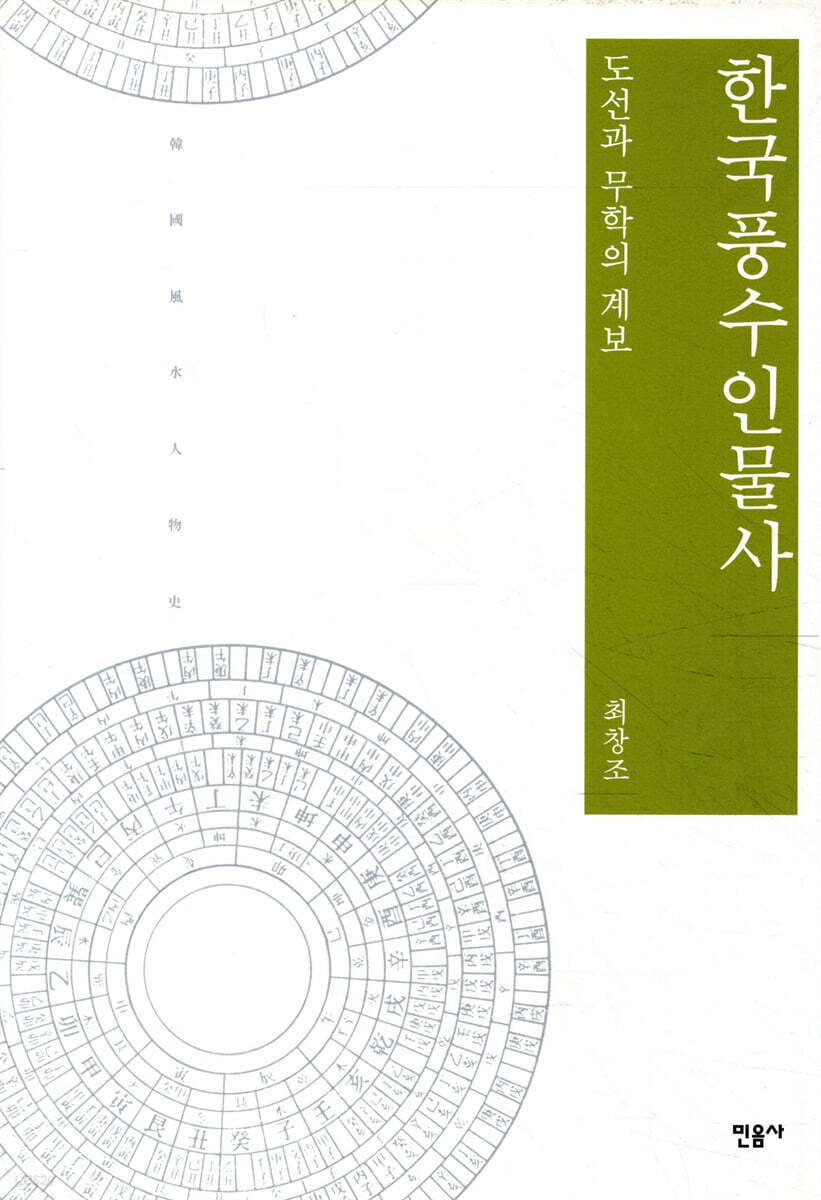 |
Description
Book Introduction
Is Feng Shui a foreign philosophy brought from China?
The grand history of our native feng shui
Is feng shui truly a foreign concept imported from China? Is this idea, rooted in the theory of yin-yang and the five elements, that a well-chosen burial site will bring blessings to descendants, truly a uniquely Korean idea? The author points out that this theory of sympathetic energy (同氣感應說) originated from the "Golden Box Sutra" (金囊經) by Guo Pu (郭璞), a figure from the Eastern Jin Dynasty.
However, on the other hand, it is said that such thoughts arose very naturally, so they existed even before the 『Golden Noodles』, and in fact, similar ideas can be found in literature such as the 『Book of Changes』.
The problem is that this selfish feng shui and yin house feng shui, which only wish for good fortune, have been thought to be the entirety of feng shui and our own unique ideology.
In fact, secret burials, where graves are secretly built in other people's auspicious sites, were not uncommon until recently, and during the Joseon Dynasty, Kwon Do criticized feng shui as a sorcery, but he built the grave of his father, Kwon Geun, in the best auspicious site, and was criticized by King Sejong.
The purpose of writing this book is to rediscover Feng Shui, which has been dismissed as a selfish art that only focuses on the fortune of one's own family, as a unique way of relating to nature that we have experienced while living on this land for thousands of years.
The author argues that although it is clear that Chinese feng shui, which arrived through the Tang Dynasty around the Silla Dynasty, had a great influence, it is our own 'indigenous feng shui' that has been passed down from ancient times, not such selfish feng shui.
And to find its origins and history, he searches for prehistoric tombs, folk tales in Samguk Yusa, and historical records in the Annals of the Joseon Dynasty. At the same time, he personally searches famous mountains and temples across the country and even goes to North Korea to conduct field research, following the feng shui principle of "don't say what you haven't seen."
He also visits rural elders to record oral traditions that have been passed down, and meets monks directly to hear their stories in order to retrace the reformist ideas of the monks.
index
Recommendation 1: While Reading "History of Korean Feng Shui Figures" | Kim Du-gyu
Recommendation 2: Master Choi Chang-jo and My Love of Feng Shui | Park Soo-jin
preface
Common Myths About Nature | Nature as a Disaster | The Beauty of Nature | Beauty is Compassion
introduction
Part 1: The Origins of Native Feng Shui
Chapter 1: Native Feng Shui is a subjective theory of geomancy.
Chapter 2: Geography before the establishment of feng shui
1.
Definition of Feng Shui
2.
Discussion on the origins of feng shui
3.
Traces of Ancient Feng Shui 1: Naju Mahan Tombs, Goseong Tombs, and King Suro's Tomb
4.
Traces of Ancient Feng Shui 2: An-ak Tomb No. 3
Characteristics of Native Feng Shui: Plausible and Effective
Chapter 3: The First Records: King Talhae and Queen Seondeok
1.
King Talhae
2.
Queen Seondeok
3.
Seonggi place name and Dogapsa Temple
The Complementarity of Native Feng Shui: Humans are the Masters, and Nature is the Master.
Part 2: Doseon Guksa
Chapter 4: The Appearance of the Do-seon
1.
Who is Dosun?
2.
Doseon's birth background
3.
The Wanderings of a Do-seon
4.
『The Secret of the Taoist Path』
Silsangsa Temple, a nationalist feng shui site
Chapter 5: Dosun's Feng Shui Thoughts
1.
Is Dosun's feng shui indigenous feng shui?
2.
Characteristics of Doseon's feng shui philosophy
3.
『Doseon Dapsanga』 and 『Okryongjayu Sebirok』
The characteristics of indigenous feng shui: Bibo Seong: The geography of correction
Chapter 6: Traces of the Conductor
Taeansa Temple in Dongnisan Mountain | Unjusa Temple in Hwasun County | Five-story Stone Pagoda in Wanggung-ri, Pocheon | Baekmasan Mountain in Gwangju | Examples of Bibo Feng Shui: Gaeseong | Doseon's Birthplace: Okryongsa Temple in Gwangyang | In Search of Doseon's Traces: Okryongsa Temple Site in Gwangyang
Chapter 7: Descendants of the Dosun
1.
Dosun's disciples
2.
Tongmaek (通脈) Feng Shui
3.
Myocheong and Shin Don
Myocheong | Myocheong's Dream of the West: A Trip to Pyongyang | Shin Don | Shin Don as a Reformer | The Tale of Ddaengchu | A Trip to Bibo's Feng Shui: Seongbulsa Temple on Jeongbangsan Mountain
4.
The Twilight of Goryeo Fengshui
A textbook example of geomantic auspiciousness: the tomb of King Gongmin | The epitome of Korean feng shui: the tomb of King Taejo Wang Geon | Harmony with nature: Manwoldae in Gaegyeong | Doseon's national treasure
The characteristic political nature of indigenous feng shui: the dream of a new world
Part 3: Ambassador Muhak
Chapter 8: The Life of Muhak
1.
The emergence of Muhak
2.
The birth story of Muhak
3.
Records of Muhak
The Legend of Sangiam Hermitage in Seongsusan Mountain | The Poetry of Maisan Mountain | The Relationship Between Martial Arts and the Royal Family | Disparagement of Martial Arts | The Big Record of Martial Arts | The Legend of the Construction of Hanyang's Capital | Why Martial Arts Was Hidden
Characteristics of Native Feng Shui: Self-love: I am the center.
Muhak's Secret Feng Shui | Hoapsa Temple and Sajaam Hermitage | Muhak's Stupa | Taejo's Geonwonreung Tomb | A Field Trip to Hoeamsa Temple in Yangju
The Unknown Characteristics of Native Feng Shui: The Logic of Illegibility
Chapter 9: The Mission to Hanyang
1.
Seoul's history as the capital
2.
Seoul's abacus debate
3.
Discussion on the Gyeryongsan Mountain Transmission
The Feng Shui of Gyeryongsan Mountain | Other Candidate Sites | Hanyang Fire Prevention Strategies | Kwon Geun and Kwon Do | An Explanation from the "Taekriji"
Adaptability: Connects to all areas of life.
Part 4: Joseon's Feng Shui Masters
Chapter 10: Fengshui Masters of the Early Joseon Dynasty
Chapter 11 King Sejong and Scientific Feng Shui
Chapter 12: Feng Shui of the Four Great Principles of the Ancestors
Chapter 13: Fengshui Masters of the Mid-Joseon Dynasty
1.
Namsago
2.
Easy
3.
Yi Ui-shin and the theory of transferring the capital to Gyoha
Kyoha Field Trip
4.
Park Sang-ui
The characteristics of native feng shui: convenience: faithful to reality rather than ideals.
Part 5: Sunset of Native Feng Shui
Chapter 14: Lee Jung-hwan and Jeong Yak-yong
1.
Lee Jung-hwan and 『Taekriji』
2.
Jeong Yak-yong's view of geography
Chapter 15: From Hong Gyeong-rae to Donghak
1.
Hong Gyeong-rae's Northwestern Rebellion
2.
From Hong Gyeong-rae to Jeon Bong-jun
3.
Jeon Bong-jun and Donghak
Jeongeup Donghak Investigation Report | Choi Je-woo | Sunset's Afterglow: A Case of Sad News in Jinan County, North Jeolla Province
Part 6: The Genealogy and Present of Native Feng Shui
Chapter 16: What is Native Feng Shui?
1.
Symbiotic harmony between people and the land
2.
How to find a site in native feng shui
Conclusion and Outlook
Note
Search
Publisher's Review
The author argues that although it is clear that Chinese feng shui, which arrived through the Tang Dynasty around the Silla Dynasty, had a great influence, it is our own 'indigenous feng shui' that has been passed down from ancient times, not such selfish feng shui.
And to find its origins and history, he searches for prehistoric tombs, folk tales in Samguk Yusa, and historical records in the Annals of the Joseon Dynasty. At the same time, he personally searches famous mountains and temples across the country and even goes to North Korea to conduct field research, following the feng shui principle of "don't say what you haven't seen."
He also visits rural elders to record oral traditions that have been passed down, and meets monks directly to hear their stories in order to retrace the reformist ideas of the monks.
What the author has discovered through such works is that even before the first recorded history, such as that of King Talhae and Queen Seondeok, there were traces of simple, indigenous feng shui.
For example, the stone pagoda at Queen Heo's tomb in Gimhae is an example of geomancy, and Tomb No. 3 in An-ak, North Korea, is an example of a tomb built on a geomantic terrain.
After that, at the end of the Silla Dynasty, the national teacher Doseon met a strange man on Jirisan Mountain and learned feng shui, and this was when indigenous feng shui began in earnest.
The indigenous feng shui of Doseon has the characteristic of supplementing (裨補, helping to fill in what is lacking), which makes it clearly different from Chinese feng shui.
This is not a feng shui of 'finding good land', but a feng shui of 'fixing this place now and making it good land', a yang feng shui that values a harmonious life rather than a selfish yin feng shui, and a 'human geography' that seeks to live in harmony with nature.
Moreover, this reality leads to reform of the absurd present.
In fact, Doseon's feng shui continued until the Goryeo Dynasty, giving rise to various national treasure feng shui, and was also expressed as a new era idea by people like Ddaengchu and Myocheong.
And finally, it was expressed in real politics through the figure of Great Master Muhak, the main character in the founding of Joseon, and remains with us in the form of the hatch in front of Gwanghwamun and the vertically written signboard of Sungnyemun.
Although it is described negatively in the records of Joseon, which revered Confucianism, the spirit of feng shui of Muhak was passed down to the three great leaders of Donghak, namely Choi Ho-won, Hong Gyeong-rae, and Jeon Bong-jun.
The author reveals that the spirit of indigenous feng shui has always existed where human-centered reality and love for the land meet, and emphasizes that this is a unique worldview developed by us who have lived and settled entirely on this land, different from the geographical concepts developed in China or elsewhere.
Feng Shui of the Past, Feng Shui of the Future
The message the author is trying to convey through this book is clear.
If this land we live in is our mother's bosom, then we must live together while healing and nurturing its sick parts.
In this respect, the author points out that feng shui serves as a good guide to correcting the Western environmental determinism that blindly advocates nature preservation or that the environment determines everything.
Native feng shui begins with the clear recognition that "there is no such thing as perfect land," and its virtue lies in never losing sight of the key word: the symbiotic harmony between people and nature.
Recently, there has been a lot of interest in traditional feng shui in both the East and the West, to the extent that 'interior feng shui', which originated in the West, is being imported back.
Now, our feng shui is breaking away from the old people's method of arranging grave sites and is being reborn as a unique geography that anticipates the concept of catena (spatial connection of soil) of modern geography by hundreds of years (Recommendation 2) and a new humanities that encompasses various academic disciplines (Recommendation 1).
Our own 'Korean fungsulogy', which is not the Chinese 'Feng Shui', is a unique system of thought that contains universal truths about humans and nature within its special nature.
Through this book, readers will be able to confirm the long history of our feng shui and encounter the wise worldview of our ancestors who lived on this land.
GOODS SPECIFICS
- Date of issue: December 9, 2013
- Format: Hardcover book binding method guide
- Page count, weight, size: 532 pages | 152*225*35mm
- ISBN13: 9788937488726
- ISBN10: 8937488728
You may also like
카테고리
korean


korean


