

Tree Fruit Picnic Guide
 |
Description
Book Introduction
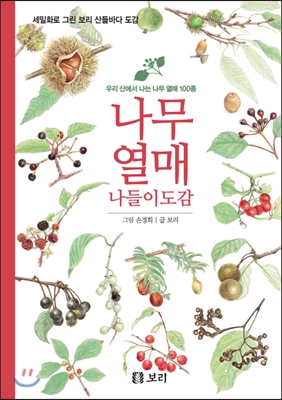
『Tree Fruit Picnic Guide』 contains 100 types of tree fruits grown in our mountains.
It contains a wide variety of summer berries, autumn berries, red berries, black berries, delicious berries, inedible berries, and berries that wild animals like squirrels love.
『Tree Fruit Picnic Guide』 is a detailed drawing drawn by directly observing and seeing living trees.
You can learn everything about the tree's fruit, including what it looks like, what color it is, what kind of flowers it blooms with, when it ripens, whether it's edible, and what other uses it has.
It contains a wide variety of summer berries, autumn berries, red berries, black berries, delicious berries, inedible berries, and berries that wild animals like squirrels love.
『Tree Fruit Picnic Guide』 is a detailed drawing drawn by directly observing and seeing living trees.
You can learn everything about the tree's fruit, including what it looks like, what color it is, what kind of flowers it blooms with, when it ripens, whether it's edible, and what other uses it has.
- You can preview some of the book's contents.
Preview
index
Note 4
Find it in pictures 8
Fruit from trees growing in our mountains
Summer mountain tree fruit
red berries
Paper mulberry 22
Omija 23
Raspberry 24
Bearberry 25
Strawberry 26
Strawberry 27
28 raw yew tree
Rose 29
30 apricot trees
Israel 31
Elderberry 32
Beaded Dangdang 33
Grass-colored fruit
Elm 34
Peach 35
black fruit
Mulberry 36
Bokbunja Strawberry 37
38 Guirung tree
King Cherry Tree 39
Wild Cherry Tree 40
41 sagebrush tree
Boxwood 42
Songak 43
Autumn mountain tree fruit
Night fruit
46 zelkova trees
47 dogwood trees
Pine tree 48
Pine Tree 49
50 cypress trees
51 walnut trees
Phellodendron 52
Water maple 53
Hazelnut 54
55 zelkova trees
Chestnut 56
57 oak trees
Oak 58
Oak Tree 59
Oak 60
Zelkova 61
62 oak
Thorn Tree 63
64 creeper
Pear tree 65
66 broom tree
Pepper tree 67
Maple 68
69 walnut tree
Pine tree 70
Goyom tree 71
Ash tree 72
red berries
Attention 73
Pine tree 74
Cudrania tricuspidata 75
Barberry 76
77
Crow's Nest Tree 78
Thorn tree 79
Hawthorn 80
Glow-in-the-dark tree 81
Maga tree 82
Red bean tree 83
Red Tree 84
Arrow tree 85
Repentance Tree 86
87
Nobakdengivul 88
Garden barley tree 89
Bodhi tree 90
Cornelian cherry 91
Cornus officinalis 92
93 little ash tree
Nurijangnamu 94
Lesser Pheasant Tree 95
96 sagebrush
White sugar tree 97
Gwaebulnamu 98
Green Mirae Vine 99
black fruit
100 cedar trees
Old Oak 101
Punggeum tree 102
Dogwood 103
Ginger tree 104
Chickweed 105
Soybean tree 106
Chopi tree 107
Prickly ash tree 108
Phellodendron 109
Wangmeoru 110
Gaemoroo 111
Eumnamu 112
Ogalpi tree 113
Layered tree 114
Gwangnamu 115
116 privet tree
Indongdengul 117
Bluethorn 118
Grass-colored fruit
Mistletoe 119
Camellia japonica 120
Bamboo tree 121
122 dogwoods
Da-rae 123
Learn more about tree fruits
Fruit appearance
Various fruit shapes 126
Soft fruit, hard fruit 128 Acorn 130
Pine Cone 132
Our useful trees
Delicious Tree Fruit 134
Oil-pressing tree fruit 136
138 Medicinal Fruits
140 Fruits of the Tree That Extracts Paint
142 Fruits You Can't Eat and Fruits You Should Be Careful of
Famine relief plants 144
Growing fruit trees
Planting Fruit Trees 146
Fruit Tree Care 148
Search
Look up scientific names 152
Korean word search 155
Reference Book 158
Find it in pictures 8
Fruit from trees growing in our mountains
Summer mountain tree fruit
red berries
Paper mulberry 22
Omija 23
Raspberry 24
Bearberry 25
Strawberry 26
Strawberry 27
28 raw yew tree
Rose 29
30 apricot trees
Israel 31
Elderberry 32
Beaded Dangdang 33
Grass-colored fruit
Elm 34
Peach 35
black fruit
Mulberry 36
Bokbunja Strawberry 37
38 Guirung tree
King Cherry Tree 39
Wild Cherry Tree 40
41 sagebrush tree
Boxwood 42
Songak 43
Autumn mountain tree fruit
Night fruit
46 zelkova trees
47 dogwood trees
Pine tree 48
Pine Tree 49
50 cypress trees
51 walnut trees
Phellodendron 52
Water maple 53
Hazelnut 54
55 zelkova trees
Chestnut 56
57 oak trees
Oak 58
Oak Tree 59
Oak 60
Zelkova 61
62 oak
Thorn Tree 63
64 creeper
Pear tree 65
66 broom tree
Pepper tree 67
Maple 68
69 walnut tree
Pine tree 70
Goyom tree 71
Ash tree 72
red berries
Attention 73
Pine tree 74
Cudrania tricuspidata 75
Barberry 76
77
Crow's Nest Tree 78
Thorn tree 79
Hawthorn 80
Glow-in-the-dark tree 81
Maga tree 82
Red bean tree 83
Red Tree 84
Arrow tree 85
Repentance Tree 86
87
Nobakdengivul 88
Garden barley tree 89
Bodhi tree 90
Cornelian cherry 91
Cornus officinalis 92
93 little ash tree
Nurijangnamu 94
Lesser Pheasant Tree 95
96 sagebrush
White sugar tree 97
Gwaebulnamu 98
Green Mirae Vine 99
black fruit
100 cedar trees
Old Oak 101
Punggeum tree 102
Dogwood 103
Ginger tree 104
Chickweed 105
Soybean tree 106
Chopi tree 107
Prickly ash tree 108
Phellodendron 109
Wangmeoru 110
Gaemoroo 111
Eumnamu 112
Ogalpi tree 113
Layered tree 114
Gwangnamu 115
116 privet tree
Indongdengul 117
Bluethorn 118
Grass-colored fruit
Mistletoe 119
Camellia japonica 120
Bamboo tree 121
122 dogwoods
Da-rae 123
Learn more about tree fruits
Fruit appearance
Various fruit shapes 126
Soft fruit, hard fruit 128 Acorn 130
Pine Cone 132
Our useful trees
Delicious Tree Fruit 134
Oil-pressing tree fruit 136
138 Medicinal Fruits
140 Fruits of the Tree That Extracts Paint
142 Fruits You Can't Eat and Fruits You Should Be Careful of
Famine relief plants 144
Growing fruit trees
Planting Fruit Trees 146
Fruit Tree Care 148
Search
Look up scientific names 152
Korean word search 155
Reference Book 158
Publisher's Review
The "Tree Fruit Picnic Guide" is a field guide that you can carry around and explore.
The 『Tree Fruit Picnic Guide』 is just the right size to fit in one hand.
It fits perfectly in children's hands and fits easily in a pocket. Made with PUR binding, the book opens wide and is sturdy.
Also, to help you find the tree fruit right away, we included ‘Finding with Pictures’ in Part 1.
You can find summer berries, autumn berries, red berries, black berries, chestnut berries, and green berries.
『Tree Fruit Outing Guide』 was written in easy Korean.
Difficult technical terms are explained in simple Korean so that anyone, from children to adults, can understand.
So, it serves as a great guide as a first step in getting to know the fruits of the trees growing in our mountains.
The 『Tree Fruit Picnic Guide』 is structured as follows.
Part 1: To quickly and easily find the fruits of trees growing in our mountains, try 'Find by Picture'.
They are divided into fruits grown in summer mountains and fruits grown in autumn mountains, and within those, they are divided according to the color of the fruits and listed in order of classification.
You can easily identify them at a glance by the color of the fruit.
Part 2 of the text consists of detailed illustrations of tree fruits, descriptions, other names and scientific names, and information boxes, as shown in the figure below.
The description describes where the tree lives, what it looks like, when it bears fruit and when it ripens, how the fruit is eaten, and whether it has other uses.
You can also create information boxes to see at a glance the height, leaf size, flowering and fruiting times, and the uses of the fruit.
Part 3 contains more information about the fruit of the tree.
You can also learn more about the appearance of the fruit, the various uses of tree fruits, and how to grow fruit trees.
The 『Tree Fruit Picnic Guide』 is just the right size to fit in one hand.
It fits perfectly in children's hands and fits easily in a pocket. Made with PUR binding, the book opens wide and is sturdy.
Also, to help you find the tree fruit right away, we included ‘Finding with Pictures’ in Part 1.
You can find summer berries, autumn berries, red berries, black berries, chestnut berries, and green berries.
『Tree Fruit Outing Guide』 was written in easy Korean.
Difficult technical terms are explained in simple Korean so that anyone, from children to adults, can understand.
So, it serves as a great guide as a first step in getting to know the fruits of the trees growing in our mountains.
The 『Tree Fruit Picnic Guide』 is structured as follows.
Part 1: To quickly and easily find the fruits of trees growing in our mountains, try 'Find by Picture'.
They are divided into fruits grown in summer mountains and fruits grown in autumn mountains, and within those, they are divided according to the color of the fruits and listed in order of classification.
You can easily identify them at a glance by the color of the fruit.
Part 2 of the text consists of detailed illustrations of tree fruits, descriptions, other names and scientific names, and information boxes, as shown in the figure below.
The description describes where the tree lives, what it looks like, when it bears fruit and when it ripens, how the fruit is eaten, and whether it has other uses.
You can also create information boxes to see at a glance the height, leaf size, flowering and fruiting times, and the uses of the fruit.
Part 3 contains more information about the fruit of the tree.
You can also learn more about the appearance of the fruit, the various uses of tree fruits, and how to grow fruit trees.
GOODS SPECIFICS
- Date of issue: November 1, 2016
- Page count, weight, size: 160 pages | 172g | 104*148*10mm
- ISBN13: 9788984289390
- ISBN10: 8984289396
You may also like
카테고리
korean


korean

![GQ KOREA Mark (Monthly): December [2025]](http://librairie.coreenne.fr/cdn/shop/files/8ef265dbbfbf186523ed75ba7319009d.jpg?v=1765340328&width=3840)


