

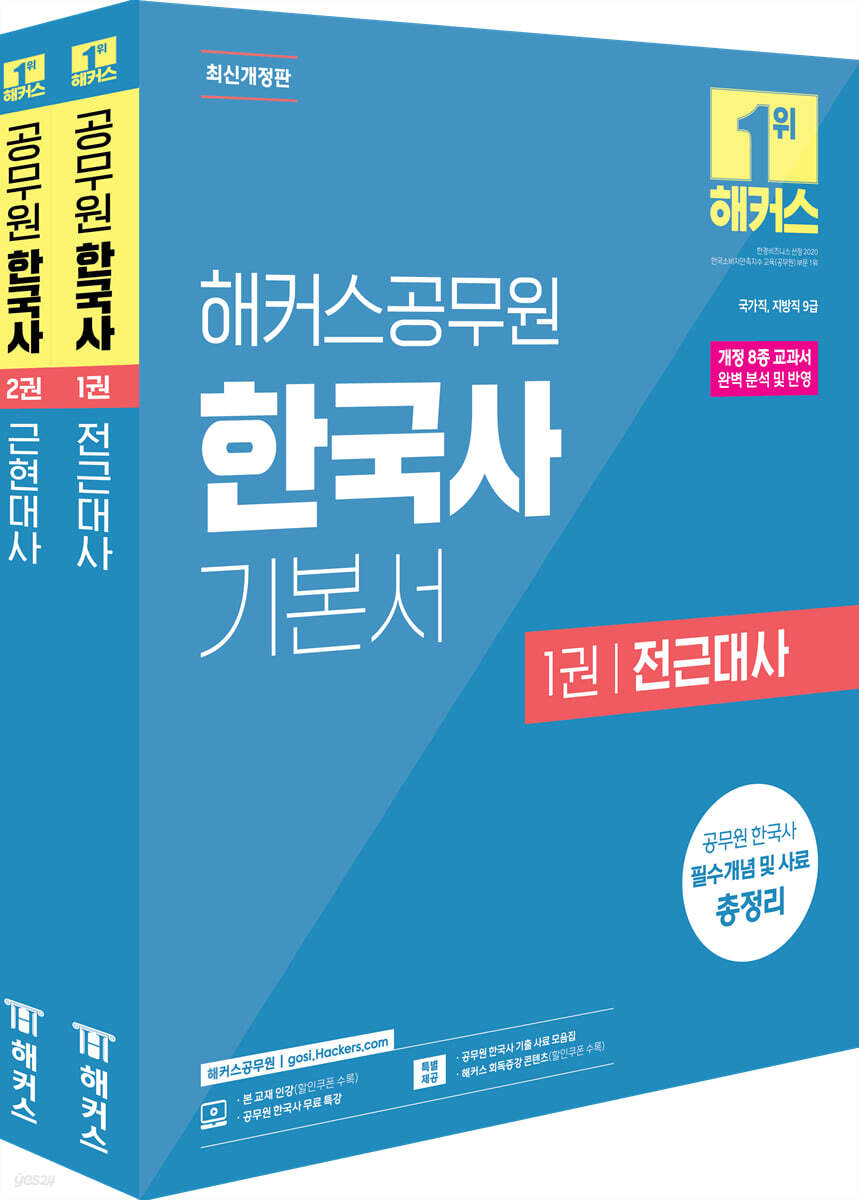
Hackers Civil Servant Korean History Basics
 |
Description
Book Introduction
A comprehensive summary of essential Korean history concepts and materials for civil servants!
Hackers Civil Servant Korean History Basics
Perfect preparation for the civil service Korean history exam with a basic Korean history textbook that reflects the latest exam trends.
Complete analysis and reflection of the revised eight textbooks! Systematically understand concepts and efficiently organize theories! [X/Y/Blank Key Concept Check] ensures you memorize essential concepts.
A unit-by-unit structure that covers everything from the flow of the times to the conclusion.
Master frequently appearing questions with [A Complete Compilation of Modern and Contemporary Figures] & [A Collection of Civil Service Korean History Past Materials]!
Hackers Civil Servant Korean History Basics
Perfect preparation for the civil service Korean history exam with a basic Korean history textbook that reflects the latest exam trends.
Complete analysis and reflection of the revised eight textbooks! Systematically understand concepts and efficiently organize theories! [X/Y/Blank Key Concept Check] ensures you memorize essential concepts.
A unit-by-unit structure that covers everything from the flow of the times to the conclusion.
Master frequently appearing questions with [A Complete Compilation of Modern and Contemporary Figures] & [A Collection of Civil Service Korean History Past Materials]!
- You can preview some of the book's contents.
Preview
index
[Volume 1 (Pre-Modern History)]
I The Formation of Our History
01 Understanding Korean History
1 The Meaning of History and Korean History
02 Development of Prehistoric Times
1 Paleolithic and Neolithic Ages
2 Bronze Age and Iron Age
03 The growth of Gojoseon and various countries
1. The growth of Gojoseon
2 Growth in several countries
II Ancient Development
01 Ancient Politics
1. Establishment in ancient times
2 Development and Governing System of the Three Kingdoms
3 External conflicts and Silla's unification of the three kingdoms
4 Development and Change in North and South Korea
02 Ancient Economic Society
1 Ancient Economy
2 Ancient societies
03 Ancient Culture
1 Development of learning
2 Development of ideas and science and technology
3 Development of Tombs and Art
III Development of Goryeo
01 Politics of Goryeo
1. The establishment and growth of Goryeo
2 The establishment and turmoil of the aristocratic society
3 Development of foreign relations
4 Political changes and reforms in the late Goryeo Dynasty
02 Economic and Social Affairs of Goryeo
1. Economy of Goryeo
2. Society of Goryeo
03 Culture of Goryeo
1. The development of Confucianism and the compilation of history books
2 Development of Buddhist Thought and Belief
3 Development of science, technology, and literature
4 Development of aristocratic culture
IV Development of Joseon
01 Politics of the Early Joseon Dynasty
1 The Founding and Development of Joseon
2. Establishment of the ruling system
3 The rise of the Sarim and the development of factional politics
4 Development of Foreign Relations and Overcoming Difficulties
02 Economic and social aspects of the early Joseon Dynasty
1. Economy of the early Joseon Dynasty
2 Society of the early Joseon Dynasty
03 Culture of the Early Joseon Dynasty
1. The flourishing of national culture
2 Development of Neo-Confucianism
3 Development of Religious Science and Art
V Changes in Joseon
01 Politics of the late Joseon Dynasty
1 Changes in the ruling system
2. Intensifying political strife and the politics of Tangpyeong
3 Changes in foreign relations
02 Economy of the late Joseon Dynasty
1. Reorganization of the receipt system
2 Development of the common people's economy
3 Development of a commodity money economy
03 Society of the late Joseon Dynasty
1 Changes in social structure and rural order
2 Movements of social change
04 Culture of the late Joseon Dynasty
1. Changes in Neo-Confucianism and the Development of Silhak
2 New trends in culture
[Appendix] UNESCO World Heritage
[Appendix] Dynasty Genealogy (Ancient Times to Joseon)
[Volume 2 (Modern and Contemporary History)]
VI Development of Modern Society
01 Invasive approach of foreign powers and opening of ports
1. Heungseon Daewongun's reformist policies and foreign invasion
2. Opening of ports and unequal treaty system
02 Promotion and resistance to the enlightenment movement
1 Conflict surrounding flowering
2. Im-o Incident and Gapsin Coup
03 National Salvation Movement and Promotion of Modern Reform
1 Donghak Peasant Movement
2. Gabo Reform and Eulmi Reform
3 Independence Association and the Korean Empire
4. Anti-Japanese Righteous Army Movement and Patriotic Enlightenment Movement
5. Deprivation of national sovereignty by Japanese colonial rule
04 Changes since the opening of the port
1. Economy and Society after the Opening of the Port
2. Acceptance of modern civilization and formation of modern culture
VII Development of the National Independence Movement
01 Japanese colonial rule and the suffering of the nation
1. Japanese colonial rule and changes in the national economy
02 March 1st Movement and the Provisional Government of the Republic of Korea
1 3.1 Exercise
2 Provisional Government of the Republic of Korea
03 Development of the Armed War of Independence
1. Domestic armed anti-Japanese struggle and righteous struggle
2 Armed independence war of the independence army
04 Social, Economic and National Movement
1 National Resistance Movement
2. The National Unity Party Movement and Overseas Koreans
05 Movement to Protect National Culture
1. Japanese colonial cultural policy
2 Development of national culture
VIII Development of Modern Society
01 Liberation and the Establishment of the Republic of Korea
1 Preparation for the founding of the Republic of Korea
2. Establishment of the Republic of Korea
3 Korean War
02 The Trials and Development of Democracy
1 April 19 Revolution
2 5.16 Military Coup and Yushin Regime
3 Development of Democracy
03 The Task of Peaceful Unification
1 Changes in North Korean Society
2 Efforts for peaceful unification
04 Economic Development and Social and Cultural Changes
1 Modern economic development
2 Changes in modern society and culture
[Appendix] A Comprehensive List of Frequently Appearing Figures from Modern and Contemporary History
I The Formation of Our History
01 Understanding Korean History
1 The Meaning of History and Korean History
02 Development of Prehistoric Times
1 Paleolithic and Neolithic Ages
2 Bronze Age and Iron Age
03 The growth of Gojoseon and various countries
1. The growth of Gojoseon
2 Growth in several countries
II Ancient Development
01 Ancient Politics
1. Establishment in ancient times
2 Development and Governing System of the Three Kingdoms
3 External conflicts and Silla's unification of the three kingdoms
4 Development and Change in North and South Korea
02 Ancient Economic Society
1 Ancient Economy
2 Ancient societies
03 Ancient Culture
1 Development of learning
2 Development of ideas and science and technology
3 Development of Tombs and Art
III Development of Goryeo
01 Politics of Goryeo
1. The establishment and growth of Goryeo
2 The establishment and turmoil of the aristocratic society
3 Development of foreign relations
4 Political changes and reforms in the late Goryeo Dynasty
02 Economic and Social Affairs of Goryeo
1. Economy of Goryeo
2. Society of Goryeo
03 Culture of Goryeo
1. The development of Confucianism and the compilation of history books
2 Development of Buddhist Thought and Belief
3 Development of science, technology, and literature
4 Development of aristocratic culture
IV Development of Joseon
01 Politics of the Early Joseon Dynasty
1 The Founding and Development of Joseon
2. Establishment of the ruling system
3 The rise of the Sarim and the development of factional politics
4 Development of Foreign Relations and Overcoming Difficulties
02 Economic and social aspects of the early Joseon Dynasty
1. Economy of the early Joseon Dynasty
2 Society of the early Joseon Dynasty
03 Culture of the Early Joseon Dynasty
1. The flourishing of national culture
2 Development of Neo-Confucianism
3 Development of Religious Science and Art
V Changes in Joseon
01 Politics of the late Joseon Dynasty
1 Changes in the ruling system
2. Intensifying political strife and the politics of Tangpyeong
3 Changes in foreign relations
02 Economy of the late Joseon Dynasty
1. Reorganization of the receipt system
2 Development of the common people's economy
3 Development of a commodity money economy
03 Society of the late Joseon Dynasty
1 Changes in social structure and rural order
2 Movements of social change
04 Culture of the late Joseon Dynasty
1. Changes in Neo-Confucianism and the Development of Silhak
2 New trends in culture
[Appendix] UNESCO World Heritage
[Appendix] Dynasty Genealogy (Ancient Times to Joseon)
[Volume 2 (Modern and Contemporary History)]
VI Development of Modern Society
01 Invasive approach of foreign powers and opening of ports
1. Heungseon Daewongun's reformist policies and foreign invasion
2. Opening of ports and unequal treaty system
02 Promotion and resistance to the enlightenment movement
1 Conflict surrounding flowering
2. Im-o Incident and Gapsin Coup
03 National Salvation Movement and Promotion of Modern Reform
1 Donghak Peasant Movement
2. Gabo Reform and Eulmi Reform
3 Independence Association and the Korean Empire
4. Anti-Japanese Righteous Army Movement and Patriotic Enlightenment Movement
5. Deprivation of national sovereignty by Japanese colonial rule
04 Changes since the opening of the port
1. Economy and Society after the Opening of the Port
2. Acceptance of modern civilization and formation of modern culture
VII Development of the National Independence Movement
01 Japanese colonial rule and the suffering of the nation
1. Japanese colonial rule and changes in the national economy
02 March 1st Movement and the Provisional Government of the Republic of Korea
1 3.1 Exercise
2 Provisional Government of the Republic of Korea
03 Development of the Armed War of Independence
1. Domestic armed anti-Japanese struggle and righteous struggle
2 Armed independence war of the independence army
04 Social, Economic and National Movement
1 National Resistance Movement
2. The National Unity Party Movement and Overseas Koreans
05 Movement to Protect National Culture
1. Japanese colonial cultural policy
2 Development of national culture
VIII Development of Modern Society
01 Liberation and the Establishment of the Republic of Korea
1 Preparation for the founding of the Republic of Korea
2. Establishment of the Republic of Korea
3 Korean War
02 The Trials and Development of Democracy
1 April 19 Revolution
2 5.16 Military Coup and Yushin Regime
3 Development of Democracy
03 The Task of Peaceful Unification
1 Changes in North Korean Society
2 Efforts for peaceful unification
04 Economic Development and Social and Cultural Changes
1 Modern economic development
2 Changes in modern society and culture
[Appendix] A Comprehensive List of Frequently Appearing Figures from Modern and Contemporary History
Detailed image

Publisher's Review
Hackers Civil Servant, the #1 Civil Servant Training Program
[Hackers Civil Servant, No. 1 in Civil Servant Education] Ranked No. 1 in the Education (Civil Servant) category of the 2020 Korea Consumer Satisfaction Index, selected by Hankyung Business.
A comprehensive summary of essential Korean history concepts and materials for civil servants!
Hackers' Civil Servant Korean History Basics
[Recommended for]
1.
For those who are starting to study Korean history for the 9th grade civil servant exam for the first time
2.
Those who want to study with a textbook optimized for civil service Korean history, focusing on past exam concepts.
3.
Those who want to study systematically, from organizing the main concepts of Korean history for civil servants to completing the study.
[Hacker's Textbook's Unique Features]
1.
Prepare perfectly for the civil service Korean history exam with this basic Korean history textbook that reflects the latest exam trends!
1) We thoroughly analyzed and reflected the latest exam theories and trends in past exam questions.
2) It is structured so that you can grasp the flow from prehistoric times to the present and build your skills.
3) We have summarized and organized only the content necessary for the exam to maximize learning efficiency.
2.
Complete analysis and reflection of the eight revised textbooks! Systematically understand concepts and efficiently organize theory!
1) Learning points and frequently appearing key points
Before starting to study the theory in earnest, you can organize the learning direction for each unit.
2) Organize essential concepts
You can review essential concepts that are easy to miss once more with tables and diagrams to help you remember them for a long time, and prepare for difficult problems with advanced concepts.
3) Analyzing textbooks
By analyzing and organizing the original materials and newly included content from eight textbooks, and efficiently studying key concepts with a high probability of appearing on the exam, you can prepare for high-impact original materials and data-based questions.
4) Reading the past exam chronology and past exam materials
Concepts that require order are organized by year, and you can develop your ability to analyze materials with detailed explanations of frequently appearing materials and unfamiliar past materials.
3.
[Check the key concepts by filling in the blanks with OX] to memorize essential concepts!
1) Rather than simply listing the 1,600 true/false questions, they are organized by core concept, allowing you to review the core concepts of the unit you have learned.
2) After learning the core concepts, you can memorize the essential concepts you must know by solving true/false questions.
4.
A unit-by-unit structure that covers everything from the flow of the times to the conclusion!
1) [Chronology at a Glance → Main Text Theory → Review Key Concepts → Key Keywords Summary]
You can build a solid foundation by learning step-by-step from the trends of the times to key keywords.
2) [Chronology at a Glance]
The flow is organized in graphs, and major events are organized by year, allowing you to grasp the flow and events of the times at a glance.
3) [Keyword Summary]
You can summarize/organize the main contents and memorization points of each unit at a glance, so that you can focus on memorizing only the main points based on what you have learned previously.
5.
Master frequently appearing questions with [A Complete Compilation of Modern and Contemporary Figures] & [A Collection of Civil Service Korean History Past Materials]!
1) With the appendix [Summary of Modern and Contemporary Figures], you can prepare for the 'Modern and Contemporary Figures' questions that have been consistently appearing in recent civil service examinations.
2) With the [Collection of Civil Service Korean History Past Exam Materials], you can thoroughly prepare for the ‘material presentation type questions’ that are consistently given with significant weight.
Hackers' Additional Learning Content for Passing the Civil Service Exam - Hackers Civil Service (gosi.Hackers.com)
1.
This textbook lecture (discount coupon included in the textbook)
2.
Free special lecture on Korean history for civil servants
3.
Civil Service Exam Korean History Past Papers Collection (PDF)
4.
Hackers Reading Enhancement Content (Discount coupons included in the textbook)
[Hackers Civil Servant, No. 1 in Civil Servant Education] Ranked No. 1 in the Education (Civil Servant) category of the 2020 Korea Consumer Satisfaction Index, selected by Hankyung Business.
A comprehensive summary of essential Korean history concepts and materials for civil servants!
Hackers' Civil Servant Korean History Basics
[Recommended for]
1.
For those who are starting to study Korean history for the 9th grade civil servant exam for the first time
2.
Those who want to study with a textbook optimized for civil service Korean history, focusing on past exam concepts.
3.
Those who want to study systematically, from organizing the main concepts of Korean history for civil servants to completing the study.
[Hacker's Textbook's Unique Features]
1.
Prepare perfectly for the civil service Korean history exam with this basic Korean history textbook that reflects the latest exam trends!
1) We thoroughly analyzed and reflected the latest exam theories and trends in past exam questions.
2) It is structured so that you can grasp the flow from prehistoric times to the present and build your skills.
3) We have summarized and organized only the content necessary for the exam to maximize learning efficiency.
2.
Complete analysis and reflection of the eight revised textbooks! Systematically understand concepts and efficiently organize theory!
1) Learning points and frequently appearing key points
Before starting to study the theory in earnest, you can organize the learning direction for each unit.
2) Organize essential concepts
You can review essential concepts that are easy to miss once more with tables and diagrams to help you remember them for a long time, and prepare for difficult problems with advanced concepts.
3) Analyzing textbooks
By analyzing and organizing the original materials and newly included content from eight textbooks, and efficiently studying key concepts with a high probability of appearing on the exam, you can prepare for high-impact original materials and data-based questions.
4) Reading the past exam chronology and past exam materials
Concepts that require order are organized by year, and you can develop your ability to analyze materials with detailed explanations of frequently appearing materials and unfamiliar past materials.
3.
[Check the key concepts by filling in the blanks with OX] to memorize essential concepts!
1) Rather than simply listing the 1,600 true/false questions, they are organized by core concept, allowing you to review the core concepts of the unit you have learned.
2) After learning the core concepts, you can memorize the essential concepts you must know by solving true/false questions.
4.
A unit-by-unit structure that covers everything from the flow of the times to the conclusion!
1) [Chronology at a Glance → Main Text Theory → Review Key Concepts → Key Keywords Summary]
You can build a solid foundation by learning step-by-step from the trends of the times to key keywords.
2) [Chronology at a Glance]
The flow is organized in graphs, and major events are organized by year, allowing you to grasp the flow and events of the times at a glance.
3) [Keyword Summary]
You can summarize/organize the main contents and memorization points of each unit at a glance, so that you can focus on memorizing only the main points based on what you have learned previously.
5.
Master frequently appearing questions with [A Complete Compilation of Modern and Contemporary Figures] & [A Collection of Civil Service Korean History Past Materials]!
1) With the appendix [Summary of Modern and Contemporary Figures], you can prepare for the 'Modern and Contemporary Figures' questions that have been consistently appearing in recent civil service examinations.
2) With the [Collection of Civil Service Korean History Past Exam Materials], you can thoroughly prepare for the ‘material presentation type questions’ that are consistently given with significant weight.
Hackers' Additional Learning Content for Passing the Civil Service Exam - Hackers Civil Service (gosi.Hackers.com)
1.
This textbook lecture (discount coupon included in the textbook)
2.
Free special lecture on Korean history for civil servants
3.
Civil Service Exam Korean History Past Papers Collection (PDF)
4.
Hackers Reading Enhancement Content (Discount coupons included in the textbook)
GOODS SPECIFICS
- Date of issue: May 2, 2024
- Page count, weight, size: 704 pages | 210*260*40mm
- ISBN13: 9791169999953
- ISBN10: 1169999956
You may also like
카테고리
korean


korean

![GQ KOREA Mark (Monthly): December [2025]](http://librairie.coreenne.fr/cdn/shop/files/8ef265dbbfbf186523ed75ba7319009d.jpg?v=1765340328&width=3840)


