

A real surgeon reveals the surprising world of the operating room.
 |
Description
Book Introduction
What kind of person is a surgeon?
What on earth happens in the operating room?
This book was written by the author, a cardiac surgeon, based on his experience working in both Japan and the United States. It aims to inform many people about the reality of hospitals and medical care from a doctor's perspective and his experiences in the operating room as a surgeon.
We answer questions about surgeons and surgery that we normally cannot know, do not need to know, and would like to remain unaware of for the rest of our lives, such as what kind of life a surgeon leads and what goes on in the operating room.
What on earth happens in the operating room?
This book was written by the author, a cardiac surgeon, based on his experience working in both Japan and the United States. It aims to inform many people about the reality of hospitals and medical care from a doctor's perspective and his experiences in the operating room as a surgeon.
We answer questions about surgeons and surgery that we normally cannot know, do not need to know, and would like to remain unaware of for the rest of our lives, such as what kind of life a surgeon leads and what goes on in the operating room.
- You can preview some of the book's contents.
Preview
index
prolog
Chapter 1: The Surprisingly Fun World of the Operating Room
001 What was the most embarrassing thing that happened during surgery?
002 It deals with the organs inside the body, so why is it called surgery?
003 What kind of surgery needs to be completed quickly?
004 What should I do if I need to go to the bathroom during surgery?
005 Don't you feel sleepy during surgery?
006 Do you ever get thirsty in the operating room?
007 What should I eat if I get hungry during surgery?
008 Doesn't it make you feel sick when you see inside your body during surgery?
009 What are some common things that happen during surgery?
010 Do you change doctors during surgery?
011 When do I rest during surgery?
012 Can I use my smartphone during surgery?
013 Does someone else wipe away the sweat during the surgery?
014 What happens if there is an earthquake during surgery?
015 What should I do if there is a power outage during surgery?
016 What should I do if blood splatters on my face during surgery?
017 What do you often hear in the operating room?
018 What are some things you should not say in the operating room?
019 Does the general anesthesia wear off during heart surgery and the patient wakes up?
020 Do you do image training before surgery?
021 How many people participate in the surgery?
022 Why is the second surgery difficult?
023 Do you also operate on your own family members?
024 Are there any surgeries with a 1% success rate?
025 What happens to the organs removed during surgery?
026 Do you perform surgery in the middle of the night?
027 Do you operate on two patients at the same time?
028 Do you get emergency surgery calls even when you're drinking?
029 Do the medical staff talk to each other during surgery?
030 Do people get dizzy and collapse during surgery?
031 Is there a room where I can observe the surgery through a glass window?
032 Does it smell when you cut up the human body?
033 If you were to have surgery, where would you get it done?
034 Do doctors also get nervous when undergoing surgery?
035 Can a doctor operate on his own body?
036 What should a patient avoid doing the day before surgery?
037 What type of body is more likely to have problems during surgery?
038 Can I request that residents not be allowed to come into surgery?
039 Do people snore during general anesthesia?
040 Do you dislike it when patients ask a lot of questions before surgery?
041 How do I wash my hands before surgery?
042 Why do surgeons pose with both hands raised?
043 Do you wash your surgical gowns every time?
044 Don't surgeons' hands get rough because they have to wash them so often?
045 Does the difficulty of the surgery vary depending on the patient's blood type?
?
106 Medical Tools: What are Forceps?
107 Medical Tools: What are Retinal Forceps?
108 Medical Tools: What is a Needle Holder?
109 Medical Tools: What are Sutures?
110 Medical Tools: What is a Scalpel?
111 Medical Tools: What is Metzenbaum?
112 Medical Tools: What is Cooper?
113 Medical Tools: What are Pean Hemostatic Forceps?
114 Medical Tools: What are Kelly Forceps?
115 Medical Tools: What is a Tourniquet?
116 Medical Tools: What is Gauze?
117 Medical Tools: What is a Mask?
118 Medical Tools: What is a Drain?
119 Medical Tools: What is a Suction Tube?
?
Chapter 2: Secrets of Hospitals and Doctors That Can Never Be Told
126 Is there a way to tell if someone is a good doctor or not?
127 What test would you not want to undergo even if you were a doctor?
128 What are some medical terms that make you sound like an expert?
129 Can doctors and patients ever fall in love?
130 What kind of patient do you not want to meet?
131 Are you considering life-sustaining treatment for yourself or a family member?
132 Do doctors ever take bribes?
133 Do doctors also get aroused by seeing the naked body of the opposite sex?
134 What was the most touching moment since becoming a doctor?
135 What are the occupational diseases of doctors?
Have you ever been sentenced to 136 days in prison?
137 Have you ever seen a ghost in a hospital?
138 Are real surgeons employed and working in hospitals?
139 Is there a difference in the work of university hospitals and general hospitals?
140 Are there any strange habits or rules within the hospital?
141 What are nurses to doctors?
142 Have you ever been harassed by a nurse?
143 Are doctors popular with nurses?
144 What is Pink Hospital?
145 Can I become a doctor even if I'm stupid?
146 What do I need to get into medical school?
147 What was the most difficult exam in medical school?
148 What do I need to pass the national medical licensing exam?
149 Do veteran nurses and residents ever have strained relationships?
150 Why did you become a doctor?
?
Chapter 3: The Mystery of Life and the Human Body
183 What color is inside the body?
184 Is it possible to live a life that neither ages nor dies?
185 Is heart disease hereditary?
186 Do people really have hair on their hearts?
187 Does your heart ever burst?
188 Can heart cancer develop?
189 Does the heart also experience muscle pain?
190 How does it feel when you touch your heart?
191 I heard there's a pocket around the heart?
192 Why does my heart feel like it's going to explode when I ride a roller coaster?
193 Why does my heartbeat feel stronger on the left side?
194 How many times does the heart beat in a lifetime?
195 Why does my heart race when I'm nervous?
196 How can I check my pulse?
197 Why do we yawn?
198 What is the most unnecessary organ?
199 Why does your heart race when you fall in love?
200 Why do my teeth chatter when it's cold?
201 Why does my stomach hurt when I clean my belly button?
202 Why is there a noise coming from the boat?
203 Why do I get goosebumps?
204 Does your nose bleed when you think dirty thoughts?
205 What is the diameter of the blood vessels?
206 Does blood flow through bones?
207 Why do my sides hurt when I run?
208 Is human saliva dirty?
209 Why do I get hiccups?
I got stabbed 210 times and blood came out of my mouth?
?
Chapter 4: America's Real Surgeons
226 When you have surgery in the US, do you do it in English?
227 What are the differences between operating rooms in the United States and Japan?
228 How much do doctors in the US earn?
229 Can I work in a hospital with a tattoo?
230 What English words are not communicated well during surgery?
231 What do I need to work in the United States?
232 What should I do if someone threatens me with a gun in a US hospital?
233 What are the differences between Japan and the United States?
Epilogue
Chapter 1: The Surprisingly Fun World of the Operating Room
001 What was the most embarrassing thing that happened during surgery?
002 It deals with the organs inside the body, so why is it called surgery?
003 What kind of surgery needs to be completed quickly?
004 What should I do if I need to go to the bathroom during surgery?
005 Don't you feel sleepy during surgery?
006 Do you ever get thirsty in the operating room?
007 What should I eat if I get hungry during surgery?
008 Doesn't it make you feel sick when you see inside your body during surgery?
009 What are some common things that happen during surgery?
010 Do you change doctors during surgery?
011 When do I rest during surgery?
012 Can I use my smartphone during surgery?
013 Does someone else wipe away the sweat during the surgery?
014 What happens if there is an earthquake during surgery?
015 What should I do if there is a power outage during surgery?
016 What should I do if blood splatters on my face during surgery?
017 What do you often hear in the operating room?
018 What are some things you should not say in the operating room?
019 Does the general anesthesia wear off during heart surgery and the patient wakes up?
020 Do you do image training before surgery?
021 How many people participate in the surgery?
022 Why is the second surgery difficult?
023 Do you also operate on your own family members?
024 Are there any surgeries with a 1% success rate?
025 What happens to the organs removed during surgery?
026 Do you perform surgery in the middle of the night?
027 Do you operate on two patients at the same time?
028 Do you get emergency surgery calls even when you're drinking?
029 Do the medical staff talk to each other during surgery?
030 Do people get dizzy and collapse during surgery?
031 Is there a room where I can observe the surgery through a glass window?
032 Does it smell when you cut up the human body?
033 If you were to have surgery, where would you get it done?
034 Do doctors also get nervous when undergoing surgery?
035 Can a doctor operate on his own body?
036 What should a patient avoid doing the day before surgery?
037 What type of body is more likely to have problems during surgery?
038 Can I request that residents not be allowed to come into surgery?
039 Do people snore during general anesthesia?
040 Do you dislike it when patients ask a lot of questions before surgery?
041 How do I wash my hands before surgery?
042 Why do surgeons pose with both hands raised?
043 Do you wash your surgical gowns every time?
044 Don't surgeons' hands get rough because they have to wash them so often?
045 Does the difficulty of the surgery vary depending on the patient's blood type?
?
106 Medical Tools: What are Forceps?
107 Medical Tools: What are Retinal Forceps?
108 Medical Tools: What is a Needle Holder?
109 Medical Tools: What are Sutures?
110 Medical Tools: What is a Scalpel?
111 Medical Tools: What is Metzenbaum?
112 Medical Tools: What is Cooper?
113 Medical Tools: What are Pean Hemostatic Forceps?
114 Medical Tools: What are Kelly Forceps?
115 Medical Tools: What is a Tourniquet?
116 Medical Tools: What is Gauze?
117 Medical Tools: What is a Mask?
118 Medical Tools: What is a Drain?
119 Medical Tools: What is a Suction Tube?
?
Chapter 2: Secrets of Hospitals and Doctors That Can Never Be Told
126 Is there a way to tell if someone is a good doctor or not?
127 What test would you not want to undergo even if you were a doctor?
128 What are some medical terms that make you sound like an expert?
129 Can doctors and patients ever fall in love?
130 What kind of patient do you not want to meet?
131 Are you considering life-sustaining treatment for yourself or a family member?
132 Do doctors ever take bribes?
133 Do doctors also get aroused by seeing the naked body of the opposite sex?
134 What was the most touching moment since becoming a doctor?
135 What are the occupational diseases of doctors?
Have you ever been sentenced to 136 days in prison?
137 Have you ever seen a ghost in a hospital?
138 Are real surgeons employed and working in hospitals?
139 Is there a difference in the work of university hospitals and general hospitals?
140 Are there any strange habits or rules within the hospital?
141 What are nurses to doctors?
142 Have you ever been harassed by a nurse?
143 Are doctors popular with nurses?
144 What is Pink Hospital?
145 Can I become a doctor even if I'm stupid?
146 What do I need to get into medical school?
147 What was the most difficult exam in medical school?
148 What do I need to pass the national medical licensing exam?
149 Do veteran nurses and residents ever have strained relationships?
150 Why did you become a doctor?
?
Chapter 3: The Mystery of Life and the Human Body
183 What color is inside the body?
184 Is it possible to live a life that neither ages nor dies?
185 Is heart disease hereditary?
186 Do people really have hair on their hearts?
187 Does your heart ever burst?
188 Can heart cancer develop?
189 Does the heart also experience muscle pain?
190 How does it feel when you touch your heart?
191 I heard there's a pocket around the heart?
192 Why does my heart feel like it's going to explode when I ride a roller coaster?
193 Why does my heartbeat feel stronger on the left side?
194 How many times does the heart beat in a lifetime?
195 Why does my heart race when I'm nervous?
196 How can I check my pulse?
197 Why do we yawn?
198 What is the most unnecessary organ?
199 Why does your heart race when you fall in love?
200 Why do my teeth chatter when it's cold?
201 Why does my stomach hurt when I clean my belly button?
202 Why is there a noise coming from the boat?
203 Why do I get goosebumps?
204 Does your nose bleed when you think dirty thoughts?
205 What is the diameter of the blood vessels?
206 Does blood flow through bones?
207 Why do my sides hurt when I run?
208 Is human saliva dirty?
209 Why do I get hiccups?
I got stabbed 210 times and blood came out of my mouth?
?
Chapter 4: America's Real Surgeons
226 When you have surgery in the US, do you do it in English?
227 What are the differences between operating rooms in the United States and Japan?
228 How much do doctors in the US earn?
229 Can I work in a hospital with a tattoo?
230 What English words are not communicated well during surgery?
231 What do I need to work in the United States?
232 What should I do if someone threatens me with a gun in a US hospital?
233 What are the differences between Japan and the United States?
Epilogue
Detailed image
Into the book
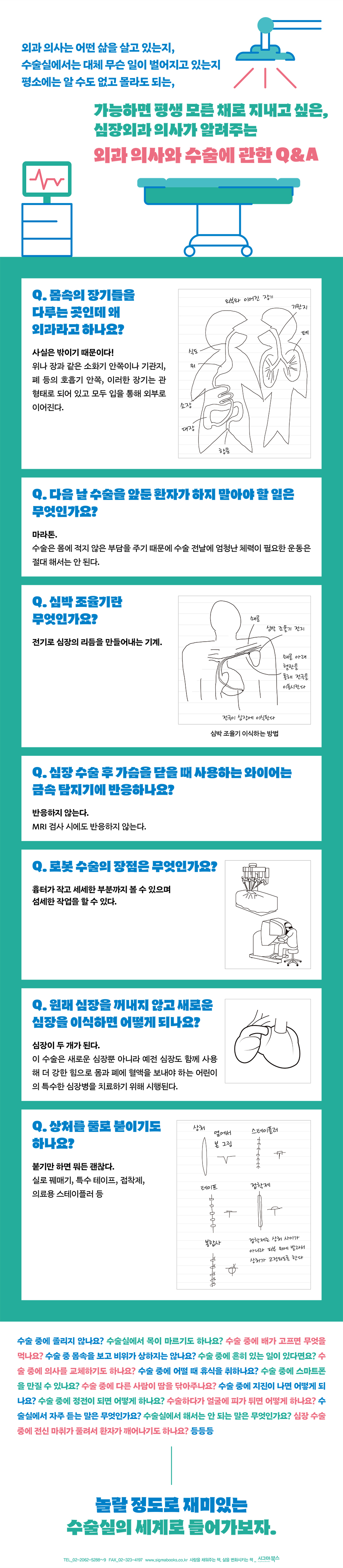
One reason is that surgeons seem to treat the inside of the body, but in fact they treat the outside of the body.
In medicine, the outside of the body is considered unclean because it is covered in germs.
The inside of the body is clean because there are few germs, but there are exceptions.
This includes the inside of the digestive system, such as the stomach or intestines, and the inside of the respiratory system, such as the bronchi and lungs.
These organs are tubular and all lead to the outside through the mouth.
So, although it is inside the body, the inside of the tube is not as clean as the outside of the body.
For example, the outside of the intestine is clean because it does not touch the outside, but the inside of the intestine is connected to the outside of the body and is not clean.
--- 「002_It deals with the organs inside the body, so why is it called surgery?」
In the event of a large-scale earthquake, it may not be possible to proceed with surgery without any problems.
Because the lives of the patient and those around them may be at risk, treatment priorities are determined by considering the severity and urgency of the patient's condition, and a more efficient method is used to help more people.
In the medical industry, prioritizing like this is called triage.
When doing triage, we classify them by color according to severity or priority.
--- "014_What happens if there's an earthquake during surgery?"
There are cases where, after treatment, problems are discovered again in the body or another disease occurs, requiring surgery on the same area twice.
Basically, organs such as the heart and lungs are covered with a thin membrane-like substance, so this membrane must be carefully removed to perform surgery without damaging each organ.
However, once the surgery is performed, the peeled membrane will adhere in a different form than usual during the recovery process, making the boundary blurred.
So the second surgery is more difficult.
--- "022_Why is the second surgery difficult?"
Heart surgery is performed by cutting the bone in the center of the chest in two using an electric saw like this.
Just as sawing a tree produces sawdust, sawing a bone produces bone debris.
Such small bone fragments or debris from tissue removal with an electric scalpel enter the body.
If there is a lot of such debris, you can remove it or wash your body, but if there is not much, you don't have to worry too much.
But inside the heart, the story is different.
--- 「055_What do I do with the scraps that come out when cutting bones?」
When the heart is not functioning properly, an artificial heart made of machinery may be implanted to help the heart move.
The artificial heart currently in use only assists the movement of the heart, so the heart is left as is and the artificial heart is installed on top of it.
In rare cases, surgery is performed to completely remove the heart and replace it with an artificial heart.
--- "086_Is there a machine-made heart?"
The threads used to connect blood vessels and organs during surgery remain in the body for life.
If the thread connecting the blood vessels disappears in the middle, bleeding can occur there and cause serious problems.
After the surgery, after some time, the wound will heal to the point where it will not open even without the stitches, but the stitches will not disappear and will remain.
--- 「093_Do the threads used during surgery remain in the body for the rest of one's life?」
Polio is a disease that has been prevalent worldwide in the past and has taken many lives.
A disease caused by infection with the poliovirus, often transmitted through the mouth.
It is a terrible disease that cannot be cured once contracted, but now that a vaccine has been developed, it is almost non-existent.
In medicine, the outside of the body is considered unclean because it is covered in germs.
The inside of the body is clean because there are few germs, but there are exceptions.
This includes the inside of the digestive system, such as the stomach or intestines, and the inside of the respiratory system, such as the bronchi and lungs.
These organs are tubular and all lead to the outside through the mouth.
So, although it is inside the body, the inside of the tube is not as clean as the outside of the body.
For example, the outside of the intestine is clean because it does not touch the outside, but the inside of the intestine is connected to the outside of the body and is not clean.
--- 「002_It deals with the organs inside the body, so why is it called surgery?」
In the event of a large-scale earthquake, it may not be possible to proceed with surgery without any problems.
Because the lives of the patient and those around them may be at risk, treatment priorities are determined by considering the severity and urgency of the patient's condition, and a more efficient method is used to help more people.
In the medical industry, prioritizing like this is called triage.
When doing triage, we classify them by color according to severity or priority.
--- "014_What happens if there's an earthquake during surgery?"
There are cases where, after treatment, problems are discovered again in the body or another disease occurs, requiring surgery on the same area twice.
Basically, organs such as the heart and lungs are covered with a thin membrane-like substance, so this membrane must be carefully removed to perform surgery without damaging each organ.
However, once the surgery is performed, the peeled membrane will adhere in a different form than usual during the recovery process, making the boundary blurred.
So the second surgery is more difficult.
--- "022_Why is the second surgery difficult?"
Heart surgery is performed by cutting the bone in the center of the chest in two using an electric saw like this.
Just as sawing a tree produces sawdust, sawing a bone produces bone debris.
Such small bone fragments or debris from tissue removal with an electric scalpel enter the body.
If there is a lot of such debris, you can remove it or wash your body, but if there is not much, you don't have to worry too much.
But inside the heart, the story is different.
--- 「055_What do I do with the scraps that come out when cutting bones?」
When the heart is not functioning properly, an artificial heart made of machinery may be implanted to help the heart move.
The artificial heart currently in use only assists the movement of the heart, so the heart is left as is and the artificial heart is installed on top of it.
In rare cases, surgery is performed to completely remove the heart and replace it with an artificial heart.
--- "086_Is there a machine-made heart?"
The threads used to connect blood vessels and organs during surgery remain in the body for life.
If the thread connecting the blood vessels disappears in the middle, bleeding can occur there and cause serious problems.
After the surgery, after some time, the wound will heal to the point where it will not open even without the stitches, but the stitches will not disappear and will remain.
--- 「093_Do the threads used during surgery remain in the body for the rest of one's life?」
Polio is a disease that has been prevalent worldwide in the past and has taken many lives.
A disease caused by infection with the poliovirus, often transmitted through the mouth.
It is a terrible disease that cannot be cured once contracted, but now that a vaccine has been developed, it is almost non-existent.
--- "157_Are there any diseases that have disappeared due to advancements in medicine?"
Publisher's Review
Everything You Need to Know About the Operating Room from a Cardiac Surgeon
A medical textbook that provides a glimpse into the vivid medical field.
The author moved to the University of Chicago in 2016 to learn heart transplant surgery, a rare skill in Japan, and is currently performing heart surgery there using the latest robotic technology.
This book was written to convey to those who, unfortunately, have to step into the special and closed world of surgery and hospitals, carrying with them unknown fears and anxieties, that medical practice is not all about tension.
Many people may think that surgery is a series of stresses.
But that's not the case.
Just as everything has a before and after, surgery also has two opposing states: tension and relaxation.
Sometimes, you just focus on moving your hands quietly, and then suddenly start having a casual conversation, like talking about the drama you watched yesterday.
This repetition of tension and relaxation, the resulting control of speed and acceleration, and the heightened concentration that follows are the keys to a successful surgery.
This book aims to convey the fact that, despite the seriousness and gravity of the medical field, there are moments of comfort and laughter.
This book is not in any order.
Each item contains one episode.
You can read it however you like.
Then, you may come across technical terms or difficult expressions that explain the realities of medicine.
To make this difficult medical content a little easier to understand, handwritten notes (and drawings) are inserted throughout.
It will help you better understand difficult book content.
Just because it's a story about an operating room doesn't mean it's only serious and grave stories.
It contains information that serves as a medical textbook, but it also contains various genres of episodes that the author experienced in the operating room.
So, let's now enter the surprisingly fun world of the operating room.
A medical textbook that provides a glimpse into the vivid medical field.
The author moved to the University of Chicago in 2016 to learn heart transplant surgery, a rare skill in Japan, and is currently performing heart surgery there using the latest robotic technology.
This book was written to convey to those who, unfortunately, have to step into the special and closed world of surgery and hospitals, carrying with them unknown fears and anxieties, that medical practice is not all about tension.
Many people may think that surgery is a series of stresses.
But that's not the case.
Just as everything has a before and after, surgery also has two opposing states: tension and relaxation.
Sometimes, you just focus on moving your hands quietly, and then suddenly start having a casual conversation, like talking about the drama you watched yesterday.
This repetition of tension and relaxation, the resulting control of speed and acceleration, and the heightened concentration that follows are the keys to a successful surgery.
This book aims to convey the fact that, despite the seriousness and gravity of the medical field, there are moments of comfort and laughter.
This book is not in any order.
Each item contains one episode.
You can read it however you like.
Then, you may come across technical terms or difficult expressions that explain the realities of medicine.
To make this difficult medical content a little easier to understand, handwritten notes (and drawings) are inserted throughout.
It will help you better understand difficult book content.
Just because it's a story about an operating room doesn't mean it's only serious and grave stories.
It contains information that serves as a medical textbook, but it also contains various genres of episodes that the author experienced in the operating room.
So, let's now enter the surprisingly fun world of the operating room.
GOODS SPECIFICS
- Date of issue: August 8, 2025
- Page count, weight, size: 322 pages | 544g | 145*216*19mm
- ISBN13: 9791168623958
- ISBN10: 1168623952
You may also like
카테고리
korean


korean

![GQ KOREA Mark (Monthly): December [2025]](http://librairie.coreenne.fr/cdn/shop/files/8ef265dbbfbf186523ed75ba7319009d.jpg?v=1765340328&width=3840)


