

Picture book activity class
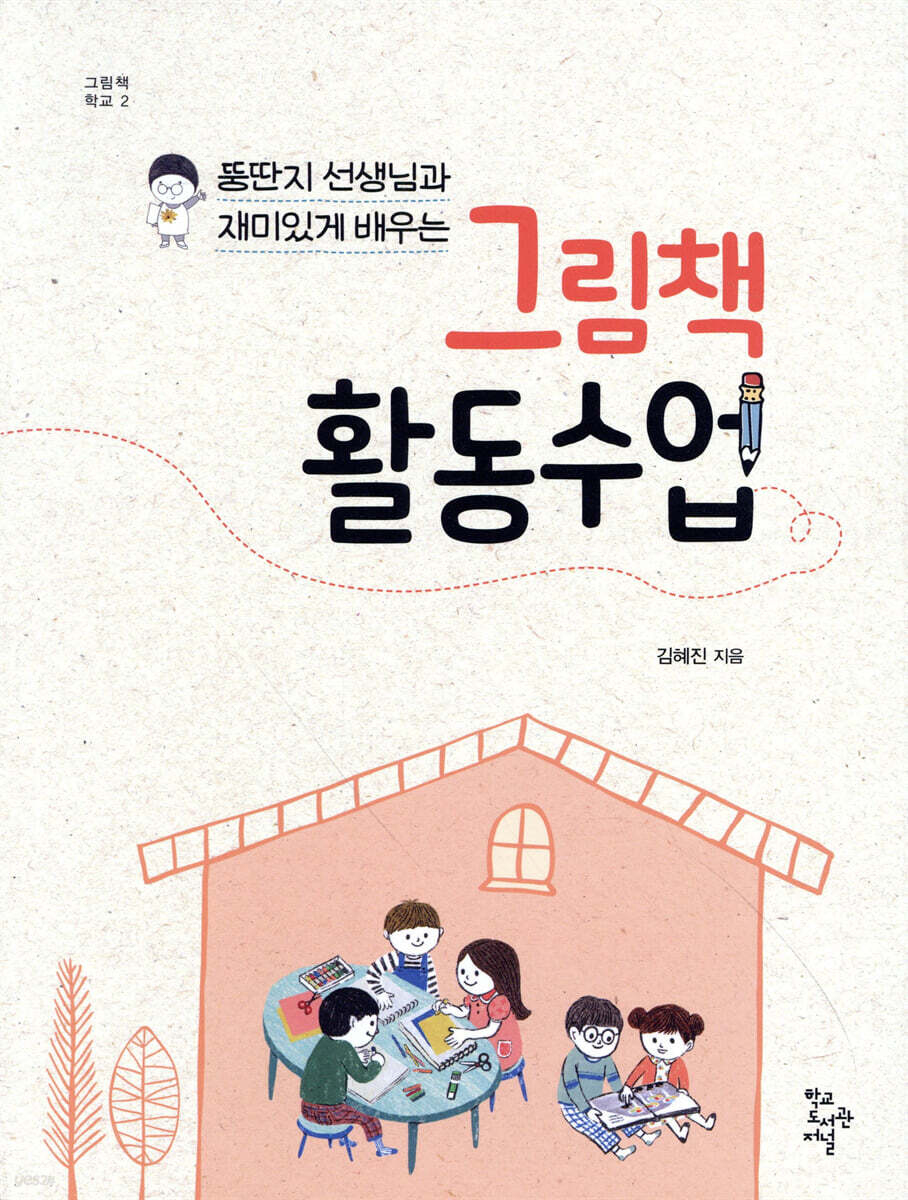 |
Description
Book Introduction
Picture Book School Series Volume 2.
A collection of post-reading activities for picture books, written by a picture book expert who runs picture book class programs and writes picture book reviews for various media outlets.
We introduce a variety of carefully selected picture books by topic and introduce easy and fun activities that can be done while reading the picture books.
It is organized by month to fit the annual schedule and can be used at school events or libraries.
The author uses his more than 10 years of experience as an illustrator to teach unique ways to read and engage with picture books.
A collection of post-reading activities for picture books, written by a picture book expert who runs picture book class programs and writes picture book reviews for various media outlets.
We introduce a variety of carefully selected picture books by topic and introduce easy and fun activities that can be done while reading the picture books.
It is organized by month to fit the annual schedule and can be used at school events or libraries.
The author uses his more than 10 years of experience as an illustrator to teach unique ways to read and engage with picture books.
- You can preview some of the book's contents.
Preview
index
Header
How should we use picture books in class?
Amazing Book Story
The Birth of a Book
The discovery of the book
Picture books with famous paintings
Stories told by books
The start of a new semester in March, new friends
Picture Book Intensive Class - Aldo, Hey, Get Off the Train!, I Planted Three Seeds
"Wow, sweet spring honey!"
April's Amazing Scientific Advances, Earth and the Environment
In-depth picture book classes - 『Encyclopedia of Extraordinary Inventions』, 『What if a very, very strong mosquito repellent were invented』,
Plastic Island, Tunnel, and Ecological Corridor
May: Diverse Families and the Meaning of Family
Picture Book Intensive Class - "Every Family is Special", "Sooni and Her Little Brother"
The Dog, the Grandmother, and the Burglar Cat
June: Forgiveness, Reconciliation, and Peace
In-depth Picture Book Classes - Borka the Featherless Goose, The Wooden House, Why, Peace
July: How to Protect Life, Nature, and the Earth
In-depth picture book classes - 『Tree』, 『The Day You Were Born』, 『Tree is Good』,
Water, Forest, and Air · The Day We Ate the Earth
August Climate Change, Glaciers, and Polar Animals
In-depth Picture Book Classes - "Winston the Polar Bear: Fighting Global Warming" and "Penguin 365"
September: The joy of grain and harvest, Chuseok with family
In-depth Picture Book Classes - "My Favorite Grain," "Rice We Must Protect," "Soli's Chuseok Story"
October Fall Sports Day, Picnic with Friends
In-depth Picture Book Classes - "Autumn Sports Day," "Insect Sports Day," "Ants' Picnic"
November Relationships: Understanding Each Other's Position
Picture Book Intensive Class - The Three Little Pigs as Told by the Wolf
The Three Little Wolfs and the Big Bad Pig
December: The start of winter break, the cold winter, and Christmas
Picture Book Intensive Class - 『The Owl and the Full Moon』, 『My Favorite Winter Fruit』,
"I Met Winter," "The Little Fir Tree," and "There Was a Big Christmas Tree"
The Power of Old Stories, the Joy of Beloved Tales
In-depth Picture Book Class - Comparative Reading of "Cinderella," "Kongjwi and Patjwi," and "Little Red Riding Hood"
February: Korean goblins and folk tales from various countries
In-depth Picture Book Class - Reading Together: "Blinking Goblin," "Suho's White Horse," and "The Big Turnip"
supplement
1 Picture book for character guidance and career exploration
2 One Book Art Festival with "Frederick"
How should we use picture books in class?
Amazing Book Story
The Birth of a Book
The discovery of the book
Picture books with famous paintings
Stories told by books
The start of a new semester in March, new friends
Picture Book Intensive Class - Aldo, Hey, Get Off the Train!, I Planted Three Seeds
"Wow, sweet spring honey!"
April's Amazing Scientific Advances, Earth and the Environment
In-depth picture book classes - 『Encyclopedia of Extraordinary Inventions』, 『What if a very, very strong mosquito repellent were invented』,
Plastic Island, Tunnel, and Ecological Corridor
May: Diverse Families and the Meaning of Family
Picture Book Intensive Class - "Every Family is Special", "Sooni and Her Little Brother"
The Dog, the Grandmother, and the Burglar Cat
June: Forgiveness, Reconciliation, and Peace
In-depth Picture Book Classes - Borka the Featherless Goose, The Wooden House, Why, Peace
July: How to Protect Life, Nature, and the Earth
In-depth picture book classes - 『Tree』, 『The Day You Were Born』, 『Tree is Good』,
Water, Forest, and Air · The Day We Ate the Earth
August Climate Change, Glaciers, and Polar Animals
In-depth Picture Book Classes - "Winston the Polar Bear: Fighting Global Warming" and "Penguin 365"
September: The joy of grain and harvest, Chuseok with family
In-depth Picture Book Classes - "My Favorite Grain," "Rice We Must Protect," "Soli's Chuseok Story"
October Fall Sports Day, Picnic with Friends
In-depth Picture Book Classes - "Autumn Sports Day," "Insect Sports Day," "Ants' Picnic"
November Relationships: Understanding Each Other's Position
Picture Book Intensive Class - The Three Little Pigs as Told by the Wolf
The Three Little Wolfs and the Big Bad Pig
December: The start of winter break, the cold winter, and Christmas
Picture Book Intensive Class - 『The Owl and the Full Moon』, 『My Favorite Winter Fruit』,
"I Met Winter," "The Little Fir Tree," and "There Was a Big Christmas Tree"
The Power of Old Stories, the Joy of Beloved Tales
In-depth Picture Book Class - Comparative Reading of "Cinderella," "Kongjwi and Patjwi," and "Little Red Riding Hood"
February: Korean goblins and folk tales from various countries
In-depth Picture Book Class - Reading Together: "Blinking Goblin," "Suho's White Horse," and "The Big Turnip"
supplement
1 Picture book for character guidance and career exploration
2 One Book Art Festival with "Frederick"
Detailed image
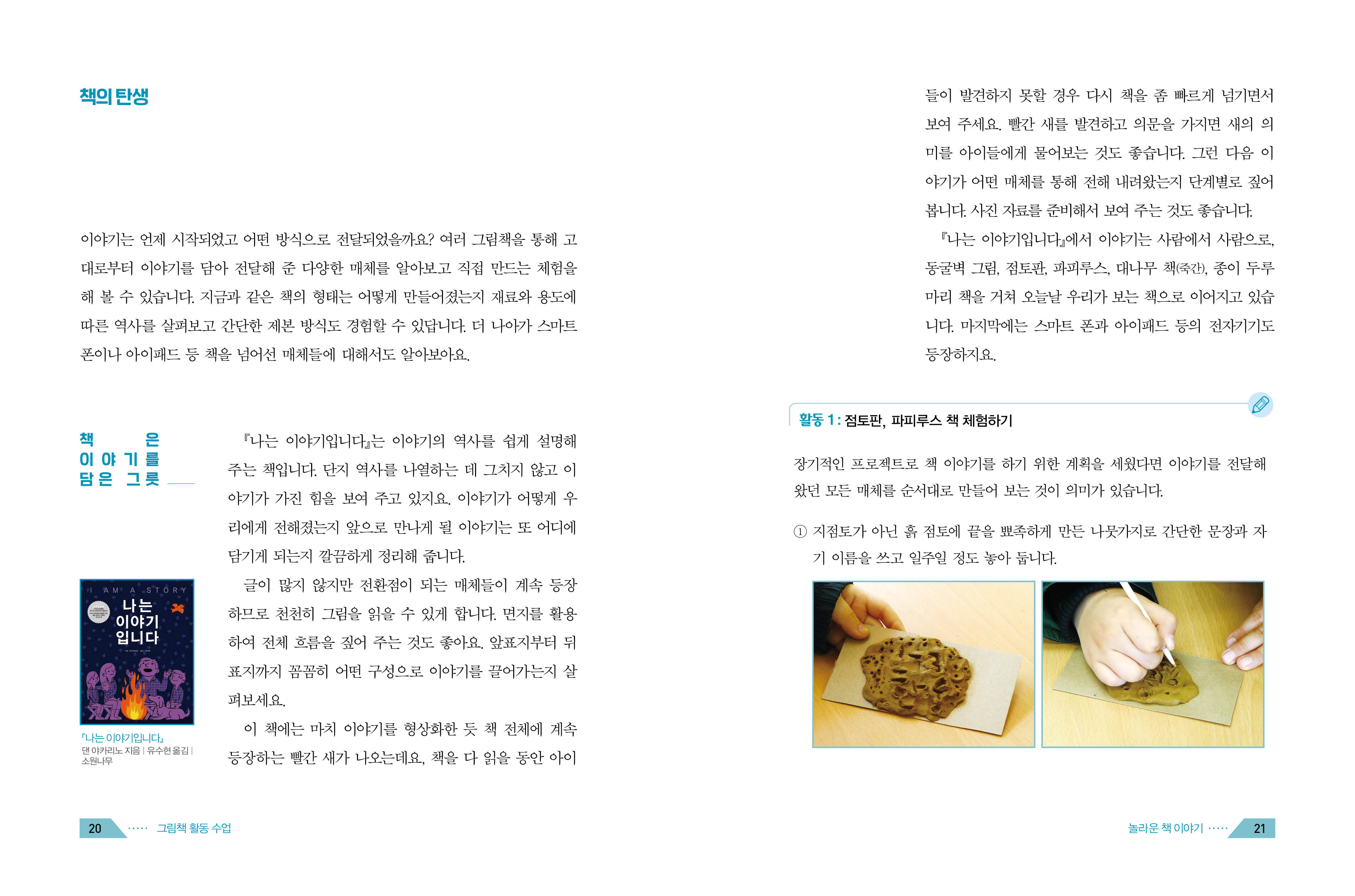
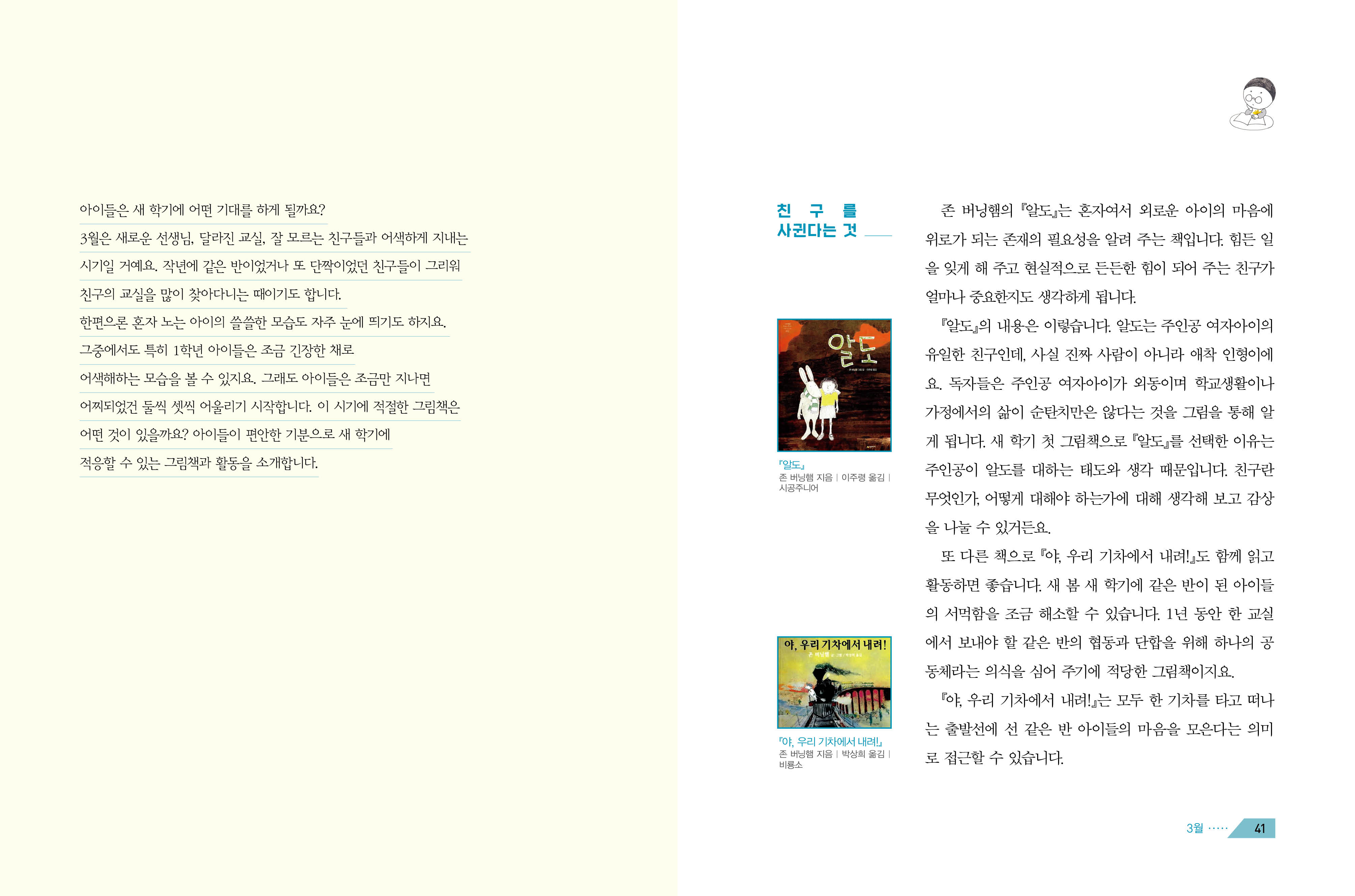
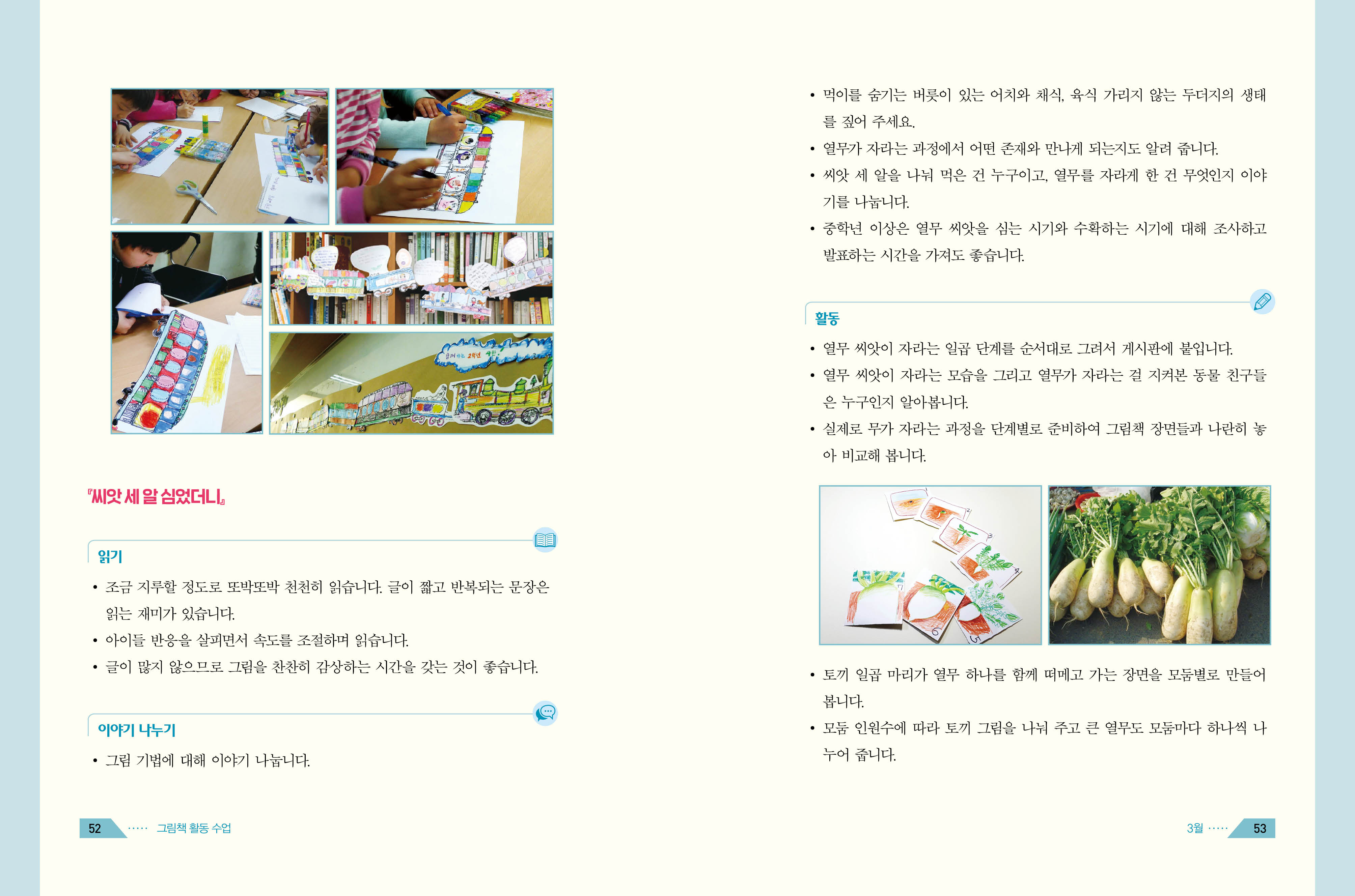
Into the book
"If I Were a Book" is a story told to people from the book's perspective.
Short texts and well-expressed pictures add to the fun.
This book was written by the father and illustrated by the son.
Younger children can focus on the pictures, while older children or teenagers can discuss the book and think about its meaning.
When reading a book, read slowly so that you can fully appreciate the illustrations and pay attention to the structure from the cover to the inside pages.
The picture that looks a bit blurry is a lithographic technique. Please explain the drawing technique by comparing it to other picture books.
--- From "Amazing Book Stories"
"Sophie's Going to Antarctica," a children's book based on the author's experiences traveling to Antarctica, allows children to see and experience many things that can only be seen in Antarctica.
It's also interesting that the cover is decorated to look like broken Antarctic ice floating around, as it's a story told by a child on an icebreaker.
This book has so much to say from the cover up that anyone in middle school or above will enjoy it.
This book is a great combination of specific examples about Antarctica, child-like drawings, and abundant photographs.
--- From "August | Climate Change, Glaciers, and Polar Animals"
In the beginning of "Soli's Chuseok Story," we see Soli waiting for and preparing for Chuseok with excitement at the thought of returning to her hometown.
It also contains the joyous moments with relatives whom she hasn't seen in a long time, various foods and customs, and the grandmother's heart as she prepares for the event, losing sleep over the thought of her children.
From the illustration on the inside cover to the illustration on the back cover, it fully captures the spirit of Chuseok.
Just by reading the pictures slowly, you can tell a lot of stories.
--- From "September | The Joy of Grains and Harvest, Chuseok with Family"
"The Owl and the Full Moon" is a book that reminds us of the meaning of growing up another year by filling up a full year.
On a cold winter night with a full moon, a father and daughter walk together through the dark forest to see an owl.
You can enjoy the rite of passage for growth with poetic writing.
This book is so beautifully presented and presented that you can enjoy it slowly and discuss it.
This is a book that can be enjoyed by people of all ages, from middle school and older children to teenagers.
--- From "December | The Beginning of Winter Vacation, Cold Winter and Christmas"
"Frederick" was published in 1968.
Author Leo Lionni didn't initially intend to become a children's book author.
The reason I created the picture book was to calm my grandchildren who were running around on the train.
On that train, 'Blue and Yellow' were created by tearing up magazines.
Leo Lionni completes his books using techniques that any child has probably tried at least once.
We use techniques such as collage, stamping, tear-and-paste, and cut-and-paste, and we also express ourselves in a variety of ways with materials such as colored pencils, crayons, and watercolors.
In the case of ‘Frederick’, it is a collage work mainly expressed through tearing and folding.
Short texts and well-expressed pictures add to the fun.
This book was written by the father and illustrated by the son.
Younger children can focus on the pictures, while older children or teenagers can discuss the book and think about its meaning.
When reading a book, read slowly so that you can fully appreciate the illustrations and pay attention to the structure from the cover to the inside pages.
The picture that looks a bit blurry is a lithographic technique. Please explain the drawing technique by comparing it to other picture books.
--- From "Amazing Book Stories"
"Sophie's Going to Antarctica," a children's book based on the author's experiences traveling to Antarctica, allows children to see and experience many things that can only be seen in Antarctica.
It's also interesting that the cover is decorated to look like broken Antarctic ice floating around, as it's a story told by a child on an icebreaker.
This book has so much to say from the cover up that anyone in middle school or above will enjoy it.
This book is a great combination of specific examples about Antarctica, child-like drawings, and abundant photographs.
--- From "August | Climate Change, Glaciers, and Polar Animals"
In the beginning of "Soli's Chuseok Story," we see Soli waiting for and preparing for Chuseok with excitement at the thought of returning to her hometown.
It also contains the joyous moments with relatives whom she hasn't seen in a long time, various foods and customs, and the grandmother's heart as she prepares for the event, losing sleep over the thought of her children.
From the illustration on the inside cover to the illustration on the back cover, it fully captures the spirit of Chuseok.
Just by reading the pictures slowly, you can tell a lot of stories.
--- From "September | The Joy of Grains and Harvest, Chuseok with Family"
"The Owl and the Full Moon" is a book that reminds us of the meaning of growing up another year by filling up a full year.
On a cold winter night with a full moon, a father and daughter walk together through the dark forest to see an owl.
You can enjoy the rite of passage for growth with poetic writing.
This book is so beautifully presented and presented that you can enjoy it slowly and discuss it.
This is a book that can be enjoyed by people of all ages, from middle school and older children to teenagers.
--- From "December | The Beginning of Winter Vacation, Cold Winter and Christmas"
"Frederick" was published in 1968.
Author Leo Lionni didn't initially intend to become a children's book author.
The reason I created the picture book was to calm my grandchildren who were running around on the train.
On that train, 'Blue and Yellow' were created by tearing up magazines.
Leo Lionni completes his books using techniques that any child has probably tried at least once.
We use techniques such as collage, stamping, tear-and-paste, and cut-and-paste, and we also express ourselves in a variety of ways with materials such as colored pencils, crayons, and watercolors.
In the case of ‘Frederick’, it is a collage work mainly expressed through tearing and folding.
--- From the "One Book Art Festival with 'Frederick'"
Publisher's Review
Includes practical application methods that can be applied in actual classes
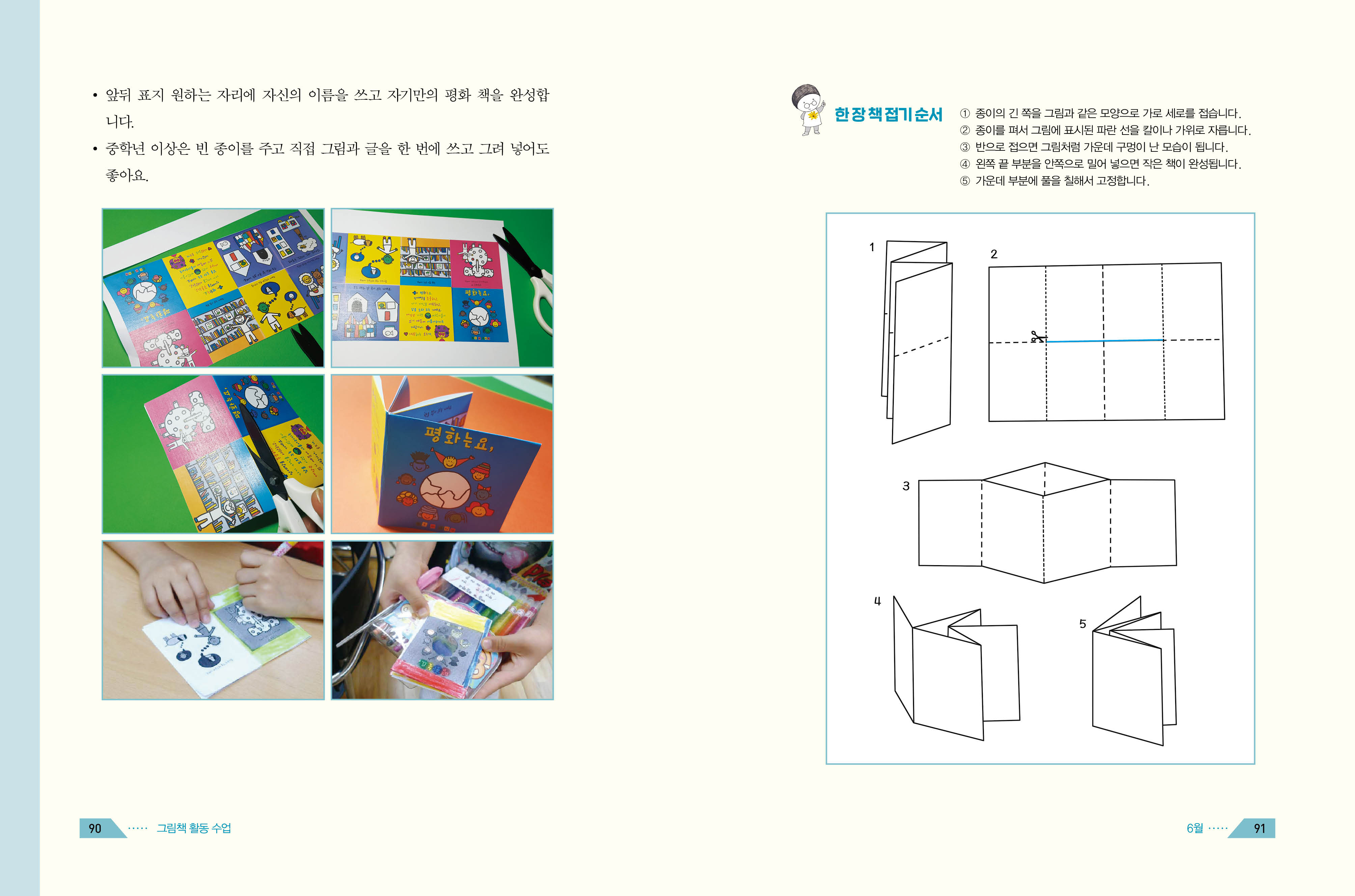
『Picture Book Activity Class』 contains the know-how of conducting picture book classes in places such as schools and libraries.
We read one picture book for a set amount of time and conducted post-reading activities using the images and main characters in the picture book to help students remember the book.
This book introduces several things to keep in mind when doing post-reading activities after picture books.
· The advantage of post-reading activities using picture books is that you can guide children to read the pictures.
· Remember that picture book images can play a crucial role in helping readers understand the content and derive themes.
· Be sure to check how the image work method or technique is applied according to the content.
· You can try different activities for each picture book author or each picture book.
· Make the most of the images in picture books.
『Picture Book Activity Class』 has the advantage of being able to provide a variety of extended classes with children of various ages because it introduces a variety of picture books that fit the theme.
It also presents a highly useful picture book class method that selects specific topics that can be applied to vacation reading camps and reading weeks and applies curation accordingly.
The course photos, resource photos, and activity sheets that capture actual class scenes will be of great help to teachers, librarians, and other picture book class instructors, as they show just how many different activities can be done with a single picture book.
『Picture Book Activity Class』 contains the know-how of conducting picture book classes in places such as schools and libraries.
We read one picture book for a set amount of time and conducted post-reading activities using the images and main characters in the picture book to help students remember the book.
This book introduces several things to keep in mind when doing post-reading activities after picture books.
· The advantage of post-reading activities using picture books is that you can guide children to read the pictures.
· Remember that picture book images can play a crucial role in helping readers understand the content and derive themes.
· Be sure to check how the image work method or technique is applied according to the content.
· You can try different activities for each picture book author or each picture book.
· Make the most of the images in picture books.
『Picture Book Activity Class』 has the advantage of being able to provide a variety of extended classes with children of various ages because it introduces a variety of picture books that fit the theme.
It also presents a highly useful picture book class method that selects specific topics that can be applied to vacation reading camps and reading weeks and applies curation accordingly.
The course photos, resource photos, and activity sheets that capture actual class scenes will be of great help to teachers, librarians, and other picture book class instructors, as they show just how many different activities can be done with a single picture book.
GOODS SPECIFICS
- Date of issue: June 12, 2019
- Page count, weight, size: 220 pages | 454g | 170*225*14mm
- ISBN13: 9788969150592
- ISBN10: 8969150595
You may also like
카테고리
korean


korean

![GQ KOREA Mark (Monthly): December [2025]](http://librairie.coreenne.fr/cdn/shop/files/8ef265dbbfbf186523ed75ba7319009d.jpg?v=1765340328&width=3840)


