

Sipjukjaejeonbo
 |
Description
Book Introduction
A cultural arts book introducing paintings from classical texts that have significance in the history of civilization.
The 16th century was not only the period when the Reformation began.
The 16th century in the West was also a time of discovery of the New World and the emergence of a new perspective on scientific and technological progress by Francis Bacon.
And the scientific development of the West that began in this way subsequently brought about a global transformation of civilization.
Western science, in name and reality, laid the foundation for modern times and began to drive global civilization.
What we have learned from collecting and examining data on modern Western science for a long time is that the development of modern Western science is inextricably linked to the development of modern metal movable type printing, and that the rapid development of copperplate printing technology spurred scientists' factual research.
Around that time, as the field of natural history, which had been studying nature as a whole, began to branch out and emerge in various fields, modern scientists began to use the newly introduced printing and copperplate technologies to publish not just academic papers containing only content, but also original and surprising books to actually demonstrate their scientific research.
The moment we confirmed these achievements, we decided to introduce these materials to South Korea without fail.
It is called the Classic Picture Series.
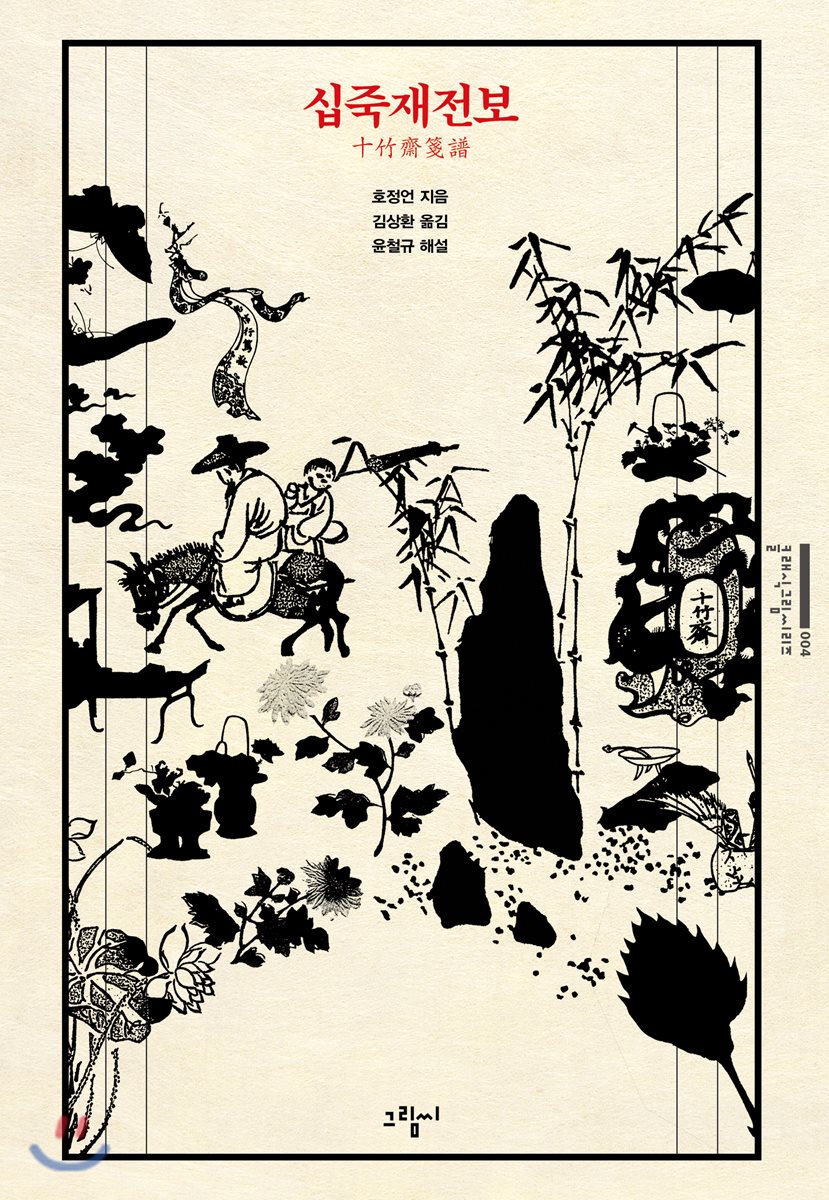
Following the previously published 『Structure of the Human Body』, 『Artistic Forms of Nature』, and 『Birds of North America』, 『Sipjukjaejeonbo』 is the fourth book to be published.
The 16th century was not only the period when the Reformation began.
The 16th century in the West was also a time of discovery of the New World and the emergence of a new perspective on scientific and technological progress by Francis Bacon.
And the scientific development of the West that began in this way subsequently brought about a global transformation of civilization.
Western science, in name and reality, laid the foundation for modern times and began to drive global civilization.
What we have learned from collecting and examining data on modern Western science for a long time is that the development of modern Western science is inextricably linked to the development of modern metal movable type printing, and that the rapid development of copperplate printing technology spurred scientists' factual research.
Around that time, as the field of natural history, which had been studying nature as a whole, began to branch out and emerge in various fields, modern scientists began to use the newly introduced printing and copperplate technologies to publish not just academic papers containing only content, but also original and surprising books to actually demonstrate their scientific research.
The moment we confirmed these achievements, we decided to introduce these materials to South Korea without fail.
It is called the Classic Picture Series.
Following the previously published 『Structure of the Human Body』, 『Artistic Forms of Nature』, and 『Birds of North America』, 『Sipjukjaejeonbo』 is the fourth book to be published.
- You can preview some of the book's contents.
Preview
index
commentary
Telegram Preface
Sipjukjaejeonboseo
001 Qinggong?
002 Qinggong?
003 Qinggong?
004 Fossil
005 Fossil
006 Fossil
007 Park Go
008 Park Go
009 Park Go
010 Painting and Poetry
011 Painting and Poetry
012 Painting and Poetry
013 Painting and Poetry
014 Weird Stone
015 Weird Stone
016 Amazing Stone
017 Eunil
018 Eunil
019 Eunil
020 Sasaeng Sasaeng
021 Sasaeng Sasaeng
022 Sasaeng (Sasaeng)
023 Dragon species
024 Dragon Species
025 Dragon Species
026 Seungram
027 Seungram
028 Seungram
029 Entering the forest
030 Entering the forest
031 Entering the forest
032 Entering the forest
033 No Flower
034 No Flower
035 Phoenix
036 Phoenix
037 Jeojeongjeong
038 Gift of Merit
039 Jeoljeong
040 Gift of Merit
041 Ink Friend
042 Ink Friend
043 Ink Friend
044 Ink Friend
045 Awan
046 Awan
047 Yeoran
048 Like an orchid
049 Like an orchid
050 Nanny
051 Nanny
052 Nanny
053 Chehwa?華
054 Chehwa?華
055 Chehwa?華
056 Request
057 Request
058 Request
Rule 059
Rule 060
Rule 061
Rule 062
063 Minhak
064 Minhak
065 Minhak
066 Minhak
067 Minhak
068 Extreme cultivation
069 Extreme cultivation
070 Sangji?
071 Sangji?
072 Sangji?
073 Latitude
074 Latitude
075 Latitude
076 High Mark
077 High Mark
078 High Mark
079 Proposal
080 Proposal
081 Proposal
082 Sujeong (壽徵)
083 Sujeong
084 Sujeong (壽徵)
085 Yeongseo
086 Yeongseo
087 Yeongseo
088 Fragrant Snow
089 Fragrant Snow
090 Luck?
091 Luck?
092 Luck?
093 Rhyme?
094 Boso
095 Boso
096 Nameplate
097 Nameplate
098 Miscellaneous Writings
099 Miscellaneous writings
100 Miscellaneous Writings
Telegram Preface
Sipjukjaejeonboseo
001 Qinggong?
002 Qinggong?
003 Qinggong?
004 Fossil
005 Fossil
006 Fossil
007 Park Go
008 Park Go
009 Park Go
010 Painting and Poetry
011 Painting and Poetry
012 Painting and Poetry
013 Painting and Poetry
014 Weird Stone
015 Weird Stone
016 Amazing Stone
017 Eunil
018 Eunil
019 Eunil
020 Sasaeng Sasaeng
021 Sasaeng Sasaeng
022 Sasaeng (Sasaeng)
023 Dragon species
024 Dragon Species
025 Dragon Species
026 Seungram
027 Seungram
028 Seungram
029 Entering the forest
030 Entering the forest
031 Entering the forest
032 Entering the forest
033 No Flower
034 No Flower
035 Phoenix
036 Phoenix
037 Jeojeongjeong
038 Gift of Merit
039 Jeoljeong
040 Gift of Merit
041 Ink Friend
042 Ink Friend
043 Ink Friend
044 Ink Friend
045 Awan
046 Awan
047 Yeoran
048 Like an orchid
049 Like an orchid
050 Nanny
051 Nanny
052 Nanny
053 Chehwa?華
054 Chehwa?華
055 Chehwa?華
056 Request
057 Request
058 Request
Rule 059
Rule 060
Rule 061
Rule 062
063 Minhak
064 Minhak
065 Minhak
066 Minhak
067 Minhak
068 Extreme cultivation
069 Extreme cultivation
070 Sangji?
071 Sangji?
072 Sangji?
073 Latitude
074 Latitude
075 Latitude
076 High Mark
077 High Mark
078 High Mark
079 Proposal
080 Proposal
081 Proposal
082 Sujeong (壽徵)
083 Sujeong
084 Sujeong (壽徵)
085 Yeongseo
086 Yeongseo
087 Yeongseo
088 Fragrant Snow
089 Fragrant Snow
090 Luck?
091 Luck?
092 Luck?
093 Rhyme?
094 Boso
095 Boso
096 Nameplate
097 Nameplate
098 Miscellaneous Writings
099 Miscellaneous writings
100 Miscellaneous Writings
Detailed image

Publisher's Review
《Sipjukjae Jeonbo》
China's greatest masterpiece, "The Ten Bamboo and Cave Chronicles"
Jeon (箋) refers to a small piece of paper used to write letters or poems.
It started in ancient times as a piece of paper with different opinions or comments written between bookmarks.
After that, he wrote letters on this paper and sent them, and also wrote short poems.
From the time when poetry was written, decorations were added.
It is made by dyeing paper or stamping a pattern on it.
This is poetry seal paper.
Among the poems written by the poet Xue Dao in the late Tang Dynasty, the poem Xue Dao Zhuan and the poem Sagong Zhuan written by the official Xie Jingchao in the early Northern Song Dynasty are famous.
Seol Do became a gisaeng (official gisaeng) after her father died at an early age. She became friends with poets such as Won Jin, Baek Geui, Du Mok, and Yu Jong Won, and was known as a poet gisaeng for her ability to write poetry.
After retiring from the government post, Seoldo used the famous high-quality paper from the city where he lived to create colored paper sheets and used them to create poems with patterns of people, flowers, trees, insects, and birds.
This is called a challenge.
After Seol Do's death, Sa Gyeong-cho of the Northern Song Dynasty created a ten-color battery like Seol Do and used it to revive Shi Jeon-ji. This is the Sagong Jeon.
The poetry records created in this way continued until the end of the Qing Dynasty, and the one considered to be the greatest masterpiece in the long history of Chinese poetry records is the "Sibjukjae Jeonbo."
Ho Jeong-eon, publishing business at Sipjukjae
In the early Ming Dynasty, it was a society where anyone could take the civil service examination, and as a result, the number of literate people who could read and write increased significantly by the end of the Ming Dynasty.
As a result, the number of people working in writing-related industries increased, and as the publishing culture flourished, a variety of publications poured out.
At this time, the wealthy class of Gangnam, the center of the economy, enjoyed a literary life by inviting prominent figures to poetry sessions in their well-kept gardens, and a boom in collecting calligraphy, paintings, and antiques occurred.
At the same time, pictorial publications increased.
The tastes of the literary community at the end of the Ming Dynasty created an atmosphere for Ho Jeong-eon's publishing business.
Ho Jeong-eon planted about ten bamboo trees around his house and named his house Sipjukjae. He created a poetry book there and planned and produced the Sipjukjae Jeonbo.
The "Sibjukjae Jeonbo" is considered a great achievement that cannot be left out in the history of Chinese publishing and printing culture, and its patterns and printing are indescribably elaborate and beautiful.
This praise comes from two techniques that Ho Jeong-eon has painstakingly mastered.
Because the first one used polychrome woodblock printing techniques.
Many plates were printed multiple times in the same location, dividing the plates into main colors such as red, yellow, and blue, and producing separate plates to express the gradation effect of the colors changing according to the light and shade.
The many woodblocks needed to print these multi-colored woodblocks are said to resemble a doujeong, a plate full of food laid out during a ritual, so it is also called the dupan technique.
In addition to the dupan technique, the republican technique was added, which is a technique in which a woodblock with a pattern carved on it is rubbed with a baren without any color, so that a raised pattern is carved into the paper like a concave pattern.
The republican technique has existed since ancient times, but was forgotten and then revived at this time.
The patterns printed with the republican technique can only be seen when viewed in sunlight or shade.
The composition and contents of the Sipjukjaejeonbo
The 《Sipjukjaejeonbo》 published by Ho Jeong-eon contains a total of 261 pieces in 33 volumes.
The various cases in which the city card is used are categorized into items, including everyday inquiries to close family and friends, as well as various cases necessary for social life.
For each episode, we created 6 to 12 poems based on historical facts, famous anecdotes, and symbolic objects that fit the theme.
This book focuses on introducing all 33 items classified by Ho Jeong-eon, and selects and includes 100 points by selecting 2 to 5 representative contents from each item to help with overall understanding.
The paintings depicted in the poems are based on historical facts or events in China, anecdotes related to famous people, and symbolic objects.
A brief explanation was added to help understanding the meaning or symbolic meaning of the pictures in the selected poems.
In addition, the inscriptions in the paintings that Ho Jeong-eon engraved along with the paintings were explained as much as possible so that they could be understood along with the paintings.
China's greatest masterpiece, "The Ten Bamboo and Cave Chronicles"
Jeon (箋) refers to a small piece of paper used to write letters or poems.
It started in ancient times as a piece of paper with different opinions or comments written between bookmarks.
After that, he wrote letters on this paper and sent them, and also wrote short poems.
From the time when poetry was written, decorations were added.
It is made by dyeing paper or stamping a pattern on it.
This is poetry seal paper.
Among the poems written by the poet Xue Dao in the late Tang Dynasty, the poem Xue Dao Zhuan and the poem Sagong Zhuan written by the official Xie Jingchao in the early Northern Song Dynasty are famous.
Seol Do became a gisaeng (official gisaeng) after her father died at an early age. She became friends with poets such as Won Jin, Baek Geui, Du Mok, and Yu Jong Won, and was known as a poet gisaeng for her ability to write poetry.
After retiring from the government post, Seoldo used the famous high-quality paper from the city where he lived to create colored paper sheets and used them to create poems with patterns of people, flowers, trees, insects, and birds.
This is called a challenge.
After Seol Do's death, Sa Gyeong-cho of the Northern Song Dynasty created a ten-color battery like Seol Do and used it to revive Shi Jeon-ji. This is the Sagong Jeon.
The poetry records created in this way continued until the end of the Qing Dynasty, and the one considered to be the greatest masterpiece in the long history of Chinese poetry records is the "Sibjukjae Jeonbo."
Ho Jeong-eon, publishing business at Sipjukjae
In the early Ming Dynasty, it was a society where anyone could take the civil service examination, and as a result, the number of literate people who could read and write increased significantly by the end of the Ming Dynasty.
As a result, the number of people working in writing-related industries increased, and as the publishing culture flourished, a variety of publications poured out.
At this time, the wealthy class of Gangnam, the center of the economy, enjoyed a literary life by inviting prominent figures to poetry sessions in their well-kept gardens, and a boom in collecting calligraphy, paintings, and antiques occurred.
At the same time, pictorial publications increased.
The tastes of the literary community at the end of the Ming Dynasty created an atmosphere for Ho Jeong-eon's publishing business.
Ho Jeong-eon planted about ten bamboo trees around his house and named his house Sipjukjae. He created a poetry book there and planned and produced the Sipjukjae Jeonbo.
The "Sibjukjae Jeonbo" is considered a great achievement that cannot be left out in the history of Chinese publishing and printing culture, and its patterns and printing are indescribably elaborate and beautiful.
This praise comes from two techniques that Ho Jeong-eon has painstakingly mastered.
Because the first one used polychrome woodblock printing techniques.
Many plates were printed multiple times in the same location, dividing the plates into main colors such as red, yellow, and blue, and producing separate plates to express the gradation effect of the colors changing according to the light and shade.
The many woodblocks needed to print these multi-colored woodblocks are said to resemble a doujeong, a plate full of food laid out during a ritual, so it is also called the dupan technique.
In addition to the dupan technique, the republican technique was added, which is a technique in which a woodblock with a pattern carved on it is rubbed with a baren without any color, so that a raised pattern is carved into the paper like a concave pattern.
The republican technique has existed since ancient times, but was forgotten and then revived at this time.
The patterns printed with the republican technique can only be seen when viewed in sunlight or shade.
The composition and contents of the Sipjukjaejeonbo
The 《Sipjukjaejeonbo》 published by Ho Jeong-eon contains a total of 261 pieces in 33 volumes.
The various cases in which the city card is used are categorized into items, including everyday inquiries to close family and friends, as well as various cases necessary for social life.
For each episode, we created 6 to 12 poems based on historical facts, famous anecdotes, and symbolic objects that fit the theme.
This book focuses on introducing all 33 items classified by Ho Jeong-eon, and selects and includes 100 points by selecting 2 to 5 representative contents from each item to help with overall understanding.
The paintings depicted in the poems are based on historical facts or events in China, anecdotes related to famous people, and symbolic objects.
A brief explanation was added to help understanding the meaning or symbolic meaning of the pictures in the selected poems.
In addition, the inscriptions in the paintings that Ho Jeong-eon engraved along with the paintings were explained as much as possible so that they could be understood along with the paintings.
GOODS SPECIFICS
- Date of issue: August 30, 2018
- Format: Hardcover book binding method guide
- Page count, weight, size: 264 pages | 478g | 130*188*20mm
- ISBN13: 9791189231019
- ISBN10: 1189231018
You may also like
카테고리
korean


korean

![GQ KOREA Mark (Monthly): December [2025]](http://librairie.coreenne.fr/cdn/shop/files/8ef265dbbfbf186523ed75ba7319009d.jpg?v=1765340328&width=3840)


