

Geography Research Methodology
 |
Description
Book Introduction
A comprehensive introduction to geographic research methodology
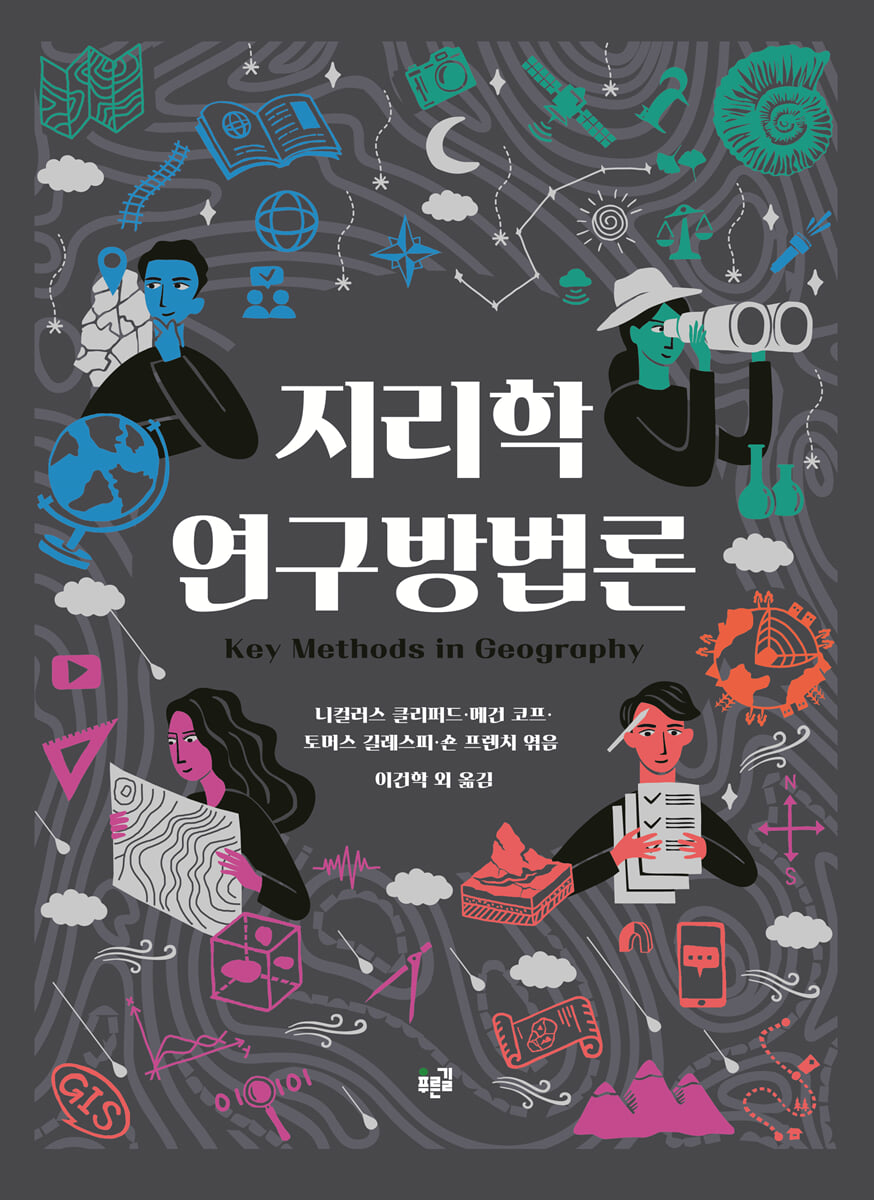
『Research Methodology in Geography』 covers a wide range of geographic research areas, from the natural environment to human activities.
In terms of research methods, it includes both quantitative and qualitative research, and introduces everything from traditional field research to cutting-edge methodologies such as GIS, satellite image analysis, and social network analysis.
However, what makes this book more special is that it goes beyond simply introducing research methodology and comprehensively presents the research methodology used within the overall 'process' of geographical research.
Part 1 introduces the overall process of geography research, covering key issues that should not be overlooked when embarking on research, such as fieldwork, overseas research, risk and safety management, and ethical issues.
Part 2 introduces a wide range of research methods, from the typical survey, interview, and participant observation approaches of human geography to somewhat newer fields such as the analysis of affect, text, and visual images, and even the study of online spaces.
Part 3 covers the field of natural and environmental geography, introducing various data processing and analysis techniques such as fieldwork, remote sensing, GIS analysis, and simulation.
Part 4 introduces specific methods for analyzing and interpreting geographic data, including statistical techniques for quantitative data, mapping, the use of GIS, and methods for analyzing qualitative data and video/audio data.
This book provides a useful research guide and reference material for preparing and conducting dissertation research, journal articles, or various geography projects.
In particular, we provide key research papers, in-depth reading materials, data, and activity examples online to help readers put geography research into practice.
『Research Methodology in Geography』 covers a wide range of geographic research areas, from the natural environment to human activities.
In terms of research methods, it includes both quantitative and qualitative research, and introduces everything from traditional field research to cutting-edge methodologies such as GIS, satellite image analysis, and social network analysis.
However, what makes this book more special is that it goes beyond simply introducing research methodology and comprehensively presents the research methodology used within the overall 'process' of geographical research.
Part 1 introduces the overall process of geography research, covering key issues that should not be overlooked when embarking on research, such as fieldwork, overseas research, risk and safety management, and ethical issues.
Part 2 introduces a wide range of research methods, from the typical survey, interview, and participant observation approaches of human geography to somewhat newer fields such as the analysis of affect, text, and visual images, and even the study of online spaces.
Part 3 covers the field of natural and environmental geography, introducing various data processing and analysis techniques such as fieldwork, remote sensing, GIS analysis, and simulation.
Part 4 introduces specific methods for analyzing and interpreting geographic data, including statistical techniques for quantitative data, mapping, the use of GIS, and methods for analyzing qualitative data and video/audio data.
This book provides a useful research guide and reference material for preparing and conducting dissertation research, journal articles, or various geography projects.
In particular, we provide key research papers, in-depth reading materials, data, and activity examples online to help readers put geography research into practice.
- You can preview some of the book's contents.
Preview
index
Translator's Preface
introduction
Introduction to the official website
time
Picture order
Table of Contents
Part 1: Planning Your Research Project: Getting Started
1.
The beginning of geographic studies
2.
Health, Safety, and Risk in Field Investigations
3.
Geography Research Ethics
4.
Literature search methods
5.
Effective Research Communication
6.
Research in other cultures and language areas
Part 2: Data Collection and Research in Human Geography
7.
Historical and Archival Research
8.
Survey
9.
Semi-structured interviews and focus groups
10.
Respondent Diary_199
11.
Participatory and non-participatory observation
12.
Exploration of emotions and feelings
13.
Participatory behavior research
14.
Text analysis
15.
Visual image interpretation
16.
Geographical Research Using Geotagged Social Data
17.
Virtual Community Research
18.
Critical GIS
19.
Quantitative models in human geography
Part 3: Data Collection and Research in Physical and Environmental Geography
20.
Observation and measurement in the field
21.
Laboratory analysis
22.
Gaining Insights from the Past: Paleoecological Studies of Terrestrial Ecosystems
23.
Numerical Modeling: Explanation and Prediction in Physical Geography
24.
Simulation and Complexity Reduction Models
25.
Remote Sensing and Satellite Earth Observation
26.
Digital Terrain Analysis
27.
Environmental Information System
28.
Models and data in biogeography and landscape ecology
29.
Environmental Impact Assessment, Audit, and Valuation
Part 4: Geographic Analysis: Representing, Visualizing, and Interpreting Geographic Data
30.
Using secondary data
31.
Spatial data exploration and descriptive statistics
32.
Quantitative data exploration and presentation
33.
Case study methodology
34.
Mapping and diagramming
35. Statistical Analysis Using MINITAB and SPSS
36.
Organizing, coding, and analyzing qualitative data
37. Utilization of GIS
38.
Utilizing video, audio, and cutting-edge technology
Search
About the Author
introduction
Introduction to the official website
time
Picture order
Table of Contents
Part 1: Planning Your Research Project: Getting Started
1.
The beginning of geographic studies
2.
Health, Safety, and Risk in Field Investigations
3.
Geography Research Ethics
4.
Literature search methods
5.
Effective Research Communication
6.
Research in other cultures and language areas
Part 2: Data Collection and Research in Human Geography
7.
Historical and Archival Research
8.
Survey
9.
Semi-structured interviews and focus groups
10.
Respondent Diary_199
11.
Participatory and non-participatory observation
12.
Exploration of emotions and feelings
13.
Participatory behavior research
14.
Text analysis
15.
Visual image interpretation
16.
Geographical Research Using Geotagged Social Data
17.
Virtual Community Research
18.
Critical GIS
19.
Quantitative models in human geography
Part 3: Data Collection and Research in Physical and Environmental Geography
20.
Observation and measurement in the field
21.
Laboratory analysis
22.
Gaining Insights from the Past: Paleoecological Studies of Terrestrial Ecosystems
23.
Numerical Modeling: Explanation and Prediction in Physical Geography
24.
Simulation and Complexity Reduction Models
25.
Remote Sensing and Satellite Earth Observation
26.
Digital Terrain Analysis
27.
Environmental Information System
28.
Models and data in biogeography and landscape ecology
29.
Environmental Impact Assessment, Audit, and Valuation
Part 4: Geographic Analysis: Representing, Visualizing, and Interpreting Geographic Data
30.
Using secondary data
31.
Spatial data exploration and descriptive statistics
32.
Quantitative data exploration and presentation
33.
Case study methodology
34.
Mapping and diagramming
35. Statistical Analysis Using MINITAB and SPSS
36.
Organizing, coding, and analyzing qualitative data
37. Utilization of GIS
38.
Utilizing video, audio, and cutting-edge technology
Search
About the Author
Publisher's Review
Geography, a discipline perfectly suited to the era of convergence
Academic inquiry for a 'true' understanding of a phenomenon is possible through comprehensive insight through a multidimensional and multidisciplinary approach.
There was a time when industrialization dramatically improved the efficiency of specialized division of labor, but now we live in a more complex and advanced era.
Life in this era is increasingly moving beyond formal structures, and uncertain social phenomena are no longer well explained by existing segmented and specialized approaches.
The academic approaches that can best capture this trend of the times are ‘fusion’ and ‘synthesis.’
Convergence and synthesis are the essence of the geographical approach.
Geography explores the diverse foundations of human life and comprehensively studies the interactions between humans and the environment that occur on those foundations.
In other words, geography is present in all aspects of our lives, and a geographical approach to various natural and human phenomena contributes greatly to discovering new knowledge and imparting new values.
Geography encompasses a variety of philosophical foundations and approaches.
Moreover, it covers both quantitative and qualitative analysis methods and is involved in practice in all sectors of the real world.
However, despite the diversity and inclusiveness of geographic research methodologies, a more integrated and comprehensive approach is now required, and the demand for new data and analytical methods is increasing.
A comprehensive introduction to geographic research methodology
『Research Methodology in Geography』 covers a wide range of geographic research areas, from the natural environment to human activities.
In terms of research methods, it includes both quantitative and qualitative research, and introduces everything from traditional field research to cutting-edge methodologies such as GIS, satellite image analysis, and social network analysis.
However, what makes this book more special is that it goes beyond simply introducing research methodology and comprehensively presents the research methodology used within the overall 'process' of geographical research.
Part 1 introduces the overall process of geography research, covering key issues that should not be overlooked when embarking on research, such as fieldwork, overseas research, risk and safety management, and ethical issues.
Part 2 introduces a wide range of research methods, from the typical survey, interview, and participant observation approaches of human geography to somewhat newer fields such as the analysis of affect, text, and visual images, and even the study of online spaces.
Part 3 covers the field of natural and environmental geography, introducing various data processing and analysis techniques such as fieldwork, remote sensing, GIS analysis, and simulation.
Part 4 introduces specific methods for analyzing and interpreting geographic data, including statistical techniques for quantitative data, mapping, the use of GIS, and methods for analyzing qualitative data and video/audio data.
This book provides a useful research guide and reference material for preparing and conducting dissertation research, journal articles, or various geography projects.
In particular, we provide key research papers, in-depth reading materials, data, and activity examples online to help readers put geography research into practice.
Academic inquiry for a 'true' understanding of a phenomenon is possible through comprehensive insight through a multidimensional and multidisciplinary approach.
There was a time when industrialization dramatically improved the efficiency of specialized division of labor, but now we live in a more complex and advanced era.
Life in this era is increasingly moving beyond formal structures, and uncertain social phenomena are no longer well explained by existing segmented and specialized approaches.
The academic approaches that can best capture this trend of the times are ‘fusion’ and ‘synthesis.’
Convergence and synthesis are the essence of the geographical approach.
Geography explores the diverse foundations of human life and comprehensively studies the interactions between humans and the environment that occur on those foundations.
In other words, geography is present in all aspects of our lives, and a geographical approach to various natural and human phenomena contributes greatly to discovering new knowledge and imparting new values.
Geography encompasses a variety of philosophical foundations and approaches.
Moreover, it covers both quantitative and qualitative analysis methods and is involved in practice in all sectors of the real world.
However, despite the diversity and inclusiveness of geographic research methodologies, a more integrated and comprehensive approach is now required, and the demand for new data and analytical methods is increasing.
A comprehensive introduction to geographic research methodology
『Research Methodology in Geography』 covers a wide range of geographic research areas, from the natural environment to human activities.
In terms of research methods, it includes both quantitative and qualitative research, and introduces everything from traditional field research to cutting-edge methodologies such as GIS, satellite image analysis, and social network analysis.
However, what makes this book more special is that it goes beyond simply introducing research methodology and comprehensively presents the research methodology used within the overall 'process' of geographical research.
Part 1 introduces the overall process of geography research, covering key issues that should not be overlooked when embarking on research, such as fieldwork, overseas research, risk and safety management, and ethical issues.
Part 2 introduces a wide range of research methods, from the typical survey, interview, and participant observation approaches of human geography to somewhat newer fields such as the analysis of affect, text, and visual images, and even the study of online spaces.
Part 3 covers the field of natural and environmental geography, introducing various data processing and analysis techniques such as fieldwork, remote sensing, GIS analysis, and simulation.
Part 4 introduces specific methods for analyzing and interpreting geographic data, including statistical techniques for quantitative data, mapping, the use of GIS, and methods for analyzing qualitative data and video/audio data.
This book provides a useful research guide and reference material for preparing and conducting dissertation research, journal articles, or various geography projects.
In particular, we provide key research papers, in-depth reading materials, data, and activity examples online to help readers put geography research into practice.
GOODS SPECIFICS
- Publication date: February 14, 2022
- Page count, weight, size: 832 pages | 1,632g | 190*254*40mm
- ISBN13: 9788962919493
- ISBN10: 8962919494
You may also like
카테고리
korean


korean

![GQ KOREA Mark (Monthly): December [2025]](http://librairie.coreenne.fr/cdn/shop/files/8ef265dbbfbf186523ed75ba7319009d.jpg?v=1765340328&width=3840)


