

Babel, the Return of the Gods
 |
Description
Book Introduction
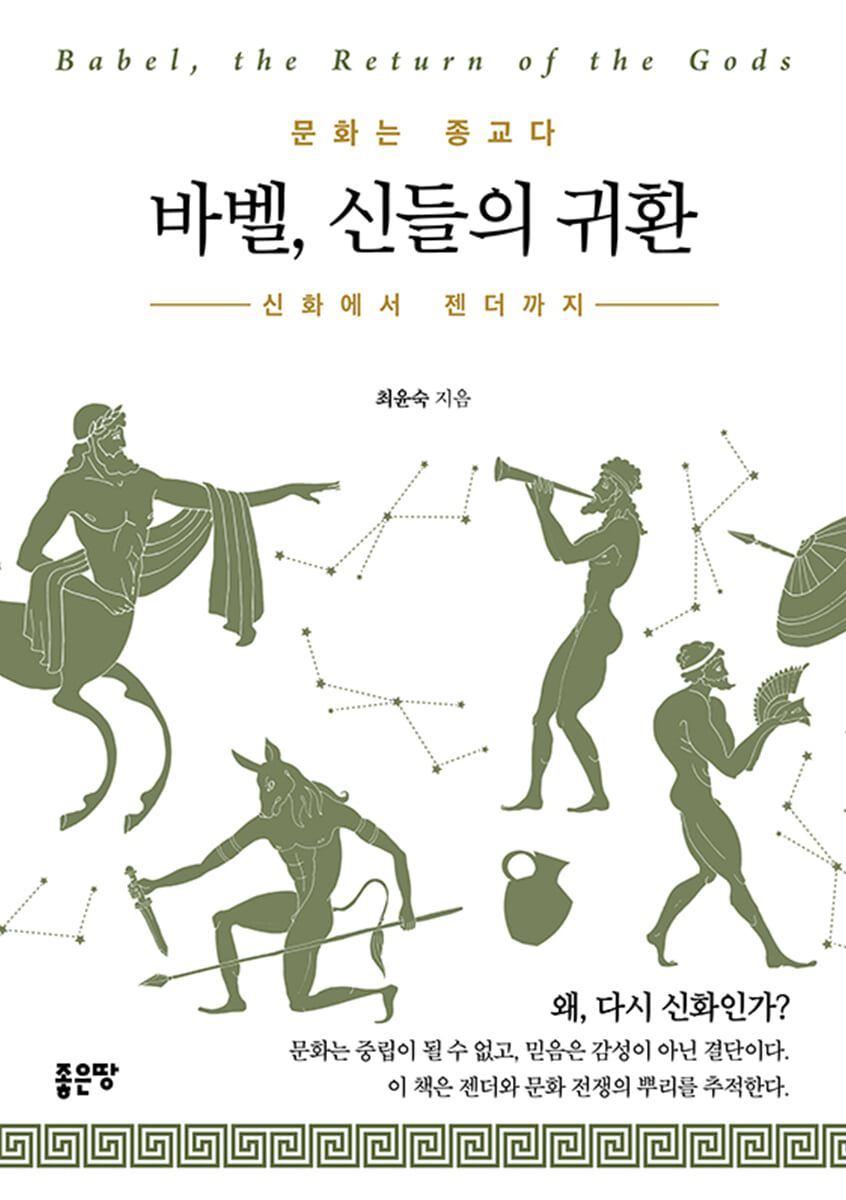
Babel: The Return of the Gods is an insightful book that analyzes the mythological worldview, gender ideology, psychology, the occult, and media phenomena that have permeated modern culture from the perspective of "spiritual warfare."
Author Choi Yun-suk begins by declaring, “Culture is religion,” and sharply points out the anti-Christian values and self-centered distortions of worship embedded in the content we mindlessly consume.
Tracing how mythology, philosophy, psychology, and gender discourse have replaced a God-centered worldview, it delivers a stark message: “Until worship is restored, this nation’s turmoil will not end.”
This book is not simply a cultural critique, but a record of a spiritual awakening that seeks to reestablish the essence of faith, society, worship, and worldview.
Author Choi Yun-suk begins by declaring, “Culture is religion,” and sharply points out the anti-Christian values and self-centered distortions of worship embedded in the content we mindlessly consume.
Tracing how mythology, philosophy, psychology, and gender discourse have replaced a God-centered worldview, it delivers a stark message: “Until worship is restored, this nation’s turmoil will not end.”
This book is not simply a cultural critique, but a record of a spiritual awakening that seeks to reestablish the essence of faith, society, worship, and worldview.
- You can preview some of the book's contents.
Preview
index
Recommendation
prolog
I.
The entrance in silence, the beginning of a crack
The Tabernacle of Babel, the Prelude to a Culture War
- Myth, the protocol of civilization that replaced creation
- Sumerian and Egyptian mythology, the scenario of worship that designed the New Order
II.
A creation story created by myth, a worldview that erases God
- Why do different myths have different creators?
- Creators of culture and environment
- A creation story that justifies the power order
- Ontological thirst and distorted answers
- Distortion of myths and worship
- Beyond the myth of Babel
III.
The Resurrection of Babel Culture Designed by Philosophy
- Plato, The Mythical Order Established by Philosophy (New Order World)
- Myth wrapped in philosophy
- Myth structured as an idea vs. Paul's gospel that risks life
- The Neoplatonic worldview that entered the church
- The battleground between Plato and mythology, Paul and the gospel
- The syncretism brought about by the acceptance of myths
- Constantine's strategy was to make the Gospel a religion…
- The Feast of Jehovah becomes a pagan festival and becomes religious through Constantine's scheme.
- A church that has lost its distinction
- Worship reform is an act of the gospel that destroys myths.
Today's worship is consuming mythology again.
IV.
Jericho conquered, Babel's culture unshakeable
- The small city of Jericho and the gigantic mythical city-state
- Myths engraved on the body, remembered order, and tattoos and desires
- Tattooing the soul of the dead
- Admiration leads to awe, awe leads to corruption…
- When the language of worship changes, the object of worship also changes.
V.
The principle that one permission destroys the whole
- The fallen altar, who is being praised?
- Jehovah is pushed aside as a religious act, and life is steeped in Baal.
- The land was conquered, but the culture was invaded.
- I offered my prayers, but the target was ambiguous.
- “Where are you going to worship today?” “A place with a nice atmosphere.”
A church that has lost its awe and become a checklist of tastes.
Did you forget the worship time? Good luck! I'll remind you.
God found through algorithms, sermons chosen to suit your taste
- Grace is only as good as my feelings are satisfied…
- Lord, please touch my emotions first ㅜㅜ
- If you are moved by the words and cry during praise, then it is grace!
VI.
The ruined sanctuary, the repeated corruption
- The era of self-reflection, the return of myth!
- The tragedy of privatized worship
In the Age of Convenience, Where Has Worship Been Headed?
- Human justice replacing God's judgment
- Man can never be a true judge.
- Myth wrapped in the epic of Utitia
Zombie movies, packaging death as a distorted form of life.
- The distorted image of resurrection, what are its repercussions?
Is Suicide Heroic? - A Narrative of False Glory Created by Myth
- A cultural code that glorifies death and encourages suicide.
- A myth-themed movie disguised as fiction
- The heroes of mythology who returned as idols
- The Golden Calf of Our Time, Idol and the Song Beneath Mount Sinai
VII.
The broken altar, the faith that seeks to save itself!
- An era in which psychology and self-comfort replace the gospel and are called "presence."
- Self-identity as seen through the inner mirror
- Narcissism, the psychology of self-worship
- Is MBTI self-understanding or an idolization of identity?
- Modern Psychology Through Film and Myth
The Gospel and Psychology: A Clash of Two Worldviews
VIII.
Mammon, a culture of materialism and materialism
- The age of Mammon, the god of abundance, and materialism
- The worldview of consumption instilled by the media
How the Mammon Empire's Matter Became God
- Mammon and Baal, nailed to the myth and resurrected with a credit card
- An era where culture dominates faith
IX.
The Return of Myth and the Worship of Creation
- The mythical beast swallowed the church.
- Pet worship, theological concerns, and biblical teachings
- The breakdown of the family opens the door to the collapse of the church.
A culture that normalizes divorce, the real victims of broken families
X.
Gender ideology, sexual revolution, and modern culture
- The Origins and Cultural Symbols of Homosexuality in Mythology
- The Realization of Gender Confusion and Sexual Revolution in Film and Contemporary Culture
- Gender confusion and the spread of cultural myths
Paul's Cry Against Hellenistic Culture! A Field of Massive Spiritual War
- Contemporary culture and gender ideology, anti-discrimination laws, and the shadow of the Cultural Revolution
XI.
New belief systems created by myths and films and the church's response
- A modern interpretation of ancient myths
- Emotions, self-salvation, moral relativism
- Direction for the church's response and restoration of faith
XII.
Occult Mythology Meets Modern Psychology
- The essence of a new faith that shakes the soul and the spiritual trap that captures the human mind.
- Symbols of occult motifs in movies and the unconsciousness and spiritual longing of modern people
- The Mysticism of MBTI and the Spiritual Challenge of Modern Psychology
- Mythological Psychology, the Salvation Narrative of Good Will Hunting
XIII.
Conclusion - Jeremiah's Tears, Shed for the Church Today: There is No Worship Without Repentance
- Holy Discernment Against Myths and Religious Integration
"Rebuild the altar!" A cry from the wilderness of this age.
Americas
prolog
I.
The entrance in silence, the beginning of a crack
The Tabernacle of Babel, the Prelude to a Culture War
- Myth, the protocol of civilization that replaced creation
- Sumerian and Egyptian mythology, the scenario of worship that designed the New Order
II.
A creation story created by myth, a worldview that erases God
- Why do different myths have different creators?
- Creators of culture and environment
- A creation story that justifies the power order
- Ontological thirst and distorted answers
- Distortion of myths and worship
- Beyond the myth of Babel
III.
The Resurrection of Babel Culture Designed by Philosophy
- Plato, The Mythical Order Established by Philosophy (New Order World)
- Myth wrapped in philosophy
- Myth structured as an idea vs. Paul's gospel that risks life
- The Neoplatonic worldview that entered the church
- The battleground between Plato and mythology, Paul and the gospel
- The syncretism brought about by the acceptance of myths
- Constantine's strategy was to make the Gospel a religion…
- The Feast of Jehovah becomes a pagan festival and becomes religious through Constantine's scheme.
- A church that has lost its distinction
- Worship reform is an act of the gospel that destroys myths.
Today's worship is consuming mythology again.
IV.
Jericho conquered, Babel's culture unshakeable
- The small city of Jericho and the gigantic mythical city-state
- Myths engraved on the body, remembered order, and tattoos and desires
- Tattooing the soul of the dead
- Admiration leads to awe, awe leads to corruption…
- When the language of worship changes, the object of worship also changes.
V.
The principle that one permission destroys the whole
- The fallen altar, who is being praised?
- Jehovah is pushed aside as a religious act, and life is steeped in Baal.
- The land was conquered, but the culture was invaded.
- I offered my prayers, but the target was ambiguous.
- “Where are you going to worship today?” “A place with a nice atmosphere.”
A church that has lost its awe and become a checklist of tastes.
Did you forget the worship time? Good luck! I'll remind you.
God found through algorithms, sermons chosen to suit your taste
- Grace is only as good as my feelings are satisfied…
- Lord, please touch my emotions first ㅜㅜ
- If you are moved by the words and cry during praise, then it is grace!
VI.
The ruined sanctuary, the repeated corruption
- The era of self-reflection, the return of myth!
- The tragedy of privatized worship
In the Age of Convenience, Where Has Worship Been Headed?
- Human justice replacing God's judgment
- Man can never be a true judge.
- Myth wrapped in the epic of Utitia
Zombie movies, packaging death as a distorted form of life.
- The distorted image of resurrection, what are its repercussions?
Is Suicide Heroic? - A Narrative of False Glory Created by Myth
- A cultural code that glorifies death and encourages suicide.
- A myth-themed movie disguised as fiction
- The heroes of mythology who returned as idols
- The Golden Calf of Our Time, Idol and the Song Beneath Mount Sinai
VII.
The broken altar, the faith that seeks to save itself!
- An era in which psychology and self-comfort replace the gospel and are called "presence."
- Self-identity as seen through the inner mirror
- Narcissism, the psychology of self-worship
- Is MBTI self-understanding or an idolization of identity?
- Modern Psychology Through Film and Myth
The Gospel and Psychology: A Clash of Two Worldviews
VIII.
Mammon, a culture of materialism and materialism
- The age of Mammon, the god of abundance, and materialism
- The worldview of consumption instilled by the media
How the Mammon Empire's Matter Became God
- Mammon and Baal, nailed to the myth and resurrected with a credit card
- An era where culture dominates faith
IX.
The Return of Myth and the Worship of Creation
- The mythical beast swallowed the church.
- Pet worship, theological concerns, and biblical teachings
- The breakdown of the family opens the door to the collapse of the church.
A culture that normalizes divorce, the real victims of broken families
X.
Gender ideology, sexual revolution, and modern culture
- The Origins and Cultural Symbols of Homosexuality in Mythology
- The Realization of Gender Confusion and Sexual Revolution in Film and Contemporary Culture
- Gender confusion and the spread of cultural myths
Paul's Cry Against Hellenistic Culture! A Field of Massive Spiritual War
- Contemporary culture and gender ideology, anti-discrimination laws, and the shadow of the Cultural Revolution
XI.
New belief systems created by myths and films and the church's response
- A modern interpretation of ancient myths
- Emotions, self-salvation, moral relativism
- Direction for the church's response and restoration of faith
XII.
Occult Mythology Meets Modern Psychology
- The essence of a new faith that shakes the soul and the spiritual trap that captures the human mind.
- Symbols of occult motifs in movies and the unconsciousness and spiritual longing of modern people
- The Mysticism of MBTI and the Spiritual Challenge of Modern Psychology
- Mythological Psychology, the Salvation Narrative of Good Will Hunting
XIII.
Conclusion - Jeremiah's Tears, Shed for the Church Today: There is No Worship Without Repentance
- Holy Discernment Against Myths and Religious Integration
"Rebuild the altar!" A cry from the wilderness of this age.
Americas
Publisher's Review
Babel: The Return of the Gods begins with the declaration, “Culture is religion.”
Author Choi Yun-suk captures how culture, gender, psychology, and media in modern society are not simply leisure activities, but religious structures that govern human worldview and identity.
It explores how mythical worldviews and anti-Christian values, secretly operating in movies, entertainment, and social media, are taking over people's hearts, and asks the fundamental question, "What are we worshipping now?"
The book analyzes how a human-centered order, created through a combination of mythology, philosophy, and psychology, replaced a God-centered creation faith.
In particular, it sharply criticizes the reality in which worship has been distorted into the consumption of emotions and tastes, and emphasizes that true worship is a response to the glory of God, not human satisfaction.
The author firmly asserts that the restoration of worship is the only way to resolve not only individual spiritual revival but also the division and confusion in society.
The author also reinterprets the currents of mythology, the occult, gender ideology, and psychology from a biblical perspective.
It shows that the ancient cult of the 'Queen of Heaven' has been revived in different forms in modern culture, warning that the return of the myth is not a mere repetition of the past, but a re-emergence of spiritual warfare.
Culture cannot be neutral, and it reminds us that what we consume and admire is often the direction of our worship.
《Babel, the Return of the Gods》 is a prophetic cry to an age that has lost the essence of faith.
When the church becomes tainted by worldly values and believers rely on emotions rather than truth, the author appeals with Jeremiah's tears, "Build the altar again."
This book is not simply a critique, but a desperate appeal for a return to God-centered worship, a spiritual wake-up call that ignites the spark of discernment and repentance for those living in turbulent times.
Author Choi Yun-suk captures how culture, gender, psychology, and media in modern society are not simply leisure activities, but religious structures that govern human worldview and identity.
It explores how mythical worldviews and anti-Christian values, secretly operating in movies, entertainment, and social media, are taking over people's hearts, and asks the fundamental question, "What are we worshipping now?"
The book analyzes how a human-centered order, created through a combination of mythology, philosophy, and psychology, replaced a God-centered creation faith.
In particular, it sharply criticizes the reality in which worship has been distorted into the consumption of emotions and tastes, and emphasizes that true worship is a response to the glory of God, not human satisfaction.
The author firmly asserts that the restoration of worship is the only way to resolve not only individual spiritual revival but also the division and confusion in society.
The author also reinterprets the currents of mythology, the occult, gender ideology, and psychology from a biblical perspective.
It shows that the ancient cult of the 'Queen of Heaven' has been revived in different forms in modern culture, warning that the return of the myth is not a mere repetition of the past, but a re-emergence of spiritual warfare.
Culture cannot be neutral, and it reminds us that what we consume and admire is often the direction of our worship.
《Babel, the Return of the Gods》 is a prophetic cry to an age that has lost the essence of faith.
When the church becomes tainted by worldly values and believers rely on emotions rather than truth, the author appeals with Jeremiah's tears, "Build the altar again."
This book is not simply a critique, but a desperate appeal for a return to God-centered worship, a spiritual wake-up call that ignites the spark of discernment and repentance for those living in turbulent times.
GOODS SPECIFICS
- Date of issue: November 10, 2025
- Page count, weight, size: 256 pages | 148*210*20mm
- ISBN13: 9791138848589
- ISBN10: 1138848581
You may also like
카테고리
korean


korean

![GQ KOREA Mark (Monthly): December [2025]](http://librairie.coreenne.fr/cdn/shop/files/8ef265dbbfbf186523ed75ba7319009d.jpg?v=1765340328&width=3840)


