

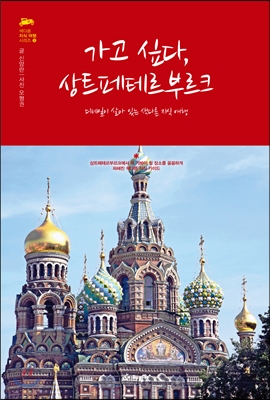
I want to go to St. Petersburg
 |
Description
Book Introduction
Delving into every nook and cranny of St. Petersburg, the Venice of the North
St. Petersburg, Russia's second largest city, is called the "Window to Europe," reflecting Peter the Great's ambitious plan to make it a gateway to Western European civilization.
"I Want to Go to St. Petersburg" is a book introducing St. Petersburg, a city that actively embraced Western European culture and developed a high-level urban culture.
A fascinating city, but with little travel information available, it is often considered an unknown world to travelers. This series, titled "A Unique Knowledge Journey with Lively Details," provides a detailed explanation of this fascinating city.
St. Petersburg, Russia's second largest city, is called the "Window to Europe," reflecting Peter the Great's ambitious plan to make it a gateway to Western European civilization.
"I Want to Go to St. Petersburg" is a book introducing St. Petersburg, a city that actively embraced Western European culture and developed a high-level urban culture.
A fascinating city, but with little travel information available, it is often considered an unknown world to travelers. This series, titled "A Unique Knowledge Journey with Lively Details," provides a detailed explanation of this fascinating city.
- You can preview some of the book's contents.
Preview
index
Understanding Cyrillic
『Reading History Stories First 1』 Russia's First Nation, the Principality of Kiev
『Reading History Stories First 2』 The Principality of Moscow and the 'Tatar Yoke'
『History Stories to Read First 3』 The Romanov Dynasty and the Russian Tsardom
『Reading History Stories First 4』 The Emperors of the Russian Empire
『History Stories to Read First 5』 The Russian Revolution and Vladimir Lenin
『Reading History Stories First 6』 The History of St. Petersburg
Chapter 1.
Hermitage
1.
Palace Square, the center of tourism in St. Petersburg
『Knowledge Charge』: Yermak Timofeevich, the Russian hero who conquered Siberia
2.
Winter Palace as an imperial residence
3.
The Hermitage as an art museum
Jordan Steps
『Knowledge Charge』 Caryatid and Atlas
Victory in the Battle of Poltava
Peter the Great's Room
Military Gallery
St. George's Hall
The Marriage of Mestra
Golden Peacock Watch
Archangels Raphael and Tobias
Rembrandt's 'The Return of the Prodigal Son'
David and Jonathan
Haman learns his fate
Jesus, the carpenter's son
Peter's life
Mycenae, patron of artists
The Death of Adonis
Raphael Corridor
Cephalus and Procris
Hagar, Ismail's mother
Bolshoi Church inside the Winter Palace
Alexander Hall
The Peacock Room
The Secret of the Pumpkin Room in "Knowledge Recharge"
Chapter 2.
State Russian Museum (Russkiy Muzey)
A museum with a distinct Russian flavor
Saints Boris and Gleb
Our Lady, Guide of the Way
『Knowledge Charge』 Grand Duke Vladimir's Embracing of Greek Orthodoxy
Marriage of Grand Duke Vladimir and Rogneda
The Major's Proposal
Susanna and the elders
Moses' bronze serpent
Don't catch me
The marriage of Vasily II
Ivan IV and the British Ambassador
Jesus visits sisters Martha and Mary
The Adulteress and Jesus
Yairo saves his daughter
Sadco
Saint Nicholas of Myra saves the lives of three young men
Zaporozhye Cossacks replying to the Turkish Sultan
Alexander Suvorov Crossing the Alps
May 7, 1901: The National Council was held to commemorate the 100th anniversary of the founding.
Chapter 3.
Cathedral of the Resurrection of Christ (Sobor Boskreseniya Khristova)
1.
The Temple of Blood, built on the site where the emperor was assassinated
『Knowledge Charge』 The Assassination of Alexander II
2.
Icons decorating the exterior of the cathedral
3.
Mosaics inside and around the central dome
4.
Central altar and surrounding mosaics
5.
Small altars on the left and right and wall mosaics
Chapter 4.
St. Isaac's Cathedral (Isaakievskiy sobor)
1.
The largest cathedral in St. Petersburg
2.
East Facade_Saint Isaac Dissuading Emperor Valens
3.
West Facade_St. Isaac Blessing Theodosius I
4.
South Façade_Adoration of the Magi and Shepherds
5.
North Facade_The Resurrection of Jesus
6.
Mosaics around the altar and the Tsar's Gate
7.
Central dome and surrounding mosaics
The Decembrist Rebellion and the Death of Miloradovich
Chapter 5.
Kazan Cathedral (Kazanskiy kafedral'nyy sobor)
1.
Kazan Cathedral, a source of pride for Russians
Our Lady of Kazan, "Knowledge Charge"
2.
Park Gong-wi's 'Eyes on the World'
3.
Exterior reliefs depicting Biblical stories
4.
The north door resembles the bronze doors of the Baptistery of San Giovanni
5.
Full-body statues on both sides of the north gate
6.
Statues of Russian heroes on either side of the cathedral
7.
A central dome resembling St. Peter's Basilica and an Orthodox-style altar
Chapter 6.
Peter and Paul Fortress (Petropavlovskaya krepost)
1.
Build a fortress in a new city
『Knowledge Charge』 The Great Emperor, Peter the Great
2.
The entrance to the fortress, Petrovsky Gate
3.
Peter and Paul Church, where the imperial family is buried
Peter the Great's "Knowledge Charge"
『Knowledge Charge』 Cruiser
『Knowledge Charge』 Rostral Lighthouse
Chapter 7.
Nevsky Monastery and Tikhvin Cemetery (Aleksandro-Nevskaya lavra & Tikhvinskoye kladbishche)
1.
In memory of Alexander Nevsky
『Knowledge Charge』 Russia's national hero, Alexander Nevsky
2.
Tikhvin Cemetery and Lazarev Cemetery, where great Russian figures are buried
Chapter 8.
Peter the Great's Summer Palace (Petrodvorets)
1.
The splendid summer palace of the frugal emperor
2.
Upper Garden, created above the Summer Palace
3.
A large fountain filled with the desire to resemble Europe
4.
Lower Park, which maximizes the beauty of the Summer Palace
『Reading History Stories First 1』 Russia's First Nation, the Principality of Kiev
『Reading History Stories First 2』 The Principality of Moscow and the 'Tatar Yoke'
『History Stories to Read First 3』 The Romanov Dynasty and the Russian Tsardom
『Reading History Stories First 4』 The Emperors of the Russian Empire
『History Stories to Read First 5』 The Russian Revolution and Vladimir Lenin
『Reading History Stories First 6』 The History of St. Petersburg
Chapter 1.
Hermitage
1.
Palace Square, the center of tourism in St. Petersburg
『Knowledge Charge』: Yermak Timofeevich, the Russian hero who conquered Siberia
2.
Winter Palace as an imperial residence
3.
The Hermitage as an art museum
Jordan Steps
『Knowledge Charge』 Caryatid and Atlas
Victory in the Battle of Poltava
Peter the Great's Room
Military Gallery
St. George's Hall
The Marriage of Mestra
Golden Peacock Watch
Archangels Raphael and Tobias
Rembrandt's 'The Return of the Prodigal Son'
David and Jonathan
Haman learns his fate
Jesus, the carpenter's son
Peter's life
Mycenae, patron of artists
The Death of Adonis
Raphael Corridor
Cephalus and Procris
Hagar, Ismail's mother
Bolshoi Church inside the Winter Palace
Alexander Hall
The Peacock Room
The Secret of the Pumpkin Room in "Knowledge Recharge"
Chapter 2.
State Russian Museum (Russkiy Muzey)
A museum with a distinct Russian flavor
Saints Boris and Gleb
Our Lady, Guide of the Way
『Knowledge Charge』 Grand Duke Vladimir's Embracing of Greek Orthodoxy
Marriage of Grand Duke Vladimir and Rogneda
The Major's Proposal
Susanna and the elders
Moses' bronze serpent
Don't catch me
The marriage of Vasily II
Ivan IV and the British Ambassador
Jesus visits sisters Martha and Mary
The Adulteress and Jesus
Yairo saves his daughter
Sadco
Saint Nicholas of Myra saves the lives of three young men
Zaporozhye Cossacks replying to the Turkish Sultan
Alexander Suvorov Crossing the Alps
May 7, 1901: The National Council was held to commemorate the 100th anniversary of the founding.
Chapter 3.
Cathedral of the Resurrection of Christ (Sobor Boskreseniya Khristova)
1.
The Temple of Blood, built on the site where the emperor was assassinated
『Knowledge Charge』 The Assassination of Alexander II
2.
Icons decorating the exterior of the cathedral
3.
Mosaics inside and around the central dome
4.
Central altar and surrounding mosaics
5.
Small altars on the left and right and wall mosaics
Chapter 4.
St. Isaac's Cathedral (Isaakievskiy sobor)
1.
The largest cathedral in St. Petersburg
2.
East Facade_Saint Isaac Dissuading Emperor Valens
3.
West Facade_St. Isaac Blessing Theodosius I
4.
South Façade_Adoration of the Magi and Shepherds
5.
North Facade_The Resurrection of Jesus
6.
Mosaics around the altar and the Tsar's Gate
7.
Central dome and surrounding mosaics
The Decembrist Rebellion and the Death of Miloradovich
Chapter 5.
Kazan Cathedral (Kazanskiy kafedral'nyy sobor)
1.
Kazan Cathedral, a source of pride for Russians
Our Lady of Kazan, "Knowledge Charge"
2.
Park Gong-wi's 'Eyes on the World'
3.
Exterior reliefs depicting Biblical stories
4.
The north door resembles the bronze doors of the Baptistery of San Giovanni
5.
Full-body statues on both sides of the north gate
6.
Statues of Russian heroes on either side of the cathedral
7.
A central dome resembling St. Peter's Basilica and an Orthodox-style altar
Chapter 6.
Peter and Paul Fortress (Petropavlovskaya krepost)
1.
Build a fortress in a new city
『Knowledge Charge』 The Great Emperor, Peter the Great
2.
The entrance to the fortress, Petrovsky Gate
3.
Peter and Paul Church, where the imperial family is buried
Peter the Great's "Knowledge Charge"
『Knowledge Charge』 Cruiser
『Knowledge Charge』 Rostral Lighthouse
Chapter 7.
Nevsky Monastery and Tikhvin Cemetery (Aleksandro-Nevskaya lavra & Tikhvinskoye kladbishche)
1.
In memory of Alexander Nevsky
『Knowledge Charge』 Russia's national hero, Alexander Nevsky
2.
Tikhvin Cemetery and Lazarev Cemetery, where great Russian figures are buried
Chapter 8.
Peter the Great's Summer Palace (Petrodvorets)
1.
The splendid summer palace of the frugal emperor
2.
Upper Garden, created above the Summer Palace
3.
A large fountain filled with the desire to resemble Europe
4.
Lower Park, which maximizes the beauty of the Summer Palace
Detailed image

Into the book
Peter the Great's successor was Catherine I (reigned 1725–1727).
She was the second wife of Peter I.
It is rare for a wife, not a child, to inherit the throne, so let's find out why this happened.
Catherine was a woman of humble origin.
It is said that he was captured when Russia was at war with Sweden.
It is said that she was sent to work as a maid in the Menshikov family, a close associate of Peter I, and was noticed while serving meals to Peter I during his visit there.
After that, she gave birth to the emperor's child and was appointed empress, and the couple had four sons and six daughters.
However, most of the children died young, and only Anna and Elizabeth lived to adulthood.
However, Peter I had a wife before Catherine.
Between the two, the eldest son, Aleksei, was born and was designated as the official successor.
However, Peter did not have a good relationship with his eldest son, and Alexei was eventually implicated in a treason case.
He was convicted and sentenced to death.
Although he died in prison from the aftereffects of torture before the execution, this incident prompted Peter I to reconsider his approach to selecting a successor.
That is, the system of primogeniture was abolished and replaced with a system in which the emperor designated the successor.
--- p.25 From “The Emperors of the Russian Empire”
The victory in the Battle of Poltava was of great significance both in Russian history and for Peter the Great.
Because it became an opportunity to upgrade Russia's status in the international order.
Therefore, Alexander Evstafyevich Kotzebue's 'The Victory at Poltava', which hangs in Room 193, means more than just a mere record of the war for the Russian people.
I think it is for the same reason that portraits of generals with significant significance in Russian history hang in the same room.
--- p.59 From “Victory in the Battle of Poltava”
On the upper part of the right pillar wall (the pillar forming the arch) in front of the closed house, there is a painting depicting Jesus praying in the Garden of Gethsemane.
Jesus, who came to Jerusalem for the Passover, had the Last Supper with his disciples and then took only three of them (Peter, James the son of Zebedee, and John) to the Garden of Gethsemane.
There, sensing his own death, he prayed earnestly to God. The disciples who had accompanied him fell asleep, and only an angel remained by Jesus' side as he prayed.
Below the 'Prayer in the Garden of Gethsemane' is a painting titled 'Jesus Before Caiaphas'.
In the Bible, there is a man named Caiaphas, who, along with Judas, is considered one of the people who led Jesus to death.
He was a high priest of Judaism and is said to have hated Jesus intensely.
Although it was the governor, Pilate, who ultimately sentenced Jesus to crucifixion, Caiaphas was the one who brought about Jesus' death by insisting on the extreme punishment to Pilate.
On the pillar opposite the 'Prayer in the Garden of Gethsemane', that is, on the left pillar wall (the pillar that forms the arch) in front of the closed room, there is a painting of Judas kissing Jesus on the cheek.
When it comes to icons of betrayal, Judas is the first to come to mind. He was one of Jesus' twelve disciples, but for some reason, he betrayed his teacher for thirty pieces of silver, leading to his death.
It was Judas who led the Roman soldiers to Jesus, who was praying in the Garden of Gethsemane until dawn, and it was Judas who, when it was dark and they could not tell who was who, embraced and kissed the Master, and told the Roman soldiers who Jesus was.
It is said that after his teacher was crucified and died, he repented of his actions and took his own life.
--- pp.226~229 From “Church of the Resurrection of Christ - Small altars on the left and right and wall mosaics”
The event that left his name firmly etched in Russian history was Napoleon's invasion of Russia (1812).
General Barclay de Tolly, the commander at the time, believed that his forces were not enough to stand up to the French army, which was conquering Europe at the time and on a winning streak, so he decided to adopt the scorched earth tactic (wearing out the enemy by removing all the military supplies and food that the enemy could use).
However, he was met with opposition from those who misunderstood this as a cowardly retreat, and the man who took command of the Russian army as his successor was Mikhail Kutuzov.
Kutuzov waged an all-out war (Battle of Bordino) in a situation where it was difficult to follow the strategy of his disgraced predecessor, but the casualties on both sides were severe.
As things turned out, I realized that rather than a full-scale war with no chance of winning, I needed a strategy that could deal a major blow to the French army.
So the conclusion I came to was the scorched earth tactic that Barclay D'Tolly was trying to use.
--- p.295 From “Statues of Russian Heroes on the Left and Right of the Cathedral”
Among the many emperors of the Russian Empire, the outstanding figure who is worthy of the title of 'Great Emperor' is Peter I.
He established an administrative system within Russia, thereby stabilizing its internal affairs. He also expanded its territory and adopted advanced European civilization, thereby raising the nation's cultural level to a higher level.
Emperor Peter the Great was born on May 30, 1672, to Tsar Alexis Mikhailovich, also known as Alexis I, and his second wife, Natalia Naryshkina.
When his half-brother, Fyodor III, succeeded his father as tsar and died after a short reign of six years, he became co-tsar with his other half-brother, Ivan V.
At that time he was only 10 years old.
From "The Great Emperor, Peter the Great"
She was the second wife of Peter I.
It is rare for a wife, not a child, to inherit the throne, so let's find out why this happened.
Catherine was a woman of humble origin.
It is said that he was captured when Russia was at war with Sweden.
It is said that she was sent to work as a maid in the Menshikov family, a close associate of Peter I, and was noticed while serving meals to Peter I during his visit there.
After that, she gave birth to the emperor's child and was appointed empress, and the couple had four sons and six daughters.
However, most of the children died young, and only Anna and Elizabeth lived to adulthood.
However, Peter I had a wife before Catherine.
Between the two, the eldest son, Aleksei, was born and was designated as the official successor.
However, Peter did not have a good relationship with his eldest son, and Alexei was eventually implicated in a treason case.
He was convicted and sentenced to death.
Although he died in prison from the aftereffects of torture before the execution, this incident prompted Peter I to reconsider his approach to selecting a successor.
That is, the system of primogeniture was abolished and replaced with a system in which the emperor designated the successor.
--- p.25 From “The Emperors of the Russian Empire”
The victory in the Battle of Poltava was of great significance both in Russian history and for Peter the Great.
Because it became an opportunity to upgrade Russia's status in the international order.
Therefore, Alexander Evstafyevich Kotzebue's 'The Victory at Poltava', which hangs in Room 193, means more than just a mere record of the war for the Russian people.
I think it is for the same reason that portraits of generals with significant significance in Russian history hang in the same room.
--- p.59 From “Victory in the Battle of Poltava”
On the upper part of the right pillar wall (the pillar forming the arch) in front of the closed house, there is a painting depicting Jesus praying in the Garden of Gethsemane.
Jesus, who came to Jerusalem for the Passover, had the Last Supper with his disciples and then took only three of them (Peter, James the son of Zebedee, and John) to the Garden of Gethsemane.
There, sensing his own death, he prayed earnestly to God. The disciples who had accompanied him fell asleep, and only an angel remained by Jesus' side as he prayed.
Below the 'Prayer in the Garden of Gethsemane' is a painting titled 'Jesus Before Caiaphas'.
In the Bible, there is a man named Caiaphas, who, along with Judas, is considered one of the people who led Jesus to death.
He was a high priest of Judaism and is said to have hated Jesus intensely.
Although it was the governor, Pilate, who ultimately sentenced Jesus to crucifixion, Caiaphas was the one who brought about Jesus' death by insisting on the extreme punishment to Pilate.
On the pillar opposite the 'Prayer in the Garden of Gethsemane', that is, on the left pillar wall (the pillar that forms the arch) in front of the closed room, there is a painting of Judas kissing Jesus on the cheek.
When it comes to icons of betrayal, Judas is the first to come to mind. He was one of Jesus' twelve disciples, but for some reason, he betrayed his teacher for thirty pieces of silver, leading to his death.
It was Judas who led the Roman soldiers to Jesus, who was praying in the Garden of Gethsemane until dawn, and it was Judas who, when it was dark and they could not tell who was who, embraced and kissed the Master, and told the Roman soldiers who Jesus was.
It is said that after his teacher was crucified and died, he repented of his actions and took his own life.
--- pp.226~229 From “Church of the Resurrection of Christ - Small altars on the left and right and wall mosaics”
The event that left his name firmly etched in Russian history was Napoleon's invasion of Russia (1812).
General Barclay de Tolly, the commander at the time, believed that his forces were not enough to stand up to the French army, which was conquering Europe at the time and on a winning streak, so he decided to adopt the scorched earth tactic (wearing out the enemy by removing all the military supplies and food that the enemy could use).
However, he was met with opposition from those who misunderstood this as a cowardly retreat, and the man who took command of the Russian army as his successor was Mikhail Kutuzov.
Kutuzov waged an all-out war (Battle of Bordino) in a situation where it was difficult to follow the strategy of his disgraced predecessor, but the casualties on both sides were severe.
As things turned out, I realized that rather than a full-scale war with no chance of winning, I needed a strategy that could deal a major blow to the French army.
So the conclusion I came to was the scorched earth tactic that Barclay D'Tolly was trying to use.
--- p.295 From “Statues of Russian Heroes on the Left and Right of the Cathedral”
Among the many emperors of the Russian Empire, the outstanding figure who is worthy of the title of 'Great Emperor' is Peter I.
He established an administrative system within Russia, thereby stabilizing its internal affairs. He also expanded its territory and adopted advanced European civilization, thereby raising the nation's cultural level to a higher level.
Emperor Peter the Great was born on May 30, 1672, to Tsar Alexis Mikhailovich, also known as Alexis I, and his second wife, Natalia Naryshkina.
When his half-brother, Fyodor III, succeeded his father as tsar and died after a short reign of six years, he became co-tsar with his other half-brother, Ivan V.
At that time he was only 10 years old.
From "The Great Emperor, Peter the Great"
--- p.309
Publisher's Review
A unique, knowledgeable guide that meticulously explores the must-see places in St. Petersburg.
The "Unique Knowledge Travel" series is designed to help travelers experience the "joy of knowledge" by acquiring new knowledge through travel and integrating it with existing knowledge by providing detailed explanations of must-see attractions in cities around the world along a route.
Everyone has been there, and everyone thinks they know, but the depth of knowledge varies depending on how you see it.
Covering a wide range of topics, including mythology, history, art, and the Bible, which serve as background knowledge for European travel, the book is written in a natural, flowing style, as if told by a witty storyteller, capturing the reader's heart without being boring or difficult.
In the unique knowledge travel series 'I want to go', 'St. Petersburg', we go on a trip to find the hidden gem of a city, St. Petersburg.
St. Petersburg, once considered a useless land, was built by Peter the Great, who was fascinated by Western European civilization during his European tour and decided to make it a bridgehead for exchange with Europe. Starting in 1703, construction of a new city began, and it was finally completed as a beautiful European-style city. Built on over 100 islands and connected by a network of canals, it earned the nickname of “Venice of the North.”
The first travel destination in “I Want to Go to St. Petersburg” is the Winter Palace (Hermitage Museum), which is considered a masterpiece of Russian Baroque style.
Standing on the Neva River, this building is a true jewel of St. Petersburg, not only for its grandeur and beauty, but also for the historical significance of the people and events that have passed through it, and for the value of the vast collection of artifacts it contains.
The Winter Palace, which was the winter residence of the imperial family during the Russian Empire, is now used as the Hermitage Museum, along with the later expanded Small Hermitage, Old Hermitage, and New Hermitage.
The Hermitage Museum, considered one of the world's three greatest museums along with the British Museum in the UK and the Louvre in France, is estimated to have a vast collection of approximately 3 million pieces across 1,050 exhibition halls.
It is said that Russians are more proud of the Hermitage Museum's collection than of its sheer number of works, but of the fact that they were purchased through legitimate procedures rather than being plundered from weaker countries during the imperialist era.
This book focuses on the Hermitage as an art museum, introducing the works in its collection along with interesting anecdotes.
The State Russian Museum is also one of the important museums in St. Petersburg.
The State Russian Museum houses over 300,000 works of Russian art, ranging from ancient Russian folk art to Soviet-era fine art.
If you are traveling to Russia, you should not miss the State Russian Museum, which houses works with a distinct Russian flavor.
Learn about interesting stories related to Russian history and people through the works collected here.
There is a beautiful building in St. Petersburg that catches the eye with its unique onion-shaped roof.
This building, which resembles St. Basil's Cathedral in Moscow, is the Cathedral of the Resurrection of Christ.
The Cathedral of the Resurrection of Christ can be said to be a giant Bible.
The entire interior of the building is covered in mosaics, leaving no gaps between the walls and ceiling.
Here we'll learn more about the locations of the mosaics that fill the entire building and what they mean.
Even if you're not a Christian, biblical knowledge is essential when traveling through Europe, so it would be a good idea to use the mosaics here as an opportunity to build up your biblical background knowledge.
St. Isaac's Cathedral, with its large central dome and Greek cross-shaped floor plan, is the largest cathedral in St. Petersburg and its splendid golden dome serves as a landmark that attracts the attention of travelers.
In this cathedral, we will examine each of the sculptures installed on the exterior of the cathedral, including the reliefs on the four pediments, to understand what they were trying to express, and we will also examine the paintings on the altar and around the Tsar's Gate inside the cathedral.
We also learn about the Decembrist revolt through paintings near St. Isaac's Cathedral.
Kazan Cathedral stands out for its colonnade.
The building's shape, which seems to be spreading its large wings wide to warmly embrace people, seems to symbolize God's generous love.
This is a Russian Orthodox church and a symbol of the glory of the Russian army.
Because immediately after the cathedral was completed, Russia won the Patriotic War against France.
This museum, which houses 107 military flags captured from the French during the Great Patriotic War, is a source of pride for Russians. Learn about the story of the Great Patriotic War, a significant event in Russian history, and the people associated with it.
When Peter the Great founded St. Petersburg, he built the Peter and Paul Fortress to protect the city from invasion by foreign enemies.
Within this fortress stands the Peter and Paul Cathedral, which is significant not only as a Russian Orthodox church but also as the resting place of the royal family.
Here we explore the tombs within the church and learn about who they were.
In 1710, Peter the Great ordered the construction of a monastery in honor of the Grand Duke of Novgorod, Alexander Nevsky.
This monastery is the Nevsky Monastery, built near the Neva River in 1240, where Alexander Nevsky won a great victory in battle against the Swedes.
Russian artists and great people are buried in the cemetery around the Nevsky Monastery.
Here, we take the opportunity to learn about them.
The 'Summer Palace', where the royal family of the Russian Empire lived during the summer, is a palace of the Russian imperial family built on Russian soil, but it seems to have been copied from a European palace.
In fact, there is a theory that after Peter the Great visited the Palace of Versailles, he ordered the construction of a building that would surpass it, and this may be why some people evaluate the Summer Palace as the 'Russian Versailles'.
Take a look at the impressive fountains and golden sculptures that grace the gardens here.
The "Unique Knowledge Travel" series is designed to help travelers experience the "joy of knowledge" by acquiring new knowledge through travel and integrating it with existing knowledge by providing detailed explanations of must-see attractions in cities around the world along a route.
Everyone has been there, and everyone thinks they know, but the depth of knowledge varies depending on how you see it.
Covering a wide range of topics, including mythology, history, art, and the Bible, which serve as background knowledge for European travel, the book is written in a natural, flowing style, as if told by a witty storyteller, capturing the reader's heart without being boring or difficult.
In the unique knowledge travel series 'I want to go', 'St. Petersburg', we go on a trip to find the hidden gem of a city, St. Petersburg.
St. Petersburg, once considered a useless land, was built by Peter the Great, who was fascinated by Western European civilization during his European tour and decided to make it a bridgehead for exchange with Europe. Starting in 1703, construction of a new city began, and it was finally completed as a beautiful European-style city. Built on over 100 islands and connected by a network of canals, it earned the nickname of “Venice of the North.”
The first travel destination in “I Want to Go to St. Petersburg” is the Winter Palace (Hermitage Museum), which is considered a masterpiece of Russian Baroque style.
Standing on the Neva River, this building is a true jewel of St. Petersburg, not only for its grandeur and beauty, but also for the historical significance of the people and events that have passed through it, and for the value of the vast collection of artifacts it contains.
The Winter Palace, which was the winter residence of the imperial family during the Russian Empire, is now used as the Hermitage Museum, along with the later expanded Small Hermitage, Old Hermitage, and New Hermitage.
The Hermitage Museum, considered one of the world's three greatest museums along with the British Museum in the UK and the Louvre in France, is estimated to have a vast collection of approximately 3 million pieces across 1,050 exhibition halls.
It is said that Russians are more proud of the Hermitage Museum's collection than of its sheer number of works, but of the fact that they were purchased through legitimate procedures rather than being plundered from weaker countries during the imperialist era.
This book focuses on the Hermitage as an art museum, introducing the works in its collection along with interesting anecdotes.
The State Russian Museum is also one of the important museums in St. Petersburg.
The State Russian Museum houses over 300,000 works of Russian art, ranging from ancient Russian folk art to Soviet-era fine art.
If you are traveling to Russia, you should not miss the State Russian Museum, which houses works with a distinct Russian flavor.
Learn about interesting stories related to Russian history and people through the works collected here.
There is a beautiful building in St. Petersburg that catches the eye with its unique onion-shaped roof.
This building, which resembles St. Basil's Cathedral in Moscow, is the Cathedral of the Resurrection of Christ.
The Cathedral of the Resurrection of Christ can be said to be a giant Bible.
The entire interior of the building is covered in mosaics, leaving no gaps between the walls and ceiling.
Here we'll learn more about the locations of the mosaics that fill the entire building and what they mean.
Even if you're not a Christian, biblical knowledge is essential when traveling through Europe, so it would be a good idea to use the mosaics here as an opportunity to build up your biblical background knowledge.
St. Isaac's Cathedral, with its large central dome and Greek cross-shaped floor plan, is the largest cathedral in St. Petersburg and its splendid golden dome serves as a landmark that attracts the attention of travelers.
In this cathedral, we will examine each of the sculptures installed on the exterior of the cathedral, including the reliefs on the four pediments, to understand what they were trying to express, and we will also examine the paintings on the altar and around the Tsar's Gate inside the cathedral.
We also learn about the Decembrist revolt through paintings near St. Isaac's Cathedral.
Kazan Cathedral stands out for its colonnade.
The building's shape, which seems to be spreading its large wings wide to warmly embrace people, seems to symbolize God's generous love.
This is a Russian Orthodox church and a symbol of the glory of the Russian army.
Because immediately after the cathedral was completed, Russia won the Patriotic War against France.
This museum, which houses 107 military flags captured from the French during the Great Patriotic War, is a source of pride for Russians. Learn about the story of the Great Patriotic War, a significant event in Russian history, and the people associated with it.
When Peter the Great founded St. Petersburg, he built the Peter and Paul Fortress to protect the city from invasion by foreign enemies.
Within this fortress stands the Peter and Paul Cathedral, which is significant not only as a Russian Orthodox church but also as the resting place of the royal family.
Here we explore the tombs within the church and learn about who they were.
In 1710, Peter the Great ordered the construction of a monastery in honor of the Grand Duke of Novgorod, Alexander Nevsky.
This monastery is the Nevsky Monastery, built near the Neva River in 1240, where Alexander Nevsky won a great victory in battle against the Swedes.
Russian artists and great people are buried in the cemetery around the Nevsky Monastery.
Here, we take the opportunity to learn about them.
The 'Summer Palace', where the royal family of the Russian Empire lived during the summer, is a palace of the Russian imperial family built on Russian soil, but it seems to have been copied from a European palace.
In fact, there is a theory that after Peter the Great visited the Palace of Versailles, he ordered the construction of a building that would surpass it, and this may be why some people evaluate the Summer Palace as the 'Russian Versailles'.
Take a look at the impressive fountains and golden sculptures that grace the gardens here.
GOODS SPECIFICS
- Date of issue: April 20, 2017
- Page count, weight, size: 416 pages | 694g | 152*225*30mm
- ISBN13: 9791187616122
- ISBN10: 1187616125
You may also like
카테고리
korean


korean

![ELLE 엘르 스페셜 에디션 A형 : 12월 [2025]](http://librairie.coreenne.fr/cdn/shop/files/b8e27a3de6c9538896439686c6b0e8fb.jpg?v=1766436872&width=3840)


