

A Core Guide for Mindfulness Leaders
 |
Description
Book Introduction
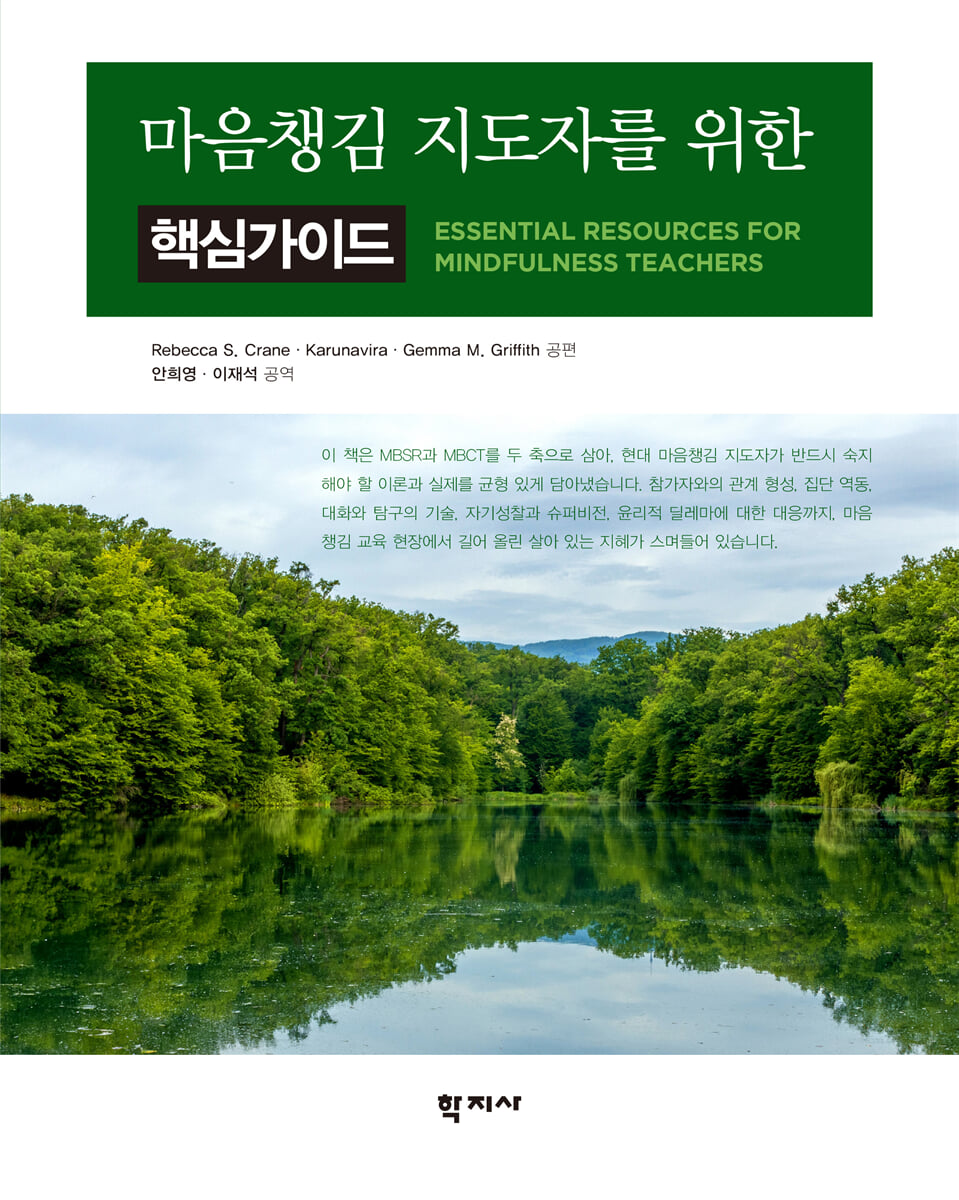
With MBSR and MBCT as its two pillars, it provides a balanced understanding of the theory and practice that modern mindfulness leaders must master.
From building relationships with participants, group dynamics, conversation and inquiry skills, self-reflection and supervision, to responding to ethical dilemmas, each chapter is imbued with lived wisdom gleaned from the field.
This book is not just a manual.
This is a record of the insights the authors have personally embodied through long-term practice and education.
It's like a logbook written by a captain who has learned the constellations, currents, and wind patterns with his whole body on a distant sea, and who passes on his experiences to his junior sailors.
From building relationships with participants, group dynamics, conversation and inquiry skills, self-reflection and supervision, to responding to ethical dilemmas, each chapter is imbued with lived wisdom gleaned from the field.
This book is not just a manual.
This is a record of the insights the authors have personally embodied through long-term practice and education.
It's like a logbook written by a captain who has learned the constellations, currents, and wind patterns with his whole body on a distant sea, and who passes on his experiences to his junior sailors.
index
Translator's Preface
Preface for Korean Readers
Recommendation
introduction
About this book
Note
Introduction
Part 1: Explicit Curriculum
Chapter 1: The Essential Spirit of Mindfulness-Based Teachings
Acquired Intelligence: The Instrumental Dimension of MBP Education
Already Fully Intelligent: The Non-Instrumental Dimension of Mindfulness-Based Program Guidance
Chapter 2 Considerations for the Curriculum
Mindfulness-Based Stress Relief Program
Mindfulness-based cognitive therapy program
Distinctive Features of MBSR and MBCT
Why I Decided to Teach MBCT or MBSR
Considerations When Implementing Mindfulness-Based Programs
Chapter 3: Guiding Formal Meditation: Overview
Core Principles: Intention, Attention, and Attitude
Core principles that apply to all formal meditation
Key Considerations for Formal Meditation Guidance
Chapter 4 Body Scan
Learning Intentions (Learning Objectives) - Body Scan
Body Scan Map: General Considerations
Chapter 5 Mindful Movement
Why we're introducing mindfulness movement in Session 3
Chapter 6: Sitting Meditation
Learning Objective: Sitting Meditation
Sitting Meditation: A Summary of Guidance Considerations
Guided Sitting Meditation: Mountain Meditation from MBSR
Chapter 7: Short Trainings
Short Training: Considerations for Guiding
Chapter 8: All-Day Training
Practical Considerations
Chapter 9: Exploration: Establishing Course Topics Through Interactive Dialogue
Reasons for Inquiry: Learning Intentions and Theoretical Basis
How to Explore: The Practical Skills of Inquiry
The three-tier model of exploration
The purpose of exploration changes and evolves.
Practical tips on how to guide your exploration
Skills that encourage exploration of the present moment and prompt questions
Tendencies that are not helpful in the exploration process
Chapter 10: Delivering Session Topics: Group Activities and Didactic Instruction
Learning Objectives and Practical Guidance Considerations for Group Activities in Session 2
Part 2: Implicit Curriculum
Chapter 11 Embodiment
Developing embodiment
Chapter 12: The Art of Relationship Building
Get familiar with
Chapter 13: Maintaining a Group Learning Environment
Inside-Out Group (IOG) Model
Chapter 14: The Use of Poetry, Story, and Image
Learning Objectives and Practical Considerations
Chapter 15: Integration of Explicit and Implicit Curriculum
Session 1: Getting Started
Session 5: Intermediate
Session 8: Conclusion
Chapter 16: Orientation and Evaluation
The leader's role in the evaluation and orientation phase
Chapter 17: Teaching Mindfulness-Based Programs Online
Area 1: Scope, pacing, and organization of the session (including pre-course and orientation considerations)
Domain 2: Relationship Skills
Domain 3: Embodiment of Mindfulness
Area 4: Guided Mindfulness Practice
Area 5: Communicating the lecture topic through interactive dialogue and didactic explanations.
Domain 6: Maintaining a Group Learning Environment
Part 3: Enriching Our Own Resources as Mindful Leaders
Chapter 18: How Can We Enrich Our Resources and Help Ourselves as MBP Leaders?: An Overview
Connect with your intention
Development of skills, qualities, and knowledge required for MBP leadership
Chapter 19: Mindfulness-Based Interventions: A Guide to Teaching and Learning (MBI:TLC)
What is Reflective Practice?
Why TLC Was Created
How TLC Can Help Me Develop as an MBP Leader
How to Use TLC
Key to the category
Domain 1: Coverage, pacing, and organization of the session curriculum
Domain 2: Relationship Skills
Domain 3: Embodiment of Mindfulness
Area 4: Guided Mindfulness Practice
Domain 5: Communicating the Lecture Topic Through Exploration and Didactic Explanation
Domain 6: Maintaining a Group Learning Environment
Reflections on a Challenging Leadership Experience
Chapter 20: Developing the Leader's Personal Training
What does mindfulness practice mean?
Why Personal Practice Is Crucial for Instructors Teaching Mindfulness-Based Programs
How to keep our practice alive
Chapter 21: Mindfulness-Based Supervision
Goal of this chapter
Why Supervision is Important for MBP Leaders
A framework for mindfulness-based supervision
How to Engage in Mindfulness-Based Supervision
What to Look for in a Supervisor
Chapter 22 Professional Practice
Structuring our reflections
Chapter 23: Trauma Sensitivity
Goal of this chapter
Definition of trauma
A Framework for Understanding Trauma
Mindfulness and Trauma
Trauma Sensitivity in Mindfulness Teaching Spaces
Trauma-Sensitive Leadership Methods
Trauma and Mindfulness-Based Leadership
Chapter 24 Social Topics
Mindfulness-based programs and social and environmental contexts
Mindfulness-based practice and teaching with awareness of social context
Non-discriminatory practices
Chapter 25: Science and Theory
Pedagogical theory and meditation tradition
Using scientific principles when teaching mindfulness-based programs.
Chapter 26: Implementing a Mindfulness-Based Program
The journey of program execution
Start your program execution journey
Continue and maintain your program execution journey
Appendix: Further Notes
References
Preface for Korean Readers
Recommendation
introduction
About this book
Note
Introduction
Part 1: Explicit Curriculum
Chapter 1: The Essential Spirit of Mindfulness-Based Teachings
Acquired Intelligence: The Instrumental Dimension of MBP Education
Already Fully Intelligent: The Non-Instrumental Dimension of Mindfulness-Based Program Guidance
Chapter 2 Considerations for the Curriculum
Mindfulness-Based Stress Relief Program
Mindfulness-based cognitive therapy program
Distinctive Features of MBSR and MBCT
Why I Decided to Teach MBCT or MBSR
Considerations When Implementing Mindfulness-Based Programs
Chapter 3: Guiding Formal Meditation: Overview
Core Principles: Intention, Attention, and Attitude
Core principles that apply to all formal meditation
Key Considerations for Formal Meditation Guidance
Chapter 4 Body Scan
Learning Intentions (Learning Objectives) - Body Scan
Body Scan Map: General Considerations
Chapter 5 Mindful Movement
Why we're introducing mindfulness movement in Session 3
Chapter 6: Sitting Meditation
Learning Objective: Sitting Meditation
Sitting Meditation: A Summary of Guidance Considerations
Guided Sitting Meditation: Mountain Meditation from MBSR
Chapter 7: Short Trainings
Short Training: Considerations for Guiding
Chapter 8: All-Day Training
Practical Considerations
Chapter 9: Exploration: Establishing Course Topics Through Interactive Dialogue
Reasons for Inquiry: Learning Intentions and Theoretical Basis
How to Explore: The Practical Skills of Inquiry
The three-tier model of exploration
The purpose of exploration changes and evolves.
Practical tips on how to guide your exploration
Skills that encourage exploration of the present moment and prompt questions
Tendencies that are not helpful in the exploration process
Chapter 10: Delivering Session Topics: Group Activities and Didactic Instruction
Learning Objectives and Practical Guidance Considerations for Group Activities in Session 2
Part 2: Implicit Curriculum
Chapter 11 Embodiment
Developing embodiment
Chapter 12: The Art of Relationship Building
Get familiar with
Chapter 13: Maintaining a Group Learning Environment
Inside-Out Group (IOG) Model
Chapter 14: The Use of Poetry, Story, and Image
Learning Objectives and Practical Considerations
Chapter 15: Integration of Explicit and Implicit Curriculum
Session 1: Getting Started
Session 5: Intermediate
Session 8: Conclusion
Chapter 16: Orientation and Evaluation
The leader's role in the evaluation and orientation phase
Chapter 17: Teaching Mindfulness-Based Programs Online
Area 1: Scope, pacing, and organization of the session (including pre-course and orientation considerations)
Domain 2: Relationship Skills
Domain 3: Embodiment of Mindfulness
Area 4: Guided Mindfulness Practice
Area 5: Communicating the lecture topic through interactive dialogue and didactic explanations.
Domain 6: Maintaining a Group Learning Environment
Part 3: Enriching Our Own Resources as Mindful Leaders
Chapter 18: How Can We Enrich Our Resources and Help Ourselves as MBP Leaders?: An Overview
Connect with your intention
Development of skills, qualities, and knowledge required for MBP leadership
Chapter 19: Mindfulness-Based Interventions: A Guide to Teaching and Learning (MBI:TLC)
What is Reflective Practice?
Why TLC Was Created
How TLC Can Help Me Develop as an MBP Leader
How to Use TLC
Key to the category
Domain 1: Coverage, pacing, and organization of the session curriculum
Domain 2: Relationship Skills
Domain 3: Embodiment of Mindfulness
Area 4: Guided Mindfulness Practice
Domain 5: Communicating the Lecture Topic Through Exploration and Didactic Explanation
Domain 6: Maintaining a Group Learning Environment
Reflections on a Challenging Leadership Experience
Chapter 20: Developing the Leader's Personal Training
What does mindfulness practice mean?
Why Personal Practice Is Crucial for Instructors Teaching Mindfulness-Based Programs
How to keep our practice alive
Chapter 21: Mindfulness-Based Supervision
Goal of this chapter
Why Supervision is Important for MBP Leaders
A framework for mindfulness-based supervision
How to Engage in Mindfulness-Based Supervision
What to Look for in a Supervisor
Chapter 22 Professional Practice
Structuring our reflections
Chapter 23: Trauma Sensitivity
Goal of this chapter
Definition of trauma
A Framework for Understanding Trauma
Mindfulness and Trauma
Trauma Sensitivity in Mindfulness Teaching Spaces
Trauma-Sensitive Leadership Methods
Trauma and Mindfulness-Based Leadership
Chapter 24 Social Topics
Mindfulness-based programs and social and environmental contexts
Mindfulness-based practice and teaching with awareness of social context
Non-discriminatory practices
Chapter 25: Science and Theory
Pedagogical theory and meditation tradition
Using scientific principles when teaching mindfulness-based programs.
Chapter 26: Implementing a Mindfulness-Based Program
The journey of program execution
Start your program execution journey
Continue and maintain your program execution journey
Appendix: Further Notes
References
GOODS SPECIFICS
- Date of issue: November 5, 2025
- Format: Paperback book binding method guide
- Page count, weight, size: 424 pages | 188*235*18mm
- ISBN13: 9788999735707
You may also like
카테고리
korean


korean

![GQ KOREA Mark (Monthly): December [2025]](http://librairie.coreenne.fr/cdn/shop/files/8ef265dbbfbf186523ed75ba7319009d.jpg?v=1765340328&width=3840)


