

Social situation story
 |
Description
Book Introduction
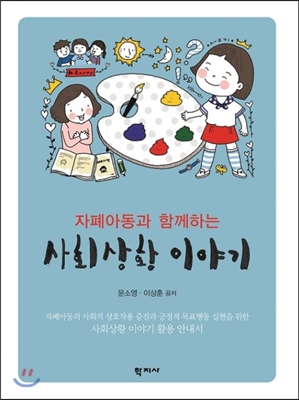
This book introduces the experience of using 'social situation stories' in daily life as an ordinary mother, and presents the production process and actual use cases so that parents and teachers of children with autism can easily use it even in the midst of their busy parenting and education.
Chapter 1 is a story about the background that made me feel special after encountering a story about a social situation.
Chapter 2 introduces the social situation story and the process of actually using it.
Chapter 3 introduces how to actually create a social situation story.
Chapter 4 introduces the changes experienced in the family through the use of social situation stories.
Chapter 5 presents a 'social situation story' that was actually used with six-year-old Seolgi.
I hope more parents and teachers will create 'social situation stories' for different age groups so that our children can experience and share social situations from their perspectives.
Rather than isolating children with disabilities by saying that they can't be helped, it would be truly meaningful to discuss the world around them from a new perspective by sharing the unique perspectives of children with autistic tendencies.
We hope that by gathering together 'social situation stories' created in various ways for each age group, from infancy to school age, adolescence, middle age, and old age, we can all get closer to the world of children not only now but also in the future.
Chapter 1 is a story about the background that made me feel special after encountering a story about a social situation.
Chapter 2 introduces the social situation story and the process of actually using it.
Chapter 3 introduces how to actually create a social situation story.
Chapter 4 introduces the changes experienced in the family through the use of social situation stories.
Chapter 5 presents a 'social situation story' that was actually used with six-year-old Seolgi.
I hope more parents and teachers will create 'social situation stories' for different age groups so that our children can experience and share social situations from their perspectives.
Rather than isolating children with disabilities by saying that they can't be helped, it would be truly meaningful to discuss the world around them from a new perspective by sharing the unique perspectives of children with autistic tendencies.
We hope that by gathering together 'social situation stories' created in various ways for each age group, from infancy to school age, adolescence, middle age, and old age, we can all get closer to the world of children not only now but also in the future.
index
Entering
Chapter 1 'Social Situation Story'?
1.
A child who has difficulty making friends
2.
Feel the specialness of 'Social Situation Story'!
3.
The Secret to Social Situation Stories: Consideration
Before using Chapter 2, 'Social Situation Stories'
1.
What is a 'social situation story'?
2.
How can we plan a 'social situation story'?
3.
How do I use 'social situation story'?
Chapter 3: Creating a 'Social Situation Story'
1.
Observing children
2.
What are the most urgent social behaviors for children?
3.
How will our child feel about the situation?
4.
Structure the story to suit your child
5.
Shape your child's favorite shape
6.
Refining into a stable and smooth story
7.
Be accurate and thorough
8.
Seven Sentence Writing Secrets for Social Situation Stories
9.
Check your understanding of 'Social Situation Stories'
10.
Decide on reuse and modify
Chapter 4: Mom's "Social Situation Storybook" Anytime, Anywhere
1.
As a mother who praises others
2.
Mother's language is the language of the family
3.
I'm not afraid to go out!
Chapter 5: Seolgi's "Social Situation Story"
1.
Happiness is a good feeling
2.
When my friend calls my name
3.
Talk at an appropriate distance
4.
Greet from an appropriate distance
5.
Create a happy mood
6.
Stand in line at an appropriate distance
7.
Sit or stand in a circle at an appropriate distance
8.
smiling face
9.
Listen and speak in my turn
10.
Look into each other's eyes when listening to a story
11.
Listen quietly without moving your hands or feet
12.
When you first meet someone you know during the day
13.
When you run into a friend you know outside the classroom or in the hallway
14.
Saying goodbye when leaving the classroom
15.
Saying goodbye when someone leaves the classroom
16.
change
17.
What is the discomfort?
18.
How to feel happy when you're sad
19.
Ask for help
20.
Ask a friend to borrow a toy
21.
Say "thank you"
22.
Say "thank you"
23.
What is division?
24.
Receive when you share something
25.
Sharing what I have
26.
What is consideration?
27.
Say "I'm sorry."
28.
Say "It's okay."
29.
Ask for permission
30.
Waiting when you hear "No"
31.
Ask your friend what he is doing
32.
Talk to a friend who is reading a book
33.
Show off what you did, praise what your friends did
34.
When you want to stop listening to the story
35.
Ask if they want to stop listening to the story
36.
Ask a friend to hang out together
37.
Ask a friend who is playing with other friends to play with you
38.
How to respond when a friend asks you to hang out together
39.
What is a concession?
40.
When you and your friend have different interests in what you want to do
In conclusion
Seulgi's Storybook: A Story Told by Seulgi
1.
Seulgi's 'Little Mermaid' Story
2.
Seulgi's 'Eat, Eat, Eat' story
Chapter 1 'Social Situation Story'?
1.
A child who has difficulty making friends
2.
Feel the specialness of 'Social Situation Story'!
3.
The Secret to Social Situation Stories: Consideration
Before using Chapter 2, 'Social Situation Stories'
1.
What is a 'social situation story'?
2.
How can we plan a 'social situation story'?
3.
How do I use 'social situation story'?
Chapter 3: Creating a 'Social Situation Story'
1.
Observing children
2.
What are the most urgent social behaviors for children?
3.
How will our child feel about the situation?
4.
Structure the story to suit your child
5.
Shape your child's favorite shape
6.
Refining into a stable and smooth story
7.
Be accurate and thorough
8.
Seven Sentence Writing Secrets for Social Situation Stories
9.
Check your understanding of 'Social Situation Stories'
10.
Decide on reuse and modify
Chapter 4: Mom's "Social Situation Storybook" Anytime, Anywhere
1.
As a mother who praises others
2.
Mother's language is the language of the family
3.
I'm not afraid to go out!
Chapter 5: Seolgi's "Social Situation Story"
1.
Happiness is a good feeling
2.
When my friend calls my name
3.
Talk at an appropriate distance
4.
Greet from an appropriate distance
5.
Create a happy mood
6.
Stand in line at an appropriate distance
7.
Sit or stand in a circle at an appropriate distance
8.
smiling face
9.
Listen and speak in my turn
10.
Look into each other's eyes when listening to a story
11.
Listen quietly without moving your hands or feet
12.
When you first meet someone you know during the day
13.
When you run into a friend you know outside the classroom or in the hallway
14.
Saying goodbye when leaving the classroom
15.
Saying goodbye when someone leaves the classroom
16.
change
17.
What is the discomfort?
18.
How to feel happy when you're sad
19.
Ask for help
20.
Ask a friend to borrow a toy
21.
Say "thank you"
22.
Say "thank you"
23.
What is division?
24.
Receive when you share something
25.
Sharing what I have
26.
What is consideration?
27.
Say "I'm sorry."
28.
Say "It's okay."
29.
Ask for permission
30.
Waiting when you hear "No"
31.
Ask your friend what he is doing
32.
Talk to a friend who is reading a book
33.
Show off what you did, praise what your friends did
34.
When you want to stop listening to the story
35.
Ask if they want to stop listening to the story
36.
Ask a friend to hang out together
37.
Ask a friend who is playing with other friends to play with you
38.
How to respond when a friend asks you to hang out together
39.
What is a concession?
40.
When you and your friend have different interests in what you want to do
In conclusion
Seulgi's Storybook: A Story Told by Seulgi
1.
Seulgi's 'Little Mermaid' Story
2.
Seulgi's 'Eat, Eat, Eat' story
GOODS SPECIFICS
- Date of publication: October 25, 2016
- Format: Paperback book binding method guide
- Page count, weight, size: 288 pages | 611g | 188*257mm
- ISBN13: 9788999710896
- ISBN10: 8999710890
You may also like
카테고리
korean


korean

![ELLE 엘르 스페셜 에디션 A형 : 12월 [2025]](http://librairie.coreenne.fr/cdn/shop/files/b8e27a3de6c9538896439686c6b0e8fb.jpg?v=1766436872&width=3840)


