

Suttanipāta
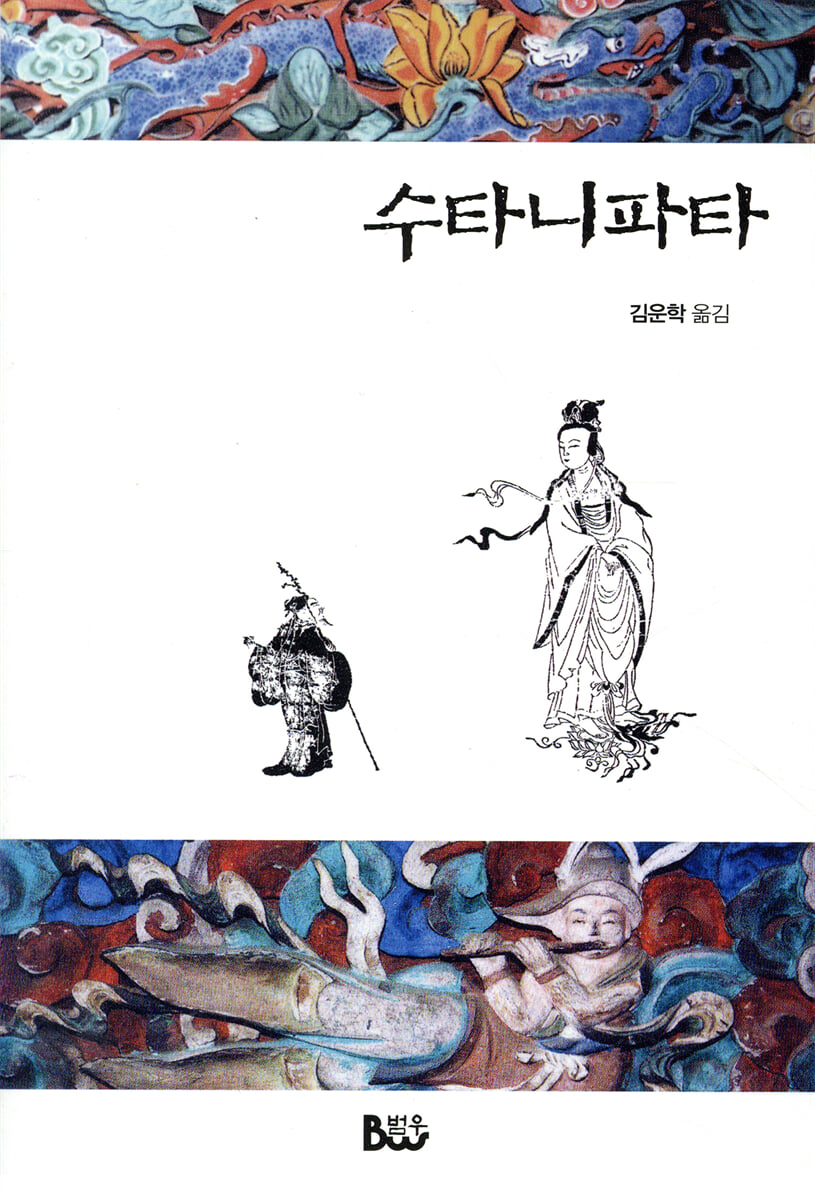 |
Description
Book Introduction
The first collection of the Buddha's first words - a classic among Buddhist classics
It consists of five parts.
“Suta” means sutra, and “nipata” means collection.
Although this Suttanipāta has been neglected in the Mahayana Buddhist sphere, it is an essential scripture for understanding the earliest Buddhist thought.
The Buddha's words were passed down orally in verse form by his disciples, and later they were settled in Pali and took the form of a sutra, which was born as the Sutta Nipata.
This is a book where you can hear the Buddha's first words in a vivid voice that is close to his actual voice.
It consists of five parts.
“Suta” means sutra, and “nipata” means collection.
Although this Suttanipāta has been neglected in the Mahayana Buddhist sphere, it is an essential scripture for understanding the earliest Buddhist thought.
The Buddha's words were passed down orally in verse form by his disciples, and later they were settled in Pali and took the form of a sutra, which was born as the Sutta Nipata.
This is a book where you can hear the Buddha's first words in a vivid voice that is close to his actual voice.
- You can preview some of the book's contents.
Preview
index
To those who read this book ·5
Chapter 11 of The Snake
1.
Snake·13
2.
Daniya·16
3.
Rhinoceros Horn·19
4.
Baradvaza Plowing the Fields·25
5.
Chun Da·29
6.
Destruction·30
7.
Lowly Person·34
8.
Self-esteem·38
9.
People living in Seolsan·40
10.
Aalavarka Yaksha·45
11.
Seung Lee, 48
12.
Saint Ja·50
Part 2, Small Chapter 53
1.
Treasure 55
2.
Bloody thing·58
3.
Shame·61
4.
Best Bok·62
5.
Suchiloma Yaksha·63
6.
Acting in accordance with the law·65
7.
Brahmin-like things·67
8.
Ship·72
9.
What kind of morality is there? 74
10.
Jeongjin (精進)·75
11.
Rahula·75
12.
Bang Ki-sa·77
13.
Correct travel history·80
14.
Dammika, 83
Part 3, Chapter 89
1.
Leaving home·91
2.
Steady Effort·93
3.
Great Sermon·96
4.
Sundarika Bharadvaja, 98
5.
Mark 106
6.
Sabiya 111
7.
Sarah 122
8.
Arrow 133
9.
Bassetta 136
10.
Kokaliya·145
11.
Naraka·152
12.
Two Observations·159
Chapter 175 of Part 4 Poetry
1.
Desire·177
2.
Poem on the Cave·178
3.
Poem on Anger·179
4.
Poem on Purity·181
5.
Poem on the Most Superior Thing·182
6.
Old age·184
7.
Tissa Meteiya·185
8.
Pasura·187
9.
Magandiya·189
10.
Before I Die·192
11.
Struggle 194
12.
Continuing Response―Short Story 196
13.
Continuing Response―Long Story·199
14.
Swift·203
15.
Holding a club·206
16.
Sariputta 209
Part 5: The Path to Peace 213
1.
Preface·215
2.
The Brahmin Ajita's Question 222
3.
Questions from the Brahmin Tissa Metteyya·223
4.
The Brahmin Punnaka's Question 224
5.
Brahmin Metagu's Question 225
6.
Questions from the Brahmin Dotaka, 228
7.
Questions from the Brahmin Upashiva·229
8.
Brahmin Nanda's Questions 231
9.
The Brahmin Hemaka's Questions 233
10.
Questions of the Brahmin Todeya·234
11.
Brahmin Kappa's Question 234
12.
Questions from the Brahmin Jatukanning·235
13.
Questions of the Brahmin Bhadrauda·236
14.
The Brahmin Udaya's Question 237
15.
The Brahmin Posara's Question 238
16.
Questions from the Brahmin Mogarajya·239
17.
The Brahmin Pingya's Question 240
18.
Concluding Remarks on the Sixteen Brahmins' Questions·241
Chapter 11 of The Snake
1.
Snake·13
2.
Daniya·16
3.
Rhinoceros Horn·19
4.
Baradvaza Plowing the Fields·25
5.
Chun Da·29
6.
Destruction·30
7.
Lowly Person·34
8.
Self-esteem·38
9.
People living in Seolsan·40
10.
Aalavarka Yaksha·45
11.
Seung Lee, 48
12.
Saint Ja·50
Part 2, Small Chapter 53
1.
Treasure 55
2.
Bloody thing·58
3.
Shame·61
4.
Best Bok·62
5.
Suchiloma Yaksha·63
6.
Acting in accordance with the law·65
7.
Brahmin-like things·67
8.
Ship·72
9.
What kind of morality is there? 74
10.
Jeongjin (精進)·75
11.
Rahula·75
12.
Bang Ki-sa·77
13.
Correct travel history·80
14.
Dammika, 83
Part 3, Chapter 89
1.
Leaving home·91
2.
Steady Effort·93
3.
Great Sermon·96
4.
Sundarika Bharadvaja, 98
5.
Mark 106
6.
Sabiya 111
7.
Sarah 122
8.
Arrow 133
9.
Bassetta 136
10.
Kokaliya·145
11.
Naraka·152
12.
Two Observations·159
Chapter 175 of Part 4 Poetry
1.
Desire·177
2.
Poem on the Cave·178
3.
Poem on Anger·179
4.
Poem on Purity·181
5.
Poem on the Most Superior Thing·182
6.
Old age·184
7.
Tissa Meteiya·185
8.
Pasura·187
9.
Magandiya·189
10.
Before I Die·192
11.
Struggle 194
12.
Continuing Response―Short Story 196
13.
Continuing Response―Long Story·199
14.
Swift·203
15.
Holding a club·206
16.
Sariputta 209
Part 5: The Path to Peace 213
1.
Preface·215
2.
The Brahmin Ajita's Question 222
3.
Questions from the Brahmin Tissa Metteyya·223
4.
The Brahmin Punnaka's Question 224
5.
Brahmin Metagu's Question 225
6.
Questions from the Brahmin Dotaka, 228
7.
Questions from the Brahmin Upashiva·229
8.
Brahmin Nanda's Questions 231
9.
The Brahmin Hemaka's Questions 233
10.
Questions of the Brahmin Todeya·234
11.
Brahmin Kappa's Question 234
12.
Questions from the Brahmin Jatukanning·235
13.
Questions of the Brahmin Bhadrauda·236
14.
The Brahmin Udaya's Question 237
15.
The Brahmin Posara's Question 238
16.
Questions from the Brahmin Mogarajya·239
17.
The Brahmin Pingya's Question 240
18.
Concluding Remarks on the Sixteen Brahmins' Questions·241
Into the book
Sutta-nipata refers to a compilation of sutras (sutta), that is, a compilation of the “first words of the Buddha.”
This collection of sutras is one of the earliest in the history of the creation of sutras.
The original system of Buddha's sermons can be divided into the period of verse, the period of prose, the establishment of the Tripitaka, the Pali Tripitaka, and the establishment of the Mahayana sutras. This Suttanipāta was created during the reign of King Ashoka (B.
C. 268~232) It is a classic among classics, considered to be older than the previous poetry era.
Among these, Chapter 4, “The Chapter of Poetry,” and Chapter 5, “The Road to the Other Shore,” are considered to be particularly old.
However, this collection of sutras has a commentary called Niddesa, which appears to have been written during the reign of King Asoka or a little later. However, considering that this commentary is limited to the phrases in chapters 4 and 5 and paragraph 3 of chapter 1, it can be seen that this collection of sutras had not been fully compiled even at that time.
After that, we can see that at some point, other things that were passed down separately were combined and compiled.
The fact that the 4th chapter of the Psalms in the Hanyeokgyeong was translated under the name of the Buddhist Righteous Foot Sutra by Zhi Qian in the early Wu Dynasty (223-253) shows how much this sutra was neglected in the Mahayana school.
However, this collection of sutras is an excellent book for understanding the earliest thoughts of Buddhism.
Also, this is the first thing we should know about the fact that it is the very first word of Shakyamuni and his most vivid voice.
Because the Buddha's words were later recited orally by his disciples in the form of easy-to-remember verses, and later settled in the Pali language, this is the first collection of sutras that became the holy scriptures. Therefore, this is a collection of sutras in which you can hear the Buddha's voice more accurately than in any other original sutras or Mahayana sutras, and you can see the true, unexaggerated form of Buddhism.
This is a collection of sutras that clearly demonstrates the concise and simple early Buddhist thought, and I believe it will serve as a valuable guide for modern intellectuals who often think of Buddhism as merely profound and difficult.
― Nanheshanbang, translated by Kim Un-hak
This collection of sutras is one of the earliest in the history of the creation of sutras.
The original system of Buddha's sermons can be divided into the period of verse, the period of prose, the establishment of the Tripitaka, the Pali Tripitaka, and the establishment of the Mahayana sutras. This Suttanipāta was created during the reign of King Ashoka (B.
C. 268~232) It is a classic among classics, considered to be older than the previous poetry era.
Among these, Chapter 4, “The Chapter of Poetry,” and Chapter 5, “The Road to the Other Shore,” are considered to be particularly old.
However, this collection of sutras has a commentary called Niddesa, which appears to have been written during the reign of King Asoka or a little later. However, considering that this commentary is limited to the phrases in chapters 4 and 5 and paragraph 3 of chapter 1, it can be seen that this collection of sutras had not been fully compiled even at that time.
After that, we can see that at some point, other things that were passed down separately were combined and compiled.
The fact that the 4th chapter of the Psalms in the Hanyeokgyeong was translated under the name of the Buddhist Righteous Foot Sutra by Zhi Qian in the early Wu Dynasty (223-253) shows how much this sutra was neglected in the Mahayana school.
However, this collection of sutras is an excellent book for understanding the earliest thoughts of Buddhism.
Also, this is the first thing we should know about the fact that it is the very first word of Shakyamuni and his most vivid voice.
Because the Buddha's words were later recited orally by his disciples in the form of easy-to-remember verses, and later settled in the Pali language, this is the first collection of sutras that became the holy scriptures. Therefore, this is a collection of sutras in which you can hear the Buddha's voice more accurately than in any other original sutras or Mahayana sutras, and you can see the true, unexaggerated form of Buddhism.
This is a collection of sutras that clearly demonstrates the concise and simple early Buddhist thought, and I believe it will serve as a valuable guide for modern intellectuals who often think of Buddhism as merely profound and difficult.
― Nanheshanbang, translated by Kim Un-hak
--- From "To those who read this book"
GOODS SPECIFICS
- Publication date: November 25, 2019
- Page count, weight, size: 246 pages | 128*188*20mm
- ISBN13: 9788963652719
- ISBN10: 8963652718
You may also like
카테고리
korean


korean

![GQ KOREA Mark (Monthly): December [2025]](http://librairie.coreenne.fr/cdn/shop/files/8ef265dbbfbf186523ed75ba7319009d.jpg?v=1765340328&width=3840)


