

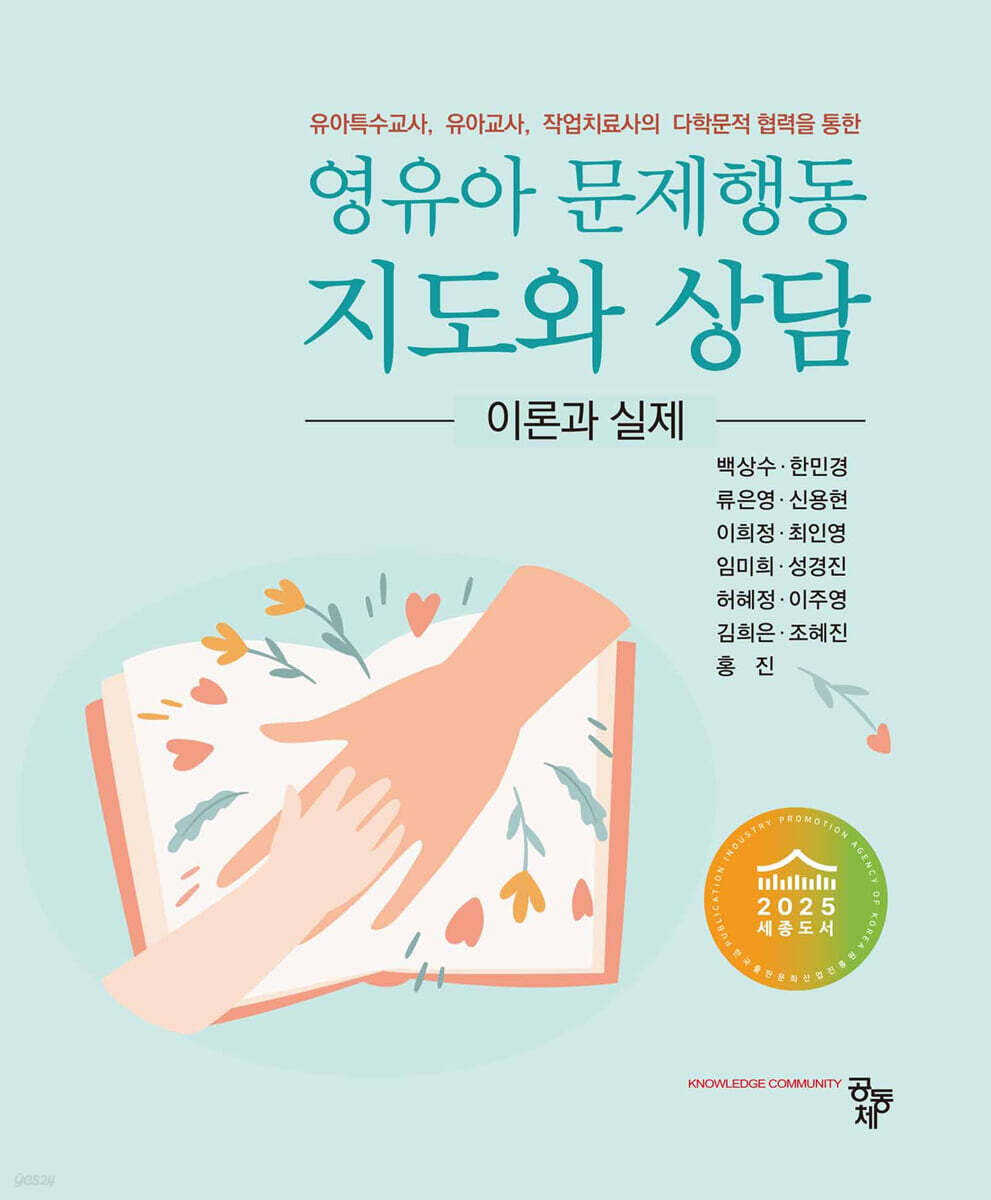
Guidance and counseling for infant and toddler behavior problems
 |
Description
Book Introduction
Children entering the toddler stage may exhibit a variety of behavioral problems as they explore the world and express their emotions.
These behaviors cannot simply be dismissed as “problems,” but rather have deep developmental and emotional reasons behind them.
What we all want is to gain a deeper understanding of each child's behavior and expressions, and to support their proper emotional development and growth.
In that context, this book, “Guidance and Counseling for Problem Behavior in Infants and Toddlers,” is the result of the combined efforts of experts in each field.
The integration of diverse expertise will provide opportunities to provide children with better support and environments beyond mere theoretical knowledge.
I look forward to the day when children's problematic behaviors are not simply viewed as problems, but as valuable opportunities for their growth.
We invite you on a journey to create a world where children's laughter blooms brightly.
These behaviors cannot simply be dismissed as “problems,” but rather have deep developmental and emotional reasons behind them.
What we all want is to gain a deeper understanding of each child's behavior and expressions, and to support their proper emotional development and growth.
In that context, this book, “Guidance and Counseling for Problem Behavior in Infants and Toddlers,” is the result of the combined efforts of experts in each field.
The integration of diverse expertise will provide opportunities to provide children with better support and environments beyond mere theoretical knowledge.
I look forward to the day when children's problematic behaviors are not simply viewed as problems, but as valuable opportunities for their growth.
We invite you on a journey to create a world where children's laughter blooms brightly.
index
Part 1: Guidance and Counseling for Problem Behavior in Infants and Toddlers: Theory
Chapter 01 Understanding and Guidance of Problem Behavior in Infants and Toddlers: An Approach Centered on Communication and Empathy
1.
Guiding Problem Behaviors in Young Children from an Inclusive Perspective 16
2.
20 Problem Behavior Intervention Strategies Based on Understanding and Empathizing with the Emotions of Infants and Toddlers
3.
Enhancing Resilience in Young Children: A Relationship-Centered Educational Approach 24
Chapter 02 Understanding Problem Behavior in Infants and Toddlers
1.
A Diverse Perspective and Integrative Approach to Problem Behavior in Infants and Toddlers 32
2.
An Approach to Guiding Problem Behavior in Young Children: Empathy and Communication-Centered Education 36
3.
Guiding Problem Behavior in Young Children: The Importance of Community Norms and Parent-Teacher Collaboration 40
Chapter 03 Behavior Guidance for Infants and Toddlers: A Strategic Approach to Balanced Growth
1.
The First Step to All Growth: Patience 45
2.
The Power to Overcome Setbacks and Grow: Frustration Resilience 46
3.
The First Step to Self-Reliance: Discerning What to Do and What to Endure 47
Chapter 04: The Foundations of Emotional Development in Infants and Toddlers: Accepting Emotions, Empathy, and Promoting Self-Esteem
1.
Understanding Children's Nonverbal Communication 56
2.
Understanding Your Toddler's Emotions: The First Step to Recognizing Mistakes 66
3.
Two Keys to Healthy Emotional Expression: Empathy and Consistency 69
4.
Building Self-Esteem: The Importance of Challenge, Relationships, and Growth 72
Chapter 05: The Key to Social Development in Infants and Toddlers: The Importance of Empathy
1.
The concept of empathy: the ability to understand and share the emotions of others 78
2.
The Importance of Empathy: The Foundation for Social Harmony and Moral Development 79
3.
Components of Empathy: A Complex Interaction of Cognition, Emotion, and Communication 80
Chapter 06: A Safeguard Against Problem Behavior in Infants and Toddlers: Adaptive Skills
1.
The Concept of Infant Adaptation: Harmonious Interaction with the Environment 84
2.
Adaptation Process in Early Childhood Education Institutions 87
3.
Factors Influencing Infant Adaptation 89
4.
Educational Implications for Early Childhood Adaptation: Creating a Positive Adaptive Environment 91
Chapter 07 At-Risk Infants and Toddlers: The Potential for Future Change through Early Support
1.
Concept and Characteristics of At-Risk Infants and Toddlers 102
2.
Early Detection and Support Methods for At-Risk Infants and Toddlers 104
3.
Risk Factors in Infant and Toddler Development 107
Chapter 08 A New Approach to Problem Behavior in Infants and Toddlers: Positive Behavior Support
1.
A New Perspective on Problem Behavior in Infants and Toddlers: Challenging Behavior 112
2.
The Implications of Positive Behavior Support (PBS) for Behavioral Problems in Young Children 114
3.
Another Way to Understand Challenging Behavior in Infants and Toddlers: Functional Behavioral Assessment 117
4.
How to Promote Positive Changes in Infant and Toddler Behavior 125
Chapter 09 Neurobiological Understanding of Infant and Toddler Behavior: The Relationship Between Brain and Behavior
1.
Interactions Between Brain Development and Problem Behavior in Infants and Toddlers 132
2.
Infant and Toddler Development and Sensory Integration: A Neurodevelopmental Understanding of Problem Behavior 134
Chapter 10 Behavioral Problems and Sensory Integration Disorders in Infants and Toddlers
1.
The Importance of Sensory Integration in Infant and Toddler Development 142
2.
Goals of Sensory Integration Therapy for Reducing Problem Behavior in Infants and Toddlers 143
3.
Types of Sensory Integration Disorders Causing Problem Behavior in Infants and Toddlers 145
4.
Implementing Sensory Integration Therapy to Reduce Problem Behavior in Infants and Toddlers 148
5.
Sensory Response Assessment for Analyzing the Causes of Problem Behavior in Infants and Toddlers 149
6.
Sensory Integration Therapy Case Study: Infant 151 with a Preference for Strong Pressure Stimuli
Part 2: Practical Application and Analysis of Problem Behavior Guidance for Infants and Toddlers: Case Studies from Early Childhood Education
Chapter 11 Guidance and Counseling Cases for Emotional Regulation Problem Behavior
Case 1│When I get angry, I yell or hit other people.
158
Case 2│Using swear words during kindergarten classes.
164
Case 3│The teacher continues to speak informally to me.
167
Case 4│I have a strong competitive spirit and want to win at everything.
170
Case 5│If you want something, ask for it persistently.
173
Case 6│I want to take all the work I made at kindergarten home.
176
Case 7│Even if something is uncomfortable, I don’t say anything.
179
Case 8│It is difficult to separate from my mother.
183
Chapter 12: Guidance and Counseling Cases for Problem Behaviors Related to Social Development
Case 1│He keeps nagging me.
188
Case 2│Trying to take away a friend's toy by force.
191
Case 3│I am shy, so it is difficult for me to make friends.
195
Case 4│“I’m going to play alone!” I’m going to play alone.
199
Case 5│I want to monopolize my friend.
203
Case 6│I want to do whatever I want without listening to my friend.
207
Case 7│Making friends uncomfortable with excessive gestures.
211
Case 8│I can't refuse.
214
Case 9│I am having trouble with my friends due to lies or discord.
218
Case 10│Not admitting his/her own mistakes.
222
Chapter 13: Guidance and Counseling Cases for Problem Behaviors Related to Basic Living Habits and Activity Participation
Case 1│When I go to school, I lie down without organizing my bag.
226
Case 2│Your body reacts first without waiting for its turn.
230
Case 3: I only want to play with tablet PCs! 234
Case 4│I often nod off when I come to kindergarten.
239
Case 5: Obsessed with Preferred Play! 243
Case 6│Refuses to follow established routines and rules.
247
Case 7│I have no interest in activities and feel listless.
251
Case 8│I often get up during class or try to leave the classroom.
255
Case 9│I try to go to the bathroom whenever it's time to clean up.
259
Chapter 14 Guidance and Counseling Cases of Problem Behaviors Caused by Sensory Integration Difficulties
Case 1│I absolutely hate getting paint or sand on my body.
264
Case 2│If my clothes get even a little wet, I try to change them.
269
Case 3│I have difficulty eating a variety of foods.
273
Case 4│I am sensitive to sounds around me.
278
Case 5│I don’t want to brush my teeth.
282
Case 6│I hate changes in activities and locations.
286
Chapter 15 Guidance and Counseling Cases of Strong Pressure Stimulus Preference and Tactile Stimulus Seeking Behavior
Case 1│I like being stuck in tight spaces.
292
Case 2│Twist your own hair.
296
Case 3│I am trying to climb up to a high place and jump down.
300
Case 4│My friends feel uncomfortable because of excessive physical contact.
305
Case 5│I want to show off a precious part of myself in front of my friends.
309
Case 6│I think I'm masturbating.
313
Case 7│Continuing to make unrelated noises during activities.
317
· References 322
Chapter 01 Understanding and Guidance of Problem Behavior in Infants and Toddlers: An Approach Centered on Communication and Empathy
1.
Guiding Problem Behaviors in Young Children from an Inclusive Perspective 16
2.
20 Problem Behavior Intervention Strategies Based on Understanding and Empathizing with the Emotions of Infants and Toddlers
3.
Enhancing Resilience in Young Children: A Relationship-Centered Educational Approach 24
Chapter 02 Understanding Problem Behavior in Infants and Toddlers
1.
A Diverse Perspective and Integrative Approach to Problem Behavior in Infants and Toddlers 32
2.
An Approach to Guiding Problem Behavior in Young Children: Empathy and Communication-Centered Education 36
3.
Guiding Problem Behavior in Young Children: The Importance of Community Norms and Parent-Teacher Collaboration 40
Chapter 03 Behavior Guidance for Infants and Toddlers: A Strategic Approach to Balanced Growth
1.
The First Step to All Growth: Patience 45
2.
The Power to Overcome Setbacks and Grow: Frustration Resilience 46
3.
The First Step to Self-Reliance: Discerning What to Do and What to Endure 47
Chapter 04: The Foundations of Emotional Development in Infants and Toddlers: Accepting Emotions, Empathy, and Promoting Self-Esteem
1.
Understanding Children's Nonverbal Communication 56
2.
Understanding Your Toddler's Emotions: The First Step to Recognizing Mistakes 66
3.
Two Keys to Healthy Emotional Expression: Empathy and Consistency 69
4.
Building Self-Esteem: The Importance of Challenge, Relationships, and Growth 72
Chapter 05: The Key to Social Development in Infants and Toddlers: The Importance of Empathy
1.
The concept of empathy: the ability to understand and share the emotions of others 78
2.
The Importance of Empathy: The Foundation for Social Harmony and Moral Development 79
3.
Components of Empathy: A Complex Interaction of Cognition, Emotion, and Communication 80
Chapter 06: A Safeguard Against Problem Behavior in Infants and Toddlers: Adaptive Skills
1.
The Concept of Infant Adaptation: Harmonious Interaction with the Environment 84
2.
Adaptation Process in Early Childhood Education Institutions 87
3.
Factors Influencing Infant Adaptation 89
4.
Educational Implications for Early Childhood Adaptation: Creating a Positive Adaptive Environment 91
Chapter 07 At-Risk Infants and Toddlers: The Potential for Future Change through Early Support
1.
Concept and Characteristics of At-Risk Infants and Toddlers 102
2.
Early Detection and Support Methods for At-Risk Infants and Toddlers 104
3.
Risk Factors in Infant and Toddler Development 107
Chapter 08 A New Approach to Problem Behavior in Infants and Toddlers: Positive Behavior Support
1.
A New Perspective on Problem Behavior in Infants and Toddlers: Challenging Behavior 112
2.
The Implications of Positive Behavior Support (PBS) for Behavioral Problems in Young Children 114
3.
Another Way to Understand Challenging Behavior in Infants and Toddlers: Functional Behavioral Assessment 117
4.
How to Promote Positive Changes in Infant and Toddler Behavior 125
Chapter 09 Neurobiological Understanding of Infant and Toddler Behavior: The Relationship Between Brain and Behavior
1.
Interactions Between Brain Development and Problem Behavior in Infants and Toddlers 132
2.
Infant and Toddler Development and Sensory Integration: A Neurodevelopmental Understanding of Problem Behavior 134
Chapter 10 Behavioral Problems and Sensory Integration Disorders in Infants and Toddlers
1.
The Importance of Sensory Integration in Infant and Toddler Development 142
2.
Goals of Sensory Integration Therapy for Reducing Problem Behavior in Infants and Toddlers 143
3.
Types of Sensory Integration Disorders Causing Problem Behavior in Infants and Toddlers 145
4.
Implementing Sensory Integration Therapy to Reduce Problem Behavior in Infants and Toddlers 148
5.
Sensory Response Assessment for Analyzing the Causes of Problem Behavior in Infants and Toddlers 149
6.
Sensory Integration Therapy Case Study: Infant 151 with a Preference for Strong Pressure Stimuli
Part 2: Practical Application and Analysis of Problem Behavior Guidance for Infants and Toddlers: Case Studies from Early Childhood Education
Chapter 11 Guidance and Counseling Cases for Emotional Regulation Problem Behavior
Case 1│When I get angry, I yell or hit other people.
158
Case 2│Using swear words during kindergarten classes.
164
Case 3│The teacher continues to speak informally to me.
167
Case 4│I have a strong competitive spirit and want to win at everything.
170
Case 5│If you want something, ask for it persistently.
173
Case 6│I want to take all the work I made at kindergarten home.
176
Case 7│Even if something is uncomfortable, I don’t say anything.
179
Case 8│It is difficult to separate from my mother.
183
Chapter 12: Guidance and Counseling Cases for Problem Behaviors Related to Social Development
Case 1│He keeps nagging me.
188
Case 2│Trying to take away a friend's toy by force.
191
Case 3│I am shy, so it is difficult for me to make friends.
195
Case 4│“I’m going to play alone!” I’m going to play alone.
199
Case 5│I want to monopolize my friend.
203
Case 6│I want to do whatever I want without listening to my friend.
207
Case 7│Making friends uncomfortable with excessive gestures.
211
Case 8│I can't refuse.
214
Case 9│I am having trouble with my friends due to lies or discord.
218
Case 10│Not admitting his/her own mistakes.
222
Chapter 13: Guidance and Counseling Cases for Problem Behaviors Related to Basic Living Habits and Activity Participation
Case 1│When I go to school, I lie down without organizing my bag.
226
Case 2│Your body reacts first without waiting for its turn.
230
Case 3: I only want to play with tablet PCs! 234
Case 4│I often nod off when I come to kindergarten.
239
Case 5: Obsessed with Preferred Play! 243
Case 6│Refuses to follow established routines and rules.
247
Case 7│I have no interest in activities and feel listless.
251
Case 8│I often get up during class or try to leave the classroom.
255
Case 9│I try to go to the bathroom whenever it's time to clean up.
259
Chapter 14 Guidance and Counseling Cases of Problem Behaviors Caused by Sensory Integration Difficulties
Case 1│I absolutely hate getting paint or sand on my body.
264
Case 2│If my clothes get even a little wet, I try to change them.
269
Case 3│I have difficulty eating a variety of foods.
273
Case 4│I am sensitive to sounds around me.
278
Case 5│I don’t want to brush my teeth.
282
Case 6│I hate changes in activities and locations.
286
Chapter 15 Guidance and Counseling Cases of Strong Pressure Stimulus Preference and Tactile Stimulus Seeking Behavior
Case 1│I like being stuck in tight spaces.
292
Case 2│Twist your own hair.
296
Case 3│I am trying to climb up to a high place and jump down.
300
Case 4│My friends feel uncomfortable because of excessive physical contact.
305
Case 5│I want to show off a precious part of myself in front of my friends.
309
Case 6│I think I'm masturbating.
313
Case 7│Continuing to make unrelated noises during activities.
317
· References 322
GOODS SPECIFICS
- Date of issue: February 28, 2025
- Page count, weight, size: 331 pages | 190*230*30mm
- ISBN13: 9791167258403
- ISBN10: 1167258401
You may also like
카테고리
korean


korean

![GQ KOREA Mark (Monthly): December [2025]](http://librairie.coreenne.fr/cdn/shop/files/8ef265dbbfbf186523ed75ba7319009d.jpg?v=1765340328&width=3840)


