

Why did the Nazis murder the Jews?
 |
Description
Book Introduction
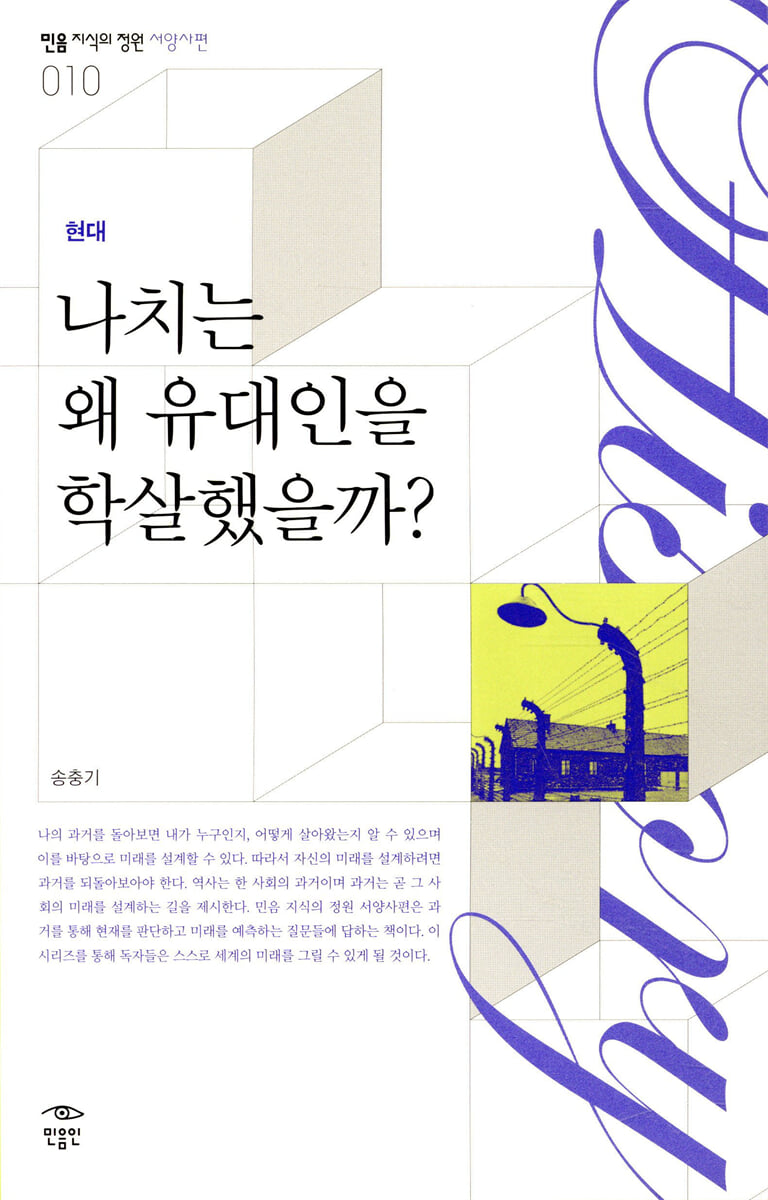
Why did such a barbaric event as the Holocaust occur in 20th-century Europe, a country so civilized? This book examines the systematic murder of six million Jews by the Nazi regime in Germany during World War II, examining the long-standing trend of anti-Semitism in Europe and the Nazi persecution and murder of Jews in concentration camps.
Furthermore, we look back at why such a tragedy occurred and ask who is responsible for the massacre.
The attempt to uncover the truth about the Holocaust and reflect on it is a valuable effort to avoid repeating the tragedy of history.
Furthermore, we look back at why such a tragedy occurred and ask who is responsible for the massacre.
The attempt to uncover the truth about the Holocaust and reflect on it is a valuable effort to avoid repeating the tragedy of history.
- You can preview some of the book's contents.
Preview
index
Introduction Why did the Holocaust happen?
1.
Why did mass murder occur in the civilized 20th century?
How many people were murdered in the 20th century? | What are genocide and the Holocaust?
2.
Why did the West hate Jews?
Why did Christianity begin to oppose Judaism? | Why has anti-Semitism remained so strong even in modern times?
3.
Why did the Nazis adopt anti-Semitism as their platform?
How did Nazism emerge? | How did the Nazis seize power?
4.
How did the Nazis persecute the Jews?
How were Jews persecuted in everyday life? | How did anti-Semitism evolve under Nazi rule?
5.
How did Jews live in ghettos and concentration camps?
What were Jews like in the ghettos? | What were Jews like in the concentration camps?
6.
How did the Nazis murder the Jews?
When was the decision made to exterminate the Jews? | How were Jews killed in the gas chambers?
7.
Who should be held responsible for this?
How were the Nazis punished after the war? | Were all the Jewish murderers 'devils'?
8.
How should we remember the Holocaust?
How do Jews remember the Holocaust? | How did the German perpetrators confront it?
Chronology
More books to read
More movies to see
1.
Why did mass murder occur in the civilized 20th century?
How many people were murdered in the 20th century? | What are genocide and the Holocaust?
2.
Why did the West hate Jews?
Why did Christianity begin to oppose Judaism? | Why has anti-Semitism remained so strong even in modern times?
3.
Why did the Nazis adopt anti-Semitism as their platform?
How did Nazism emerge? | How did the Nazis seize power?
4.
How did the Nazis persecute the Jews?
How were Jews persecuted in everyday life? | How did anti-Semitism evolve under Nazi rule?
5.
How did Jews live in ghettos and concentration camps?
What were Jews like in the ghettos? | What were Jews like in the concentration camps?
6.
How did the Nazis murder the Jews?
When was the decision made to exterminate the Jews? | How were Jews killed in the gas chambers?
7.
Who should be held responsible for this?
How were the Nazis punished after the war? | Were all the Jewish murderers 'devils'?
8.
How should we remember the Holocaust?
How do Jews remember the Holocaust? | How did the German perpetrators confront it?
Chronology
More books to read
More movies to see
Into the book
③ Do Jews object to describing the Holocaust they experienced as 'the most representative case of mass genocide'?
Jewish victims also object to describing the Holocaust as "the most representative example of mass genocide."
Because many Jews want to remember this not as one of the representative incidents of mass murder, but as a truly unprecedented and unique event.
For them, the Holocaust is a unique event, incomparable to any other, and they recognize themselves as victims of such an event.
In fact, it's not that the Holocaust is completely devoid of such aspects.
Comparing it to other "ordinary" mass murders or viewing it from a universal perspective risks overlooking the specific nature of the Holocaust. ---p.23-24
④ Were only Jews imprisoned in Nazi concentration camps during World War II?
As the Nazis' iron-fisted rule strengthened, the number of people who opposed the Nazis or hated the Nazis increased.
The Nazis wanted to completely isolate these people from society, so they needed more concentration camp facilities.
The camps built later housed not only political prisoners, but also Jews and other minority groups whom the Nazis branded a "cancer on society," including Gypsies (called "Roma"), Jehovah's Witnesses, and homosexuals.
Jewish victims also object to describing the Holocaust as "the most representative example of mass genocide."
Because many Jews want to remember this not as one of the representative incidents of mass murder, but as a truly unprecedented and unique event.
For them, the Holocaust is a unique event, incomparable to any other, and they recognize themselves as victims of such an event.
In fact, it's not that the Holocaust is completely devoid of such aspects.
Comparing it to other "ordinary" mass murders or viewing it from a universal perspective risks overlooking the specific nature of the Holocaust. ---p.23-24
④ Were only Jews imprisoned in Nazi concentration camps during World War II?
As the Nazis' iron-fisted rule strengthened, the number of people who opposed the Nazis or hated the Nazis increased.
The Nazis wanted to completely isolate these people from society, so they needed more concentration camp facilities.
The camps built later housed not only political prisoners, but also Jews and other minority groups whom the Nazis branded a "cancer on society," including Gypsies (called "Roma"), Jehovah's Witnesses, and homosexuals.
---p.83~84
Publisher's Review
Western history viewed from our reality
Complete publication of the 11-volume Western History edition of Minum's Garden of Knowledge
Emerging Korean Historians Rediscover Western History
First published in 2010 with the motto "Answering the fundamental questions of life that transcend time," the "Minum Garden of Knowledge" Western History series, beloved by many readers, has now been completed.
『Minum Garden of Knowledge』 is a humanities and liberal arts library series that concisely presents humanities knowledge. The previous series, the philosophy edition (6 volumes), was completed in 2009.
The final volumes in the Western History series (11 volumes in total) that followed were 『Why Did the Revolution Happen?』, 『Why Did the Nazis Massacre the Jews?』, and 『How Was America Created?』.
While all existing books on Western history merely introduce and translate Western historical research, the Western History section of 『Minum Garden of Knowledge』 stands out in that it is a new Western history series that has been published to suit our reality and interests.
The title of each volume consists of questions about key topics in each era of Western history, and the text also adopts a narrative style that starts from everyday questions rather than one-sided injection, so that while reading history, readers can develop 'thinking skills' and 'logical thinking skills' through various questions.
The authors, who are professors from the Department of Western History at Seoul National University, share the same concern that there has been a lack of independent research results in the academic world of Western history in Korea.
Unlike previous series that have merely introduced Western research that we have accepted mechanically, this series presents Western history from our own perspective and interpretation.
Professor Jeong Gi-moon (Department of History, Kunsan National University), author of volumes 1 and 2 of the Western History series and the general introduction to the series, said, “Accepting Western research as it is means accepting Western perspectives and ideologies as they are.
This series is composed of topics that are of interest to us when we look at the West.
He said, “It will also greatly increase public interest in the aspect of Western history viewed from a Korean perspective.”
Penetrating the core themes of Western history with original questions
The Western History section of the 『Minum Garden of Knowledge』 series is organized to provide a comprehensive overview of Western history from ancient times to the modern and contemporary eras, organized by key topics.
Each volume provides in-depth coverage of the relevant era, allowing readers to grasp the overall flow of Western history and broaden their understanding, satisfying both breadth and depth of understanding.
The unique feature of this series is that it starts with a single question, from the signature to the title of each chapter, and continues with the questions.
In particular, the three volumes published this time highlight representative events that marked major turning points in history from the modern era to the present.
Volume 9, "Why Did Revolutions Happen?", examines the processes by which modern revolutions, including the French Revolution, the Revolution of 1848, and the Russian Socialist Revolution, occurred, providing a starting point for understanding the dynamic movements of contemporary society.
Volume 10, "Why Did the Nazis Murder the Jews?", looks back on the Holocaust, in which the German Nazi regime systematically murdered six million Jews, and reflects on who is responsible for the tragedy.
Volume 11, "How Was America Made?", examines the processes that led to the United States' rise to superpower status and predicts how the US-centric world order will be reorganized in the future.
Through this series, readers will not only find value in historical texts that help them judge the present and predict the future through the past, but will also gain an opportunity to reconfirm and evaluate historical facts and meanings that were previously unknown or misunderstood.
Complete publication of the 11-volume Western History edition of Minum's Garden of Knowledge
Emerging Korean Historians Rediscover Western History
First published in 2010 with the motto "Answering the fundamental questions of life that transcend time," the "Minum Garden of Knowledge" Western History series, beloved by many readers, has now been completed.
『Minum Garden of Knowledge』 is a humanities and liberal arts library series that concisely presents humanities knowledge. The previous series, the philosophy edition (6 volumes), was completed in 2009.
The final volumes in the Western History series (11 volumes in total) that followed were 『Why Did the Revolution Happen?』, 『Why Did the Nazis Massacre the Jews?』, and 『How Was America Created?』.
While all existing books on Western history merely introduce and translate Western historical research, the Western History section of 『Minum Garden of Knowledge』 stands out in that it is a new Western history series that has been published to suit our reality and interests.
The title of each volume consists of questions about key topics in each era of Western history, and the text also adopts a narrative style that starts from everyday questions rather than one-sided injection, so that while reading history, readers can develop 'thinking skills' and 'logical thinking skills' through various questions.
The authors, who are professors from the Department of Western History at Seoul National University, share the same concern that there has been a lack of independent research results in the academic world of Western history in Korea.
Unlike previous series that have merely introduced Western research that we have accepted mechanically, this series presents Western history from our own perspective and interpretation.
Professor Jeong Gi-moon (Department of History, Kunsan National University), author of volumes 1 and 2 of the Western History series and the general introduction to the series, said, “Accepting Western research as it is means accepting Western perspectives and ideologies as they are.
This series is composed of topics that are of interest to us when we look at the West.
He said, “It will also greatly increase public interest in the aspect of Western history viewed from a Korean perspective.”
Penetrating the core themes of Western history with original questions
The Western History section of the 『Minum Garden of Knowledge』 series is organized to provide a comprehensive overview of Western history from ancient times to the modern and contemporary eras, organized by key topics.
Each volume provides in-depth coverage of the relevant era, allowing readers to grasp the overall flow of Western history and broaden their understanding, satisfying both breadth and depth of understanding.
The unique feature of this series is that it starts with a single question, from the signature to the title of each chapter, and continues with the questions.
In particular, the three volumes published this time highlight representative events that marked major turning points in history from the modern era to the present.
Volume 9, "Why Did Revolutions Happen?", examines the processes by which modern revolutions, including the French Revolution, the Revolution of 1848, and the Russian Socialist Revolution, occurred, providing a starting point for understanding the dynamic movements of contemporary society.
Volume 10, "Why Did the Nazis Murder the Jews?", looks back on the Holocaust, in which the German Nazi regime systematically murdered six million Jews, and reflects on who is responsible for the tragedy.
Volume 11, "How Was America Made?", examines the processes that led to the United States' rise to superpower status and predicts how the US-centric world order will be reorganized in the future.
Through this series, readers will not only find value in historical texts that help them judge the present and predict the future through the past, but will also gain an opportunity to reconfirm and evaluate historical facts and meanings that were previously unknown or misunderstood.
GOODS SPECIFICS
- Date of publication: September 27, 2013
- Page count, weight, size: 129 pages | 226g | 135*210*20mm
- ISBN13: 9788960173392
- ISBN10: 8960173398
You may also like
카테고리
korean


korean

![GQ KOREA Mark (Monthly): December [2025]](http://librairie.coreenne.fr/cdn/shop/files/8ef265dbbfbf186523ed75ba7319009d.jpg?v=1765340328&width=3840)


