

Germania
 |
Description
Book Introduction
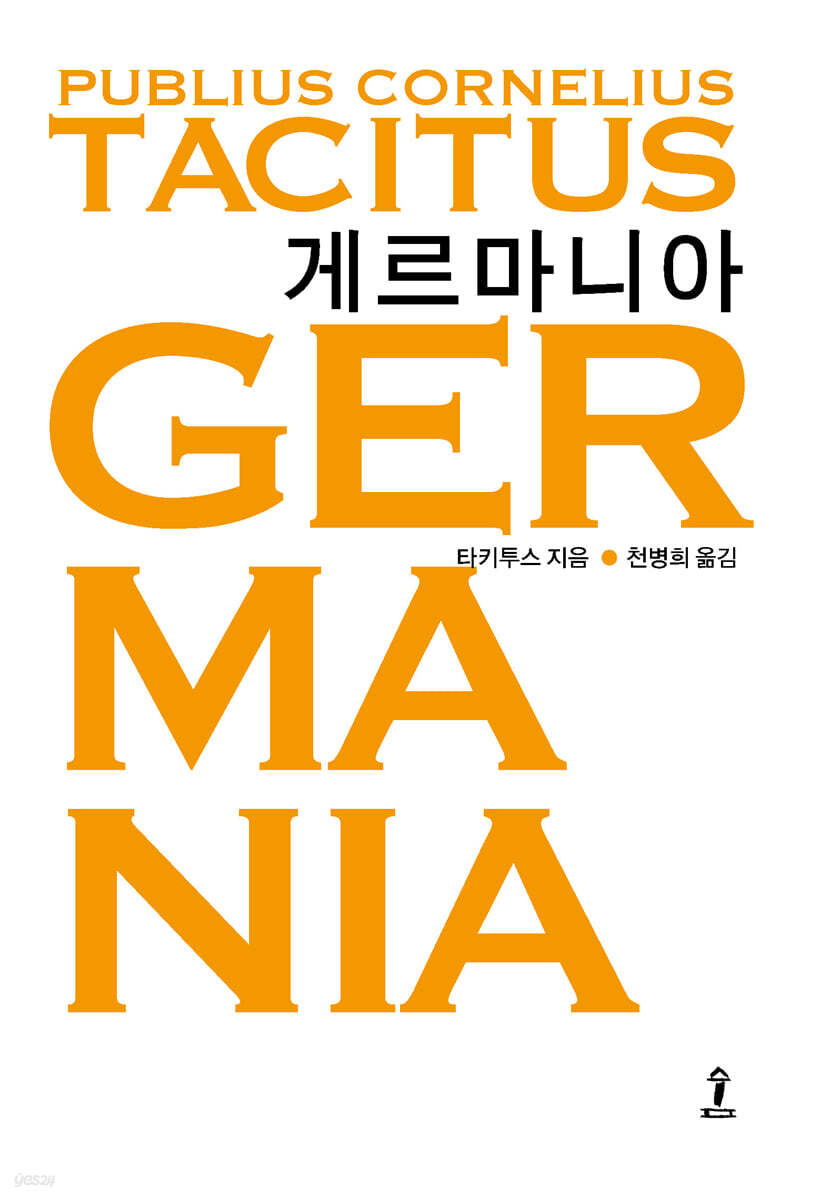
『Germania』 is a history book written by the Roman historian Tacitus, which records the origins, customs, practices, and society of the Germanic people in a concise manner.
Rome in the past was a powerful nation that dominated the Mediterranean world.
However, there was one region where Rome continued to fail in its expeditions, and that region was Germania.
As this situation continued, interest in Germania and its people grew, and Tacitus wrote this work with the practical purpose of trying to answer these questions.
In this book, Tacitus contrasts the Germanic people, who were considered barbarians, with the Romans, who were gradually degenerating within urban civilization, and portrays them as unadorned and robust natural people, contrasting their truthfulness, freedom, and simplicity with the corruption and meanness of the Romans.
Chapters 1-27 describe the countries, institutions, customs, and private lives of the Germanic peoples, while chapters 28-46 describe individual Germanic tribes.
It is a geographical and ethnographic work in Latin and the only extant text on ancient Germanic peoples, making it an important source for the study of ancient Germanic society.
It was the first original text translated and published in Korea.
Rome in the past was a powerful nation that dominated the Mediterranean world.
However, there was one region where Rome continued to fail in its expeditions, and that region was Germania.
As this situation continued, interest in Germania and its people grew, and Tacitus wrote this work with the practical purpose of trying to answer these questions.
In this book, Tacitus contrasts the Germanic people, who were considered barbarians, with the Romans, who were gradually degenerating within urban civilization, and portrays them as unadorned and robust natural people, contrasting their truthfulness, freedom, and simplicity with the corruption and meanness of the Romans.
Chapters 1-27 describe the countries, institutions, customs, and private lives of the Germanic peoples, while chapters 28-46 describe individual Germanic tribes.
It is a geographical and ethnographic work in Latin and the only extant text on ancient Germanic peoples, making it an important source for the study of ancient Germanic society.
It was the first original text translated and published in Korea.
- You can preview some of the book's contents.
Preview
index
time
Translator's Preface
Note
Chapters 1-5: Origin and Residence of the Germanic People
Chapter 1: The Borders of Germania
Chapter 2: The Origin and Name of the Germanic Tribe
Chapter 3 Hercules and Ullixes find Germania.
The Importance of Shouts to the Germanic People
Chapter 4: A single race that has not mixed blood with other races through intermarriage
Chapter 5 Topographical Characteristics.
The Germans are indifferent to precious metals.
Chapters 6-15 Various systems
Chapter 6 Weapons and Tactics
Chapter 7. The Powers of Kings, Generals, and Priests.
The importance of family and clan
Chapter 8: Women's Social Status
Chapter 9: Gods and Religion
Chapter 10: How to Divinate
Chapter 11 How to Handle Public Affairs
Chapter 12 Various Punishments
Chapter 13: Carrying a weapon is a sign of adulthood.
monarch-subject relationship
Chapter 14: The Ethos of the Executives
Chapter 15: The Germanic Tribe, Lazy in Normal Times
Chapters 16-27: Private Life
Chapter 16: Settlement Forms and Housing
Chapter 17 Clothing
Chapter 18: Marriage and Dowry
Chapter 19 Punishment for Adultery
Chapter 20: Child Rearing and Inheritance
Chapter 21: Rebellion and friendship are inherited.
Hospitality
Chapter 22 A Day in the Life.
The importance of banquets
Chapter 23 Food.
The walls of the Germanic tribe
Chapter 24: Major Entertainment
Chapter 25: Slaves and Freed Slaves
Chapter 26 Money Play.
Land distribution and farming
Chapter 27: Funeral
Chapters 28-37: Tribes living west and northwest as you head south to north along the Rhenus River
Chapter 28: The Germanic people are difficult to distinguish from the Gallic people and other tribes.
Chapter 29: The Special Status of the Batavi and Matthiaki Tribes.
Farmland that pays tithes
Chapter 30 Katti Tribe.
Their territory and characteristics
Chapter 31: The peculiar customs of the Katti people
Chapter 32: The Usipi and Tenkteri Tribes
Chapter 33: The Extinction of the Brookteri
Chapter 34: Tribes Living Further North
Chapter 35: The Kauki Tribe
Chapter 36 The Cherusci
Chapter 37: The Kimbri
Chapters 38-43: Talismans living in the east and north as you head from west to east along the Danubius River
Chapter 38: The Suebi
Chapter 39: The Semnones
Chapter 40 The Lombards and Other Tribes.
Worship of the goddess Nerthus
Chapter 41: The Hermunduri Tribe
Chapter 42: The Marcomani and the Quadi
Chapter 43: The Suebi of the East
Chapters 44-46: Semi-legendary tribes in the north
Chapter 44: The Suiones
Chapter 45: The Ice-Tee Tribe
Chapter 46: Tribes Living Beyond the Eastern Border
supplement
Chronology of Major Events
References
Search
map
Translator's Preface
Note
Chapters 1-5: Origin and Residence of the Germanic People
Chapter 1: The Borders of Germania
Chapter 2: The Origin and Name of the Germanic Tribe
Chapter 3 Hercules and Ullixes find Germania.
The Importance of Shouts to the Germanic People
Chapter 4: A single race that has not mixed blood with other races through intermarriage
Chapter 5 Topographical Characteristics.
The Germans are indifferent to precious metals.
Chapters 6-15 Various systems
Chapter 6 Weapons and Tactics
Chapter 7. The Powers of Kings, Generals, and Priests.
The importance of family and clan
Chapter 8: Women's Social Status
Chapter 9: Gods and Religion
Chapter 10: How to Divinate
Chapter 11 How to Handle Public Affairs
Chapter 12 Various Punishments
Chapter 13: Carrying a weapon is a sign of adulthood.
monarch-subject relationship
Chapter 14: The Ethos of the Executives
Chapter 15: The Germanic Tribe, Lazy in Normal Times
Chapters 16-27: Private Life
Chapter 16: Settlement Forms and Housing
Chapter 17 Clothing
Chapter 18: Marriage and Dowry
Chapter 19 Punishment for Adultery
Chapter 20: Child Rearing and Inheritance
Chapter 21: Rebellion and friendship are inherited.
Hospitality
Chapter 22 A Day in the Life.
The importance of banquets
Chapter 23 Food.
The walls of the Germanic tribe
Chapter 24: Major Entertainment
Chapter 25: Slaves and Freed Slaves
Chapter 26 Money Play.
Land distribution and farming
Chapter 27: Funeral
Chapters 28-37: Tribes living west and northwest as you head south to north along the Rhenus River
Chapter 28: The Germanic people are difficult to distinguish from the Gallic people and other tribes.
Chapter 29: The Special Status of the Batavi and Matthiaki Tribes.
Farmland that pays tithes
Chapter 30 Katti Tribe.
Their territory and characteristics
Chapter 31: The peculiar customs of the Katti people
Chapter 32: The Usipi and Tenkteri Tribes
Chapter 33: The Extinction of the Brookteri
Chapter 34: Tribes Living Further North
Chapter 35: The Kauki Tribe
Chapter 36 The Cherusci
Chapter 37: The Kimbri
Chapters 38-43: Talismans living in the east and north as you head from west to east along the Danubius River
Chapter 38: The Suebi
Chapter 39: The Semnones
Chapter 40 The Lombards and Other Tribes.
Worship of the goddess Nerthus
Chapter 41: The Hermunduri Tribe
Chapter 42: The Marcomani and the Quadi
Chapter 43: The Suebi of the East
Chapters 44-46: Semi-legendary tribes in the north
Chapter 44: The Suiones
Chapter 45: The Ice-Tee Tribe
Chapter 46: Tribes Living Beyond the Eastern Border
supplement
Chronology of Major Events
References
Search
map
Publisher's Review
The first domestic translation of the original text, 『Germania』!
『Germania』 is a history book written by the Roman historian Tacitus, which records the lifestyle and customs of the Germanic peoples.
The region where the Germanic peoples lived before the Great Migration began is collectively called 'Germania'.
The Germanic peoples referred to here include not only the present-day Germans and Austrians, but also the Danes, Norwegians, Swedes, Dutch, and the Anglo-Saxons of Britain.
The Germanic tribes that the mighty Roman army could not defeat
Rome expanded its territory by persuading surrounding peoples with its excellence in various areas, including city construction, land ownership, monetary economy, religion, ideology, educational institutions, law, and administration.
The inhabitants of the world voluntarily poured into Rome.
The Romans built a great empire with their tolerance and temperament, which even allowed them to assimilate the defeated.
There can be no disagreement that the Roman army was the strongest.
However, they did not always win against their enemies, and there were also failures in Romanization, as they were Germanic tribes (and eventually Rome fell to the Germanic tribes).
The goal of the ongoing Germanic expedition was to complete the conquest of Gaul and then conquer the Germanic region, thereby solidifying the borders and demonstrating the power of the Roman Empire.
But contrary to these intentions, the Roman expedition to Germania was not only bloody but never achieved.
Caesar, the greatest general in Roman history, conquered Gaul, but left the neighboring region of Germania behind. There were several attempts to invade Germania, including during the time of the first emperor, Octavian, but it never led to an actual conquest.
Marcus Aurelius, the last of the Five Good Emperors and author of Meditations, also died on the Germanic front.
Why were the Germanic tribes as powerful as Rome?
As this situation continued, interest in Germania and its people grew, and Tacitus seems to have written this work with the practical purpose of trying to answer these questions.
He contrasted the Germanic people, who were considered northern barbarians, with the Romans, who blossomed and matured within urban civilization and then gradually became decadent, by portraying them as unadorned and robust natural people, contrasting their truthfulness, freedom, and simplicity with the decadence and meanness of the Romans.
Tacitus records that the Germanic armies were made up of families and clans, and that they were bound to be the bravest armies because they fought with their loved ones, women and children, to cheer them on and lament.
On the other hand, mercenaries had been around in Rome for a long time, and they were becoming increasingly private soldiers. (In the late Roman Empire, the Rhine River defense line to defend against the Germanic tribes was guarded by Germanic mercenaries, not Romans.)
In Plato's Symposium, Pausanias said that if lovers formed an army, they would be able to fight bravely without being shamed by one another.
The Germanic army was such an army, and Rome could never subdue them.
Germania, a 46-chapter short treatise that concisely describes the origins, customs, practices, and society of the Germanic peoples, is based on traveler's reports and literary sources. Chapters 1-27 describe the countries, institutions, customs, and private lives of the Germanic peoples, while chapters 28-46 describe individual Germanic tribes.
It is the only extant geographical and ethnographic work on ancient Germanic peoples in Latin and is an important source for the study of ancient Germanic society.
『Germania』 is a history book written by the Roman historian Tacitus, which records the lifestyle and customs of the Germanic peoples.
The region where the Germanic peoples lived before the Great Migration began is collectively called 'Germania'.
The Germanic peoples referred to here include not only the present-day Germans and Austrians, but also the Danes, Norwegians, Swedes, Dutch, and the Anglo-Saxons of Britain.
The Germanic tribes that the mighty Roman army could not defeat
Rome expanded its territory by persuading surrounding peoples with its excellence in various areas, including city construction, land ownership, monetary economy, religion, ideology, educational institutions, law, and administration.
The inhabitants of the world voluntarily poured into Rome.
The Romans built a great empire with their tolerance and temperament, which even allowed them to assimilate the defeated.
There can be no disagreement that the Roman army was the strongest.
However, they did not always win against their enemies, and there were also failures in Romanization, as they were Germanic tribes (and eventually Rome fell to the Germanic tribes).
The goal of the ongoing Germanic expedition was to complete the conquest of Gaul and then conquer the Germanic region, thereby solidifying the borders and demonstrating the power of the Roman Empire.
But contrary to these intentions, the Roman expedition to Germania was not only bloody but never achieved.
Caesar, the greatest general in Roman history, conquered Gaul, but left the neighboring region of Germania behind. There were several attempts to invade Germania, including during the time of the first emperor, Octavian, but it never led to an actual conquest.
Marcus Aurelius, the last of the Five Good Emperors and author of Meditations, also died on the Germanic front.
Why were the Germanic tribes as powerful as Rome?
As this situation continued, interest in Germania and its people grew, and Tacitus seems to have written this work with the practical purpose of trying to answer these questions.
He contrasted the Germanic people, who were considered northern barbarians, with the Romans, who blossomed and matured within urban civilization and then gradually became decadent, by portraying them as unadorned and robust natural people, contrasting their truthfulness, freedom, and simplicity with the decadence and meanness of the Romans.
Tacitus records that the Germanic armies were made up of families and clans, and that they were bound to be the bravest armies because they fought with their loved ones, women and children, to cheer them on and lament.
On the other hand, mercenaries had been around in Rome for a long time, and they were becoming increasingly private soldiers. (In the late Roman Empire, the Rhine River defense line to defend against the Germanic tribes was guarded by Germanic mercenaries, not Romans.)
In Plato's Symposium, Pausanias said that if lovers formed an army, they would be able to fight bravely without being shamed by one another.
The Germanic army was such an army, and Rome could never subdue them.
Germania, a 46-chapter short treatise that concisely describes the origins, customs, practices, and society of the Germanic peoples, is based on traveler's reports and literary sources. Chapters 1-27 describe the countries, institutions, customs, and private lives of the Germanic peoples, while chapters 28-46 describe individual Germanic tribes.
It is the only extant geographical and ethnographic work on ancient Germanic peoples in Latin and is an important source for the study of ancient Germanic society.
GOODS SPECIFICS
- Date of publication: March 25, 2012
- Page count, weight, size: 200 pages | 386g | 128*188*10mm
- ISBN13: 9788991290457
You may also like
카테고리
korean


korean

![GQ KOREA Mark (Monthly): December [2025]](http://librairie.coreenne.fr/cdn/shop/files/8ef265dbbfbf186523ed75ba7319009d.jpg?v=1765340328&width=3840)


