

The Story of Incheon's Roads as Told by a Historical Geographer
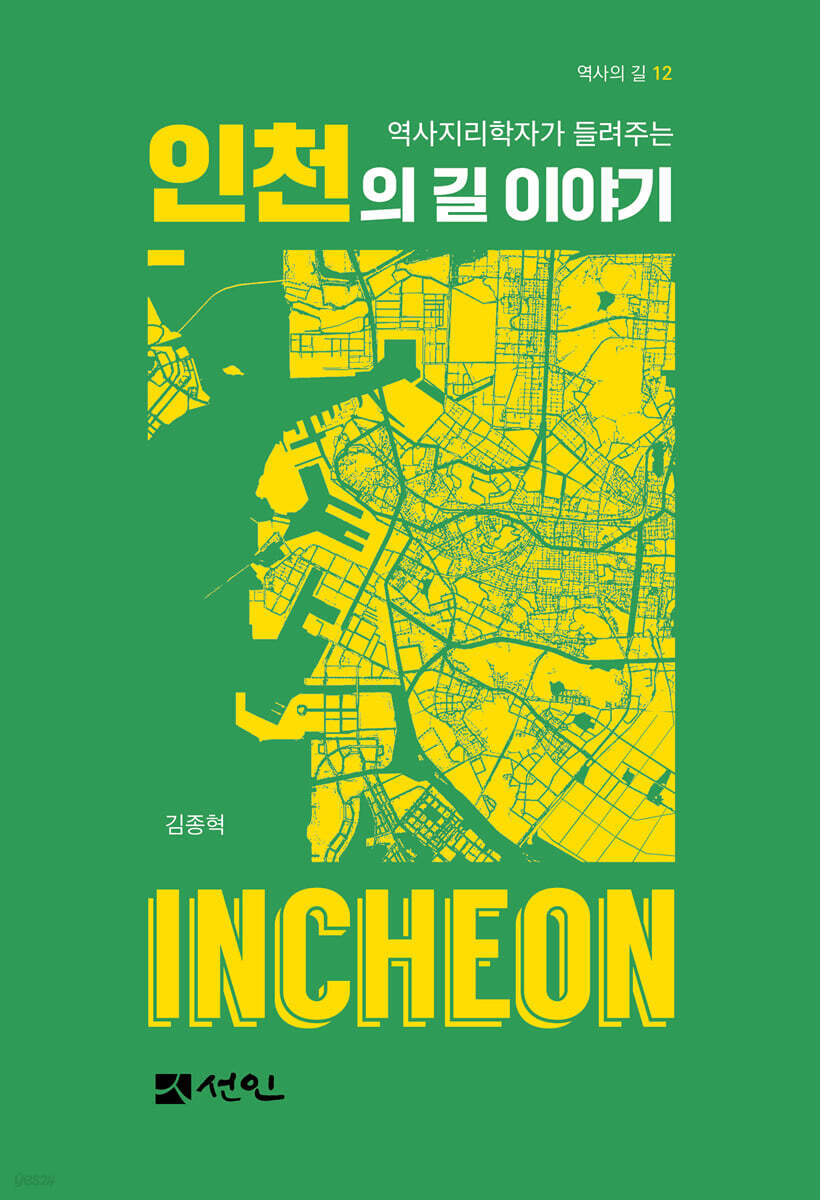 |
Description
Book Introduction
From pre-modern times to the present
The history of Incheon's transportation routes
No matter what anyone says, it is thanks to Shin Kyung-jun that today's historical geographers can extend the time period of their research on specific transportation routes back to the 18th century.
This book also begins with Shin Kyung-jun.
The time period set by this book is from the late 18th century to the present day, and Incheon and the surrounding area are the spatial range.
The topics covered are transportation routes and surrounding stories within this space and time.
This book restores the administrative districts of the late Joseon Dynasty, the Japanese colonial period, and modern times, which are the key periods, and includes them in Chapter 1.
Chapters 2 through 6 are full-fledged traffic route stories.
Incheon's road network and connections to surrounding areas, particularly Gyeongin-ro, form the center.
Chapter 2 describes the changes in the route of the Gyeongin-ro from the time of 『Dorogo』 (1770) and 『Daedongjiji』 (1864) in the late Joseon Dynasty. Chapters 3 and 4 describe the Gyeongin-ro, which was renovated as a so-called new road during the Japanese colonial period after the opening of Incheon Port, and the major road networks within Incheon-bu and Bucheon-gun.
Chapter 5 is about the railroad.
The main focus will be on Incheon's major railway lines, the Gyeongin Line and Suin Line. Chapter 6 examines the significance of transportation routes by focusing on the correlation between the expansion of major settlements in Incheon and transportation routes.
The history of Incheon's transportation routes
No matter what anyone says, it is thanks to Shin Kyung-jun that today's historical geographers can extend the time period of their research on specific transportation routes back to the 18th century.
This book also begins with Shin Kyung-jun.
The time period set by this book is from the late 18th century to the present day, and Incheon and the surrounding area are the spatial range.
The topics covered are transportation routes and surrounding stories within this space and time.
This book restores the administrative districts of the late Joseon Dynasty, the Japanese colonial period, and modern times, which are the key periods, and includes them in Chapter 1.
Chapters 2 through 6 are full-fledged traffic route stories.
Incheon's road network and connections to surrounding areas, particularly Gyeongin-ro, form the center.
Chapter 2 describes the changes in the route of the Gyeongin-ro from the time of 『Dorogo』 (1770) and 『Daedongjiji』 (1864) in the late Joseon Dynasty. Chapters 3 and 4 describe the Gyeongin-ro, which was renovated as a so-called new road during the Japanese colonial period after the opening of Incheon Port, and the major road networks within Incheon-bu and Bucheon-gun.
Chapter 5 is about the railroad.
The main focus will be on Incheon's major railway lines, the Gyeongin Line and Suin Line. Chapter 6 examines the significance of transportation routes by focusing on the correlation between the expansion of major settlements in Incheon and transportation routes.
- You can preview some of the book's contents.
Preview
index
When publishing a book
0.
Prologue: The Origin and Development of Roads
1.
Spatial scope: Changes in Incheon's territory
1) Incheon's territory during the Goryeo Dynasty
2) The territory of Incheon in the late Joseon Dynasty and the creation of Incheon-bu and Bucheon-gun in 1914
3) Expansion of Incheon-bu during the Japanese colonial period and formation of the current Incheon Metropolitan City area
2.
Joseon Road Network: Incheon's Transportation Routes During the Joseon Dynasty
1) Incheon-ro and Bupyeong-ro recorded in 『Dorogo』
2) Incheon-ro and Bupyeong-ro recorded in the “Jeongrigo” section of the “Daedongjiji”
3) Restoration of Incheon-ro
4) Restoration of Bupyeong-ro
3.
Road Network during the Port Opening Period: Incheon's Status and the Transformation of Incheon-ro
1) Changes in Incheon's status during the port opening period
2) Changes to Incheon during the port opening period
4.
Road network during the Japanese colonial period: Development of new roads during the Japanese colonial period
1) Incheon-ro in the 1910s
2) Distribution of local roads and settlements within Incheon
5.
Rail Network: Incheon, Ushering in Joseon's Railroad Era
1) Korean railway history starting in Incheon
2) The truth about the departure and destination stations on September 18, 1899
3) Relocation of Chukhyeon Station, closure of Ugak-dong Station, and changes in track and operating distance.
4) Note on driving distance
5) Stories about stations that were not told yet: Gyeongseong Station and Namdaemun Station
6) Cultural history of the Gyeongin Railway
7) Construction of the Suin Line
6.
Population and Settlement: Transportation Routes and the Development of Population and Settlement
1) Population characteristics of Incheon in the late Joseon Dynasty
2) Population characteristics of Incheon in 1909
3) Population of Incheon and Bupyeong during the Japanese colonial period
4) Population growth rate of Incheon and Bupyeong (1925-1935)
7.
Epilogue: The Historical Geography of the Road
References
0.
Prologue: The Origin and Development of Roads
1.
Spatial scope: Changes in Incheon's territory
1) Incheon's territory during the Goryeo Dynasty
2) The territory of Incheon in the late Joseon Dynasty and the creation of Incheon-bu and Bucheon-gun in 1914
3) Expansion of Incheon-bu during the Japanese colonial period and formation of the current Incheon Metropolitan City area
2.
Joseon Road Network: Incheon's Transportation Routes During the Joseon Dynasty
1) Incheon-ro and Bupyeong-ro recorded in 『Dorogo』
2) Incheon-ro and Bupyeong-ro recorded in the “Jeongrigo” section of the “Daedongjiji”
3) Restoration of Incheon-ro
4) Restoration of Bupyeong-ro
3.
Road Network during the Port Opening Period: Incheon's Status and the Transformation of Incheon-ro
1) Changes in Incheon's status during the port opening period
2) Changes to Incheon during the port opening period
4.
Road network during the Japanese colonial period: Development of new roads during the Japanese colonial period
1) Incheon-ro in the 1910s
2) Distribution of local roads and settlements within Incheon
5.
Rail Network: Incheon, Ushering in Joseon's Railroad Era
1) Korean railway history starting in Incheon
2) The truth about the departure and destination stations on September 18, 1899
3) Relocation of Chukhyeon Station, closure of Ugak-dong Station, and changes in track and operating distance.
4) Note on driving distance
5) Stories about stations that were not told yet: Gyeongseong Station and Namdaemun Station
6) Cultural history of the Gyeongin Railway
7) Construction of the Suin Line
6.
Population and Settlement: Transportation Routes and the Development of Population and Settlement
1) Population characteristics of Incheon in the late Joseon Dynasty
2) Population characteristics of Incheon in 1909
3) Population of Incheon and Bupyeong during the Japanese colonial period
4) Population growth rate of Incheon and Bupyeong (1925-1935)
7.
Epilogue: The Historical Geography of the Road
References
GOODS SPECIFICS
- Date of issue: October 31, 2025
- Page count, weight, size: 280 pages | 152*225*20mm
- ISBN13: 9791160689938
- ISBN10: 1160689938
You may also like
카테고리
korean


korean

![GQ KOREA Mark (Monthly): December [2025]](http://librairie.coreenne.fr/cdn/shop/files/8ef265dbbfbf186523ed75ba7319009d.jpg?v=1765340328&width=3840)


