

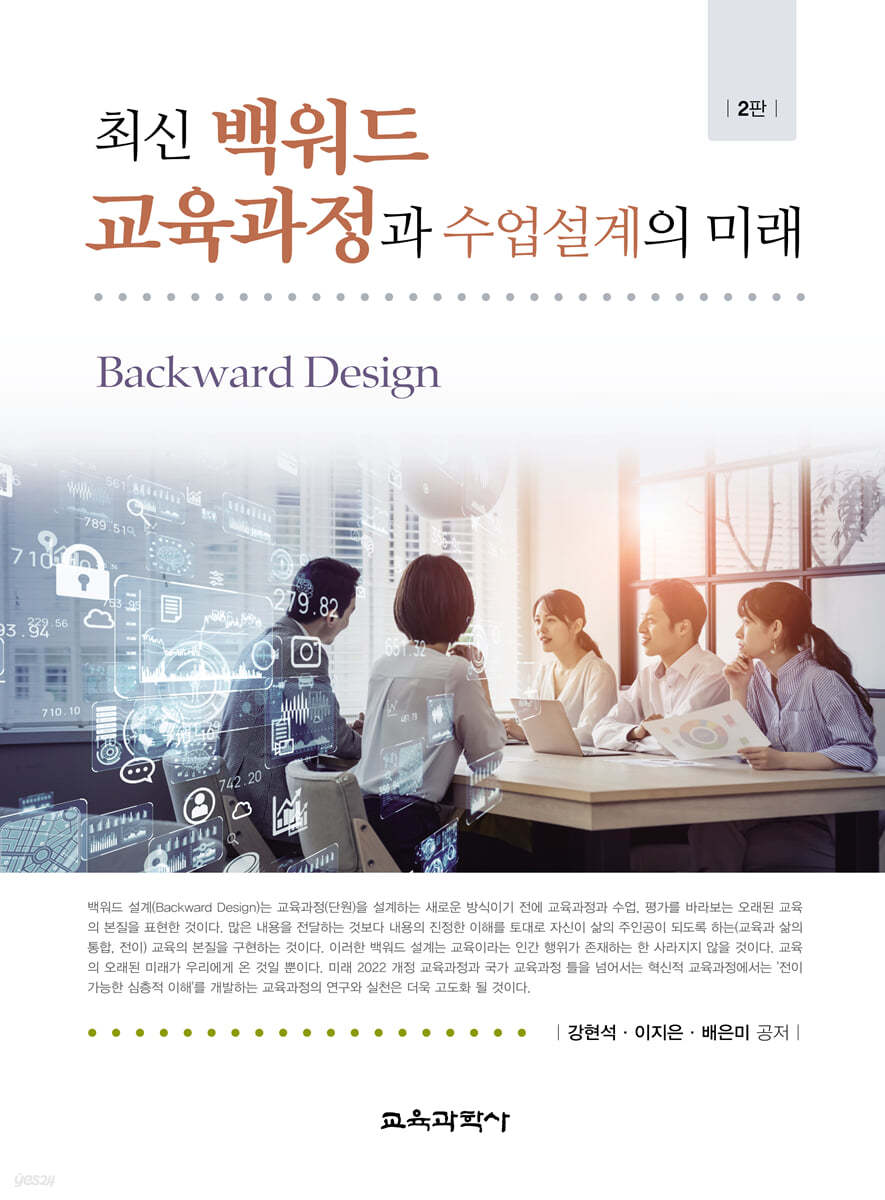
The Future of Modern Backward Curriculum and Instructional Design
 |
Description
Book Introduction
Backward design emphasizes the original mission of education in that it aims to develop true understanding and assess true performance.
Of course, historically speaking, its origins can be found in Bruner's structure of knowledge.
Furthermore, backward design is a system that pursues the essence of a curriculum that teaches subjects in a subject-like manner, and includes recently discussed process-centered evaluation, so-called integration of teaching, learning, evaluation, and improvement of classroom instruction, etc.
These ideas are further incorporated into the recent IB curriculum system.
In this respect, backward design has the potential to become an important indicator of innovation in Korean public education.
The future of curriculum and instruction is expected to evolve further, centered around a truly understanding-based education framework.
Of course, historically speaking, its origins can be found in Bruner's structure of knowledge.
Furthermore, backward design is a system that pursues the essence of a curriculum that teaches subjects in a subject-like manner, and includes recently discussed process-centered evaluation, so-called integration of teaching, learning, evaluation, and improvement of classroom instruction, etc.
These ideas are further incorporated into the recent IB curriculum system.
In this respect, backward design has the potential to become an important indicator of innovation in Korean public education.
The future of curriculum and instruction is expected to evolve further, centered around a truly understanding-based education framework.
index
Preface to the 2nd Edition / 3
Ⅰ.
Understanding Backward Unit Design 2.0
Chapter 1: Basics of Backward Design ··········································································13
1.
Learner-Centered Curriculum Design and Development ··········································13
2.
Constructivist, Understanding-Centered Curriculum ································································15
3.
Educational objectives emphasizing the development of comprehension ··················16
4.
Emphasis on the structure of knowledge ·································································17
5.
Competency-Based Curriculum ·····························································18
6.
Cognitive Science and Neuroscience ··········································································20
Chapter 2 Differences between 1.0 and 2.0 ······················································································21
1.
Differences in content ···················································································22
2.
Differences in design templates ···········································································24
Chapter 3: Curriculum-Class-Evaluation Positions ························································27
1.
Curriculum ·············································································27
2.
Class ································································································28
3.
Learning ································································································29
4.
Evaluation ································································································31
Chapter 4 The Situation in Korea ...........................................................................................33
1.
The problem of learning the sheep ································································································33
2.
The problem of learning speed ·································································34
3.
The gap between class content and life ·································································34
4.
Absence of in-depth comprehension assessment ······································································35
5.
Disconnection between curriculum, instruction, and assessment ················································································36
Chapter 5 Modules of Backward Design ·················································································39
1.
Key Ideas of Backward Design (Module A) ··········································42
2.
Backward Design Template (Module B) ······································································43
Ⅱ.
Basic Module of Backward Design (1)
Chapter 6 Types of Learning Objectives ········································································49
1.
Acquisition of knowledge and skills ·····························································49
2.
Developing meaning-making skills ··········································································50
3.
Developing Transfer Abilities ...........................................................................................52
Chapter 7 Essential Questions and Understandings ........................................................................... 55
1.
The Importance of Essential Questions ·········································································61
2.
Essential Questions and Their Relevance to Learning ..................................................................64
3.
Essential Questions and Understandings in Functional Studies ························································67
4.
Appropriate Age for Using Essential Questions ·················································68
Chapter 8 Evidence Decision and Evaluation Tasks ··························································································71
1.
Validity and Reliability of the Assessment ······································································71
2.
Development of Assessment Tasks Based on Learning Objectives 73
Chapter 9 Planning Learning Experiences 79
1.
Superficial Learning vs. Deep Learning ·································································79
2.
Planning Learning Experiences Considering Learning Objective Types ································81
3. Planning Learning Experiences with WHERETO in Mind ················································84
Ⅲ.
Basic Module of Backward Design (2): Step-by-Step Module
Chapter 10: Backward Design Manual Based on Version 2.0 ·······································93
1.
Features of the Backward Design Manual Structure ·····················93
2.
Overall Flow of the Backward Design Manual ··········································95
Chapter 11: Starting Points and Initial Unit Outline Development of Backward Design ················101
1.
Starting point ··························································································101
2.
Development of the Initial Unit Outline ············································································107
Chapter 12 Backward Design Step 1 ···············································································117
1.
Step 1 Design Template and Design Process ·············································117
2.
Step 1: Element-by-Element Design Method and Related Theory ··································································119
Chapter 13: Backward Design, Step 2 ····························································································································175
1.
Step 2 Design Template and Design Process ·············································175
2.
2-Step Element-Specific Design Method and Related Theory ··········································177
Chapter 14: Step 3 of Backward Design ··································································································219
1.
3-Step Design Template and Design Process ················································219
2.
3-Step Element-Specific Design Method and Related Theory ········································221
Ⅳ.
Cases by subject
Chapter 15: Design Cases by Subject ·················································································283
1.
Korean Language Department ··························································································283
2.
Social Studies ··························································································293
3.
Morality and ··························································································303
4.
Mathematics ··························································································312
5.
Science and ··························································································323
6.
English Department ··························································································331
7.
Physical Education ··························································································339
Chapter 16: Considerations for Application in Design ··················································································349
1.
Things to consider before development ··················································································349
2.
Things to keep in mind during development ··································································353
3.
Post-Development Notes ··································································355
V.
Teacher Expertise as a Designer
Chapter 17: Solving 25 Problems in Backward Unit Design ·················································361
1.
Introduction ····························································································361
2.
Unit Objectives (Step 1) ·······································································362
3.
Issues with Evaluation Evidence (Step 2) ·································································375
4.
Problems with the Learning Plan (Step 3) ·······················································385
Chapter 18 Unit Design Expertise ·································································403
1.
Achievement Criteria Analysis ····································································403
2.
Expertise as an Evaluation Designer ······································································404
3.
Expertise in the Linked Design of Subjects, Units, and Lessons ·················································405
4.
Essential Question-Centered Unit Restructuring Expertise ·······································406
Teacher Professionalism Pursued in Chapter 19 2.0 ·················································409
1.
Professionalism in Pursuing Transferability ··················································409
2.
Expertise in Judging Different Types of Learning Objectives ·········································410
3.
Designing Performance Tasks: Expertise in Criteria and Rubric Development ··················411
4.
1.0 Linkage Expertise ····························································412
Chapter 20: The Future of Backward Design (Forward): Backward Design and the IB Curriculum ·················413
1.
Interaction with IB in Backward Design ···············413
2.
Application Case: IB Unit Design Plan Format ·····························································424
3.
Backward Design and the 2022 Revised Curriculum: Developing Transferable Understandings ··············439
References ·············································································449
Search ·············································································453
Ⅰ.
Understanding Backward Unit Design 2.0
Chapter 1: Basics of Backward Design ··········································································13
1.
Learner-Centered Curriculum Design and Development ··········································13
2.
Constructivist, Understanding-Centered Curriculum ································································15
3.
Educational objectives emphasizing the development of comprehension ··················16
4.
Emphasis on the structure of knowledge ·································································17
5.
Competency-Based Curriculum ·····························································18
6.
Cognitive Science and Neuroscience ··········································································20
Chapter 2 Differences between 1.0 and 2.0 ······················································································21
1.
Differences in content ···················································································22
2.
Differences in design templates ···········································································24
Chapter 3: Curriculum-Class-Evaluation Positions ························································27
1.
Curriculum ·············································································27
2.
Class ································································································28
3.
Learning ································································································29
4.
Evaluation ································································································31
Chapter 4 The Situation in Korea ...........................................................................................33
1.
The problem of learning the sheep ································································································33
2.
The problem of learning speed ·································································34
3.
The gap between class content and life ·································································34
4.
Absence of in-depth comprehension assessment ······································································35
5.
Disconnection between curriculum, instruction, and assessment ················································································36
Chapter 5 Modules of Backward Design ·················································································39
1.
Key Ideas of Backward Design (Module A) ··········································42
2.
Backward Design Template (Module B) ······································································43
Ⅱ.
Basic Module of Backward Design (1)
Chapter 6 Types of Learning Objectives ········································································49
1.
Acquisition of knowledge and skills ·····························································49
2.
Developing meaning-making skills ··········································································50
3.
Developing Transfer Abilities ...........................................................................................52
Chapter 7 Essential Questions and Understandings ........................................................................... 55
1.
The Importance of Essential Questions ·········································································61
2.
Essential Questions and Their Relevance to Learning ..................................................................64
3.
Essential Questions and Understandings in Functional Studies ························································67
4.
Appropriate Age for Using Essential Questions ·················································68
Chapter 8 Evidence Decision and Evaluation Tasks ··························································································71
1.
Validity and Reliability of the Assessment ······································································71
2.
Development of Assessment Tasks Based on Learning Objectives 73
Chapter 9 Planning Learning Experiences 79
1.
Superficial Learning vs. Deep Learning ·································································79
2.
Planning Learning Experiences Considering Learning Objective Types ································81
3. Planning Learning Experiences with WHERETO in Mind ················································84
Ⅲ.
Basic Module of Backward Design (2): Step-by-Step Module
Chapter 10: Backward Design Manual Based on Version 2.0 ·······································93
1.
Features of the Backward Design Manual Structure ·····················93
2.
Overall Flow of the Backward Design Manual ··········································95
Chapter 11: Starting Points and Initial Unit Outline Development of Backward Design ················101
1.
Starting point ··························································································101
2.
Development of the Initial Unit Outline ············································································107
Chapter 12 Backward Design Step 1 ···············································································117
1.
Step 1 Design Template and Design Process ·············································117
2.
Step 1: Element-by-Element Design Method and Related Theory ··································································119
Chapter 13: Backward Design, Step 2 ····························································································································175
1.
Step 2 Design Template and Design Process ·············································175
2.
2-Step Element-Specific Design Method and Related Theory ··········································177
Chapter 14: Step 3 of Backward Design ··································································································219
1.
3-Step Design Template and Design Process ················································219
2.
3-Step Element-Specific Design Method and Related Theory ········································221
Ⅳ.
Cases by subject
Chapter 15: Design Cases by Subject ·················································································283
1.
Korean Language Department ··························································································283
2.
Social Studies ··························································································293
3.
Morality and ··························································································303
4.
Mathematics ··························································································312
5.
Science and ··························································································323
6.
English Department ··························································································331
7.
Physical Education ··························································································339
Chapter 16: Considerations for Application in Design ··················································································349
1.
Things to consider before development ··················································································349
2.
Things to keep in mind during development ··································································353
3.
Post-Development Notes ··································································355
V.
Teacher Expertise as a Designer
Chapter 17: Solving 25 Problems in Backward Unit Design ·················································361
1.
Introduction ····························································································361
2.
Unit Objectives (Step 1) ·······································································362
3.
Issues with Evaluation Evidence (Step 2) ·································································375
4.
Problems with the Learning Plan (Step 3) ·······················································385
Chapter 18 Unit Design Expertise ·································································403
1.
Achievement Criteria Analysis ····································································403
2.
Expertise as an Evaluation Designer ······································································404
3.
Expertise in the Linked Design of Subjects, Units, and Lessons ·················································405
4.
Essential Question-Centered Unit Restructuring Expertise ·······································406
Teacher Professionalism Pursued in Chapter 19 2.0 ·················································409
1.
Professionalism in Pursuing Transferability ··················································409
2.
Expertise in Judging Different Types of Learning Objectives ·········································410
3.
Designing Performance Tasks: Expertise in Criteria and Rubric Development ··················411
4.
1.0 Linkage Expertise ····························································412
Chapter 20: The Future of Backward Design (Forward): Backward Design and the IB Curriculum ·················413
1.
Interaction with IB in Backward Design ···············413
2.
Application Case: IB Unit Design Plan Format ·····························································424
3.
Backward Design and the 2022 Revised Curriculum: Developing Transferable Understandings ··············439
References ·············································································449
Search ·············································································453
Publisher's Review
Backward design is an expression of the old educational essence of looking at curriculum, classes, and assessment before it became a new way of designing a curriculum (unit).
Rather than conveying a lot of content, it is about implementing the essence of education that enables students to become the protagonists of their own lives based on a true understanding of the content (integration and transfer of education and life).
This backward design will not disappear as long as the human act of education exists.
The old future of education has just come to us.
In the future, the 2022 revised curriculum and innovative curriculum that goes beyond the national curriculum framework will further advance research and practice in developing "transferable, in-depth understanding."
Rather than conveying a lot of content, it is about implementing the essence of education that enables students to become the protagonists of their own lives based on a true understanding of the content (integration and transfer of education and life).
This backward design will not disappear as long as the human act of education exists.
The old future of education has just come to us.
In the future, the 2022 revised curriculum and innovative curriculum that goes beyond the national curriculum framework will further advance research and practice in developing "transferable, in-depth understanding."
GOODS SPECIFICS
- Date of issue: March 5, 2022
- Page count, weight, size: 456 pages | 188*257*30mm
- ISBN13: 9788925416748
- ISBN10: 8925416743
You may also like
카테고리
korean


korean

![GQ KOREA Mark (Monthly): December [2025]](http://librairie.coreenne.fr/cdn/shop/files/8ef265dbbfbf186523ed75ba7319009d.jpg?v=1765340328&width=3840)


