

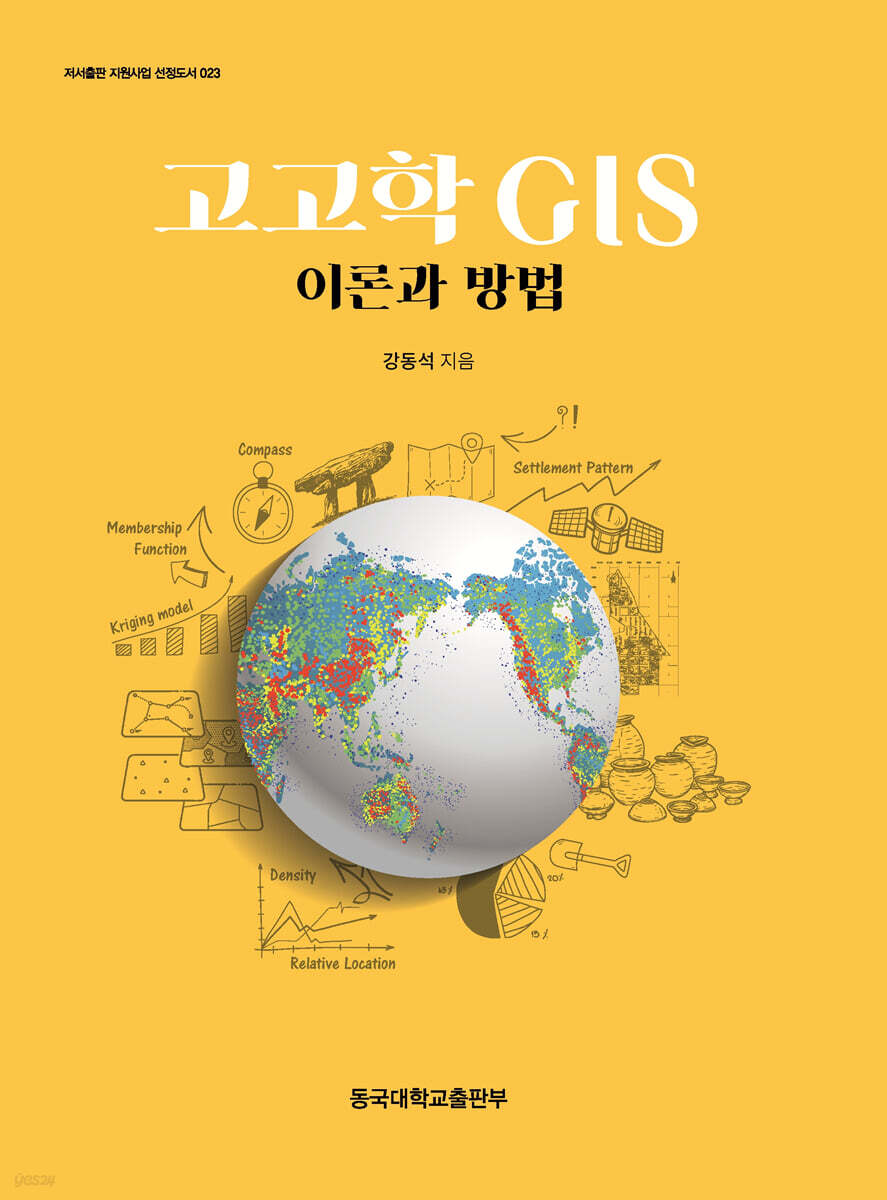
Archaeological GIS Theory and Methods
 |
Description
Book Introduction
It is no exaggeration to say that archaeology is the study of space.
From the establishment of archaeology to the present, archaeologists have been studying the traces left by humans in the past by paying attention to the spatial phenomenon in which relics and ruins are distributed.
GIS, introduced to archaeology in the 1980s, is recognized as the most effective tool for interpreting these spatial phenomena. GIS can collect and manage all archaeological spatial information, visualize the distribution patterns of artifacts and sites, and answer many archaeologists' questions through site analysis, predictive modeling, zoning, line-of-sight analysis, and network analysis.
Today, GIS is a powerful and indispensable tool for archaeological investigation and research.
In the future, archaeological GIS is expected to significantly expand its scope through integration with artificial intelligence information technology, unmanned aerial systems, multidimensional spatial information technology, and knowledge platforms.
Based on this, archaeologists will be able to further enhance their insight into spatial phenomena and make meaningful discoveries.
From the establishment of archaeology to the present, archaeologists have been studying the traces left by humans in the past by paying attention to the spatial phenomenon in which relics and ruins are distributed.
GIS, introduced to archaeology in the 1980s, is recognized as the most effective tool for interpreting these spatial phenomena. GIS can collect and manage all archaeological spatial information, visualize the distribution patterns of artifacts and sites, and answer many archaeologists' questions through site analysis, predictive modeling, zoning, line-of-sight analysis, and network analysis.
Today, GIS is a powerful and indispensable tool for archaeological investigation and research.
In the future, archaeological GIS is expected to significantly expand its scope through integration with artificial intelligence information technology, unmanned aerial systems, multidimensional spatial information technology, and knowledge platforms.
Based on this, archaeologists will be able to further enhance their insight into spatial phenomena and make meaningful discoveries.
index
Opening the book07
Chapter 1: Archaeology and GIS 11
1.1 Space in Archaeology13
1.2 Application of GIS in Archaeology17
Chapter 2 GIS and Spatial Information 25
2.1 Definition of GIS27
2.2 Spatial Information and Spatial Data30
2.2.1 Types of spatial information
2.2.2 Spatial data
2.2.3 Attribute data
Chapter 3 Digital Maps and Digital Elevation Models 39
3.1 Numerical Map 41
3.1.1 Digital topographic map
3.1.2 Water Resources Unit Map
3.1.3 Digital geological map
3.1.4 Digital soil map
3.1.5 Numerical subject spatial information
3.2 Digital Elevation Model 57
3.2.1 Use of the built digital elevation model
3.2.2 Creation of a digital elevation model
Chapter 4: Establishing Spatial Information on Historic Sites79
4.1 Building User Relics Spatial Information81
4.2 Establishment of National-Level Spatial Information on Historic Sites86
Chapter 5: Creating a Relic Distribution Map93
5.1 Archaeological Research and Site Distribution Map95
5.1.1 The Importance of the Relics Distribution Map
5.1.2 Changes in the distribution of relics
5.2 Creating a Relic Distribution Map Using GIS107
5.2.1 Procedure for creating a relic distribution map
5.2.2 Distribution map of relics using digital maps
5.2.3 Distribution map of relics using digital elevation model
5.2.4 Relic distribution map using symbols
5.2.5 Distribution map of relics using national spatial information
Chapter 6: Point Pattern Analysis 125
6.1 Point Pattern Analysis in Archaeology127
6.2 Definition and Analysis Techniques of Point Pattern Analysis128
6.2.1 Point Patterns and Point Pattern Analysis
6.2.2 Point pattern analysis technique
Chapter 7: Analysis of Historic Resource Areas 153
7.1 Concept of Relic Resource Area Analysis 155
7.2 Analysis of Heritage Resource Areas and GIS159
7.2.1 Radial Area
7.2.2 Movement path
7.2.3 Hydrological analysis
Chapter 8: Site Analysis 177
8.1 Archaeological Research and Site Analysis 179
8.2 Some Issues in Archaeological Predictive Modeling182
8.2.1 Environmental Determinism Approach
8.2.2 Dichotomy of inductive and deductive modeling
8.2.3 Data Bias and Analysis Methods
8.3 Predictive Modeling Methods Using GIS184
8.3.1 Predictive Modeling Procedure
8.3.2 Environment Variables
8.3.3 Predictive Modeling Techniques
Chapter 9: Visibility Analysis 207
9.1 Landscape Archaeology and Visibility Analysis 209
9.2 Methods and Types of Visibility Analysis214
9.2.1 Analysis Method
9.2.2 Visibility Analysis
Chapter 10 Network Analysis 233
10.1 Archaeology and Networks 235
10.2 Network Analysis Using GIS238
10.2.1 Location-Distribution Model
10.2.2 Social Network Analysis
Chapter 11: The Future of Archaeological GIS263
11.1 Convergence of Artificial Intelligence and Archaeological GIS265
11.2 Development of UAS and Multidimensional GIS270
11.3 Archaeological Knowledge Information Platform, GIS274
Reference 283
Chapter 1: Archaeology and GIS 11
1.1 Space in Archaeology13
1.2 Application of GIS in Archaeology17
Chapter 2 GIS and Spatial Information 25
2.1 Definition of GIS27
2.2 Spatial Information and Spatial Data30
2.2.1 Types of spatial information
2.2.2 Spatial data
2.2.3 Attribute data
Chapter 3 Digital Maps and Digital Elevation Models 39
3.1 Numerical Map 41
3.1.1 Digital topographic map
3.1.2 Water Resources Unit Map
3.1.3 Digital geological map
3.1.4 Digital soil map
3.1.5 Numerical subject spatial information
3.2 Digital Elevation Model 57
3.2.1 Use of the built digital elevation model
3.2.2 Creation of a digital elevation model
Chapter 4: Establishing Spatial Information on Historic Sites79
4.1 Building User Relics Spatial Information81
4.2 Establishment of National-Level Spatial Information on Historic Sites86
Chapter 5: Creating a Relic Distribution Map93
5.1 Archaeological Research and Site Distribution Map95
5.1.1 The Importance of the Relics Distribution Map
5.1.2 Changes in the distribution of relics
5.2 Creating a Relic Distribution Map Using GIS107
5.2.1 Procedure for creating a relic distribution map
5.2.2 Distribution map of relics using digital maps
5.2.3 Distribution map of relics using digital elevation model
5.2.4 Relic distribution map using symbols
5.2.5 Distribution map of relics using national spatial information
Chapter 6: Point Pattern Analysis 125
6.1 Point Pattern Analysis in Archaeology127
6.2 Definition and Analysis Techniques of Point Pattern Analysis128
6.2.1 Point Patterns and Point Pattern Analysis
6.2.2 Point pattern analysis technique
Chapter 7: Analysis of Historic Resource Areas 153
7.1 Concept of Relic Resource Area Analysis 155
7.2 Analysis of Heritage Resource Areas and GIS159
7.2.1 Radial Area
7.2.2 Movement path
7.2.3 Hydrological analysis
Chapter 8: Site Analysis 177
8.1 Archaeological Research and Site Analysis 179
8.2 Some Issues in Archaeological Predictive Modeling182
8.2.1 Environmental Determinism Approach
8.2.2 Dichotomy of inductive and deductive modeling
8.2.3 Data Bias and Analysis Methods
8.3 Predictive Modeling Methods Using GIS184
8.3.1 Predictive Modeling Procedure
8.3.2 Environment Variables
8.3.3 Predictive Modeling Techniques
Chapter 9: Visibility Analysis 207
9.1 Landscape Archaeology and Visibility Analysis 209
9.2 Methods and Types of Visibility Analysis214
9.2.1 Analysis Method
9.2.2 Visibility Analysis
Chapter 10 Network Analysis 233
10.1 Archaeology and Networks 235
10.2 Network Analysis Using GIS238
10.2.1 Location-Distribution Model
10.2.2 Social Network Analysis
Chapter 11: The Future of Archaeological GIS263
11.1 Convergence of Artificial Intelligence and Archaeological GIS265
11.2 Development of UAS and Multidimensional GIS270
11.3 Archaeological Knowledge Information Platform, GIS274
Reference 283
GOODS SPECIFICS
- Date of issue: July 24, 2025
- Page count, weight, size: 296 pages | 182*257*20mm
- ISBN13: 9788978017947
- ISBN10: 8978017940
You may also like
카테고리
korean


korean

![GQ KOREA Mark (Monthly): December [2025]](http://librairie.coreenne.fr/cdn/shop/files/8ef265dbbfbf186523ed75ba7319009d.jpg?v=1765340328&width=3840)


