

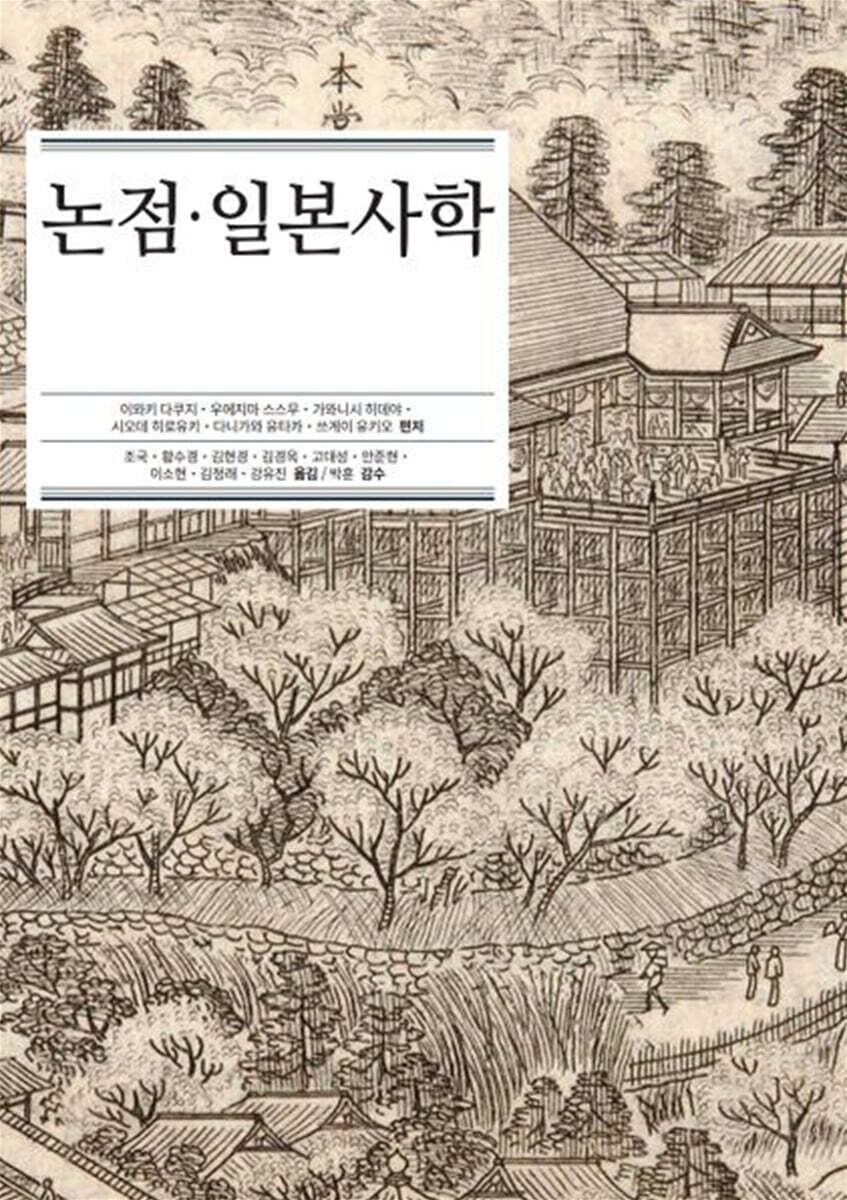
Issues · Japanese History
 |
Description
Book Introduction
Compared to the fact that specific theories about Japan are relatively well-introduced in Korea, there are fewer books than expected that help approach Japanese history in a holistic manner.
There are a few books out there, but they often miss even the content that has become established academic knowledge nearly 20 years after its publication.
This book was published to resolve such inconveniences.
This book addresses this regret by concisely summarizing and outlining research trends on key issues in Japanese history from ancient times to modern times.
Among the diverse range of books on Japanese history available in Korea, this translation is perhaps the first to encompass all eras while also comprehensively covering recent research achievements rather than simply providing a chronological narrative.
For readers with a basic knowledge of Japanese history, I believe this book will serve as a good guide to the next step.
Although this is a reference book for each individual to read and find topics of interest, the translators recommend that you read at least the general introduction of each chapter thoroughly.
This is because it not only provides an overview of the era, but also points out its meaning and difficulties.
And all the translators say in unison that they learned a lot while translating.
This is something that can only be written by taking into account one's own field and adjacent fields, and it is something that can only be said because the authors themselves have carefully read the texts before translating them.
There are a few books out there, but they often miss even the content that has become established academic knowledge nearly 20 years after its publication.
This book was published to resolve such inconveniences.
This book addresses this regret by concisely summarizing and outlining research trends on key issues in Japanese history from ancient times to modern times.
Among the diverse range of books on Japanese history available in Korea, this translation is perhaps the first to encompass all eras while also comprehensively covering recent research achievements rather than simply providing a chronological narrative.
For readers with a basic knowledge of Japanese history, I believe this book will serve as a good guide to the next step.
Although this is a reference book for each individual to read and find topics of interest, the translators recommend that you read at least the general introduction of each chapter thoroughly.
This is because it not only provides an overview of the era, but also points out its meaning and difficulties.
And all the translators say in unison that they learned a lot while translating.
This is something that can only be written by taking into account one's own field and adjacent fields, and it is something that can only be said because the authors themselves have carefully read the texts before translating them.
index
Part I: Issues in Ancient Japanese History 19
Ancient General Theory.
. .
. .
. .
. .
. .
. .
. .
. .
. .
. .
. .
. .
. .
. .
. .
. .
. .
20
01. Jomon period - when did it begin, was agriculture practiced, were there any gaps?
. .
. .
. .
29
02. Island Society of the Yayoi Period - What was Yayoi Culture?
. .
. .
. .
. .
. .
32
03. Yamatai Kingdom - How the Yamato Regime Became.
. .
. .
. .
. .
. .
. .
. .
. .
. 35
04. The Kofun Period and the Yamato Regime - How were ancient states established?
. .
. .
. .
. 38
05. Yamato Regime and the Korean Peninsula - What was Imna?
. .
. .
. .
. .
. .
. .
. .
. .
41
06. Why the Five Kings - What was their position in East Asia?
. .
. .
. .
. .
. .
. .
. .
. 44
07. The Iwai Rebellion - What impact did it have on the ruling system of Japan?
. .
. .
. .
. .
. .
. 47
08. Beminje - How was the rule of the Yamato regime established and developed?
. .
. .
. .
. .
. .
. 50
09. The spread of Buddhism - How did Japan accept Buddhism?
. .
. .
. .
. .
. .
. .
. .
. .
53
10. Soga-ssi - What kind of politics did he pursue?
. .
. .
. .
. .
. .
. .
. .
. .
. .
. .
. .
. .
56
11. Taika Reform - Was there ever the greatest reform in ancient times?
. .
. .
. .
. .
. .
. .
. .
. .
. .
59
12. Small Empires in East Asia - Was there a small empire in ancient Japan?
. .
. .
. .
. .
. .
. 62
13. The Troubles of Pregnancy - Why did the greatest civil war in ancient times occur?
. .
. .
. .
. .
. .
. .
. .
. .
65
14. Theory of a Legal State - Are ancient states legal states?
. .
. .
. .
. .
. .
. .
. .
. .
. .
68
15. The Ancient Empress - Was she a temporary intermediary?
. .
. .
. .
. .
. .
. .
. .
. .
. .
. 71
16. Ancient Manor - What is an Early Manor?
. .
. .
. .
. .
. .
. .
. .
. .
. .
. .
. 74
17. State Buddhism and Gyoki - Has Gyoki Betrayed?
. .
. .
. .
. .
. .
. .
. .
. .
. .
77
18. Ancient Family Theory - How should we view the lives of ancient people?
. .
. .
. .
. .
. .
. .
. 80
19. Military - Is the theory of a regional chief of staff valid?
. .
. .
. .
. .
. .
. .
. .
. .
. .
. .
. .
83
20. Ancient Japan as seen in wooden tablets - What can we learn from the Nagaya royal family wooden tablets?
. .
. .
. 86
21. Tenji and Tenmu - Was the era of Konin and Kanmu a turning point?
. .
. .
. .
. .
. .
. .
. .
89
22. Heian Buddhism - What did Saicho and Kukai bring?
. .
. .
. .
. .
. .
. .
. .
92
23. Ancient Society - What can we learn from land tenure?
. .
. .
. .
. .
. .
. .
. .
95
24.10th Century Rebellions - What were the Taira no Masakado Rebellion and the Fujiwara no Sumitomo Rebellion?
. 98
25. Ahyung Incident - Was it a political dispute between Emperor Uda and Fujiwara no Mototsune?
. .
. .
. .
. .
. .
101
26. Recipient - What role did he play?
. .
. .
. .
. .
. .
. .
. .
. .
. .
. .
. .
. .
. .
104
27. Combination of God and Buddha - How did the idea of combining God and Buddha develop?
. .
. .
. .
. .
. 107
28. National Culture - What was the culture of the Sup-gwan period like?
. .
. .
. .
. .
. .
. .
. .
. .
110
29.4 Wonsa and 6 Seungsa - What was the relationship between the Sup-gwan-gi and the expeditionary period?
. .
. .
. .
. .
. .
. .
. 113
30. Buddhism in the late Heian period - Did Northern Song and Liao Buddhism influence Hyeonseo Buddhism?
. .
. .
. .
116
31. Theory of Warriors - How did warriors emerge?
. .
. .
. .
. .
. .
. .
. .
. .
. .
. .
119
Part II: Issues in Medieval Japanese History 122
General Theory of the Middle Ages.
. .
. .
. .
. .
. .
. .
. .
. .
. .
. .
. .
. .
. .
. .
. .
. .
. .
123
01. Characteristics of Japanese medieval monarchy as seen from the world - Is Japanese medieval monarchy special when viewed from the world perspective?
140
02. Japanese Medieval Religion in the World - What are its characteristics?
. .
. .
. .
. .
. .
. .
143
03. Regency and Expeditions - Did the expeditions deny the regency?
. .
. .
. .
. .
. .
. .
. 146
04. Establishment of the Jangwon system - ‘Address theory’ and its tasks.
. .
. .
. .
. .
. .
. .
. .
. .
. .
. .
. 149
05. The Monk Network of the Late Heian Period and Kamakura Period - How They Moved and What They Bringed.
. 152
06. The Jisho-Juei Civil War - Why did it happen and what did it lead to?
. .
. .
. .
. .
. .
. .
. 155
07. Kamakura Shogunate's Rule of the Country - How did the Kamakura Shogunate rule the country?
. .
. 158
08. The court and public society of the Kamakura and Nanboku periods - How did they change and what did they aim for?
. 161
09. Buddhism in Kamakura - How to understand Buddhism in Kamakura.
. .
. .
. .
. .
164
10. Acceptance of Chinese Song and Yuan culture - What impact did it have on Japanese society?
. .
. .
. .
. .
. .
167
11. The significance of the Northern and Southern Dynasties War - How did it change Japanese society?
. .
. .
. .
. .
. .
. .
170
12. Muromachi Shogunate and National Order - How should we think about the relationship between the central and local governments in the late Middle Ages?
. 173
13. The Muromachi period's manor system - Was the Muromachi period an era of manor systems?
. .
. .
. .
. .
. 176
14. Distribution in the Muromachi period - How did people and goods move across the archipelago?
. .
. .
. .
. .
179
15. Buddhism in the Northern and Southern Dynasties and Muromachi Period - Society and Religion in an Era Without 'Principal Investigators'.
. .
. .
. .
. .
182
16. The significance of the Onin War - a turning point in history.
. .
. .
. .
. .
. .
. .
. .
. .
. .
. .
. 185
17. Emperors and the Court of the Muromachi and Warring States Periods - What social roles did they play?
. .
. .
. 188
18. Politics and power in the Kinai region during the Warring States period - How to describe Kinai political history.
. 191
19. Politics and Society of the Dongguk Province in the Late Middle Ages - How to Describe the History of Dongguk from the Kamakura Period to the Warring States Period.
. .
194
20. The power and literature of the daimyo across the country - What was the relationship between regional power and Kyoto?
. .
. 197
21. Medieval Class System and Discrimination - How should we view the class system and discrimination in the Middle Ages?
. .
. .
. .
. .
. 200
22. Medieval city - how to portray its characteristics and reality.
. .
. .
. .
. .
. .
. .
. .
203
23. Medieval Villages and Religion and Ritual - What did religion and ritual mean to people?
. .
. .
. .
. 206
24. Medieval Gods and Believers - What was God to medieval people?
. .
. .
. .
. .
. .
. .
. .
209
25. The Diversity of Medieval Sources - How to Understand the Expansion of Materials to Describe the Whole.
. .
. 212
26. Medieval literary culture - What can we learn about medieval society from sentences and writing style?
. .
. .
215
27. Medieval Combat - How It Happened and How It Changed.
. .
. .
. .
. .
. .
. .
. 218
28. Functions and characteristics of medieval castles - How to evaluate medieval castles.
. .
. .
. .
. .
221
29. Medieval 'Ie' and women - What characterizes medieval society.
. .
. .
. .
. .
. .
. .
. .
. 224
30. Participating in Environmental History - How it will change the study of medieval history.
. .
. .
. .
. .
. .
. 227
Part III: Issues in Modern Japanese History 230
General theory of modern times.
. .
. .
. .
. .
. .
. .
. .
. .
. .
. .
. .
. .
. .
. .
. .
. .
. .
231
01. Shokuho regime - How to understand the establishment of the modern era.
. .
. .
. .
. .
. .
. .
. .
239
02. The Edo Shogunate's National Rule - How did the Shogunate unite the various daimyo?
. .
. .
242
03. Village and People - Why are 80% of the population in modern times people?
. .
. .
. .
. .
. .
. .
. .
. 245
04. The rule of the city by the shogunate power - How did the jonin participate in the rule of the city?
. .
. .
. .
. 248
05. Unlocking the Japanese-style peace order - How to refer to foreign relations.
. .
. .
. .
. .
. .
. 251
06. The status of the court under the Edo shogunate - What did the shogunate expect from the court in the early modern period?
. .
. 254
07. The Shogunate's Rule over Private Affairs - How did the Shogunate rule private affairs?
. .
. .
. .
. .
. .
257
08. Christianity and the Spread of Science - Why did missionaries introduce Western science and how was it accepted?
. 260
09. Law of the Edo Shogunate - How did the Shogunate establish and implement the law?
. .
. .
. .
. .
. .
. .
263
10. Alternation of Attendance - How did the alternation of attendance become formalized?
. .
. .
. .
. .
. .
. .
. .
. 266
11. Relations between the shogunate and the clan - How did the shogunate and the clan negotiate politically?
. .
. .
. .
. .
. .
. .
269
12. Finance - Is the Daimyo 'Bankrupt'?
. .
. .
. .
. .
. .
. .
. .
. .
. .
. .
. .
. 272
13. Practice of Confucian Rituals - How did Confucian scholars practice Confucian rituals?
. .
. .
. .
. .
. 275
14. Rice Market - How was rice traded?
. .
. .
. .
. .
. .
. .
. .
. .
. .
. .
. 278
15. Local Merchants' Trade - How did local merchants trade?
. .
. .
. .
. .
. .
. .
281
16. Edo's Chonin Society - How could an overcrowded and unstable Chonin society survive?
. 284
17. Landlords and Tenants - How did the landowners enter into a tenancy agreement with the tenants?
. .
. .
. .
. .
. 287
18. Burden and relief - were the people convinced?
. .
. .
. .
. .
. .
. .
. .
. .
. .
. 290
19. The Muras of the Late Modern Period - What kind of contradictions did the Muras of the Late Modern Period have?
. .
. .
293
20. Environmental Change and Agriculture and Fisheries - Why did fish become valuable?
. .
. .
. .
. .
. .
. .
. .
. 296
21. Civil Engineering - How were embankments built?
. .
. .
. .
. .
. .
. .
. .
. .
. .
. 299
22. The Great Sword of a Warrior - Is the Great Sword a Privilege of a Warrior?
. .
. .
. .
. .
. .
. .
. .
. .
. .
. .
302
23. Discriminated Status - Hinin's Information Network.
. .
. .
. .
. .
. .
. .
. .
. .
. .
. .
. .
. .
305
24. Buddhist faith of modern people - Did they believe in Buddhism as a religion?
. .
. .
. .
. .
. .
. .
308
25. Travel and Tourism - What was the relationship between travelers and regions in the modern era?
. .
. .
. .
. .
. 311
26. Formation of Knowledge - How did the people form and inherit knowledge?
. .
. .
. .
. .
. .
. .
. 314
27. Women's Roles - Are childcare and caregiving women's roles?
. .
. .
. .
. .
. .
. .
. .
. .
317
28. The Oshio Incident - Why did Oshio Heihachiro rise up?
. .
. .
. .
. .
. .
. .
320
29. Kinai Society at the End of the Edo Period - What was happening in Kinai Society, which had become the center of politics?
. .
323
30. Political ideology of the late Joseon Dynasty - How was political ideology reorganized in the modern era?
. .
. .
. .
. .
. .
326
31. The world situation at the end of the Edo period and Japan - Why did foreign ships come to Japan?
. .
. .
. .
. .
. .
. .
329
32. How to discuss the emperor and court at the end of the Edo period - How to connect the late modern period and the Edo period.
. 332
Part IV: Issues in Modern and Contemporary Japanese History 335
General theory of modern and contemporary history.
. .
. .
. .
. .
. .
. .
. .
. .
. .
. .
. .
. .
. .
. .
. .
. .
. 336
01. Opening of the country - How did Japan accept the 'impact of the West'?
. .
. .
. .
. .
. .
. .
. .
. 348
02. Meiji Restoration - Why did we reach the 'restoration' and what did it bring?
. .
. .
. .
. .
. .
. .
351
03. Civilization and enlightenment - How is it different from 'Westernization' and how was it accepted?
. .
. .
. .
. .
. .
354
04. Treaty Revision and the Sino-Japanese War - What significance does this have in the formation of modern Japan?
. .
. .
357
05. Freedom and Civil Rights Movement - How to understand the ‘people’.
. .
. .
. .
. .
. .
. .
. .
. .
360
06. Modern Emperor System - What is ‘modernity’?
. .
. .
. .
. .
. .
. .
. .
. .
. .
. 363
07. The Modern Age of the ‘Warrior’ - How were daimyo and warriors reborn in modern society?
. .
. .
. 366
08. The Development of the Early Parliament - How was the Parliament established and what did it change?
. .
. .
. .
. .
369
09. The Russo-Japanese War and the International Community - Its Impact on International Politics.
. .
. .
. .
. .
. .
. .
. .
. 372
10. The formation of a modern city - the dynamics of how a city was created and changed.
. .
. .
. .
. .
. .
. .
375
11. The establishment of ‘local government’ - How was the ‘central-local government’ relationship formed?
. .
. .
. .
. .
. .
. .
378
12. The lower classes and poverty - how were they perceived and how were they attempted to be solved?
. .
. .
. .
. .
381
13. Modernization of Transportation - How did railways change people's lives and thoughts?
. .
. .
. .
. 384
14. School education - How can we understand 'school attendance' and its experience?
. .
. .
. .
. .
. .
. .
387
15. Modern Ainu and Okinawans - What Creates National Identity?
. .
. .
390
16. Immigration and Imperial Japan - Why did people emigrate, and what was the relationship between immigration and Japan's expansion?
. .
393
17. Newspaper and magazine media - What role do they play in society?
. .
. .
. .
. .
. .
. 396
18. Nationalism - How was 'Japan' imagined?
. .
. .
. .
. .
. .
. .
. .
. .
. .
399
19. The development of capitalism - what are its Japanese characteristics?
. .
. .
. .
. .
. .
. .
. .
. 402
20. Gender and Modern and Contemporary History - How to Reread Modern and Contemporary History from the Perspective of ‘Gender’.
. .
. .
. .
. 405
21. Modern Family - When was the concept of 'family unity' established?
. .
. .
. .
. .
. .
. .
. .
. .
408
22. Colonial Taiwan - Whose history is 'Taiwan history'?
. .
. .
. .
. .
. .
. .
. .
. .
. .
411
23. Colonial Korea - How should we view its 'modernization' and 'imperialization'?
. .
. .
. .
. .
. .
. .
414
24. Discrimination Village - How was the 'village' created and transformed in modern times?
. .
. .
. .
. .
. .
417
25. Religion and Modern Society - A Relic of the Old Age?
. .
. .
. .
. .
. .
. .
. .
. .
. .
. 420
26. Socialism and Marxism - What are the possibilities and problems brought about by these ideologies?
. .
. .
423
27. Modern Science - From Evolution to Eugenics.
. .
. .
. .
. .
. .
. .
. .
. .
. .
. .
. .
426
28. Labor Movement - Where do workers come from and where do they go?
. .
. .
. .
. .
. .
. .
. .
. .
429
29. Party politics under the Imperial Constitution - Was pre-war Japan democratized?
. .
. .
. .
. .
. .
. 432
30. Taisho Democracy - Why was 'People's Basic Principle' advocated and how did it spread?
. .
. .
435
31. Mass Consumer Society - How did people become 'consumers'?
. .
. .
. .
. .
. .
. .
. 438
32. Disease, Medicine and Society - How has modernization changed 'disease' and medicine?
. .
. .
. .
. .
441
33. Modern rural areas - How were the landlord-tenant relationships formed and changed?
. .
. .
. .
. .
. .
444
34. State Shinto - What role did shrines and priests play in the pre-war and wartime periods?
. .
. .
. .
. .
447
35. International Relations in East Asia during the Interwar Period - How Was the Washington System Formed and Why Was It Unstable?
. 450
36. Emperor Showa and the Imperial Court - What did they think and how did they act?
. .
. .
. .
. .
. .
. .
453
37. Bureaucracy and political parties in modern and contemporary times - The relationship between bureaucracy and political parties throughout the pre-war and post-war period.
. .
. .
. 456
38. Military and Politics - How were the Army and Navy connected to politics?
. .
. .
. .
. .
. .
. .
459
39. The Soldier's Experience - How Soldiers Were Made and How They Fought.
. .
. .
. .
. .
. .
. .
. 462
40. From the Manchurian Incident to the Sino-Japanese War - Why did Japan's invasion expand?
. .
. .
. .
. .
465
41. Disasters and Modern and Contemporary Japan - Remembering and Recording Disasters.
. .
. .
. .
. .
. .
. 468
42. The Greater East Asia Co-Prosperity Sphere - Liberation or Domination of Asia?
. .
. .
. .
. .
. .
. .
. .
. .
. 471
43. The outbreak of war between the US and Japan - 'Greater East Asia construction' or 'self-respect and self-defense'?
. .
. .
. .
. .
. .
. .
. .
. .
. 474
44. Social Transformation under Wartime - Oppression or Equalization?
. .
. .
. .
. .
. .
. .
. .
. .
. 477
45. American occupation policy - why was it perceived as liberation?
. .
. .
. .
. .
. .
. .
. .
480
46. Symbolic Emperor System - How did the Emperor become a ‘symbol’?
. .
. .
. .
. .
. .
. .
. .
. .
483
The 47.55 Year System and the LDP Rule - Why Was the LDP Government Established and Prolonged?
. .
. .
486
48. US military bases on Sunday - Why are they concentrated in Okinawa?
. .
. .
. .
. .
. .
. .
. .
. .
489
49. Nuclear Power and Nuclear Energy - Why did nuclear power take hold after the war?
. .
. .
. .
. .
. .
. .
. .
. .
492
50. Koreans in Japan - How did they survive under the oppression and social exclusion of colonialism?
. .
. .
. 495
51. High Economic Growth - How did long-term economic growth occur and how did society change?
. .
498
52. Postwar Society and Gender - How did things change in the postwar period?
. .
. .
. .
. .
. .
. .
501
53. The development of post-war school education - What did the 'popularization' of education bring about?
. .
. .
. .
. .
504
54. Before and after the peace movement - how did its logic and responsible parties change?
. .
. .
. .
507
55. Postwar Cultural Movements - Why was culture considered important in social movements?
. .
. .
. .
. .
. .
510
56. Diplomacy under the Cold War - How did the US-Japan security system shape Japanese diplomacy?
. .
. .
. .
. .
513
57. Post-War Treatment in East Asia - Why Reconciliation is Difficult.
. .
. .
. .
. .
. .
. .
. .
. .
. 516
58. Research on public documents and modern and contemporary history - What is recorded and preserved?
. .
. .
. .
. .
. .
. .
. 519
59. Listening and Oral History - How have we heard the voices of people?
. .
. .
. .
. .
. 522
60. Environmental issues - How have ‘problems’ been structured?
. .
. .
. .
. .
. .
. .
. .
. .
. 525
61. Research on Japanese History in the United States - What discussions have been held surrounding the 'theory of modernization'?
. .
. .
528
Find out .
. .
. .
. .
. .
. .
. .
. .
. .
. .
. .
. .
. .
. .
. .
. .
. .
. .
. 534
Ancient General Theory.
. .
. .
. .
. .
. .
. .
. .
. .
. .
. .
. .
. .
. .
. .
. .
. .
. .
20
01. Jomon period - when did it begin, was agriculture practiced, were there any gaps?
. .
. .
. .
29
02. Island Society of the Yayoi Period - What was Yayoi Culture?
. .
. .
. .
. .
. .
32
03. Yamatai Kingdom - How the Yamato Regime Became.
. .
. .
. .
. .
. .
. .
. .
. .
. 35
04. The Kofun Period and the Yamato Regime - How were ancient states established?
. .
. .
. .
. 38
05. Yamato Regime and the Korean Peninsula - What was Imna?
. .
. .
. .
. .
. .
. .
. .
. .
41
06. Why the Five Kings - What was their position in East Asia?
. .
. .
. .
. .
. .
. .
. .
. 44
07. The Iwai Rebellion - What impact did it have on the ruling system of Japan?
. .
. .
. .
. .
. .
. 47
08. Beminje - How was the rule of the Yamato regime established and developed?
. .
. .
. .
. .
. .
. 50
09. The spread of Buddhism - How did Japan accept Buddhism?
. .
. .
. .
. .
. .
. .
. .
. .
53
10. Soga-ssi - What kind of politics did he pursue?
. .
. .
. .
. .
. .
. .
. .
. .
. .
. .
. .
. .
56
11. Taika Reform - Was there ever the greatest reform in ancient times?
. .
. .
. .
. .
. .
. .
. .
. .
. .
59
12. Small Empires in East Asia - Was there a small empire in ancient Japan?
. .
. .
. .
. .
. .
. 62
13. The Troubles of Pregnancy - Why did the greatest civil war in ancient times occur?
. .
. .
. .
. .
. .
. .
. .
. .
65
14. Theory of a Legal State - Are ancient states legal states?
. .
. .
. .
. .
. .
. .
. .
. .
. .
68
15. The Ancient Empress - Was she a temporary intermediary?
. .
. .
. .
. .
. .
. .
. .
. .
. .
. 71
16. Ancient Manor - What is an Early Manor?
. .
. .
. .
. .
. .
. .
. .
. .
. .
. .
. 74
17. State Buddhism and Gyoki - Has Gyoki Betrayed?
. .
. .
. .
. .
. .
. .
. .
. .
. .
77
18. Ancient Family Theory - How should we view the lives of ancient people?
. .
. .
. .
. .
. .
. .
. 80
19. Military - Is the theory of a regional chief of staff valid?
. .
. .
. .
. .
. .
. .
. .
. .
. .
. .
. .
83
20. Ancient Japan as seen in wooden tablets - What can we learn from the Nagaya royal family wooden tablets?
. .
. .
. 86
21. Tenji and Tenmu - Was the era of Konin and Kanmu a turning point?
. .
. .
. .
. .
. .
. .
. .
89
22. Heian Buddhism - What did Saicho and Kukai bring?
. .
. .
. .
. .
. .
. .
. .
92
23. Ancient Society - What can we learn from land tenure?
. .
. .
. .
. .
. .
. .
. .
95
24.10th Century Rebellions - What were the Taira no Masakado Rebellion and the Fujiwara no Sumitomo Rebellion?
. 98
25. Ahyung Incident - Was it a political dispute between Emperor Uda and Fujiwara no Mototsune?
. .
. .
. .
. .
. .
101
26. Recipient - What role did he play?
. .
. .
. .
. .
. .
. .
. .
. .
. .
. .
. .
. .
. .
104
27. Combination of God and Buddha - How did the idea of combining God and Buddha develop?
. .
. .
. .
. .
. 107
28. National Culture - What was the culture of the Sup-gwan period like?
. .
. .
. .
. .
. .
. .
. .
. .
110
29.4 Wonsa and 6 Seungsa - What was the relationship between the Sup-gwan-gi and the expeditionary period?
. .
. .
. .
. .
. .
. .
. 113
30. Buddhism in the late Heian period - Did Northern Song and Liao Buddhism influence Hyeonseo Buddhism?
. .
. .
. .
116
31. Theory of Warriors - How did warriors emerge?
. .
. .
. .
. .
. .
. .
. .
. .
. .
. .
119
Part II: Issues in Medieval Japanese History 122
General Theory of the Middle Ages.
. .
. .
. .
. .
. .
. .
. .
. .
. .
. .
. .
. .
. .
. .
. .
. .
. .
123
01. Characteristics of Japanese medieval monarchy as seen from the world - Is Japanese medieval monarchy special when viewed from the world perspective?
140
02. Japanese Medieval Religion in the World - What are its characteristics?
. .
. .
. .
. .
. .
. .
143
03. Regency and Expeditions - Did the expeditions deny the regency?
. .
. .
. .
. .
. .
. .
. 146
04. Establishment of the Jangwon system - ‘Address theory’ and its tasks.
. .
. .
. .
. .
. .
. .
. .
. .
. .
. .
. 149
05. The Monk Network of the Late Heian Period and Kamakura Period - How They Moved and What They Bringed.
. 152
06. The Jisho-Juei Civil War - Why did it happen and what did it lead to?
. .
. .
. .
. .
. .
. .
. 155
07. Kamakura Shogunate's Rule of the Country - How did the Kamakura Shogunate rule the country?
. .
. 158
08. The court and public society of the Kamakura and Nanboku periods - How did they change and what did they aim for?
. 161
09. Buddhism in Kamakura - How to understand Buddhism in Kamakura.
. .
. .
. .
. .
164
10. Acceptance of Chinese Song and Yuan culture - What impact did it have on Japanese society?
. .
. .
. .
. .
. .
167
11. The significance of the Northern and Southern Dynasties War - How did it change Japanese society?
. .
. .
. .
. .
. .
. .
170
12. Muromachi Shogunate and National Order - How should we think about the relationship between the central and local governments in the late Middle Ages?
. 173
13. The Muromachi period's manor system - Was the Muromachi period an era of manor systems?
. .
. .
. .
. .
. 176
14. Distribution in the Muromachi period - How did people and goods move across the archipelago?
. .
. .
. .
. .
179
15. Buddhism in the Northern and Southern Dynasties and Muromachi Period - Society and Religion in an Era Without 'Principal Investigators'.
. .
. .
. .
. .
182
16. The significance of the Onin War - a turning point in history.
. .
. .
. .
. .
. .
. .
. .
. .
. .
. .
. 185
17. Emperors and the Court of the Muromachi and Warring States Periods - What social roles did they play?
. .
. .
. 188
18. Politics and power in the Kinai region during the Warring States period - How to describe Kinai political history.
. 191
19. Politics and Society of the Dongguk Province in the Late Middle Ages - How to Describe the History of Dongguk from the Kamakura Period to the Warring States Period.
. .
194
20. The power and literature of the daimyo across the country - What was the relationship between regional power and Kyoto?
. .
. 197
21. Medieval Class System and Discrimination - How should we view the class system and discrimination in the Middle Ages?
. .
. .
. .
. .
. 200
22. Medieval city - how to portray its characteristics and reality.
. .
. .
. .
. .
. .
. .
. .
203
23. Medieval Villages and Religion and Ritual - What did religion and ritual mean to people?
. .
. .
. .
. 206
24. Medieval Gods and Believers - What was God to medieval people?
. .
. .
. .
. .
. .
. .
. .
209
25. The Diversity of Medieval Sources - How to Understand the Expansion of Materials to Describe the Whole.
. .
. 212
26. Medieval literary culture - What can we learn about medieval society from sentences and writing style?
. .
. .
215
27. Medieval Combat - How It Happened and How It Changed.
. .
. .
. .
. .
. .
. .
. 218
28. Functions and characteristics of medieval castles - How to evaluate medieval castles.
. .
. .
. .
. .
221
29. Medieval 'Ie' and women - What characterizes medieval society.
. .
. .
. .
. .
. .
. .
. .
. 224
30. Participating in Environmental History - How it will change the study of medieval history.
. .
. .
. .
. .
. .
. 227
Part III: Issues in Modern Japanese History 230
General theory of modern times.
. .
. .
. .
. .
. .
. .
. .
. .
. .
. .
. .
. .
. .
. .
. .
. .
. .
231
01. Shokuho regime - How to understand the establishment of the modern era.
. .
. .
. .
. .
. .
. .
. .
239
02. The Edo Shogunate's National Rule - How did the Shogunate unite the various daimyo?
. .
. .
242
03. Village and People - Why are 80% of the population in modern times people?
. .
. .
. .
. .
. .
. .
. .
. 245
04. The rule of the city by the shogunate power - How did the jonin participate in the rule of the city?
. .
. .
. .
. 248
05. Unlocking the Japanese-style peace order - How to refer to foreign relations.
. .
. .
. .
. .
. .
. 251
06. The status of the court under the Edo shogunate - What did the shogunate expect from the court in the early modern period?
. .
. 254
07. The Shogunate's Rule over Private Affairs - How did the Shogunate rule private affairs?
. .
. .
. .
. .
. .
257
08. Christianity and the Spread of Science - Why did missionaries introduce Western science and how was it accepted?
. 260
09. Law of the Edo Shogunate - How did the Shogunate establish and implement the law?
. .
. .
. .
. .
. .
. .
263
10. Alternation of Attendance - How did the alternation of attendance become formalized?
. .
. .
. .
. .
. .
. .
. .
. 266
11. Relations between the shogunate and the clan - How did the shogunate and the clan negotiate politically?
. .
. .
. .
. .
. .
. .
269
12. Finance - Is the Daimyo 'Bankrupt'?
. .
. .
. .
. .
. .
. .
. .
. .
. .
. .
. .
. 272
13. Practice of Confucian Rituals - How did Confucian scholars practice Confucian rituals?
. .
. .
. .
. .
. 275
14. Rice Market - How was rice traded?
. .
. .
. .
. .
. .
. .
. .
. .
. .
. .
. 278
15. Local Merchants' Trade - How did local merchants trade?
. .
. .
. .
. .
. .
. .
281
16. Edo's Chonin Society - How could an overcrowded and unstable Chonin society survive?
. 284
17. Landlords and Tenants - How did the landowners enter into a tenancy agreement with the tenants?
. .
. .
. .
. .
. 287
18. Burden and relief - were the people convinced?
. .
. .
. .
. .
. .
. .
. .
. .
. .
. 290
19. The Muras of the Late Modern Period - What kind of contradictions did the Muras of the Late Modern Period have?
. .
. .
293
20. Environmental Change and Agriculture and Fisheries - Why did fish become valuable?
. .
. .
. .
. .
. .
. .
. .
. 296
21. Civil Engineering - How were embankments built?
. .
. .
. .
. .
. .
. .
. .
. .
. .
. 299
22. The Great Sword of a Warrior - Is the Great Sword a Privilege of a Warrior?
. .
. .
. .
. .
. .
. .
. .
. .
. .
. .
302
23. Discriminated Status - Hinin's Information Network.
. .
. .
. .
. .
. .
. .
. .
. .
. .
. .
. .
. .
305
24. Buddhist faith of modern people - Did they believe in Buddhism as a religion?
. .
. .
. .
. .
. .
. .
308
25. Travel and Tourism - What was the relationship between travelers and regions in the modern era?
. .
. .
. .
. .
. 311
26. Formation of Knowledge - How did the people form and inherit knowledge?
. .
. .
. .
. .
. .
. .
. 314
27. Women's Roles - Are childcare and caregiving women's roles?
. .
. .
. .
. .
. .
. .
. .
. .
317
28. The Oshio Incident - Why did Oshio Heihachiro rise up?
. .
. .
. .
. .
. .
. .
320
29. Kinai Society at the End of the Edo Period - What was happening in Kinai Society, which had become the center of politics?
. .
323
30. Political ideology of the late Joseon Dynasty - How was political ideology reorganized in the modern era?
. .
. .
. .
. .
. .
326
31. The world situation at the end of the Edo period and Japan - Why did foreign ships come to Japan?
. .
. .
. .
. .
. .
. .
329
32. How to discuss the emperor and court at the end of the Edo period - How to connect the late modern period and the Edo period.
. 332
Part IV: Issues in Modern and Contemporary Japanese History 335
General theory of modern and contemporary history.
. .
. .
. .
. .
. .
. .
. .
. .
. .
. .
. .
. .
. .
. .
. .
. .
. 336
01. Opening of the country - How did Japan accept the 'impact of the West'?
. .
. .
. .
. .
. .
. .
. .
. 348
02. Meiji Restoration - Why did we reach the 'restoration' and what did it bring?
. .
. .
. .
. .
. .
. .
351
03. Civilization and enlightenment - How is it different from 'Westernization' and how was it accepted?
. .
. .
. .
. .
. .
354
04. Treaty Revision and the Sino-Japanese War - What significance does this have in the formation of modern Japan?
. .
. .
357
05. Freedom and Civil Rights Movement - How to understand the ‘people’.
. .
. .
. .
. .
. .
. .
. .
. .
360
06. Modern Emperor System - What is ‘modernity’?
. .
. .
. .
. .
. .
. .
. .
. .
. .
. 363
07. The Modern Age of the ‘Warrior’ - How were daimyo and warriors reborn in modern society?
. .
. .
. 366
08. The Development of the Early Parliament - How was the Parliament established and what did it change?
. .
. .
. .
. .
369
09. The Russo-Japanese War and the International Community - Its Impact on International Politics.
. .
. .
. .
. .
. .
. .
. .
. 372
10. The formation of a modern city - the dynamics of how a city was created and changed.
. .
. .
. .
. .
. .
. .
375
11. The establishment of ‘local government’ - How was the ‘central-local government’ relationship formed?
. .
. .
. .
. .
. .
. .
378
12. The lower classes and poverty - how were they perceived and how were they attempted to be solved?
. .
. .
. .
. .
381
13. Modernization of Transportation - How did railways change people's lives and thoughts?
. .
. .
. .
. 384
14. School education - How can we understand 'school attendance' and its experience?
. .
. .
. .
. .
. .
. .
387
15. Modern Ainu and Okinawans - What Creates National Identity?
. .
. .
390
16. Immigration and Imperial Japan - Why did people emigrate, and what was the relationship between immigration and Japan's expansion?
. .
393
17. Newspaper and magazine media - What role do they play in society?
. .
. .
. .
. .
. .
. 396
18. Nationalism - How was 'Japan' imagined?
. .
. .
. .
. .
. .
. .
. .
. .
. .
399
19. The development of capitalism - what are its Japanese characteristics?
. .
. .
. .
. .
. .
. .
. .
. 402
20. Gender and Modern and Contemporary History - How to Reread Modern and Contemporary History from the Perspective of ‘Gender’.
. .
. .
. .
. 405
21. Modern Family - When was the concept of 'family unity' established?
. .
. .
. .
. .
. .
. .
. .
. .
408
22. Colonial Taiwan - Whose history is 'Taiwan history'?
. .
. .
. .
. .
. .
. .
. .
. .
. .
411
23. Colonial Korea - How should we view its 'modernization' and 'imperialization'?
. .
. .
. .
. .
. .
. .
414
24. Discrimination Village - How was the 'village' created and transformed in modern times?
. .
. .
. .
. .
. .
417
25. Religion and Modern Society - A Relic of the Old Age?
. .
. .
. .
. .
. .
. .
. .
. .
. .
. 420
26. Socialism and Marxism - What are the possibilities and problems brought about by these ideologies?
. .
. .
423
27. Modern Science - From Evolution to Eugenics.
. .
. .
. .
. .
. .
. .
. .
. .
. .
. .
. .
426
28. Labor Movement - Where do workers come from and where do they go?
. .
. .
. .
. .
. .
. .
. .
. .
429
29. Party politics under the Imperial Constitution - Was pre-war Japan democratized?
. .
. .
. .
. .
. .
. 432
30. Taisho Democracy - Why was 'People's Basic Principle' advocated and how did it spread?
. .
. .
435
31. Mass Consumer Society - How did people become 'consumers'?
. .
. .
. .
. .
. .
. .
. 438
32. Disease, Medicine and Society - How has modernization changed 'disease' and medicine?
. .
. .
. .
. .
441
33. Modern rural areas - How were the landlord-tenant relationships formed and changed?
. .
. .
. .
. .
. .
444
34. State Shinto - What role did shrines and priests play in the pre-war and wartime periods?
. .
. .
. .
. .
447
35. International Relations in East Asia during the Interwar Period - How Was the Washington System Formed and Why Was It Unstable?
. 450
36. Emperor Showa and the Imperial Court - What did they think and how did they act?
. .
. .
. .
. .
. .
. .
453
37. Bureaucracy and political parties in modern and contemporary times - The relationship between bureaucracy and political parties throughout the pre-war and post-war period.
. .
. .
. 456
38. Military and Politics - How were the Army and Navy connected to politics?
. .
. .
. .
. .
. .
. .
459
39. The Soldier's Experience - How Soldiers Were Made and How They Fought.
. .
. .
. .
. .
. .
. .
. 462
40. From the Manchurian Incident to the Sino-Japanese War - Why did Japan's invasion expand?
. .
. .
. .
. .
465
41. Disasters and Modern and Contemporary Japan - Remembering and Recording Disasters.
. .
. .
. .
. .
. .
. 468
42. The Greater East Asia Co-Prosperity Sphere - Liberation or Domination of Asia?
. .
. .
. .
. .
. .
. .
. .
. .
. 471
43. The outbreak of war between the US and Japan - 'Greater East Asia construction' or 'self-respect and self-defense'?
. .
. .
. .
. .
. .
. .
. .
. .
. 474
44. Social Transformation under Wartime - Oppression or Equalization?
. .
. .
. .
. .
. .
. .
. .
. .
. 477
45. American occupation policy - why was it perceived as liberation?
. .
. .
. .
. .
. .
. .
. .
480
46. Symbolic Emperor System - How did the Emperor become a ‘symbol’?
. .
. .
. .
. .
. .
. .
. .
. .
483
The 47.55 Year System and the LDP Rule - Why Was the LDP Government Established and Prolonged?
. .
. .
486
48. US military bases on Sunday - Why are they concentrated in Okinawa?
. .
. .
. .
. .
. .
. .
. .
. .
489
49. Nuclear Power and Nuclear Energy - Why did nuclear power take hold after the war?
. .
. .
. .
. .
. .
. .
. .
. .
492
50. Koreans in Japan - How did they survive under the oppression and social exclusion of colonialism?
. .
. .
. 495
51. High Economic Growth - How did long-term economic growth occur and how did society change?
. .
498
52. Postwar Society and Gender - How did things change in the postwar period?
. .
. .
. .
. .
. .
. .
501
53. The development of post-war school education - What did the 'popularization' of education bring about?
. .
. .
. .
. .
504
54. Before and after the peace movement - how did its logic and responsible parties change?
. .
. .
. .
507
55. Postwar Cultural Movements - Why was culture considered important in social movements?
. .
. .
. .
. .
. .
510
56. Diplomacy under the Cold War - How did the US-Japan security system shape Japanese diplomacy?
. .
. .
. .
. .
513
57. Post-War Treatment in East Asia - Why Reconciliation is Difficult.
. .
. .
. .
. .
. .
. .
. .
. .
. 516
58. Research on public documents and modern and contemporary history - What is recorded and preserved?
. .
. .
. .
. .
. .
. .
. 519
59. Listening and Oral History - How have we heard the voices of people?
. .
. .
. .
. .
. 522
60. Environmental issues - How have ‘problems’ been structured?
. .
. .
. .
. .
. .
. .
. .
. .
. 525
61. Research on Japanese History in the United States - What discussions have been held surrounding the 'theory of modernization'?
. .
. .
528
Find out .
. .
. .
. .
. .
. .
. .
. .
. .
. .
. .
. .
. .
. .
. .
. .
. .
. .
. 534
GOODS SPECIFICS
- Date of issue: July 1, 2024
- Page count, weight, size: 560 pages | 190*270*35mm
- ISBN13: 9791198765239
- ISBN10: 1198765232
You may also like
카테고리
korean


korean

![GQ KOREA Mark (Monthly): December [2025]](http://librairie.coreenne.fr/cdn/shop/files/8ef265dbbfbf186523ed75ba7319009d.jpg?v=1765340328&width=3840)


