

Japan, the land of nothingness
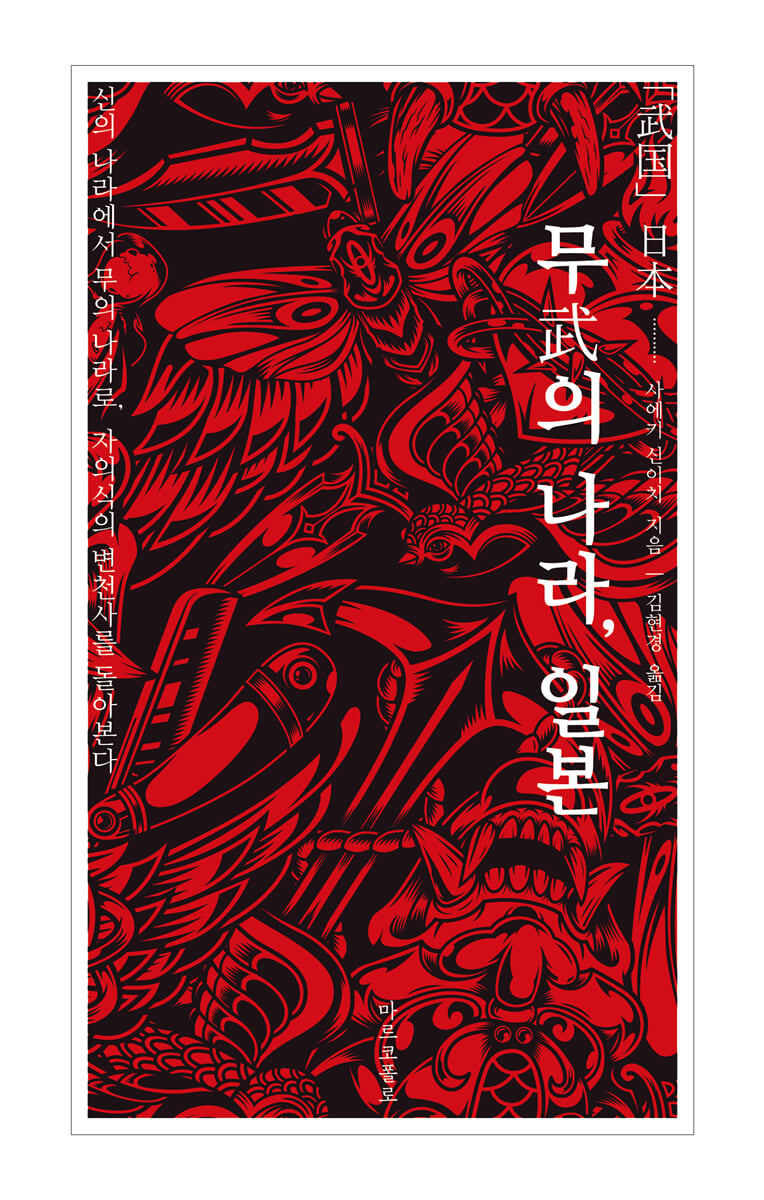 |
Description
Book Introduction
Amazon Japan Bestseller
Mainichi Shimbun, Book of the Year
Yomiuri Shimbun, recommended books
Sankei Shimbun, recommended books
It is difficult to view the perception that Japan is a “country of warriors” and that “samurai” come to mind when thinking of Japan as simply a prejudice or stereotype held by foreigners.
In fact, it is confirmed that the Japanese people themselves tend to perceive that Japan is a country with superior military power compared to other countries and that the presence of samurai is particularly prominent.
A prime example is the name of the Japanese national baseball team, Samurai Japan.
The image of Japan as a country of martial arts and warriors may be something shared by both Japanese and foreigners, and spread and mass-produced as one influences the other.
Mainichi Shimbun, Book of the Year
Yomiuri Shimbun, recommended books
Sankei Shimbun, recommended books
It is difficult to view the perception that Japan is a “country of warriors” and that “samurai” come to mind when thinking of Japan as simply a prejudice or stereotype held by foreigners.
In fact, it is confirmed that the Japanese people themselves tend to perceive that Japan is a country with superior military power compared to other countries and that the presence of samurai is particularly prominent.
A prime example is the name of the Japanese national baseball team, Samurai Japan.
The image of Japan as a country of martial arts and warriors may be something shared by both Japanese and foreigners, and spread and mass-produced as one influences the other.
- You can preview some of the book's contents.
Preview
index
Preface to the Korean Edition · 11
Preface · 14
Japanese self-consciousness .................................
14
Peace and Samurai ..............................
16
The consciousness of 'Shinguk' and the consciousness of 'Muguk'......................
18
Chapter 1
Japan, the 'new nation'
Section 1
What is a "Shin-guk"? · 21
Good country, strong country ..........................
21
Empress Jingu's Tale .................................
24
The transformation of Empress Jingu's tale ........................
26
The influence of the story of Empress Jingu ........................
29
Section 2
Shinto Rituals of the Heian and Kamakura Periods · 31
A country protected by God ..........................
31
A country that worships God ..............................
32
A country full of gods ...........................
34
A barbaric and uncivilized 'new country' .....................
36
The balance between the new country and the new land ...........................
38
"Lessons of Instruction" from "The Tale of the Heike" ..............
41
The connection between the defense of the imperial family and the sense of national superiority...
42
Relying on God ..............................
46
The power of God and 'the feat of the unmanned' .......................
48
Section 3
Mongol Invasion of Japan and its View of Japan · 51
'A country superior to all other countries' .................
51
The superiority of Japanese weapons and warriors ................
53
Dogan Ean's self-consciousness and delusions.................
55
'Nothing' is causing chaos in the country .....................
58
The Mongol invasion, summarized as 'Shinpung' ............
60
The war and the warrior's activities...................
63
The interests and perspectives of the Kamakura samurai...
64
The idea of a new nation and the Mongol invasion .................................
66
Chapter 2
About 'bow and arrow'
Pride and the Value of Nothingness
Section 1
Pride in Bows and Arrows · 71
『The Tale of Matsuranomiya』 ...................
71
Japan is a country of warriors .................................
74
The self-consciousness of 'nothing' sprouts ........................
76
Pride in bows and arrows .....................
78
The pride of bows and arrows compared to China............
81
Japanese war.................................
84
Warriors shooting large arrows ........................
86
Overcoming the pride of bows and arrows and the 'Dong-i' consciousness........
88
Growth of national consciousness .................................
91
Section 2
The Value of "Nothing" and the Military Monogatari · 93
The Military Tale and 'Mu' ........................
93
The Tale of the Heike and the Damage from War ............
97
Yoshitsune from the Tale of the Heike...
99
Musa = Contempt for barbarians ...................
102
'Munmuido' .......................................
105
The landing officer and 'nothing' ................................
107
East Asia's emphasis on 'doors' .........................
109
Usage of 'inaction' .................................
111
Changes in the times and changes in values ...............
114
Section 3
The Development and Expression of a Warrior's Self-Consciousness · 117
The Way of the Warrior .....................................
117
Appearing in the Heike Monogatari
The Way of the Bow and Arrow ...............................
120
The 'Way of the Bow and Arrow' in 『Taepyeonggi』 .........
123
『Taepyeonggi』 and warriors ...............................
126
A work called "Yoshisada Gunki" ....................
128
The 'Sword' of the 'Yoshisada Military Code' ........................
131
The 'Warrior' of 'Gapyanggungam' .........................
134
Musawa and Waka ...................................
138
'Nothing', which is the opposite of 'Moon' .....................
140
Chapter 3
The consciousness of 'no country'
Establishment and development
Section 1
Hideyoshi's "Stateless" Awareness and the Expedition to Joseon · 145
Japan is a country with a lot of bows and arrows...........
145
Hideyoshi's perception of the military ........................
148
Japan of 'Mu', China of 'Moon' ......................
150
Yoshino Jingozaemon's recognition of his own country............
152
Yoshino Jingozaemon and the Bunroku War .........
154
The Keicho War and the Joseon Diary .................
158
The end of the Joseon invasion and the beginning of the story...........
161
Glorification of the Joseon Expedition ............................
164
Criticism and counter-criticism .................................
166
Chikamatsu Monzaemon's "Honzo Sangokushi" .........
168
Memories left to the people ..........................
171
Section 2
Theorizing the "Stateless" Consciousness · 173
The emergence of the 'stateless' theory ............................
173
Yoshikawa Koretari's theory of 'no nation' ..............
174
Officer 'Muguk' .....................................
176
Yoshikawa Goretari's location ..................
178
Yamaga Soko's 'Martial Arts' Theory .......................
180
Background of 『The Investigation of the Middle』 .............................
184
Yamaga Soko's historical view ........................
186
'Amenonuboko' and Izawa Nagahide .........
188
Establishment of the 'stateless' theory.................................
190
The change of the Ming and Qing dynasties and the decline of the 'Mu' view of history ..............
192
The self-proclaimed 'no country' .......................
193
The transformation of the descendant of 'nothing' .......................
196
Aizawa Seishisai's historical view of "Shinron"...
199
These days, Musa has become lax.................
202
Section 3
Nationalism and the Civil and Military Arts · 205
The crisis of the late shogunate and the 『Sangmuron』 ...............
205
The historical view of 『Sangmuron』 .............................
207
The anti-question and ‘Bushido’ of 『Theory of Commerce』................
209
Theory of 'No Country' and Confucianism.................................212
Nationalism and Confucianism and Korean Studies .................... 213
Inside and out, ideal and reality .........................215
Theory of 'Statelessness' and Anti-Intellectualism .......................217
Chapter 4
From 'Muguk' to 'Gunguk'
Section 1
The Spread of "Mukguk" Consciousness · 223
'No country' consciousness and common people ...........................
223
『Drifting Tale』 ................................................
225
The 'countryless' consciousness of the drifter Otokichi .............
226
Was America afraid of Japan's inaction?
229
The Mugoku Ritual and the Story of Yoshitsune ...............231
Growing interest in Ezochi..............
233
The problem of Chikamatsu Monzaemon .................
235
Legend of the Hero's Journey ...............................
238
Yoshitsune Doman theory .............................
242
The emergence of the Yoshitsune Genghis Khan theory..............
245
Yoshitsune Genghis Khan theory
Zenichiro Oyabe .............................
248
Section 2
The "Muguk" Theory of the Late Yushin Period · 253
Yoshida Shoin's 'Mukoku' ritual ..................
253
The sense of crisis of the "Urgent Policy Rule" ....................
255
The historical view of 『Yusurok』 .............................
257
『Yusurok』 and modern Japan ........................
258
Emperor Hirano Kuniomi.................
260
The 'stateless' theory and the Meiji Restoration ......................
262
Section 3
Theory of "Statelessness" and "Militarism" Japan · 265
Military reform and the 『Military Rules and Regulations』.................
265
The historical view of the 『Military Code』 .........................
267
『Chikyouyeonyi』 and the myth of ‘Wuguo’ ....................
268
Modern 'Bushido' and 'Mugoku' Theories .................... 271
Adachi Ritsuen's 『History of the Development of Bushido』 ..........
273
『The History of the Development of Bushido』 and the Myth of the ‘Mugoku’ ..............
275
Inoue Tetsujiro's 『Bushido』 .............
277
Shigeno Yasutsugu's Theory of Bushido ..............281
Showa history and 'Bushido' theory ................
285
The theory of 'statelessness' under the exhibition ...........................
287
National morality of a 'military state' ...........................
289
Preface · 14
Japanese self-consciousness .................................
14
Peace and Samurai ..............................
16
The consciousness of 'Shinguk' and the consciousness of 'Muguk'......................
18
Chapter 1
Japan, the 'new nation'
Section 1
What is a "Shin-guk"? · 21
Good country, strong country ..........................
21
Empress Jingu's Tale .................................
24
The transformation of Empress Jingu's tale ........................
26
The influence of the story of Empress Jingu ........................
29
Section 2
Shinto Rituals of the Heian and Kamakura Periods · 31
A country protected by God ..........................
31
A country that worships God ..............................
32
A country full of gods ...........................
34
A barbaric and uncivilized 'new country' .....................
36
The balance between the new country and the new land ...........................
38
"Lessons of Instruction" from "The Tale of the Heike" ..............
41
The connection between the defense of the imperial family and the sense of national superiority...
42
Relying on God ..............................
46
The power of God and 'the feat of the unmanned' .......................
48
Section 3
Mongol Invasion of Japan and its View of Japan · 51
'A country superior to all other countries' .................
51
The superiority of Japanese weapons and warriors ................
53
Dogan Ean's self-consciousness and delusions.................
55
'Nothing' is causing chaos in the country .....................
58
The Mongol invasion, summarized as 'Shinpung' ............
60
The war and the warrior's activities...................
63
The interests and perspectives of the Kamakura samurai...
64
The idea of a new nation and the Mongol invasion .................................
66
Chapter 2
About 'bow and arrow'
Pride and the Value of Nothingness
Section 1
Pride in Bows and Arrows · 71
『The Tale of Matsuranomiya』 ...................
71
Japan is a country of warriors .................................
74
The self-consciousness of 'nothing' sprouts ........................
76
Pride in bows and arrows .....................
78
The pride of bows and arrows compared to China............
81
Japanese war.................................
84
Warriors shooting large arrows ........................
86
Overcoming the pride of bows and arrows and the 'Dong-i' consciousness........
88
Growth of national consciousness .................................
91
Section 2
The Value of "Nothing" and the Military Monogatari · 93
The Military Tale and 'Mu' ........................
93
The Tale of the Heike and the Damage from War ............
97
Yoshitsune from the Tale of the Heike...
99
Musa = Contempt for barbarians ...................
102
'Munmuido' .......................................
105
The landing officer and 'nothing' ................................
107
East Asia's emphasis on 'doors' .........................
109
Usage of 'inaction' .................................
111
Changes in the times and changes in values ...............
114
Section 3
The Development and Expression of a Warrior's Self-Consciousness · 117
The Way of the Warrior .....................................
117
Appearing in the Heike Monogatari
The Way of the Bow and Arrow ...............................
120
The 'Way of the Bow and Arrow' in 『Taepyeonggi』 .........
123
『Taepyeonggi』 and warriors ...............................
126
A work called "Yoshisada Gunki" ....................
128
The 'Sword' of the 'Yoshisada Military Code' ........................
131
The 'Warrior' of 'Gapyanggungam' .........................
134
Musawa and Waka ...................................
138
'Nothing', which is the opposite of 'Moon' .....................
140
Chapter 3
The consciousness of 'no country'
Establishment and development
Section 1
Hideyoshi's "Stateless" Awareness and the Expedition to Joseon · 145
Japan is a country with a lot of bows and arrows...........
145
Hideyoshi's perception of the military ........................
148
Japan of 'Mu', China of 'Moon' ......................
150
Yoshino Jingozaemon's recognition of his own country............
152
Yoshino Jingozaemon and the Bunroku War .........
154
The Keicho War and the Joseon Diary .................
158
The end of the Joseon invasion and the beginning of the story...........
161
Glorification of the Joseon Expedition ............................
164
Criticism and counter-criticism .................................
166
Chikamatsu Monzaemon's "Honzo Sangokushi" .........
168
Memories left to the people ..........................
171
Section 2
Theorizing the "Stateless" Consciousness · 173
The emergence of the 'stateless' theory ............................
173
Yoshikawa Koretari's theory of 'no nation' ..............
174
Officer 'Muguk' .....................................
176
Yoshikawa Goretari's location ..................
178
Yamaga Soko's 'Martial Arts' Theory .......................
180
Background of 『The Investigation of the Middle』 .............................
184
Yamaga Soko's historical view ........................
186
'Amenonuboko' and Izawa Nagahide .........
188
Establishment of the 'stateless' theory.................................
190
The change of the Ming and Qing dynasties and the decline of the 'Mu' view of history ..............
192
The self-proclaimed 'no country' .......................
193
The transformation of the descendant of 'nothing' .......................
196
Aizawa Seishisai's historical view of "Shinron"...
199
These days, Musa has become lax.................
202
Section 3
Nationalism and the Civil and Military Arts · 205
The crisis of the late shogunate and the 『Sangmuron』 ...............
205
The historical view of 『Sangmuron』 .............................
207
The anti-question and ‘Bushido’ of 『Theory of Commerce』................
209
Theory of 'No Country' and Confucianism.................................212
Nationalism and Confucianism and Korean Studies .................... 213
Inside and out, ideal and reality .........................215
Theory of 'Statelessness' and Anti-Intellectualism .......................217
Chapter 4
From 'Muguk' to 'Gunguk'
Section 1
The Spread of "Mukguk" Consciousness · 223
'No country' consciousness and common people ...........................
223
『Drifting Tale』 ................................................
225
The 'countryless' consciousness of the drifter Otokichi .............
226
Was America afraid of Japan's inaction?
229
The Mugoku Ritual and the Story of Yoshitsune ...............231
Growing interest in Ezochi..............
233
The problem of Chikamatsu Monzaemon .................
235
Legend of the Hero's Journey ...............................
238
Yoshitsune Doman theory .............................
242
The emergence of the Yoshitsune Genghis Khan theory..............
245
Yoshitsune Genghis Khan theory
Zenichiro Oyabe .............................
248
Section 2
The "Muguk" Theory of the Late Yushin Period · 253
Yoshida Shoin's 'Mukoku' ritual ..................
253
The sense of crisis of the "Urgent Policy Rule" ....................
255
The historical view of 『Yusurok』 .............................
257
『Yusurok』 and modern Japan ........................
258
Emperor Hirano Kuniomi.................
260
The 'stateless' theory and the Meiji Restoration ......................
262
Section 3
Theory of "Statelessness" and "Militarism" Japan · 265
Military reform and the 『Military Rules and Regulations』.................
265
The historical view of the 『Military Code』 .........................
267
『Chikyouyeonyi』 and the myth of ‘Wuguo’ ....................
268
Modern 'Bushido' and 'Mugoku' Theories .................... 271
Adachi Ritsuen's 『History of the Development of Bushido』 ..........
273
『The History of the Development of Bushido』 and the Myth of the ‘Mugoku’ ..............
275
Inoue Tetsujiro's 『Bushido』 .............
277
Shigeno Yasutsugu's Theory of Bushido ..............281
Showa history and 'Bushido' theory ................
285
The theory of 'statelessness' under the exhibition ...........................
287
National morality of a 'military state' ...........................
289
Publisher's Review
It is difficult to view the perception that Japan is a “country of warriors” and that “samurai” come to mind when thinking of Japan as simply a prejudice or stereotype held by foreigners.
In fact, it is confirmed that the Japanese people themselves tend to perceive that Japan is a country with superior military power compared to other countries and that the presence of samurai is particularly prominent.
A prime example is the name of the Japanese national baseball team, Samurai Japan.
The image of Japan as a country of martial arts and warriors may be something shared by both Japanese and foreigners, and spread and mass-produced as one influences the other.
If we look into Japanese history, we can see that it is very difficult to see Japan as a country of warriors or samurai from the beginning.
The word 'samurai' originally meant a person who served a nobleman, and later came to be used to refer to the warriors of the ruling class, and came to be regarded as synonymous with warriors.
Furthermore, the virtues and warrior spirit required of a warrior were also elements that were formed in later generations, and the warrior was a being that continued to change from ancient times to modern times.
In this way, the image of a brave warrior who is not afraid of death based on the spirit of the warrior is far from historical facts.
If Takahashi Masaaki's "A History of Japan as a Samurai" was a book that attempted to strip away the illusion of a nation of warriors and reveal the reality of the warriors through historical narrative from the perspective of a researcher of Japanese history, then coincidentally, Saeki Shinichi's "Japan: The Land of the Warriors - National Consciousness and Its Pitfalls" (「武國」 日本 - 自國意 識とその?), published in October of the same year, 2018, is a book that examines, from the perspective of a literary researcher specializing in Japanese medieval literature, when and how the idea of Japan as a strong country, a country with strong military power, took root in the Japanese people's consciousness.
Shinichi Saeki's main research subjects were military literature works, including the Heike Monogatari, and the descriptions and narratives of the warriors and battles they engaged in within these works were the core subjects of his research.
Based on the results of such research, we can see that the behavior and spirit of medieval warriors were quite different from the image of the ideal warrior that is talked about today under the name of 'Bushido'.
Furthermore, we can see that the Japanese people's perception of martial arts and warriors was never prominent in ancient times, and that martial arts were not an important element in the nation of Japan from the beginning.
In fact, it is confirmed that the Japanese people themselves tend to perceive that Japan is a country with superior military power compared to other countries and that the presence of samurai is particularly prominent.
A prime example is the name of the Japanese national baseball team, Samurai Japan.
The image of Japan as a country of martial arts and warriors may be something shared by both Japanese and foreigners, and spread and mass-produced as one influences the other.
If we look into Japanese history, we can see that it is very difficult to see Japan as a country of warriors or samurai from the beginning.
The word 'samurai' originally meant a person who served a nobleman, and later came to be used to refer to the warriors of the ruling class, and came to be regarded as synonymous with warriors.
Furthermore, the virtues and warrior spirit required of a warrior were also elements that were formed in later generations, and the warrior was a being that continued to change from ancient times to modern times.
In this way, the image of a brave warrior who is not afraid of death based on the spirit of the warrior is far from historical facts.
If Takahashi Masaaki's "A History of Japan as a Samurai" was a book that attempted to strip away the illusion of a nation of warriors and reveal the reality of the warriors through historical narrative from the perspective of a researcher of Japanese history, then coincidentally, Saeki Shinichi's "Japan: The Land of the Warriors - National Consciousness and Its Pitfalls" (「武國」 日本 - 自國意 識とその?), published in October of the same year, 2018, is a book that examines, from the perspective of a literary researcher specializing in Japanese medieval literature, when and how the idea of Japan as a strong country, a country with strong military power, took root in the Japanese people's consciousness.
Shinichi Saeki's main research subjects were military literature works, including the Heike Monogatari, and the descriptions and narratives of the warriors and battles they engaged in within these works were the core subjects of his research.
Based on the results of such research, we can see that the behavior and spirit of medieval warriors were quite different from the image of the ideal warrior that is talked about today under the name of 'Bushido'.
Furthermore, we can see that the Japanese people's perception of martial arts and warriors was never prominent in ancient times, and that martial arts were not an important element in the nation of Japan from the beginning.
GOODS SPECIFICS
- Date of issue: December 20, 2024
- Page count, weight, size: 316 pages | 137*215*30mm
- ISBN13: 9791192667744
- ISBN10: 1192667743
You may also like
카테고리
korean


korean

![GQ KOREA Mark (Monthly): December [2025]](http://librairie.coreenne.fr/cdn/shop/files/8ef265dbbfbf186523ed75ba7319009d.jpg?v=1765340328&width=3840)


