

Diagnosis and treatment of speech disorders
 |
Description
Book Introduction
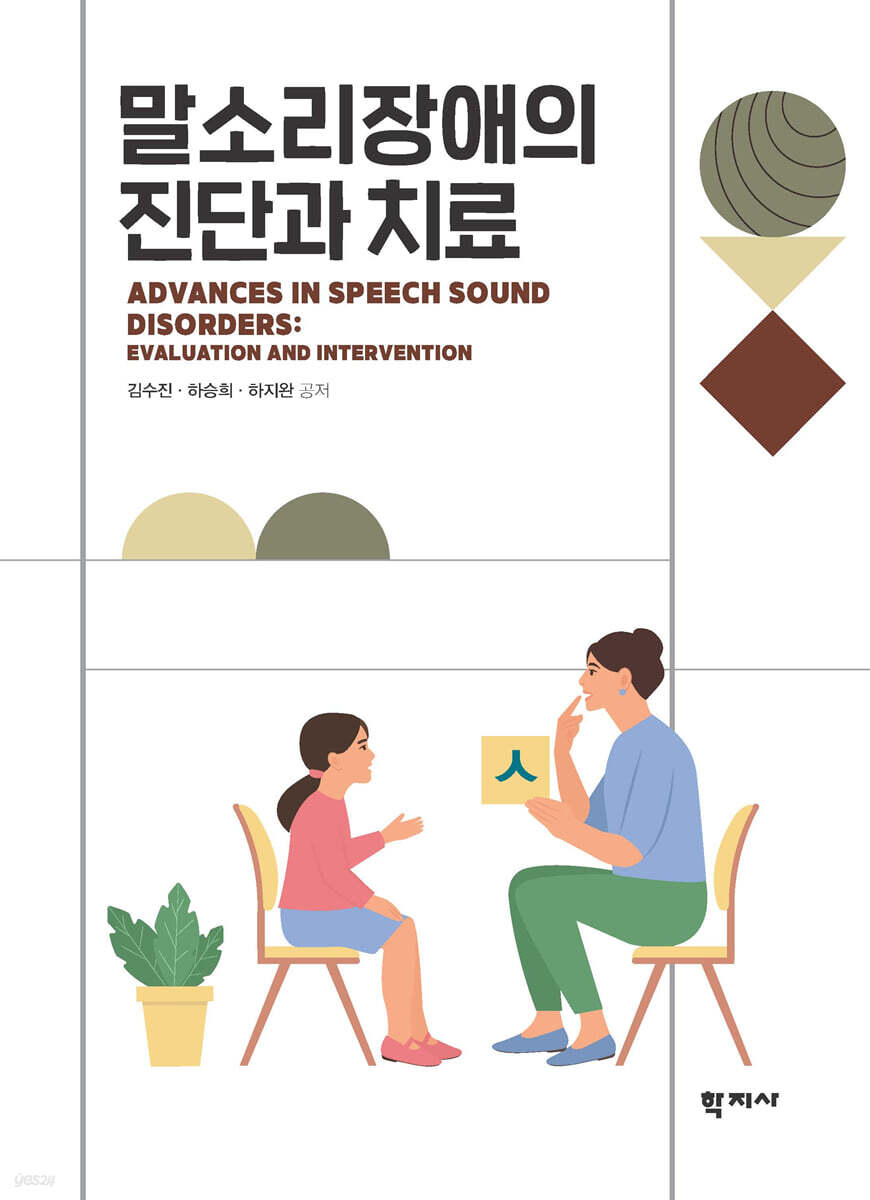
This book is written for speech-language pathologists seeking in-depth knowledge in the field of speech sound disorders and researchers planning new research. It aims to comprehensively cover recent characteristic studies, various diagnostic tools, classic and new treatment approaches, and the latest domestic and international research results, while being based on stable theories and principles.
The content consists of five parts. Part 1 presents the basis for diagnosis and treatment, including the history of terminology for speech sound disorders, definitions, prevalence rates, subtypes, and accompanying problems. Part 2 examines adult speech sound patterns and covers in detail speech sound development research necessary for setting diagnosis and treatment goals, including development from babbling to school age, phonological awareness and processing, and error patterns.
Part 3 analyzes diagnosis and evaluation methods through standardized tests, spontaneous tests, in-depth tests, and evaluation indicators used in domestic studies. Parts 4 and 5 focus on treatment. Part 4 introduces the basic principles and proven methods of treatment, and Part 5 introduces customized treatment strategies according to subtype treatment and accompanying problems.
The author concludes the book by expressing gratitude to his students, colleagues, publishers, and family.
The content consists of five parts. Part 1 presents the basis for diagnosis and treatment, including the history of terminology for speech sound disorders, definitions, prevalence rates, subtypes, and accompanying problems. Part 2 examines adult speech sound patterns and covers in detail speech sound development research necessary for setting diagnosis and treatment goals, including development from babbling to school age, phonological awareness and processing, and error patterns.
Part 3 analyzes diagnosis and evaluation methods through standardized tests, spontaneous tests, in-depth tests, and evaluation indicators used in domestic studies. Parts 4 and 5 focus on treatment. Part 4 introduces the basic principles and proven methods of treatment, and Part 5 introduces customized treatment strategies according to subtype treatment and accompanying problems.
The author concludes the book by expressing gratitude to his students, colleagues, publishers, and family.
index
Part 1: Overview of Speech Disorders
Chapter 1: Overview of Speech Disorders
1.
History and prevalence of speech sound disorders
2.
Classification of speech sound disorders
1) Speech disorders with underlying causes
2) Speech disorder of unknown cause
Chapter 2: Accompanying Issues
1.
intelligence
2.
language
3.
emotional and psychological characteristics
4.
Fluency and Voice
5.
Academics, Literacy, and Executive Function
6.
Risk factors
Part 2: Speech Sound Development
Chapter 3: The Basics of Speech Sounds and the Emergence of Speech Sounds
1.
Basic Korean speech sounds
1) List of speech sounds
2) Combination of speech sounds
2.
The emergence of speech sounds
1) Babbling period: Early vocal development model
2) Frame-content hypothesis
3) The relationship between babbling and words
Chapter 4: Development of Speech Sounds
1.
First 50 words (12–24 months)
2.
Phoneme acquisition period
1) Clarity of speech
2) Phoneme inventory and consonant acquisition period
3) Word-level phonetic indicators
4) Consonant accuracy
5) Variability
3.
Phonemic development: development of consonants
1) Development by consonant
2) Development of error patterns
Chapter 5: Development of Phonological Processing Skills
1.
Phonological processing skills
1) Phonological awareness
2) Phonological memory
3) Phoneme retrieval
2.
Developmental process of phonological processing skills
3.
The relationship between phonological processing skills and speech sound disorders
4.
The relationship between speech sound disorders and reading disorders
Part 3 Diagnosis and Evaluation of Speech Disorders
Chapter 6 Diagnostic Evaluation Using Standardized Testing Tools
1.
Diagnosis of the structure and function of the vocal organs
1) Evaluation of the structure and function of the vocal organs
2) Speech motor skills
3) Relationship between structural abnormalities of the vocal organs and speech disorders
2.
Assessment of speech production ability
1) Korean phonetic pronunciation test 2
2) Pronunciation assessment for children
3) Korean phonetic profile
3.
Analysis of speech sound production ability
1) Diagnostic indicators for speech sound disorders
2) Error type analysis
3) Error pattern analysis
4) Inconsistency Analysis
5) Stimulus response
Chapter 7: Spontaneous Assessment and In-Depth Testing
1.
Spontaneous speech assessment
1) Significance of spontaneous evaluation
2) Procedure and analysis of spontaneous evaluation
2.
In-depth evaluation
1) Performance by language unit
2) Performance according to phonemic context
3) Performance depending on whether there is a word or not
4) Performance according to the induction method
Chapter 8: Assessment of Language Processing Abilities
1.
speech processing model
2.
speech processing profile
3.
Diagnostic assessment using speech processing models and speech processing profiles
1) Basic principles
2) Case
Part 4 Treatment of Speech Disorders
Chapter 9 Treatment Principles for Speech Disorders
1.
Need for treatment
1) Appropriateness of development
2) Types and severity of speech errors
3) Stimulus response
4) Values and needs of children and families
2.
How the treatment works
1) Basic framework of treatment
2) Goal approach strategy
3) Treatment intensity: Designing effective intervention intensity
4) Treatment style: Application according to age and target stage
5) Individual therapy vs.
Group Therapy: Strategic Choices for the Treatment Setting
3.
Setting treatment goals and priorities
1) Stimulus response
2) Context analysis
3) Developmental appropriateness
4) Causes of speech disorders
5) Frequency of speech use and personal and family needs
4.
Determining treatment approaches and application strategies
1) Theoretical framework and application direction of treatment approach
2) Generalization of treatment
5.
End of treatment
1) Maintenance
2) Termination criteria
Chapter 10: Approaches to Speech Movement
1.
Basic Principles: Motor Learning Principles
1) Pre-practice goals
2) Practice principles
3) Feedback principle
2.
Treatment stages
1) Listening training
2) Output training
3.
traditional treatments
4.
How to use context
5.
Motor chain therapy
6.
Modified Feedback Approach
1) Electronic palate
2) Ultrasonic feedback
3) Phonological approach
Chapter 11
1.
A treatment approach using phoneme contrast
1) Basic principles
2) Treatment procedure
2.
High-order phonological approach
1) Basic principles
2) Treatment procedure
3.
Periodic law
1) Basic principles
2) Treatment procedure
3) Communicative approach
Chapter 12
1.
Whole Language Arbitration Act
1) Basic principles
2) Treatment stage
3) Examples of treatment strategies and case management
2.
Natural and accurate retelling mediation method
1) Basic principles
2) Treatment techniques
3.
Enhanced environmental interventions, including phonemic emphasis
1) Basic principles
2) Treatment techniques
Part 5: Interventions by Type of Speech Disorder
Chapter 13 Interventions for Inconsistent Phonological Disorders
1.
Theoretical background
2.
Core vocabulary approach
1) Basic principles
2) Treatment procedure
3) Case study
Chapter 14 Interventions for Childhood Apraxia
1.
Assessment of childhood apraxia of speech
2.
Treatment of childhood apraxia
1) Basic principles
2) Treatment
Chapter 15 Interventions for Children with Cleft Palate (Pharyngeal Dysfunction)
1.
Theoretical background
2.
Basic principles
3.
Treatment goals and principles for each developmental stage
1) Early phonological development period (before 36 months)
2) Late phonological development period (after 36 months)
4.
Core Guidelines for Compensatory Articulation Therapy
5.
Treatments for each type of compensatory articulation
1) Glottal stop
2) Pharyngeal or nasal fricatives
Chapter 16
1.
Integrated Phonological Awareness Intervention Program
1) Basic principles
2) Treatment procedure
2.
Metaphonological Intervention Program
1) Basic principles
2) Treatment procedure
Chapter 17 Teletherapy
References
Search
Chapter 1: Overview of Speech Disorders
1.
History and prevalence of speech sound disorders
2.
Classification of speech sound disorders
1) Speech disorders with underlying causes
2) Speech disorder of unknown cause
Chapter 2: Accompanying Issues
1.
intelligence
2.
language
3.
emotional and psychological characteristics
4.
Fluency and Voice
5.
Academics, Literacy, and Executive Function
6.
Risk factors
Part 2: Speech Sound Development
Chapter 3: The Basics of Speech Sounds and the Emergence of Speech Sounds
1.
Basic Korean speech sounds
1) List of speech sounds
2) Combination of speech sounds
2.
The emergence of speech sounds
1) Babbling period: Early vocal development model
2) Frame-content hypothesis
3) The relationship between babbling and words
Chapter 4: Development of Speech Sounds
1.
First 50 words (12–24 months)
2.
Phoneme acquisition period
1) Clarity of speech
2) Phoneme inventory and consonant acquisition period
3) Word-level phonetic indicators
4) Consonant accuracy
5) Variability
3.
Phonemic development: development of consonants
1) Development by consonant
2) Development of error patterns
Chapter 5: Development of Phonological Processing Skills
1.
Phonological processing skills
1) Phonological awareness
2) Phonological memory
3) Phoneme retrieval
2.
Developmental process of phonological processing skills
3.
The relationship between phonological processing skills and speech sound disorders
4.
The relationship between speech sound disorders and reading disorders
Part 3 Diagnosis and Evaluation of Speech Disorders
Chapter 6 Diagnostic Evaluation Using Standardized Testing Tools
1.
Diagnosis of the structure and function of the vocal organs
1) Evaluation of the structure and function of the vocal organs
2) Speech motor skills
3) Relationship between structural abnormalities of the vocal organs and speech disorders
2.
Assessment of speech production ability
1) Korean phonetic pronunciation test 2
2) Pronunciation assessment for children
3) Korean phonetic profile
3.
Analysis of speech sound production ability
1) Diagnostic indicators for speech sound disorders
2) Error type analysis
3) Error pattern analysis
4) Inconsistency Analysis
5) Stimulus response
Chapter 7: Spontaneous Assessment and In-Depth Testing
1.
Spontaneous speech assessment
1) Significance of spontaneous evaluation
2) Procedure and analysis of spontaneous evaluation
2.
In-depth evaluation
1) Performance by language unit
2) Performance according to phonemic context
3) Performance depending on whether there is a word or not
4) Performance according to the induction method
Chapter 8: Assessment of Language Processing Abilities
1.
speech processing model
2.
speech processing profile
3.
Diagnostic assessment using speech processing models and speech processing profiles
1) Basic principles
2) Case
Part 4 Treatment of Speech Disorders
Chapter 9 Treatment Principles for Speech Disorders
1.
Need for treatment
1) Appropriateness of development
2) Types and severity of speech errors
3) Stimulus response
4) Values and needs of children and families
2.
How the treatment works
1) Basic framework of treatment
2) Goal approach strategy
3) Treatment intensity: Designing effective intervention intensity
4) Treatment style: Application according to age and target stage
5) Individual therapy vs.
Group Therapy: Strategic Choices for the Treatment Setting
3.
Setting treatment goals and priorities
1) Stimulus response
2) Context analysis
3) Developmental appropriateness
4) Causes of speech disorders
5) Frequency of speech use and personal and family needs
4.
Determining treatment approaches and application strategies
1) Theoretical framework and application direction of treatment approach
2) Generalization of treatment
5.
End of treatment
1) Maintenance
2) Termination criteria
Chapter 10: Approaches to Speech Movement
1.
Basic Principles: Motor Learning Principles
1) Pre-practice goals
2) Practice principles
3) Feedback principle
2.
Treatment stages
1) Listening training
2) Output training
3.
traditional treatments
4.
How to use context
5.
Motor chain therapy
6.
Modified Feedback Approach
1) Electronic palate
2) Ultrasonic feedback
3) Phonological approach
Chapter 11
1.
A treatment approach using phoneme contrast
1) Basic principles
2) Treatment procedure
2.
High-order phonological approach
1) Basic principles
2) Treatment procedure
3.
Periodic law
1) Basic principles
2) Treatment procedure
3) Communicative approach
Chapter 12
1.
Whole Language Arbitration Act
1) Basic principles
2) Treatment stage
3) Examples of treatment strategies and case management
2.
Natural and accurate retelling mediation method
1) Basic principles
2) Treatment techniques
3.
Enhanced environmental interventions, including phonemic emphasis
1) Basic principles
2) Treatment techniques
Part 5: Interventions by Type of Speech Disorder
Chapter 13 Interventions for Inconsistent Phonological Disorders
1.
Theoretical background
2.
Core vocabulary approach
1) Basic principles
2) Treatment procedure
3) Case study
Chapter 14 Interventions for Childhood Apraxia
1.
Assessment of childhood apraxia of speech
2.
Treatment of childhood apraxia
1) Basic principles
2) Treatment
Chapter 15 Interventions for Children with Cleft Palate (Pharyngeal Dysfunction)
1.
Theoretical background
2.
Basic principles
3.
Treatment goals and principles for each developmental stage
1) Early phonological development period (before 36 months)
2) Late phonological development period (after 36 months)
4.
Core Guidelines for Compensatory Articulation Therapy
5.
Treatments for each type of compensatory articulation
1) Glottal stop
2) Pharyngeal or nasal fricatives
Chapter 16
1.
Integrated Phonological Awareness Intervention Program
1) Basic principles
2) Treatment procedure
2.
Metaphonological Intervention Program
1) Basic principles
2) Treatment procedure
Chapter 17 Teletherapy
References
Search
GOODS SPECIFICS
- Date of issue: September 20, 2025
- Page count, weight, size: 376 pages | 188*255*16mm
- ISBN13: 9788999735356
- ISBN10: 8999735354
You may also like
카테고리
korean


korean

![GQ KOREA Mark (Monthly): December [2025]](http://librairie.coreenne.fr/cdn/shop/files/8ef265dbbfbf186523ed75ba7319009d.jpg?v=1765340328&width=3840)


