

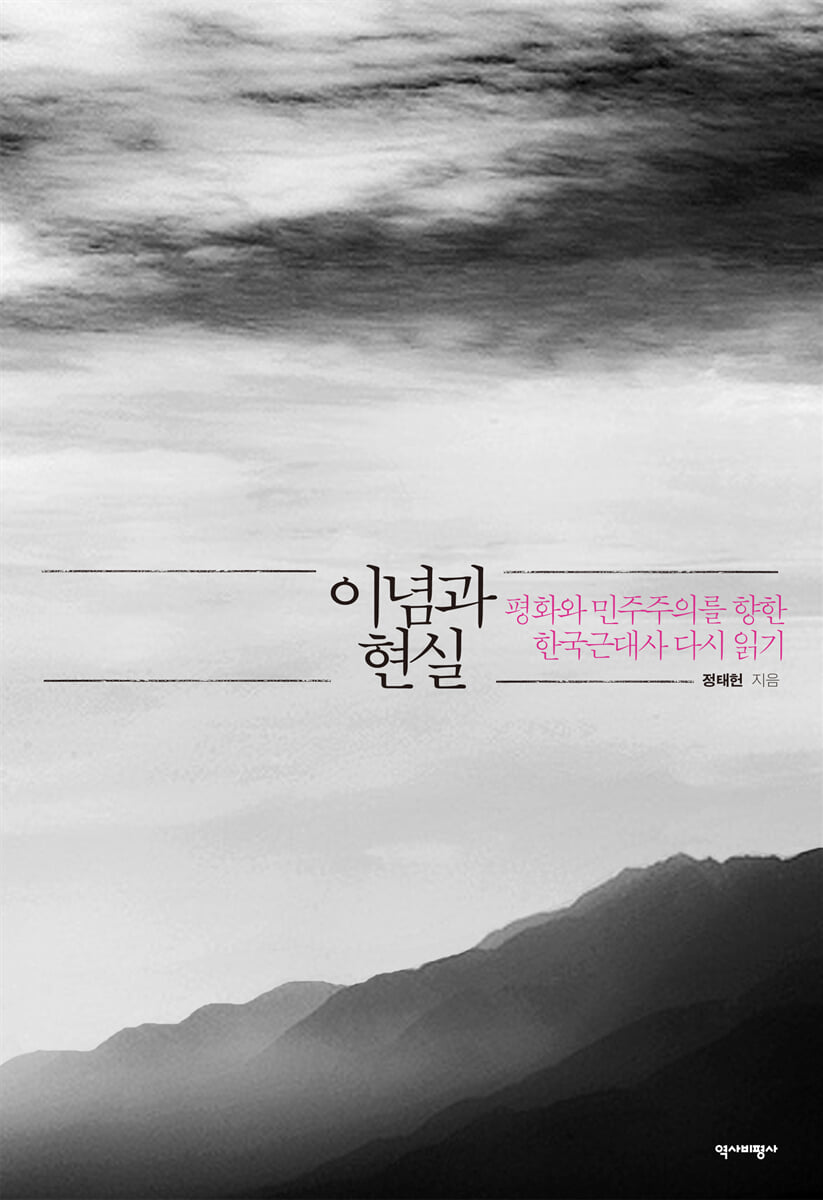
Ideology and Reality
 |
Description
Book Introduction
Reading world history through Korean history, and Korean history through world history.
From the forced opening of the country to liberation, modern Korean history amidst the whirlwind of imperialist world war.
The importance of the process of colliding and harmonizing the perspectives of viewing modern world history, which has progressed globally and has been deeply intertwined with each other, from the perspective of Korean history and the perspective of viewing Korean history within the context of world history cannot be overemphasized.
Until now, modern history has taken for granted the policy of foreign invasion that prioritized national interests and rationalized it in a 'sophisticated' way.
Regarding the imperialism that has accompanied modern world history, neither Japan nor any European country has yet acknowledged the illegality of colonial rule.
The fundamental problem of this book is 'the colonial rule and war of aggression of imperialism, and modern Korea's pursuit of democracy and peace in response.'
This is because a keen awareness of the problem must be a topic that we must continue to pursue while fostering a methodology that will enable sustainable democracy and balanced economic development beyond the era of hostile division that drains the Korean Peninsula's energy.
This could ultimately develop into a methodological clue for pursuing world peace.
From the forced opening of the country to liberation, modern Korean history amidst the whirlwind of imperialist world war.
The importance of the process of colliding and harmonizing the perspectives of viewing modern world history, which has progressed globally and has been deeply intertwined with each other, from the perspective of Korean history and the perspective of viewing Korean history within the context of world history cannot be overemphasized.
Until now, modern history has taken for granted the policy of foreign invasion that prioritized national interests and rationalized it in a 'sophisticated' way.
Regarding the imperialism that has accompanied modern world history, neither Japan nor any European country has yet acknowledged the illegality of colonial rule.
The fundamental problem of this book is 'the colonial rule and war of aggression of imperialism, and modern Korea's pursuit of democracy and peace in response.'
This is because a keen awareness of the problem must be a topic that we must continue to pursue while fostering a methodology that will enable sustainable democracy and balanced economic development beyond the era of hostile division that drains the Korean Peninsula's energy.
This could ultimately develop into a methodological clue for pursuing world peace.
- You can preview some of the book's contents.
Preview
index
Prologue: A World of Invasion and War, Hypocrisy and Betrayal: Modern History and Korea's Struggles
Part 1: The Prewar Modern World and the Korean Nation-State Establishment Movement 21
Chapter 1: Imperialist Invasion and the Formation of the Modern World System 25
1.
The Changing Mode of Colonialism: From Predatory Trade to Industrial Domination 25
2.
Was Imperialist Invasion Justified? The Limits of Western Civil Revolutions 33
Chapter 2: The 19th Century: Contrasting Colonial Independence and Colonial Creation on Each Continent 39
1.
Europe and Latin America: The Butterfly Effect of the French Revolution and Colonial Independence 39
2.
Africa, the Middle East, and East Asia: The Colonial Creation of European Imperialism 45
Chapter 3: The International Politics of Modern Conflicts and Alliances among Korea, China, and Japan (51)
1.
China's Helplessness and the Alignment of Interests between the UK, US, and Japan 51
2.
Japan's foreign invasion under British and American support 57
3.
Joseon's isolationist policy prevented a cool-headed understanding of the international situation. 62
Chapter 4: At the Crossroads of Colonial Capitalism and Independent Capitalism 70
1.
70 Dependence on distribution and production structure due to foreign capital infiltration after the opening of the port
2.
Conflicts and Limitations of Modernization Strategies Among the Government, Radical Reformists, and the Donghak Peasant Army 78
3.
Conflicts over political systems and economic policies 85
4.
The Failure of the Modern State and the New Journey Toward a Republic 105
Part 2: World War I, the Establishment of Colonial Capitalism, and a New Chapter for the National Movement 117
Chapter 1: A War That Mobilized Colonial Citizens and Two Principles of National Self-Determination 120
1.
The Great Powers' War to Grab Others' Land: World War I 120
2.
Lenin's Strategic Principle of National Self-Determination and Wilson's Selective Principle of National Self-Determination 129
3.
Turbulent East Asia: The Xinhai Revolution and Japan's Invasion of China 146
Chapter 2: Colonial Capitalism, Lack of Industrial Linkages, and Financial and Financial Dependency 156
1.
The Japanese Army, the leader of the Korean Peninsula's domination and violent military rule, 156
2.
The Colonial Nature of Fiscal, Monetary, and Tariff Policies 161
3.
Special Banking for Foreign Invasion and Colonial Policy 171
4.
Korean Capital Control and the Establishment of Colonial Landlordism 180
Chapter 3: The March 1st Movement and the Provisional Government's Pursuit of Democracy and World Peace 195
1.
Independence Movement 195: Aiming for World Peace and Equality
2.
The Struggles of Overseas Movements and the Acceptance of Socialism 205
3.
The March 1st Movement, the Unified Provisional Government, and Armed Struggle Overseas 216
4.
The World-Historical and Domestic Significance of the March 1st Movement Led by the "New People" 231
Part 3: Latent Postwar Conflicts, "Cultural" Politics, and Popular National Movements (235)
Chapter 1: The Confrontation of the "Two Worlds" and the Washington System 238
1.
The founding of the League of Nations and the Comintern 238
2.
Washington's Regime Takes a Break from Japan's Invasion of China 247
Chapter 2: Japan's National Divide, Cultural Politics, and Colonial Capitalist "Development" (260)
1.
Advanced Violence: The Domestic and International Background of Cultural Politics 260
2.
Pro-Japanese forces were fostered through local government reforms and tax incentives. 268
3.
279 "Development" of Joseon to Solve Japan's Food Problem and Prepare for Invasion of the Continent
Chapter 3: The Popular "Subjects" Anti-Imperialist National Movement and the Left-Right Coalition Front 294
1.
The "March 1st Movement Generation" emerged as a key figure in the movement.
2.
Nationalist factions: Expectations of a US-Japan rift and the movement to cultivate strength 297
3.
Socialist Lineage: The Founding of the Korean Communist Party and the Mass Movement 304
4.
The National Cooperative Front Movement, Aiming for Unity Amidst Conflict: "Separate Yet Together" 322
Part 4: World War II, the Collapse of Colonial Capitalism, and the Convergence of Left and Right Politics (335)
Chapter 1: The Inter-Imperialist Alliance and the Allied Agreement on Korean Independence 340
1.
National Bloc Economies and the Rise of Fascism After the Great Depression 340
2.
The Comintern's "Class-versus-Class" Tactics and "Social Fascism" 346
3.
The Collaboration of Imperialist Nations and the Failure of Internationalism 351
4.
Behind the Allied Agreement on Korean Independence: 360
Chapter 2: The Collapse of Colonial Capitalism and the Total Mobilization System (374)
1.
The Reality of Joseon's Industrialization and Logistics Base Policy 374
2.
The Consequences of Colonial Rule: Predatory Mobilization of Funds and Materials and Forced Labor 391
Chapter 3: Competition and Integration of Left and Right Nationalist Movement Forces 404
1.
The Socialist Forces' "Leftward Deviation" and the Struggle to Resolve Current Issues 404
2.
Nationalist Forces' Perception of the Situation and Division 416
3.
Attempts at a United Front of Domestic and International Left and Right Movements 424
Chapter 4: A Peace-Oriented Democratic Nation Agreed on by Left and Right Nationalist Movements 435
1.
Trends and Solidarity Seeking among Domestic and International Nationalist Movements Just Before Liberation 435
2.
The Concept and Background of an Independent National Economic System Embracing Left and Right Ideologies 451
Epilogue: Some Challenges for a Peaceful 21st Century 462
Part 1: The Prewar Modern World and the Korean Nation-State Establishment Movement 21
Chapter 1: Imperialist Invasion and the Formation of the Modern World System 25
1.
The Changing Mode of Colonialism: From Predatory Trade to Industrial Domination 25
2.
Was Imperialist Invasion Justified? The Limits of Western Civil Revolutions 33
Chapter 2: The 19th Century: Contrasting Colonial Independence and Colonial Creation on Each Continent 39
1.
Europe and Latin America: The Butterfly Effect of the French Revolution and Colonial Independence 39
2.
Africa, the Middle East, and East Asia: The Colonial Creation of European Imperialism 45
Chapter 3: The International Politics of Modern Conflicts and Alliances among Korea, China, and Japan (51)
1.
China's Helplessness and the Alignment of Interests between the UK, US, and Japan 51
2.
Japan's foreign invasion under British and American support 57
3.
Joseon's isolationist policy prevented a cool-headed understanding of the international situation. 62
Chapter 4: At the Crossroads of Colonial Capitalism and Independent Capitalism 70
1.
70 Dependence on distribution and production structure due to foreign capital infiltration after the opening of the port
2.
Conflicts and Limitations of Modernization Strategies Among the Government, Radical Reformists, and the Donghak Peasant Army 78
3.
Conflicts over political systems and economic policies 85
4.
The Failure of the Modern State and the New Journey Toward a Republic 105
Part 2: World War I, the Establishment of Colonial Capitalism, and a New Chapter for the National Movement 117
Chapter 1: A War That Mobilized Colonial Citizens and Two Principles of National Self-Determination 120
1.
The Great Powers' War to Grab Others' Land: World War I 120
2.
Lenin's Strategic Principle of National Self-Determination and Wilson's Selective Principle of National Self-Determination 129
3.
Turbulent East Asia: The Xinhai Revolution and Japan's Invasion of China 146
Chapter 2: Colonial Capitalism, Lack of Industrial Linkages, and Financial and Financial Dependency 156
1.
The Japanese Army, the leader of the Korean Peninsula's domination and violent military rule, 156
2.
The Colonial Nature of Fiscal, Monetary, and Tariff Policies 161
3.
Special Banking for Foreign Invasion and Colonial Policy 171
4.
Korean Capital Control and the Establishment of Colonial Landlordism 180
Chapter 3: The March 1st Movement and the Provisional Government's Pursuit of Democracy and World Peace 195
1.
Independence Movement 195: Aiming for World Peace and Equality
2.
The Struggles of Overseas Movements and the Acceptance of Socialism 205
3.
The March 1st Movement, the Unified Provisional Government, and Armed Struggle Overseas 216
4.
The World-Historical and Domestic Significance of the March 1st Movement Led by the "New People" 231
Part 3: Latent Postwar Conflicts, "Cultural" Politics, and Popular National Movements (235)
Chapter 1: The Confrontation of the "Two Worlds" and the Washington System 238
1.
The founding of the League of Nations and the Comintern 238
2.
Washington's Regime Takes a Break from Japan's Invasion of China 247
Chapter 2: Japan's National Divide, Cultural Politics, and Colonial Capitalist "Development" (260)
1.
Advanced Violence: The Domestic and International Background of Cultural Politics 260
2.
Pro-Japanese forces were fostered through local government reforms and tax incentives. 268
3.
279 "Development" of Joseon to Solve Japan's Food Problem and Prepare for Invasion of the Continent
Chapter 3: The Popular "Subjects" Anti-Imperialist National Movement and the Left-Right Coalition Front 294
1.
The "March 1st Movement Generation" emerged as a key figure in the movement.
2.
Nationalist factions: Expectations of a US-Japan rift and the movement to cultivate strength 297
3.
Socialist Lineage: The Founding of the Korean Communist Party and the Mass Movement 304
4.
The National Cooperative Front Movement, Aiming for Unity Amidst Conflict: "Separate Yet Together" 322
Part 4: World War II, the Collapse of Colonial Capitalism, and the Convergence of Left and Right Politics (335)
Chapter 1: The Inter-Imperialist Alliance and the Allied Agreement on Korean Independence 340
1.
National Bloc Economies and the Rise of Fascism After the Great Depression 340
2.
The Comintern's "Class-versus-Class" Tactics and "Social Fascism" 346
3.
The Collaboration of Imperialist Nations and the Failure of Internationalism 351
4.
Behind the Allied Agreement on Korean Independence: 360
Chapter 2: The Collapse of Colonial Capitalism and the Total Mobilization System (374)
1.
The Reality of Joseon's Industrialization and Logistics Base Policy 374
2.
The Consequences of Colonial Rule: Predatory Mobilization of Funds and Materials and Forced Labor 391
Chapter 3: Competition and Integration of Left and Right Nationalist Movement Forces 404
1.
The Socialist Forces' "Leftward Deviation" and the Struggle to Resolve Current Issues 404
2.
Nationalist Forces' Perception of the Situation and Division 416
3.
Attempts at a United Front of Domestic and International Left and Right Movements 424
Chapter 4: A Peace-Oriented Democratic Nation Agreed on by Left and Right Nationalist Movements 435
1.
Trends and Solidarity Seeking among Domestic and International Nationalist Movements Just Before Liberation 435
2.
The Concept and Background of an Independent National Economic System Embracing Left and Right Ideologies 451
Epilogue: Some Challenges for a Peaceful 21st Century 462
Publisher's Review
The modern ideals of "freedom" and "equality" were a mask for imperialist greed.
The True Face of "Modernity" in Non-European Societies
The Declaration of Liberty and Equality, a modern ideology that replaced the pre-modern caste system, was a great advancement that became the standard for dividing world history into eras.
Of course, when the French Revolution emphasized “natural rights and equality before the law,” the subjects of freedom and equality were limited to taxpayers who owned property.
Eric Hobsbawm called the period from the late 18th century to the 19th century the era of dual revolutions (the civil revolution and the industrial revolution), but of course this was limited to European history.
Since the Age of Exploration, when Europeans opened the door to genocide against non-European societies, world history, especially in the 20th century, has been marked by countless genocides, including two world wars and the Holocaust.
In other words, the ‘freedom’ and ‘equality’ declared by Western modernity were by no means universal concepts of humanity.
On the contrary, it functioned as the twin of imperialism, especially in non-European societies.
Since the Treaty of Westphalia, 'international law' has only been applicable between European powers.
The European powers divided up the lands inhabited by other people by 'freely and equally agreeing' and defining them as 'terra nullius' under their own 'international law'.
They also did not hesitate to wage war to take away that colony.
The non-European world became colonies of European powers.
The era of freedom and equality was also an era of invasion and war, hypocrisy and betrayal.
Imperialist international politics: a blatant conspiracy of greed
─The game of "land grabbing" and "sharing" that spanned World War I, II, and the interwar period.
France demanded 150 million gold francs in exchange for recognizing Haitian independence in 1825.
Haiti was left struggling with that 'debt' until the mid-20th century.
Britain invaded China to force the 'free' sale of opium.
Following Britain, France also began invading Southeast Asia.
In Africa and the Middle East, European imperialism also created new colonies as it began to occupy and divide up the 'terra nullius'.
The Berlin conference was a settlement for Europe to divide Africa 'equally'.
The forced annexation of Korea by Japan, which was the last to catch the train at the end of the imperialist era, was the product of the alliance of imperialist powers, with the support of Britain and the United States and the assistance of Russia and France.
Britain 'recognized' Japan's invasion of Korea under the pretext of defending Russia.
The United States agreed with Japan to divide the Philippines and Korea between them.
However, 38 years later, the US-led Cairo Declaration promised to "make Korea independent at an appropriate time, mindful of the enslavement of the Korean people" from the rule of Japan, which had in the meantime become an enemy.
Imperialist international politics was so blatant and yet so meaningless.
In a colony without a 'state', there is only exploitation.
─Colonial capitalism and the greed of imperialist powers
Did the European Industrial Revolution or capitalism thrive on a free market economy or democracy? Absolutely not.
Europe's capitalist economy began with state-sanctioned piracy and plunder.
The rapid growth of the Western economy was a product of colonial rule perpetrated by modern nation-states, which violently monopolized the world market during the 'Age of Exploration.'
The British Industrial Revolution was not only achieved through technological innovation by the British, but also through the violent destruction of the cotton textile industry in colonial India.
From the Age of Exploration to today, there has never been a time when a capitalist economy was run solely by the power of corporations and capital under a free market economy, without the protection and support of the state.
The concepts that often characterize Western modernity are democracy, the modern sovereign state, and capitalism.
However, these three concepts do not apply in a colony that has lost its state.
In colonies without a state to support their own entrepreneurs, a colonial capitalist economic system run by imperialist governments and capital became entrenched.
Even the victorious nations of World War II, including Britain, continued to enjoy the sweetness of colonial rule even after the war.
France, which should have been focusing on post-war reconstruction, returned to its former colony, Vietnam, eventually triggering the long Vietnam War.
Indonesia was finally able to gain independence after a four-year war of independence against the returning Dutch.
Britain ruled for another 18 years after the war until Malaysia gained independence.
Beyond the fictitious declaration of 'freedom and equality', beyond the barbaric 'modernity'
─Korean national movement aimed at world peace and democracy
Although 'freedom' and 'equality' are merely fictitious 'declarations' limited by the hierarchy of individuals and nations, it is clear that they are values and tasks that must be universally realized for all of humanity.
Korea's modern era was also a process of pursuing the "unity between declaration and reality" of freedom and equality through the expansion of democracy amidst the turbulent world history of invasion, war, hypocrisy, and betrayal.
After being incorporated into the modern world system, efforts to establish a republican nation-state failed due to imperialist international politics and were forcibly annexed.
Since then, the essence of the national movement has been the pursuit of peace and democracy.
As independence was understood as a process that went beyond a national issue and led to world peace, a mature awareness developed that embraced even the people of the aggressor Japan as victims of militarism.
In this process, the 'new people' emerged as the main body through the March 1st Movement, and the identity of the Provisional Government, the highest leadership organization of the independence movement, was established as a republic.
The reason why activists from two different worlds continued to maintain solidarity and cooperation after World War I was because they agreed that the realization of peace and democracy was the ultimate goal of the independence movement.
This can also be seen in the fact that, just before liberation, domestic and international nationalist movements agreed on the idea of a peaceful, democratic nation.
A "Singularity" in World History Seen Through the Eyes of a Korean History Researcher
─Rereading from the Perspectives of Colonial and Oppressed Peoples
As a researcher of Korean history, I have organized world history with a critical mind, so although it may not be a new perspective, there may be some parts that foreign history researchers will tilt their heads at.
For example, when organizing 19th-century world history, it was strongly revealed that the unintended aftermath of the French Revolution led to the contrasting results of independence for colonies (vassal states) in Europe and Central and South America, and the creation of new colonies by European imperialism in Southeast Asia, including China, and the Middle East and Africa.
This is because this trend continued throughout 20th century world history, including Korea, which was forcibly annexed by Japan at the end of the imperialist era.
He also rejected the inertia of some who viewed World War II as a battle between fascism and democracy.
This is because it is a concept that completely excludes the issue of imperialism and colonialism.
Moreover, there is no fundamental difference between the massacres committed by the victorious European powers in their colonies, who continued to enjoy the sweetness of colonial rule even after the war, and the war crimes committed by the defeated countries.
The True Face of "Modernity" in Non-European Societies
The Declaration of Liberty and Equality, a modern ideology that replaced the pre-modern caste system, was a great advancement that became the standard for dividing world history into eras.
Of course, when the French Revolution emphasized “natural rights and equality before the law,” the subjects of freedom and equality were limited to taxpayers who owned property.
Eric Hobsbawm called the period from the late 18th century to the 19th century the era of dual revolutions (the civil revolution and the industrial revolution), but of course this was limited to European history.
Since the Age of Exploration, when Europeans opened the door to genocide against non-European societies, world history, especially in the 20th century, has been marked by countless genocides, including two world wars and the Holocaust.
In other words, the ‘freedom’ and ‘equality’ declared by Western modernity were by no means universal concepts of humanity.
On the contrary, it functioned as the twin of imperialism, especially in non-European societies.
Since the Treaty of Westphalia, 'international law' has only been applicable between European powers.
The European powers divided up the lands inhabited by other people by 'freely and equally agreeing' and defining them as 'terra nullius' under their own 'international law'.
They also did not hesitate to wage war to take away that colony.
The non-European world became colonies of European powers.
The era of freedom and equality was also an era of invasion and war, hypocrisy and betrayal.
Imperialist international politics: a blatant conspiracy of greed
─The game of "land grabbing" and "sharing" that spanned World War I, II, and the interwar period.
France demanded 150 million gold francs in exchange for recognizing Haitian independence in 1825.
Haiti was left struggling with that 'debt' until the mid-20th century.
Britain invaded China to force the 'free' sale of opium.
Following Britain, France also began invading Southeast Asia.
In Africa and the Middle East, European imperialism also created new colonies as it began to occupy and divide up the 'terra nullius'.
The Berlin conference was a settlement for Europe to divide Africa 'equally'.
The forced annexation of Korea by Japan, which was the last to catch the train at the end of the imperialist era, was the product of the alliance of imperialist powers, with the support of Britain and the United States and the assistance of Russia and France.
Britain 'recognized' Japan's invasion of Korea under the pretext of defending Russia.
The United States agreed with Japan to divide the Philippines and Korea between them.
However, 38 years later, the US-led Cairo Declaration promised to "make Korea independent at an appropriate time, mindful of the enslavement of the Korean people" from the rule of Japan, which had in the meantime become an enemy.
Imperialist international politics was so blatant and yet so meaningless.
In a colony without a 'state', there is only exploitation.
─Colonial capitalism and the greed of imperialist powers
Did the European Industrial Revolution or capitalism thrive on a free market economy or democracy? Absolutely not.
Europe's capitalist economy began with state-sanctioned piracy and plunder.
The rapid growth of the Western economy was a product of colonial rule perpetrated by modern nation-states, which violently monopolized the world market during the 'Age of Exploration.'
The British Industrial Revolution was not only achieved through technological innovation by the British, but also through the violent destruction of the cotton textile industry in colonial India.
From the Age of Exploration to today, there has never been a time when a capitalist economy was run solely by the power of corporations and capital under a free market economy, without the protection and support of the state.
The concepts that often characterize Western modernity are democracy, the modern sovereign state, and capitalism.
However, these three concepts do not apply in a colony that has lost its state.
In colonies without a state to support their own entrepreneurs, a colonial capitalist economic system run by imperialist governments and capital became entrenched.
Even the victorious nations of World War II, including Britain, continued to enjoy the sweetness of colonial rule even after the war.
France, which should have been focusing on post-war reconstruction, returned to its former colony, Vietnam, eventually triggering the long Vietnam War.
Indonesia was finally able to gain independence after a four-year war of independence against the returning Dutch.
Britain ruled for another 18 years after the war until Malaysia gained independence.
Beyond the fictitious declaration of 'freedom and equality', beyond the barbaric 'modernity'
─Korean national movement aimed at world peace and democracy
Although 'freedom' and 'equality' are merely fictitious 'declarations' limited by the hierarchy of individuals and nations, it is clear that they are values and tasks that must be universally realized for all of humanity.
Korea's modern era was also a process of pursuing the "unity between declaration and reality" of freedom and equality through the expansion of democracy amidst the turbulent world history of invasion, war, hypocrisy, and betrayal.
After being incorporated into the modern world system, efforts to establish a republican nation-state failed due to imperialist international politics and were forcibly annexed.
Since then, the essence of the national movement has been the pursuit of peace and democracy.
As independence was understood as a process that went beyond a national issue and led to world peace, a mature awareness developed that embraced even the people of the aggressor Japan as victims of militarism.
In this process, the 'new people' emerged as the main body through the March 1st Movement, and the identity of the Provisional Government, the highest leadership organization of the independence movement, was established as a republic.
The reason why activists from two different worlds continued to maintain solidarity and cooperation after World War I was because they agreed that the realization of peace and democracy was the ultimate goal of the independence movement.
This can also be seen in the fact that, just before liberation, domestic and international nationalist movements agreed on the idea of a peaceful, democratic nation.
A "Singularity" in World History Seen Through the Eyes of a Korean History Researcher
─Rereading from the Perspectives of Colonial and Oppressed Peoples
As a researcher of Korean history, I have organized world history with a critical mind, so although it may not be a new perspective, there may be some parts that foreign history researchers will tilt their heads at.
For example, when organizing 19th-century world history, it was strongly revealed that the unintended aftermath of the French Revolution led to the contrasting results of independence for colonies (vassal states) in Europe and Central and South America, and the creation of new colonies by European imperialism in Southeast Asia, including China, and the Middle East and Africa.
This is because this trend continued throughout 20th century world history, including Korea, which was forcibly annexed by Japan at the end of the imperialist era.
He also rejected the inertia of some who viewed World War II as a battle between fascism and democracy.
This is because it is a concept that completely excludes the issue of imperialism and colonialism.
Moreover, there is no fundamental difference between the massacres committed by the victorious European powers in their colonies, who continued to enjoy the sweetness of colonial rule even after the war, and the war crimes committed by the defeated countries.
GOODS SPECIFICS
- Date of issue: February 20, 2024
- Page count, weight, size: 528 pages | 614g | 152*224*22mm
- ISBN13: 9788976965868
You may also like
카테고리
korean


korean

![GQ KOREA Mark (Monthly): December [2025]](http://librairie.coreenne.fr/cdn/shop/files/8ef265dbbfbf186523ed75ba7319009d.jpg?v=1765340328&width=3840)


