

GRAMMAR ZONE Secondary Essentials
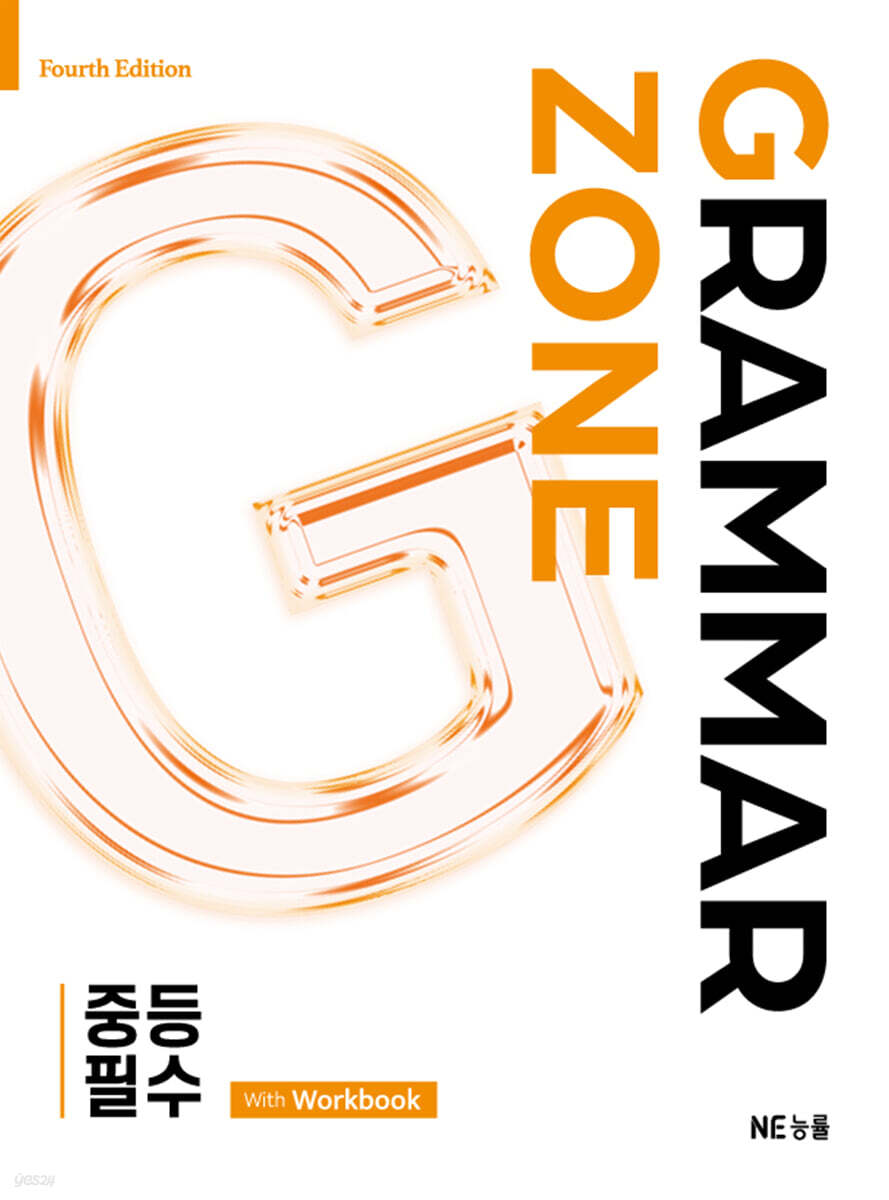 |
Description
Book Introduction
From beginners to adult learners learning grammar!
· Systematic structure that maximizes learning efficiency by carefully selecting key grammar points
· Complete understanding through clear and detailed grammar explanations and practical examples
· Complete practical grammar application skills through step-by-step problem types and reading comprehension-linked learning.
· Systematic structure that maximizes learning efficiency by carefully selecting key grammar points
· Complete understanding through clear and detailed grammar explanations and practical examples
· Complete practical grammar application skills through step-by-step problem types and reading comprehension-linked learning.
- You can preview some of the book's contents.
Preview
index
Chapter 01 Basics of Sentences
UNIT 01 Parts of speech, phrases and clauses
UNIT 02 Sentence Components
UNIT 03 Sentence Format I (Formats 1, 3, 4)
UNIT 04 Sentence Format II (Types 2 and 5)
UNIT 05 Various Sentences Ⅰ (Be Verbs and Regular Verbs)
UNIT 06 Various Sentences II (Interrogative Sentences with Question Words, Imperative Sentences, and Exclamation Sentences)
REVIEW TEST 01
Chapter 02 Various Parts of Speech
UNIT 07 Nouns
UNIT 08 Articles
UNIT 09 Concept of pronouns, demonstrative pronouns, reflexive pronouns
UNIT 10 Various uses of it, one, another, other
UNIT 11 Other Pronouns (some/any, all/each/none, both/neither/either)
UNIT 12 ADJECTIVES
UNIT 13 ADVERBS
UNIT 14 Comparison I (Form, Comparative)
UNIT 15 Comparison II (Primary and Superlative)
UNIT 16 Prepositions of Place
UNIT 17 Prepositions of time, other prepositions
REVIEW TEST 02
Chapter 03 Tense? Auxiliary Verbs? Passive Voice
UNIT 18 Concept of tense, present tense, past tense
UNIT 19 Future Tense
UNIT 20 Progressive
UNIT 21 Present Perfect
UNIT 22 Present Perfect Progressive, Past Perfect
UNIT 23 Concept of auxiliary verbs, auxiliary verbs of ability, guess, and possibility
UNIT 24 Auxiliary Verbs of Permission, Request, Obligation, and Advice
UNIT 25 Auxiliary Verbs of Habits and States, Auxiliary Verb + have v-ed
UNIT 26 Concept and Form of Passive Voice
UNIT 27 Passive Voice to Watch Out For
REVIEW TEST 03
Chapter 04 Infinitive? Gerund? Participle
UNIT 28 Basics of to-infinitives, to-infinitives used as nouns
UNIT 29 To-infinitive used as adjective or adverb
UNIT 30: Subject of the infinitive, frequently used expressions
UNIT 31 Infinitives used as objective complements
UNIT 32 Basics of Gerunds
UNIT 33 Gerunds vs.
to-infinitive
UNIT 34 Frequently Used Gerund Phrases
UNIT 35 The Concept and Role of Participles
UNIT 36 Present Participle vs.
past participle
UNIT 37 Participle Phrases
REVIEW TEST 04
Chapter 05 Conjunctions? Relatives
UNIT 38 Basic Concepts of Conjunctions, Coordinating Conjunctions (and, but, or, so)
UNIT 39 Subordinating Conjunctions (that, whether, if), Indirect Questions
UNIT 40 Subordinating Conjunctions Leading Adverbial Clauses
UNIT 41 The Role of Relative Pronouns, Nominative Relative Pronouns
UNIT 42 Objective and Possessive Relative Pronouns, what
UNIT 43 Relative Adverbs
UNIT 44 Continuous Use of Relatives
REVIEW TEST 05
Chapter 06 Conditional Mood? Agreement
UNIT 45 Past Subjunctive, Past Perfect Subjunctive
UNIT 46 Match
REVIEW TEST 06
General Test 01~02
APPENDIX
UNIT 01 Parts of speech, phrases and clauses
UNIT 02 Sentence Components
UNIT 03 Sentence Format I (Formats 1, 3, 4)
UNIT 04 Sentence Format II (Types 2 and 5)
UNIT 05 Various Sentences Ⅰ (Be Verbs and Regular Verbs)
UNIT 06 Various Sentences II (Interrogative Sentences with Question Words, Imperative Sentences, and Exclamation Sentences)
REVIEW TEST 01
Chapter 02 Various Parts of Speech
UNIT 07 Nouns
UNIT 08 Articles
UNIT 09 Concept of pronouns, demonstrative pronouns, reflexive pronouns
UNIT 10 Various uses of it, one, another, other
UNIT 11 Other Pronouns (some/any, all/each/none, both/neither/either)
UNIT 12 ADJECTIVES
UNIT 13 ADVERBS
UNIT 14 Comparison I (Form, Comparative)
UNIT 15 Comparison II (Primary and Superlative)
UNIT 16 Prepositions of Place
UNIT 17 Prepositions of time, other prepositions
REVIEW TEST 02
Chapter 03 Tense? Auxiliary Verbs? Passive Voice
UNIT 18 Concept of tense, present tense, past tense
UNIT 19 Future Tense
UNIT 20 Progressive
UNIT 21 Present Perfect
UNIT 22 Present Perfect Progressive, Past Perfect
UNIT 23 Concept of auxiliary verbs, auxiliary verbs of ability, guess, and possibility
UNIT 24 Auxiliary Verbs of Permission, Request, Obligation, and Advice
UNIT 25 Auxiliary Verbs of Habits and States, Auxiliary Verb + have v-ed
UNIT 26 Concept and Form of Passive Voice
UNIT 27 Passive Voice to Watch Out For
REVIEW TEST 03
Chapter 04 Infinitive? Gerund? Participle
UNIT 28 Basics of to-infinitives, to-infinitives used as nouns
UNIT 29 To-infinitive used as adjective or adverb
UNIT 30: Subject of the infinitive, frequently used expressions
UNIT 31 Infinitives used as objective complements
UNIT 32 Basics of Gerunds
UNIT 33 Gerunds vs.
to-infinitive
UNIT 34 Frequently Used Gerund Phrases
UNIT 35 The Concept and Role of Participles
UNIT 36 Present Participle vs.
past participle
UNIT 37 Participle Phrases
REVIEW TEST 04
Chapter 05 Conjunctions? Relatives
UNIT 38 Basic Concepts of Conjunctions, Coordinating Conjunctions (and, but, or, so)
UNIT 39 Subordinating Conjunctions (that, whether, if), Indirect Questions
UNIT 40 Subordinating Conjunctions Leading Adverbial Clauses
UNIT 41 The Role of Relative Pronouns, Nominative Relative Pronouns
UNIT 42 Objective and Possessive Relative Pronouns, what
UNIT 43 Relative Adverbs
UNIT 44 Continuous Use of Relatives
REVIEW TEST 05
Chapter 06 Conditional Mood? Agreement
UNIT 45 Past Subjunctive, Past Perfect Subjunctive
UNIT 46 Match
REVIEW TEST 06
General Test 01~02
APPENDIX
Detailed image

Publisher's Review
How to Study 『Grammar Zone』
1.
Think about the examples + read and understand the explanations
Why are examples presented before grammar explanations? Contextual examples help learners discover grammar rules on their own, leading to better understanding and retention.
When grammar explanations are presented first, learners tend to passively try to memorize grammar rules.
In other words, you can maximize the learning effect of 『Grammar Zone』 by looking at an example sentence, thinking about what rule it contains, and then reading the explanation next to it.
When reviewing, you can read the explanation first, or you can read the explanation once more to organize the concepts.
2.
Practice by solving practice problems + internalize by checking with text
Now that you understand the grammar concepts, it's time to put them into practice. Start by solving simple problems in the EXERCISE section, one by one.
For incorrect answers, it's important to go back to the text and review the relevant grammar rules. The REVIEW TEST allows you to comprehensively review what you've learned through a variety of question types.
Especially when solving passage-type problems, rather than simply finding the correct answer, observe and interpret how the grammar you have learned is used in actual reading passages.
This will help you improve your grammar knowledge and reading comprehension skills at the same time.
3.
Building with Workbook
Once you've mastered the grammar concepts and fundamentals in this book, use the workbook to practice repeatedly and automatically recognize grammar.
The key is to broaden the scope of grammar application by encountering sentences in different contexts than those in the main book.
Review your fundamentals with concept verification questions, and develop a sense of real-world experience with application problems and descriptive questions.
If you have any areas that you are particularly lacking in, you can systematically supplement them by reviewing the contents of the relevant chapter in the book and focusing on solving the workbook problems.
2) Special features
1. Table of contents centered on key content that middle school students must know
2 Practical examples that illustrate grammar points well
Descriptive preparation through 3-stage problem types and various writing problems
4. Reading comprehension-linked learning with interesting texts that incorporate the grammar learned
5. Chapter-by-chapter cumulative tests and textbook comprehensive tests reflecting the types of questions in previous internal exams.
Includes workbook with 6 additional problems
1.
Think about the examples + read and understand the explanations
Why are examples presented before grammar explanations? Contextual examples help learners discover grammar rules on their own, leading to better understanding and retention.
When grammar explanations are presented first, learners tend to passively try to memorize grammar rules.
In other words, you can maximize the learning effect of 『Grammar Zone』 by looking at an example sentence, thinking about what rule it contains, and then reading the explanation next to it.
When reviewing, you can read the explanation first, or you can read the explanation once more to organize the concepts.
2.
Practice by solving practice problems + internalize by checking with text
Now that you understand the grammar concepts, it's time to put them into practice. Start by solving simple problems in the EXERCISE section, one by one.
For incorrect answers, it's important to go back to the text and review the relevant grammar rules. The REVIEW TEST allows you to comprehensively review what you've learned through a variety of question types.
Especially when solving passage-type problems, rather than simply finding the correct answer, observe and interpret how the grammar you have learned is used in actual reading passages.
This will help you improve your grammar knowledge and reading comprehension skills at the same time.
3.
Building with Workbook
Once you've mastered the grammar concepts and fundamentals in this book, use the workbook to practice repeatedly and automatically recognize grammar.
The key is to broaden the scope of grammar application by encountering sentences in different contexts than those in the main book.
Review your fundamentals with concept verification questions, and develop a sense of real-world experience with application problems and descriptive questions.
If you have any areas that you are particularly lacking in, you can systematically supplement them by reviewing the contents of the relevant chapter in the book and focusing on solving the workbook problems.
2) Special features
1. Table of contents centered on key content that middle school students must know
2 Practical examples that illustrate grammar points well
Descriptive preparation through 3-stage problem types and various writing problems
4. Reading comprehension-linked learning with interesting texts that incorporate the grammar learned
5. Chapter-by-chapter cumulative tests and textbook comprehensive tests reflecting the types of questions in previous internal exams.
Includes workbook with 6 additional problems
GOODS SPECIFICS
- Date of issue: October 5, 2025
- Page count, weight, size: 472 pages | 1,136g | 215*290*30mm
- ISBN13: 9791125350682
- ISBN10: 1125350687
- Reference book for grade level: 2nd year of middle school
- Reference book usage semester: Common semester
- Reference book difficulty: Medium Reference book difficulty guide
You may also like
카테고리
korean


korean

![GQ KOREA Mark (Monthly): December [2025]](http://librairie.coreenne.fr/cdn/shop/files/8ef265dbbfbf186523ed75ba7319009d.jpg?v=1765340328&width=3840)


