![[Yesuricover] Understanding Emotions](http://librairie.coreenne.fr/cdn/shop/files/69b7004faf03d9393905f45cfa14acbf.jpg?v=1765438944&width=3840)

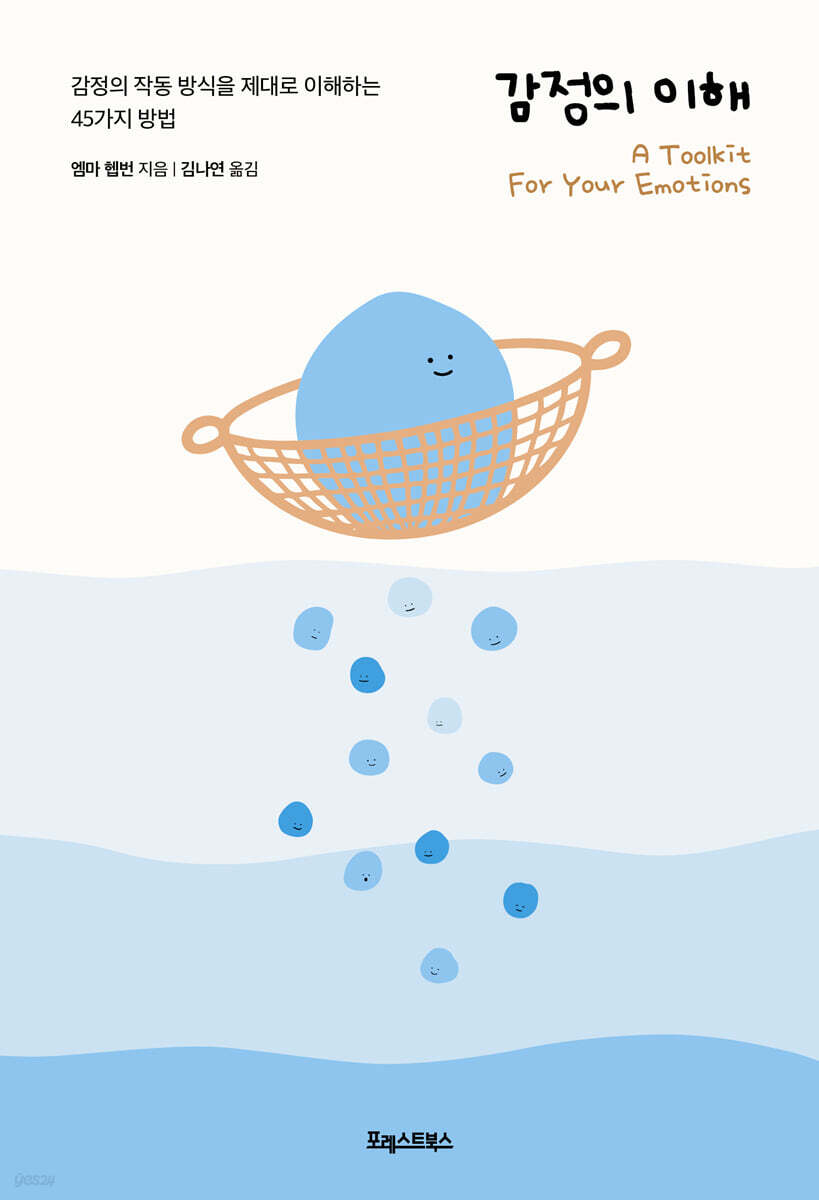
[Yesuricover] Understanding Emotions
 |
Description
Book Introduction
“If you want to manage your mood
“First, you have to be able to control your emotions.”
45 Ways to Understand How Emotions Work
The feeling of perfect accomplishment when a job is properly finished, the anticipation and excitement the night before for the trip tomorrow, the refreshing feeling of having a beer before bed, the regret when a favorite drama ends, the anxiety that comes with a sudden call from the team leader, the discomfort when receiving excessive consideration…
We live each day feeling countless emotions, just like riding a roller coaster.
Why do emotions fluctuate so wildly every day? How can we manage them? "Understanding Emotions" offers answers to these questions, which everyone has likely pondered at least once.
The author of this book, Dr. Emma Hepburn, is a psychologist who has received much attention in the UK for her unique illustrations that help explain mental issues.
The author's unique illustrations, based on the latest psychological and neuroscience theories, serve as tools for exploring the mind, clearly explaining the workings of emotions—a subject that becomes increasingly difficult to understand the more you delve into it—and offering various ways to manage them.
From pleasant emotions like joy, compassion, gratitude, and pride to uncomfortable emotions like sadness, frustration, shame, and anxiety.
Every emotion in our hearts has its own way of being used.
"Understanding Emotions" will teach you how to cultivate a variety of emotions that will help you navigate life, how to better cope with uncomfortable emotions and quickly escape the emotional swamp you might fall into, and how to sustain pleasant emotions for a long time.
“First, you have to be able to control your emotions.”
45 Ways to Understand How Emotions Work
The feeling of perfect accomplishment when a job is properly finished, the anticipation and excitement the night before for the trip tomorrow, the refreshing feeling of having a beer before bed, the regret when a favorite drama ends, the anxiety that comes with a sudden call from the team leader, the discomfort when receiving excessive consideration…
We live each day feeling countless emotions, just like riding a roller coaster.
Why do emotions fluctuate so wildly every day? How can we manage them? "Understanding Emotions" offers answers to these questions, which everyone has likely pondered at least once.
The author of this book, Dr. Emma Hepburn, is a psychologist who has received much attention in the UK for her unique illustrations that help explain mental issues.
The author's unique illustrations, based on the latest psychological and neuroscience theories, serve as tools for exploring the mind, clearly explaining the workings of emotions—a subject that becomes increasingly difficult to understand the more you delve into it—and offering various ways to manage them.
From pleasant emotions like joy, compassion, gratitude, and pride to uncomfortable emotions like sadness, frustration, shame, and anxiety.
Every emotion in our hearts has its own way of being used.
"Understanding Emotions" will teach you how to cultivate a variety of emotions that will help you navigate life, how to better cope with uncomfortable emotions and quickly escape the emotional swamp you might fall into, and how to sustain pleasant emotions for a long time.
- You can preview some of the book's contents.
Preview
index
Preface: The World of Emotions
Chapter 1: Understanding Emotions
Why do we feel emotions?
Emotions are not a given
Materials of emotion
You can't change your feelings, but you can manage them.
Chapter 2: Why We React Differently to Different Emotions
Box of various emotions
The world surrounding us
Thoughts create emotions
Chapter 3: How to Respond to Emotions
Things that affect emotions
Let's just let go of unnecessary emotions.
How to get to the heart of your emotions
Naming Emotions
The space between emotion and action
Chapter 4: Pleasant Feelings
Emotions that calm me
Lively and cheerful emotions
Chapter 5: Uncomfortable Feelings
anxiety and fear
anger
sorrow
Guilt and shame
Chapter 6: How to Guide Your Emotions Down New Paths
How to keep good feelings and let go of bad feelings
Conclusion: A Roller Coaster of Emotions That Just Keeps Spinning
Acknowledgements
References
Chapter 1: Understanding Emotions
Why do we feel emotions?
Emotions are not a given
Materials of emotion
You can't change your feelings, but you can manage them.
Chapter 2: Why We React Differently to Different Emotions
Box of various emotions
The world surrounding us
Thoughts create emotions
Chapter 3: How to Respond to Emotions
Things that affect emotions
Let's just let go of unnecessary emotions.
How to get to the heart of your emotions
Naming Emotions
The space between emotion and action
Chapter 4: Pleasant Feelings
Emotions that calm me
Lively and cheerful emotions
Chapter 5: Uncomfortable Feelings
anxiety and fear
anger
sorrow
Guilt and shame
Chapter 6: How to Guide Your Emotions Down New Paths
How to keep good feelings and let go of bad feelings
Conclusion: A Roller Coaster of Emotions That Just Keeps Spinning
Acknowledgements
References
Detailed image

Into the book
We can't tell our own stories without emotions.
Emotions accompany us through life, guiding us, directing us, making us happy, and making us sad.
Emotions are the protagonists of our stories, not the captions or plot lines running beneath the headlines.
Emotions are inherent in memory, reactions, future planning, behavior, relationships, and ultimately survival.
How we understand and respond to our emotions is very important.
Because it can affect your health and life throughout your life.
Understanding your emotions can help you make decisions that are important to you, cope with life's stresses, and ultimately, make sense of life.
---From "Preface: The World of Emotions"
Emotions are not reactions, but rather constructs of what bodily sensations mean in a particular context.
Does that mean I'm responsible for my feelings? Absolutely not.
The responses our brain understands and the actual physical reactions themselves are created based on past experiences, and we cannot change them, nor can we change how we feel in that moment.
But when we begin to see ourselves as the architects of our emotions, rather than as uncontrollable, our brains learn to predict and respond differently.
If we look to the future and consider where our emotional roller coaster might be headed, we can understand why, despite our best efforts, the roller coaster sometimes heads downhill.
---「Chapter 1.
From “Understanding Emotions”
Our thoughts influence our bodies and feelings, creating emotions. Predictions like, "I won't go to that meeting. No one will want to talk to me. The very thought of it is terrifying." These thoughts influence our thoughts and even affect how our bodies react, such as stiffness and tension.
Because our brains have a hard time distinguishing between external and internal sources of information, our thoughts influence how our bodies react and how we feel.
So, criticizing yourself frequently is similar to having a bully next to you.
If you blame yourself for every bad thing that happens or think you're destined to fail, you may feel doomed.
But when you shift your thoughts to a happy place, as you do in yoga, your body sees the illusion in your thoughts and responds accordingly.
So your body becomes calm and composed.
---「Chapter 2.
From “Why We React Differently to Different Emotions”
The main reason we want to get out of our crappy feelings is because no one wants to feel like crap.
No one would say, “I had a great time when I was anxious” or “I had a great time when I was depressed.”
You may feel incapable of dealing with these emotions, feel out of control, or fear that expressing them will make them worse.
We may also push aside these annoying and difficult emotions, believing we don't have time to deal with them in our busy lives, or we may hide them, believing we can only express positive emotions.
Frankly, no one will welcome these difficult emotions with open arms, but that doesn't mean you should push them away.
Instead of fighting your emotions, learn to accept them as an inevitable part of life and live with them.
---「Chapter 3.
From “How to Respond to Emotions”
Joy, an essential emotion when riding a roller coaster, is the feeling of pleasure or happiness.
Joy can make you feel good, have a positive impact on your health and quality of life, and even motivate you to do good things.
But if we try too hard to pursue joy, making it the ultimate goal of everything, joy can disappear.
Joy should be an important and regular part of your emotional journey.
We tend to push away joy when times are tough, but if we notice it and let it in, we can discover that joy is hidden even in the darkest of times.
Joy loves to be sprinkled like confetti throughout the day and on our journey.
---「Chapter 4.
Among the “pleasant feelings”
Anger is also an emotion and reaction that occurs when we experience other emotions, especially when we try to suppress them or have no way to express them.
Hurt, disappointment, shame, or embarrassment may underlie the bubble response.
Like the foam on top of beer, the moment too much happens underneath, the foam overflows.
That is, if you are going through a difficult time, feeling other big emotions, or experiencing too much pressure, you may burst your bubble over small things without understanding what is happening beneath the surface.
Anger often leads to secondary emotions.
Because of our stereotypes about anger or our embarrassment about our behavior, we sometimes feel ashamed of experiencing the emotion of anger.
There are times when I regret the words or actions I said or did out of anger.
Because of these experiences, we often hide our anger when we feel it.
But at some point, when I run out of cognitive resources to suppress the anger I feel, it is bound to come out.
---「Chapter 5.
Among the “uncomfortable feelings”
Creating and breaking emotional patterns requires the help of many cheerleaders, whether it's your inner voice or the people around you (or both).
These cheerleaders don't always expect fantastic results from us, and they always keep in mind that, like everyone else, there may be situations where we don't perform well.
Instead of focusing on what's wrong, cheerleaders encourage me to understand why things happen (if possible), to reflect on how normal they are, and to see if there's something I can learn from them.
The voices of my cheerleaders need to be louder.
So before making any changes, think carefully about what kind of cheering voice you want.
Begin by telling yourself what you want to say, and think about who you can support along the new path you're embarking on.
The moment you know there's a voice cheering you on, everything will feel much easier to achieve.
Emotions accompany us through life, guiding us, directing us, making us happy, and making us sad.
Emotions are the protagonists of our stories, not the captions or plot lines running beneath the headlines.
Emotions are inherent in memory, reactions, future planning, behavior, relationships, and ultimately survival.
How we understand and respond to our emotions is very important.
Because it can affect your health and life throughout your life.
Understanding your emotions can help you make decisions that are important to you, cope with life's stresses, and ultimately, make sense of life.
---From "Preface: The World of Emotions"
Emotions are not reactions, but rather constructs of what bodily sensations mean in a particular context.
Does that mean I'm responsible for my feelings? Absolutely not.
The responses our brain understands and the actual physical reactions themselves are created based on past experiences, and we cannot change them, nor can we change how we feel in that moment.
But when we begin to see ourselves as the architects of our emotions, rather than as uncontrollable, our brains learn to predict and respond differently.
If we look to the future and consider where our emotional roller coaster might be headed, we can understand why, despite our best efforts, the roller coaster sometimes heads downhill.
---「Chapter 1.
From “Understanding Emotions”
Our thoughts influence our bodies and feelings, creating emotions. Predictions like, "I won't go to that meeting. No one will want to talk to me. The very thought of it is terrifying." These thoughts influence our thoughts and even affect how our bodies react, such as stiffness and tension.
Because our brains have a hard time distinguishing between external and internal sources of information, our thoughts influence how our bodies react and how we feel.
So, criticizing yourself frequently is similar to having a bully next to you.
If you blame yourself for every bad thing that happens or think you're destined to fail, you may feel doomed.
But when you shift your thoughts to a happy place, as you do in yoga, your body sees the illusion in your thoughts and responds accordingly.
So your body becomes calm and composed.
---「Chapter 2.
From “Why We React Differently to Different Emotions”
The main reason we want to get out of our crappy feelings is because no one wants to feel like crap.
No one would say, “I had a great time when I was anxious” or “I had a great time when I was depressed.”
You may feel incapable of dealing with these emotions, feel out of control, or fear that expressing them will make them worse.
We may also push aside these annoying and difficult emotions, believing we don't have time to deal with them in our busy lives, or we may hide them, believing we can only express positive emotions.
Frankly, no one will welcome these difficult emotions with open arms, but that doesn't mean you should push them away.
Instead of fighting your emotions, learn to accept them as an inevitable part of life and live with them.
---「Chapter 3.
From “How to Respond to Emotions”
Joy, an essential emotion when riding a roller coaster, is the feeling of pleasure or happiness.
Joy can make you feel good, have a positive impact on your health and quality of life, and even motivate you to do good things.
But if we try too hard to pursue joy, making it the ultimate goal of everything, joy can disappear.
Joy should be an important and regular part of your emotional journey.
We tend to push away joy when times are tough, but if we notice it and let it in, we can discover that joy is hidden even in the darkest of times.
Joy loves to be sprinkled like confetti throughout the day and on our journey.
---「Chapter 4.
Among the “pleasant feelings”
Anger is also an emotion and reaction that occurs when we experience other emotions, especially when we try to suppress them or have no way to express them.
Hurt, disappointment, shame, or embarrassment may underlie the bubble response.
Like the foam on top of beer, the moment too much happens underneath, the foam overflows.
That is, if you are going through a difficult time, feeling other big emotions, or experiencing too much pressure, you may burst your bubble over small things without understanding what is happening beneath the surface.
Anger often leads to secondary emotions.
Because of our stereotypes about anger or our embarrassment about our behavior, we sometimes feel ashamed of experiencing the emotion of anger.
There are times when I regret the words or actions I said or did out of anger.
Because of these experiences, we often hide our anger when we feel it.
But at some point, when I run out of cognitive resources to suppress the anger I feel, it is bound to come out.
---「Chapter 5.
Among the “uncomfortable feelings”
Creating and breaking emotional patterns requires the help of many cheerleaders, whether it's your inner voice or the people around you (or both).
These cheerleaders don't always expect fantastic results from us, and they always keep in mind that, like everyone else, there may be situations where we don't perform well.
Instead of focusing on what's wrong, cheerleaders encourage me to understand why things happen (if possible), to reflect on how normal they are, and to see if there's something I can learn from them.
The voices of my cheerleaders need to be louder.
So before making any changes, think carefully about what kind of cheering voice you want.
Begin by telling yourself what you want to say, and think about who you can support along the new path you're embarking on.
The moment you know there's a voice cheering you on, everything will feel much easier to achieve.
---「Chapter 6.
From “How to Guide Your Emotions on a New Path”
From “How to Guide Your Emotions on a New Path”
Publisher's Review
“My heart is too complex to be expressed in one word.”
Control your emotions and feel better
My Emotions User Manual
Emotions can make us feel on top of the world and bring us joy, but they can also plunge us into the depths of darkness, paralyze us, or send us spiraling out of control.
Why do emotions roll up and down like a roller coaster, shaking our hearts? And why do different people experience different emotions?
In this book, Dr. Emma Hepburn says, “Emotions are the protagonists of the story you have lived.”
All emotions are connected to the situations, experiences, and world we experience.
When we look back on an experience, we don't simply recall it; we feel it.
When making a decision, we also anticipate how the outcome will affect our feelings.
When we talk to other people, we don't just listen to their stories; we feel their emotions.
In this way, emotions have a profound impact on our lives, including our memories, reactions, plans, actions, and relationships.
What's the most appropriate response to the emotions you're feeling right now? What can help you when you're feeling overwhelmed? How can you safely navigate the emotional roller coaster? This book provides easy-to-understand illustrations of the diverse emotional landscape, including why emotions are designed, how they develop, how your body responds to them, an emotional compass that tells you where you stand, words for pleasant and unpleasant emotions, and ways to fill your daily life with vibrant and upbeat emotions. By reading this book, you'll discover how to understand and respond appropriately to your emotions.
“Emotions are constantly in conversation with me.”
Good feelings last and bad feelings go away
How to Create Emotional Habits
The emotions we experience are signals our hearts send us. If looking at social media makes you feel lonely, it means you need someone to have a genuine conversation with. If helping someone makes you feel better, it means that you value that effort. If you feel stressed while doing something, it means you need to release it.
So, we must listen to all emotions and not ignore any of them.
Of course, there are some feelings that are difficult to accept.
But when I feel these uncomfortable emotions, I'm more likely to feel anxious if I believe I have no control over them.
On the other hand, if you know what to do when emotions arise in your mind, the emotions feel less scary.
People who believe they can handle their emotions are less likely to experience ups and downs when they actually do occur.
Dealing with emotions is difficult and challenging.
That doesn't mean you have to force out uncomfortable feelings.
Just accept it as an unavoidable part of life, wisely let go of negative emotions, and slowly fill your heart with only helpful emotions.
Understanding positive emotions and what creates them can help you live a life filled with positive emotions, whether it's for days, weeks, or years.
Through this book, let's learn how to listen to our emotions and develop various habits that cultivate positive emotions.
Control your emotions and feel better
My Emotions User Manual
Emotions can make us feel on top of the world and bring us joy, but they can also plunge us into the depths of darkness, paralyze us, or send us spiraling out of control.
Why do emotions roll up and down like a roller coaster, shaking our hearts? And why do different people experience different emotions?
In this book, Dr. Emma Hepburn says, “Emotions are the protagonists of the story you have lived.”
All emotions are connected to the situations, experiences, and world we experience.
When we look back on an experience, we don't simply recall it; we feel it.
When making a decision, we also anticipate how the outcome will affect our feelings.
When we talk to other people, we don't just listen to their stories; we feel their emotions.
In this way, emotions have a profound impact on our lives, including our memories, reactions, plans, actions, and relationships.
What's the most appropriate response to the emotions you're feeling right now? What can help you when you're feeling overwhelmed? How can you safely navigate the emotional roller coaster? This book provides easy-to-understand illustrations of the diverse emotional landscape, including why emotions are designed, how they develop, how your body responds to them, an emotional compass that tells you where you stand, words for pleasant and unpleasant emotions, and ways to fill your daily life with vibrant and upbeat emotions. By reading this book, you'll discover how to understand and respond appropriately to your emotions.
“Emotions are constantly in conversation with me.”
Good feelings last and bad feelings go away
How to Create Emotional Habits
The emotions we experience are signals our hearts send us. If looking at social media makes you feel lonely, it means you need someone to have a genuine conversation with. If helping someone makes you feel better, it means that you value that effort. If you feel stressed while doing something, it means you need to release it.
So, we must listen to all emotions and not ignore any of them.
Of course, there are some feelings that are difficult to accept.
But when I feel these uncomfortable emotions, I'm more likely to feel anxious if I believe I have no control over them.
On the other hand, if you know what to do when emotions arise in your mind, the emotions feel less scary.
People who believe they can handle their emotions are less likely to experience ups and downs when they actually do occur.
Dealing with emotions is difficult and challenging.
That doesn't mean you have to force out uncomfortable feelings.
Just accept it as an unavoidable part of life, wisely let go of negative emotions, and slowly fill your heart with only helpful emotions.
Understanding positive emotions and what creates them can help you live a life filled with positive emotions, whether it's for days, weeks, or years.
Through this book, let's learn how to listen to our emotions and develop various habits that cultivate positive emotions.
GOODS SPECIFICS
- Date of issue: April 29, 2024
- Page count, weight, size: 240 pages | 140*205*20mm
- ISBN13: 9791193506455
- ISBN10: 119350645X
You may also like
카테고리
korean


korean

![GQ KOREA Mark (Monthly): December [2025]](http://librairie.coreenne.fr/cdn/shop/files/8ef265dbbfbf186523ed75ba7319009d.jpg?v=1765340328&width=3840)


