

Accounting and Society
 |
Description
Book Introduction
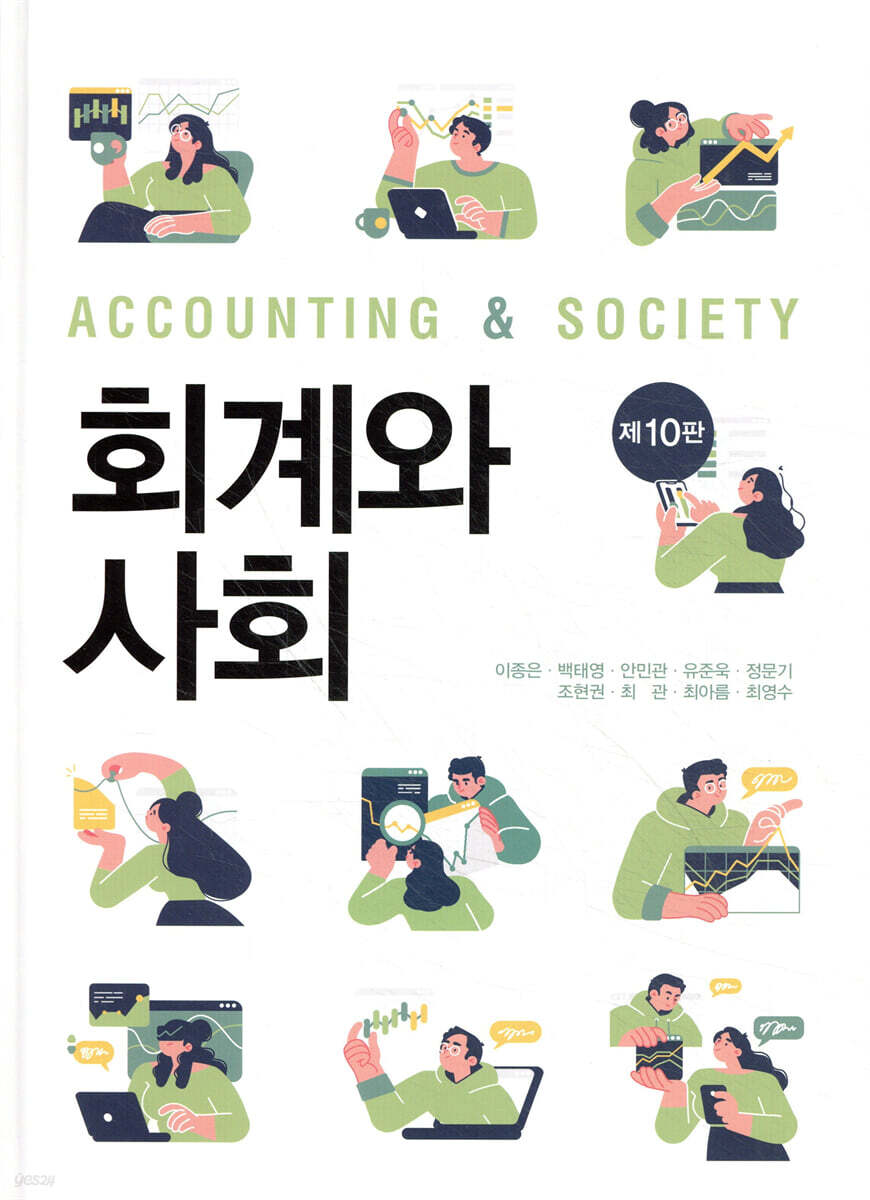
Accounting and Society is an introductory textbook written to help students and the general public who are new to accounting understand accounting easily.
It is written to help students study other areas of accounting in depth in the future and to show how the various fields of accounting are related.
The 10th edition maintained the general framework of the 9th edition, but revised and supplemented many contents.
First, we added new practice problems and case studies to almost every chapter, and revised and organized existing problems.
The contents of the 'Walking Trail', which was created to provide relevant information and additional knowledge, have also been updated and revised with recent data.
The content of the text has been edited in many parts to ensure that readers can easily and sufficiently understand it.
It is written to help students study other areas of accounting in depth in the future and to show how the various fields of accounting are related.
The 10th edition maintained the general framework of the 9th edition, but revised and supplemented many contents.
First, we added new practice problems and case studies to almost every chapter, and revised and organized existing problems.
The contents of the 'Walking Trail', which was created to provide relevant information and additional knowledge, have also been updated and revised with recent data.
The content of the text has been edited in many parts to ensure that readers can easily and sufficiently understand it.
- You can preview some of the book's contents.
Preview
index
Chapter 1: Why is accounting information necessary and what role does it play?
Section 1. The Necessity of Accounting
Section 2 The Role of Accounting
Section 3. Stakeholders of Accounting Information
Section 4 Internationalization and Accounting
Section 5: Expansion of Financial Reporting: ESG Disclosure
〈Boron〉 Social Development and Accounting
Chapter 2 What accounting information do financial statements contain?
Section 1 Purpose of Accounting and Financial Statements
Section 2 Financial Statements
Section 3 Income Statement
Section 4 Statement of Changes in Equity
Section 5 Cash Flow Statement
Section 6 Accounting Standards and Disclosure System
Chapter 3: The Process from Accounting Records to Financial Statements
Section 1. Subject of accounting records
Section 2 Process of producing accounting information
〈Boron〉 Amendment
Chapter 4 Accounting Information Related to Business Activities
Section 1 Operating Activities and Working Capital
Section 2 Assets and liabilities related to business activities
Section 3 Accounting information indicating corporate performance
Chapter 5 Accounting Information Related to Investment Activities
Section 1 Corporate Investment Activities
Section 2 Assets related to investment activities
Section 3 Should assets be valued at fair value?
Section 4 Depreciation of tangible assets and amortization of intangible assets
Section 5: Characteristics and Asset Structure of the Industry
Chapter 6 Accounting Information Related to Financial Activities
Section 1 Financial Activities of the Company
Section 2 Liabilities related to financial activities
Section 3 Capital Related to Financial Activities
Section 4 Capital and Corporate Value
Section 5 Format and Contents of Financial Statements
Chapter 7 How to Report Cash Flows?
Section 1. Usefulness of Cash Flow Information
Section 2 Overview of the Statement of Cash Flows
Section 3 Preparation and Understanding of Cash Flow Statements
Section 4 Use of Cash Flow Information
Chapter 8 Accounting Information May Change Depending on the Selection of Accounting Method
Section 1: Reading Financial Statements Directly
Section 2 Reasons why financial statements are presented differently
Section 3 Calculation of cost of sales
Section 4 Recording of inventory asset valuation loss under the low-value method
Section 5 Evaluation of Depreciation Methods
Section 6 Review of various costs
Section 7 Accounting Treatment Methods and Accounting Policies
Chapter 9: Understanding Costs for Management
Section 1 Cost and Management
Section 2 Types of Enterprises and Costs
Section 3 Flow of Costs
Chapter 10 Accounting for Management Decision Making
Section 1 Budget for Planning and Control
Section 2 Cost-Operation-Profit Analysis
Section 3 Costs and Management Decisions
Chapter 11 Taxes Paid by Corporations
Section 1 Understanding Taxes
Section 2 Value Added Tax
Section 3 Corporate Tax
〈Boron〉Corporate Tax Calculation Example
Chapter 12 Taxes Paid by Individuals
Section 1 Personal Income and Taxes
Section 2 Taxes on Real Estate
Section 3 Inheritance, Gifts, and Taxes
Comprehensive Income Tax Calculation Example
Chapter 13: Analysis of Corporate Activities Using Financial Statements
Section 1. Necessity and Considerations of Financial Statement Analysis
Section 2 Financial Statement Analysis Techniques
Section 3 Financial Ratio Analysis
Chapter 14 Transparency of Accounting Information and Accounting Ethics
Section 1 Accounting Audit and Transparency of Accounting Information
Section 2 Internal Control System and Prevention of Accounting Fraud
Section 3 Prevention of Accounting Fraud and Accounting Ethics
Search
Section 1. The Necessity of Accounting
Section 2 The Role of Accounting
Section 3. Stakeholders of Accounting Information
Section 4 Internationalization and Accounting
Section 5: Expansion of Financial Reporting: ESG Disclosure
〈Boron〉 Social Development and Accounting
Chapter 2 What accounting information do financial statements contain?
Section 1 Purpose of Accounting and Financial Statements
Section 2 Financial Statements
Section 3 Income Statement
Section 4 Statement of Changes in Equity
Section 5 Cash Flow Statement
Section 6 Accounting Standards and Disclosure System
Chapter 3: The Process from Accounting Records to Financial Statements
Section 1. Subject of accounting records
Section 2 Process of producing accounting information
〈Boron〉 Amendment
Chapter 4 Accounting Information Related to Business Activities
Section 1 Operating Activities and Working Capital
Section 2 Assets and liabilities related to business activities
Section 3 Accounting information indicating corporate performance
Chapter 5 Accounting Information Related to Investment Activities
Section 1 Corporate Investment Activities
Section 2 Assets related to investment activities
Section 3 Should assets be valued at fair value?
Section 4 Depreciation of tangible assets and amortization of intangible assets
Section 5: Characteristics and Asset Structure of the Industry
Chapter 6 Accounting Information Related to Financial Activities
Section 1 Financial Activities of the Company
Section 2 Liabilities related to financial activities
Section 3 Capital Related to Financial Activities
Section 4 Capital and Corporate Value
Section 5 Format and Contents of Financial Statements
Chapter 7 How to Report Cash Flows?
Section 1. Usefulness of Cash Flow Information
Section 2 Overview of the Statement of Cash Flows
Section 3 Preparation and Understanding of Cash Flow Statements
Section 4 Use of Cash Flow Information
Chapter 8 Accounting Information May Change Depending on the Selection of Accounting Method
Section 1: Reading Financial Statements Directly
Section 2 Reasons why financial statements are presented differently
Section 3 Calculation of cost of sales
Section 4 Recording of inventory asset valuation loss under the low-value method
Section 5 Evaluation of Depreciation Methods
Section 6 Review of various costs
Section 7 Accounting Treatment Methods and Accounting Policies
Chapter 9: Understanding Costs for Management
Section 1 Cost and Management
Section 2 Types of Enterprises and Costs
Section 3 Flow of Costs
Chapter 10 Accounting for Management Decision Making
Section 1 Budget for Planning and Control
Section 2 Cost-Operation-Profit Analysis
Section 3 Costs and Management Decisions
Chapter 11 Taxes Paid by Corporations
Section 1 Understanding Taxes
Section 2 Value Added Tax
Section 3 Corporate Tax
〈Boron〉Corporate Tax Calculation Example
Chapter 12 Taxes Paid by Individuals
Section 1 Personal Income and Taxes
Section 2 Taxes on Real Estate
Section 3 Inheritance, Gifts, and Taxes
Comprehensive Income Tax Calculation Example
Chapter 13: Analysis of Corporate Activities Using Financial Statements
Section 1. Necessity and Considerations of Financial Statement Analysis
Section 2 Financial Statement Analysis Techniques
Section 3 Financial Ratio Analysis
Chapter 14 Transparency of Accounting Information and Accounting Ethics
Section 1 Accounting Audit and Transparency of Accounting Information
Section 2 Internal Control System and Prevention of Accounting Fraud
Section 3 Prevention of Accounting Fraud and Accounting Ethics
Search
Publisher's Review
Accounting and Society is an introductory book written to help students and the general public who are new to accounting understand accounting easily.
It is written to help students study other areas of accounting in depth in the future and to show how the various fields of accounting are related.
Accounting is widely used in everyday life and in business.
This textbook also explains the phenomenon of accounting being widely used in society without explaining complex and difficult concepts.
While existing accounting books, especially those in the field of financial accounting, describe accounting information centered on financial statement preparation methods and accounting subjects, this book explains accounting centered on corporate management activities that general readers are familiar with.
This book introduces methods for understanding and utilizing accounting information related to each activity, categorized into business activities such as purchasing or producing and selling goods, corporate investment activities to support these activities, and financial activities such as raising and repaying the funds needed for these business and investment activities.
"Accounting and Society" not only covers financial accounting information for each of the above areas of activity, but also comprehensive analysis of financial statements, management accounting related to cost and management decision-making, types of taxes for companies and individuals and related tax information, and accounting audits and ethical issues to ensure accounting transparency. This comprehensive coverage of all accounting issues is a major feature of this single book.
The 10th edition maintained the general framework of the 9th edition, but revised and supplemented many contents.
First, we've added new practice problems and case studies to almost every chapter, and revised and organized existing problems.
The content of the "Walking Trail," designed to provide relevant information and additional knowledge, has also been updated and revised with recent data.
The content of the text has been edited in many parts to ensure that readers can easily and sufficiently understand it.
Examples of significant changes include:
Financial Accounting: ESG Description and Disclosure (Chapter 1), Adjusted Balance Sheet and Financial Statements (Chapter 3), Preparation of Cash Flow Statements (Chapter 7), Accounting Options for Tangible Assets and Liabilities (Chapter 8)
ㆍTax accounting section: Reflects revised tax laws
The biggest change in this 10th edition is the change in writing staff.
The 9th edition had six authors, but Professor Baek Won-seon, who had contributed for a long time, was removed, and four new authors (Professors Ahn Min-kwan, Yoo Jun-wook, Jo Hyeon-kwon, and Choi A-reum) were added.
Each of the new authors is a lecturer in accounting at Sungkyunkwan University and has published numerous excellent papers in their fields in high-quality academic journals.
It seems that a solid foundation has been laid for Accounting and Society to advance to the next level.
However, no matter how good a book is, it is useless if consumers ignore it.
I would like to express my deepest gratitude to the many professors, students, and corporate practitioners who have adopted this book as a textbook.
It is written to help students study other areas of accounting in depth in the future and to show how the various fields of accounting are related.
Accounting is widely used in everyday life and in business.
This textbook also explains the phenomenon of accounting being widely used in society without explaining complex and difficult concepts.
While existing accounting books, especially those in the field of financial accounting, describe accounting information centered on financial statement preparation methods and accounting subjects, this book explains accounting centered on corporate management activities that general readers are familiar with.
This book introduces methods for understanding and utilizing accounting information related to each activity, categorized into business activities such as purchasing or producing and selling goods, corporate investment activities to support these activities, and financial activities such as raising and repaying the funds needed for these business and investment activities.
"Accounting and Society" not only covers financial accounting information for each of the above areas of activity, but also comprehensive analysis of financial statements, management accounting related to cost and management decision-making, types of taxes for companies and individuals and related tax information, and accounting audits and ethical issues to ensure accounting transparency. This comprehensive coverage of all accounting issues is a major feature of this single book.
The 10th edition maintained the general framework of the 9th edition, but revised and supplemented many contents.
First, we've added new practice problems and case studies to almost every chapter, and revised and organized existing problems.
The content of the "Walking Trail," designed to provide relevant information and additional knowledge, has also been updated and revised with recent data.
The content of the text has been edited in many parts to ensure that readers can easily and sufficiently understand it.
Examples of significant changes include:
Financial Accounting: ESG Description and Disclosure (Chapter 1), Adjusted Balance Sheet and Financial Statements (Chapter 3), Preparation of Cash Flow Statements (Chapter 7), Accounting Options for Tangible Assets and Liabilities (Chapter 8)
ㆍTax accounting section: Reflects revised tax laws
The biggest change in this 10th edition is the change in writing staff.
The 9th edition had six authors, but Professor Baek Won-seon, who had contributed for a long time, was removed, and four new authors (Professors Ahn Min-kwan, Yoo Jun-wook, Jo Hyeon-kwon, and Choi A-reum) were added.
Each of the new authors is a lecturer in accounting at Sungkyunkwan University and has published numerous excellent papers in their fields in high-quality academic journals.
It seems that a solid foundation has been laid for Accounting and Society to advance to the next level.
However, no matter how good a book is, it is useless if consumers ignore it.
I would like to express my deepest gratitude to the many professors, students, and corporate practitioners who have adopted this book as a textbook.
GOODS SPECIFICS
- Date of issue: February 20, 2023
- Page count, weight, size: 480 pages | 188*257*30mm
- ISBN13: 9788955018325
- ISBN10: 8955018320
You may also like
카테고리
korean


korean

![GQ KOREA Mark (Monthly): December [2025]](http://librairie.coreenne.fr/cdn/shop/files/8ef265dbbfbf186523ed75ba7319009d.jpg?v=1765340328&width=3840)


