

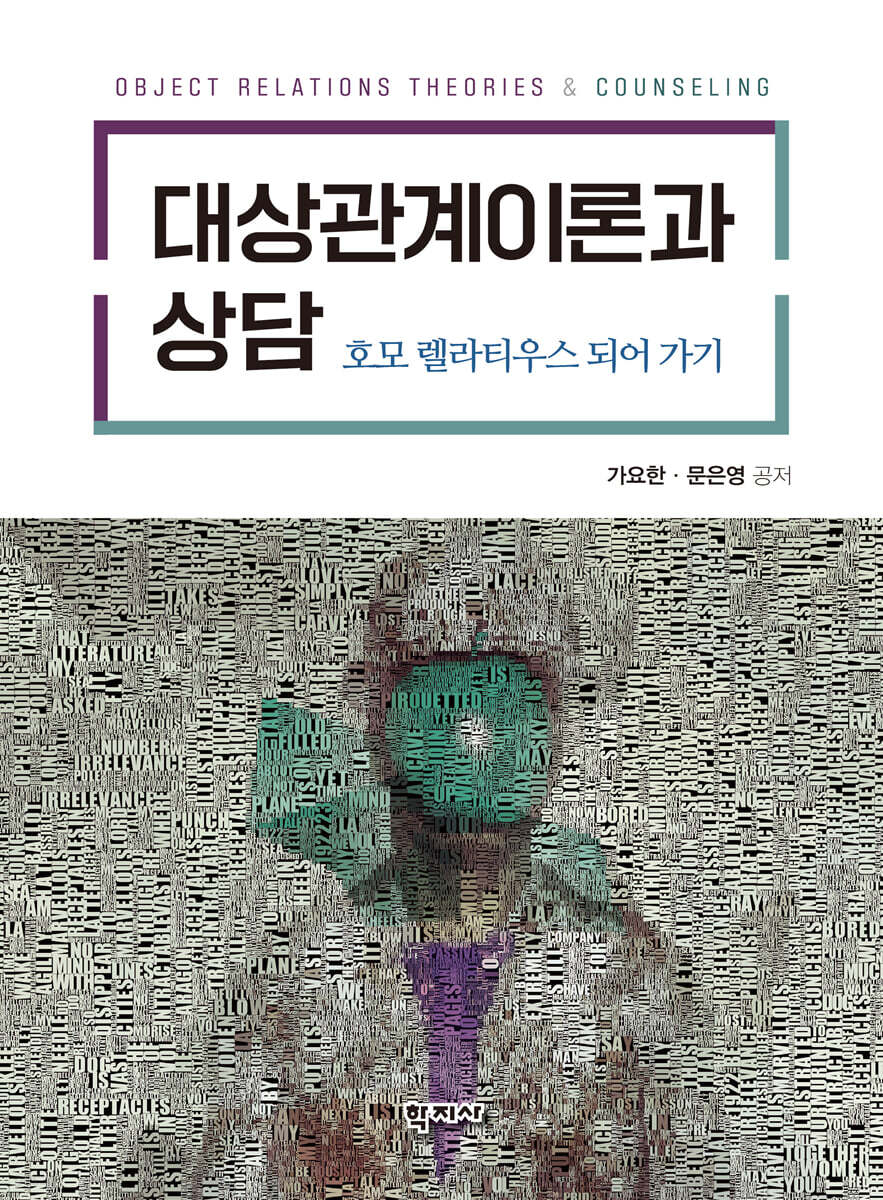
Object Relations Theory and Counseling
 |
Description
Book Introduction
This book does not contain entirely new discussions of object relations theory.
If you have studied object relations theory, this is a summary of information you already know.
However, I think it would be good if you understood the lecture notes on object relations theory, which the authors have studied for a long time, and have prepared for readers in a delicious and easily digestible way by understanding, digesting, and organizing the content.
The authors have used previously translated and published books as reference materials for most of their lectures on object relations theory. Now, they have tried to incorporate into these lecture notes the content they most want to convey to readers, including the personal backgrounds and theoretical history of theorists not included in existing textbooks, and especially the content of recent neurophysiology and brain research.
Additionally, it provides an easy-to-understand explanation of object relations theory from the perspective of Korean culture and society and presents easy-to-understand examples.
If you have studied object relations theory, this is a summary of information you already know.
However, I think it would be good if you understood the lecture notes on object relations theory, which the authors have studied for a long time, and have prepared for readers in a delicious and easily digestible way by understanding, digesting, and organizing the content.
The authors have used previously translated and published books as reference materials for most of their lectures on object relations theory. Now, they have tried to incorporate into these lecture notes the content they most want to convey to readers, including the personal backgrounds and theoretical history of theorists not included in existing textbooks, and especially the content of recent neurophysiology and brain research.
Additionally, it provides an easy-to-understand explanation of object relations theory from the perspective of Korean culture and society and presents easy-to-understand examples.
index
preface
I.
The beginning of object relations theory
Chapter 1: Klein and Winnicott
Starting point of object relations theory
Melanie Klein (1882–1960)
Life and Experience
Subjective world and subject relationship
Formation of the self
Edit-schizotypal aspect
depressive pattern
play therapy
Donald Winnicott (1896–1964)
Life and Experience
Unique perspective
lack
To cherish, to handle, to present
Transition target
Antisocial and delinquent behavior
Chapter 2: Fairbairn and Guntrip
W.
RD
Fairbairn (W.
RD
Fairbairn, 1889–1964)
Life and Experience
Unique perspective
psychological internal situation
schizoid personality structure
emotional development process
Harry Guntrip (1901–1975)
Life and Experience
Unique perspective
regressed ego
psychotherapy
Chapter 3 Self-Object Relations Theory
The meaning of self in Korean society
Basic premises of self-object relations theory
What is the target?
The importance of emotions
II.
Understanding Object Relations Theory
Chapter 4 Self
Self and ego
The process of forming self and self-concept
ego function
Case of an adult with ego dysfunction
Cohesive magnetism
Really honey
Chapter 5 Self and Body
sense of self
example
Magnetism and the brain
Chapter 6 Target
All targets vs.
Partial target
External Object vs.
internal object
Transition target
Self-object
The formation process of the target concept
III.
Application of object relations theory
Chapter 7: Psychological Birth: Symbiosis and Separation-Individuation
Symbiotic experience
Winnicott's developmental perspective
The Beginning of Psychological Birth Research
psychological birth
Normal autism
Normal symbiosis
Separation-individuation process
Hatching (6-10 months after birth)
Practice (10-16 months)
Re-approach (16-24 months)
Re-approach in general
Late re-approach
Object homeostasis and self homeostasis
Infant characteristics
Parental Experiences in the Psychological Birth Process
Object homeostasis and self homeostasis in childhood and adolescence
Object homeostasis and self homeostasis in adulthood
The problem of separation and individualization in Korean culture
Chapter 8 Psychological Mechanisms
Integration and differentiation
projection
internal investigation
split
Idealization-devaluation
projective identification
Transition target formation
Complete object relationship
identification
Primary vs.
secondary defense mechanisms
withdrawal
ma'am
Harry
Somatization
suppression
Rationalization and intellectualization
transposition
Humor, sublimation, altruism
Chapter 9 Personality Disorders
Psychological Birth Process and the Formation of Personality Disorders
personality disorder diagnosis
Psychosis level
schizophrenia
bipolar disorder
Borderline level
antisocial personality disorder
borderline personality disorder
narcissistic personality disorder
Neuroticism Levels and Normal Personality
IV.
Object relations theory in practice
Chapter 10: Principles and Techniques of Object Relationship Counseling
The actual relationship between the counselor and the client
Take it out
Empathize
Feeling the boundary
Don't let your emotions get in the way
Dealing with Negative Emotions
Helping you recall memories
Integrate targets
Self-integration
Attracting clients
Pushing the client away
Setting limits
Short-term counseling vs.
Long-term counseling
Chapter 11: Transference and Countertransference in Object Relations Therapy
Discovery and theoretical understanding of transference-countertransference
Points to note in the interpretation of transfer
Transference and countertransference with psychotic-level personality clients
Transference and Countertransference with Borderline Personality Clients
Transference and Countertransference with Clients with Borderline Personality Disorder
Transference and Countertransference with Clients with Narcissistic Personality Disorder
Transference and Countertransference with a Depressed Client
Cases of transference and countertransference
Brain study of repetitive compulsive disorder related to transference
Chapter 12: Various Difficulties in Object Relationship Counseling
Loss and Mourning
The meaning of frustration
The Neurophysiology of Grief and Frustration
Aggression
jealousy
Adult Editing - A Case of Schizophrenia and Jealousy
Manic defense
The Difficulty of Empathy and Brain Neurophysiology
References
I.
The beginning of object relations theory
Chapter 1: Klein and Winnicott
Starting point of object relations theory
Melanie Klein (1882–1960)
Life and Experience
Subjective world and subject relationship
Formation of the self
Edit-schizotypal aspect
depressive pattern
play therapy
Donald Winnicott (1896–1964)
Life and Experience
Unique perspective
lack
To cherish, to handle, to present
Transition target
Antisocial and delinquent behavior
Chapter 2: Fairbairn and Guntrip
W.
RD
Fairbairn (W.
RD
Fairbairn, 1889–1964)
Life and Experience
Unique perspective
psychological internal situation
schizoid personality structure
emotional development process
Harry Guntrip (1901–1975)
Life and Experience
Unique perspective
regressed ego
psychotherapy
Chapter 3 Self-Object Relations Theory
The meaning of self in Korean society
Basic premises of self-object relations theory
What is the target?
The importance of emotions
II.
Understanding Object Relations Theory
Chapter 4 Self
Self and ego
The process of forming self and self-concept
ego function
Case of an adult with ego dysfunction
Cohesive magnetism
Really honey
Chapter 5 Self and Body
sense of self
example
Magnetism and the brain
Chapter 6 Target
All targets vs.
Partial target
External Object vs.
internal object
Transition target
Self-object
The formation process of the target concept
III.
Application of object relations theory
Chapter 7: Psychological Birth: Symbiosis and Separation-Individuation
Symbiotic experience
Winnicott's developmental perspective
The Beginning of Psychological Birth Research
psychological birth
Normal autism
Normal symbiosis
Separation-individuation process
Hatching (6-10 months after birth)
Practice (10-16 months)
Re-approach (16-24 months)
Re-approach in general
Late re-approach
Object homeostasis and self homeostasis
Infant characteristics
Parental Experiences in the Psychological Birth Process
Object homeostasis and self homeostasis in childhood and adolescence
Object homeostasis and self homeostasis in adulthood
The problem of separation and individualization in Korean culture
Chapter 8 Psychological Mechanisms
Integration and differentiation
projection
internal investigation
split
Idealization-devaluation
projective identification
Transition target formation
Complete object relationship
identification
Primary vs.
secondary defense mechanisms
withdrawal
ma'am
Harry
Somatization
suppression
Rationalization and intellectualization
transposition
Humor, sublimation, altruism
Chapter 9 Personality Disorders
Psychological Birth Process and the Formation of Personality Disorders
personality disorder diagnosis
Psychosis level
schizophrenia
bipolar disorder
Borderline level
antisocial personality disorder
borderline personality disorder
narcissistic personality disorder
Neuroticism Levels and Normal Personality
IV.
Object relations theory in practice
Chapter 10: Principles and Techniques of Object Relationship Counseling
The actual relationship between the counselor and the client
Take it out
Empathize
Feeling the boundary
Don't let your emotions get in the way
Dealing with Negative Emotions
Helping you recall memories
Integrate targets
Self-integration
Attracting clients
Pushing the client away
Setting limits
Short-term counseling vs.
Long-term counseling
Chapter 11: Transference and Countertransference in Object Relations Therapy
Discovery and theoretical understanding of transference-countertransference
Points to note in the interpretation of transfer
Transference and countertransference with psychotic-level personality clients
Transference and Countertransference with Borderline Personality Clients
Transference and Countertransference with Clients with Borderline Personality Disorder
Transference and Countertransference with Clients with Narcissistic Personality Disorder
Transference and Countertransference with a Depressed Client
Cases of transference and countertransference
Brain study of repetitive compulsive disorder related to transference
Chapter 12: Various Difficulties in Object Relationship Counseling
Loss and Mourning
The meaning of frustration
The Neurophysiology of Grief and Frustration
Aggression
jealousy
Adult Editing - A Case of Schizophrenia and Jealousy
Manic defense
The Difficulty of Empathy and Brain Neurophysiology
References
GOODS SPECIFICS
- Publication date: September 20, 2022
- Page count, weight, size: 520 pages | 886g | 176*248*35mm
- ISBN13: 9788999727535
- ISBN10: 899972753X
You may also like
카테고리
korean


korean

![GQ KOREA Mark (Monthly): December [2025]](http://librairie.coreenne.fr/cdn/shop/files/8ef265dbbfbf186523ed75ba7319009d.jpg?v=1765340328&width=3840)


