

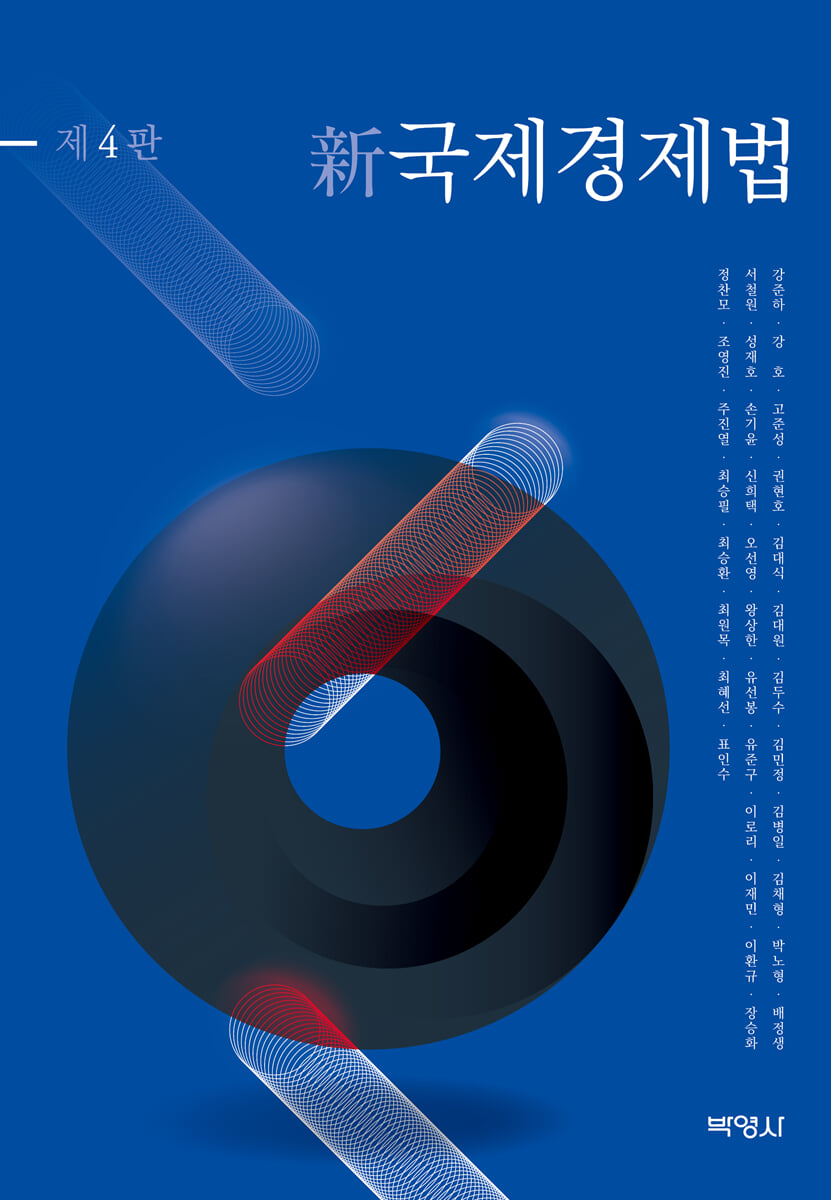
New International Economic Law
 |
Description
index
Chapter 1: Concepts and Courts of International Economic Law* 3
Chapter 2 Agreement Establishing the WTO 20
Chapter 3 WTO Dispute Settlement Procedures 49
Chapter 4 Most-Favored-Nation Treatment Principle 71
Chapter 5 Tariff Concessions and Reductions 92
Chapter 6: National Treatment Principle 112
Chapter 7: Prohibition of Quantity Restrictions 138
Chapter 8 General Exceptions 149
Chapter 9 Security Exceptions 177
Chapter 10 Sanitary and Quarantine Agreement 199
Chapter 11 Agreement on Technical Barriers to Trade 221
Chapter 12 Agricultural Agreement 240
Chapter 13 Rules of Origin* 262
Chapter 14 Customs Valuation Agreement 288
Chapter 15 Trade-Related Investment Agreements 318
Chapter 16 Agreement on Preshipment Inspection 337
Chapter 17 Import Licensing Procedures Agreement 348
Chapter 18 Antidumping Agreement 363
Chapter 19 Subsidies and Countervailing Measures Agreement 385
Chapter 20 Safeguard Agreement 417
Chapter 21 Trade in Services and GATS* 443
Chapter 22 TRIPS Agreement 478
Chapter 23: Civil Aircraft Trade Agreement 505
Chapter 24 Government Procurement Agreement 513
Chapter 25 TiSA 531
Chapter 26: Digital Trade and Trade Norms 538
Chapter 27: Competition Policy and Trade Issues 587
Chapter 28: The Present and Future of RTA 617
Chapter 29 FTA Rules of Origin* 628
Chapter 30: Regulation of Services and Investments in the RTA 649
Chapter 31: Trans-Pacific Partnership (TPP) 679
Chapter 32: Transatlantic Trade and Investment Partnership (TTIP) 703
Chapter 33: History and Present of International Investment Law 733
Chapter 34 Substantive Provisions of International Investment Law 753
Chapter 35 Procedural Norms of International Investment Law* 775
Chapter 36: IMF, IBRD, AIIB & International Financial Law 797
Chapter 2 Agreement Establishing the WTO 20
Chapter 3 WTO Dispute Settlement Procedures 49
Chapter 4 Most-Favored-Nation Treatment Principle 71
Chapter 5 Tariff Concessions and Reductions 92
Chapter 6: National Treatment Principle 112
Chapter 7: Prohibition of Quantity Restrictions 138
Chapter 8 General Exceptions 149
Chapter 9 Security Exceptions 177
Chapter 10 Sanitary and Quarantine Agreement 199
Chapter 11 Agreement on Technical Barriers to Trade 221
Chapter 12 Agricultural Agreement 240
Chapter 13 Rules of Origin* 262
Chapter 14 Customs Valuation Agreement 288
Chapter 15 Trade-Related Investment Agreements 318
Chapter 16 Agreement on Preshipment Inspection 337
Chapter 17 Import Licensing Procedures Agreement 348
Chapter 18 Antidumping Agreement 363
Chapter 19 Subsidies and Countervailing Measures Agreement 385
Chapter 20 Safeguard Agreement 417
Chapter 21 Trade in Services and GATS* 443
Chapter 22 TRIPS Agreement 478
Chapter 23: Civil Aircraft Trade Agreement 505
Chapter 24 Government Procurement Agreement 513
Chapter 25 TiSA 531
Chapter 26: Digital Trade and Trade Norms 538
Chapter 27: Competition Policy and Trade Issues 587
Chapter 28: The Present and Future of RTA 617
Chapter 29 FTA Rules of Origin* 628
Chapter 30: Regulation of Services and Investments in the RTA 649
Chapter 31: Trans-Pacific Partnership (TPP) 679
Chapter 32: Transatlantic Trade and Investment Partnership (TTIP) 703
Chapter 33: History and Present of International Investment Law 733
Chapter 34 Substantive Provisions of International Investment Law 753
Chapter 35 Procedural Norms of International Investment Law* 775
Chapter 36: IMF, IBRD, AIIB & International Financial Law 797
Publisher's Review
The international economic system, which ushered in a groundbreaking development with the establishment of the World Trade Organization (WTO) in 1995, is now facing a major turning point in 2022.
The WTO dispute settlement system, which once highlighted international trade law as one of the most fascinating and crucial areas of international law, is now facing a crisis of survival. Discussions on revising the existing, entrenched rules have been overshadowed by discussions on comprehensive systemic reform, with the Doha negotiations effectively scrapped. Free trade agreements (FTAs), which served to improve international trade rules in place of the WTO, have also seen their role and status significantly diminished under the Trump administration.
Meanwhile, the new trade issues highlighted in the third edition have become more concrete, including carbon neutrality, digital trade, supply chain restructuring, and worker-centered trade policies, presenting new challenges to academia and practitioners.
The uncertainty surrounding global supply chains due to the coronavirus is further exacerbating the disruption in international economic relations.
However, despite the current political and diplomatic instability, the international norms governing the international economic system remain firmly in place in most areas. Regardless of WTO membership, most countries' trade and investment are conducted in compliance with the fundamental principles of the WTO Agreement and numerous investment norms. The international economic order, deepened by FTAs, is also serving as a core foundation for economic activity in overcoming the COVID-19 crisis.
From the perspective of international economic law, which must prepare for a new international economic system embracing rapid digital transformation and new trade norms, a thorough understanding of the various issues comprehensively addressed in this book is paramount.
In this revised edition, authors representing the academic community have reflected these latest developments and have clearly organized the essential information for researchers and practitioners entering the world of international economic law.
I believe that the revised "New International Economic Law" will serve as a useful guide for many people working in the field of international economic law in Korea.
I would like to take this opportunity to express my deepest gratitude to all the authors who participated in the revision of this textbook, as well as to the academic societies that worked with me.
I would also like to express my gratitude to Park Young-sa's editorial team leader, Yang Su-jeong, for her hard work in editing the manuscript, and to Park Young-sa's president, Ahn Jong-man, CEO, Ahn Sang-jun, and director, Jo Seong-ho, for their continued support in the publication of this textbook.
We hope that this textbook will serve as a foundation for training trade experts in our country, which aims to become a normalized country.
February 2022
Korean Association of International Economic Law
The WTO dispute settlement system, which once highlighted international trade law as one of the most fascinating and crucial areas of international law, is now facing a crisis of survival. Discussions on revising the existing, entrenched rules have been overshadowed by discussions on comprehensive systemic reform, with the Doha negotiations effectively scrapped. Free trade agreements (FTAs), which served to improve international trade rules in place of the WTO, have also seen their role and status significantly diminished under the Trump administration.
Meanwhile, the new trade issues highlighted in the third edition have become more concrete, including carbon neutrality, digital trade, supply chain restructuring, and worker-centered trade policies, presenting new challenges to academia and practitioners.
The uncertainty surrounding global supply chains due to the coronavirus is further exacerbating the disruption in international economic relations.
However, despite the current political and diplomatic instability, the international norms governing the international economic system remain firmly in place in most areas. Regardless of WTO membership, most countries' trade and investment are conducted in compliance with the fundamental principles of the WTO Agreement and numerous investment norms. The international economic order, deepened by FTAs, is also serving as a core foundation for economic activity in overcoming the COVID-19 crisis.
From the perspective of international economic law, which must prepare for a new international economic system embracing rapid digital transformation and new trade norms, a thorough understanding of the various issues comprehensively addressed in this book is paramount.
In this revised edition, authors representing the academic community have reflected these latest developments and have clearly organized the essential information for researchers and practitioners entering the world of international economic law.
I believe that the revised "New International Economic Law" will serve as a useful guide for many people working in the field of international economic law in Korea.
I would like to take this opportunity to express my deepest gratitude to all the authors who participated in the revision of this textbook, as well as to the academic societies that worked with me.
I would also like to express my gratitude to Park Young-sa's editorial team leader, Yang Su-jeong, for her hard work in editing the manuscript, and to Park Young-sa's president, Ahn Jong-man, CEO, Ahn Sang-jun, and director, Jo Seong-ho, for their continued support in the publication of this textbook.
We hope that this textbook will serve as a foundation for training trade experts in our country, which aims to become a normalized country.
February 2022
Korean Association of International Economic Law
GOODS SPECIFICS
- Publication date: February 24, 2022
- Page count, weight, size: 864 pages | 176*248*40mm
- ISBN13: 9791130341187
- ISBN10: 1130341186
You may also like
카테고리
korean


korean

![GQ KOREA Mark (Monthly): December [2025]](http://librairie.coreenne.fr/cdn/shop/files/8ef265dbbfbf186523ed75ba7319009d.jpg?v=1765340328&width=3840)


