

The Recording
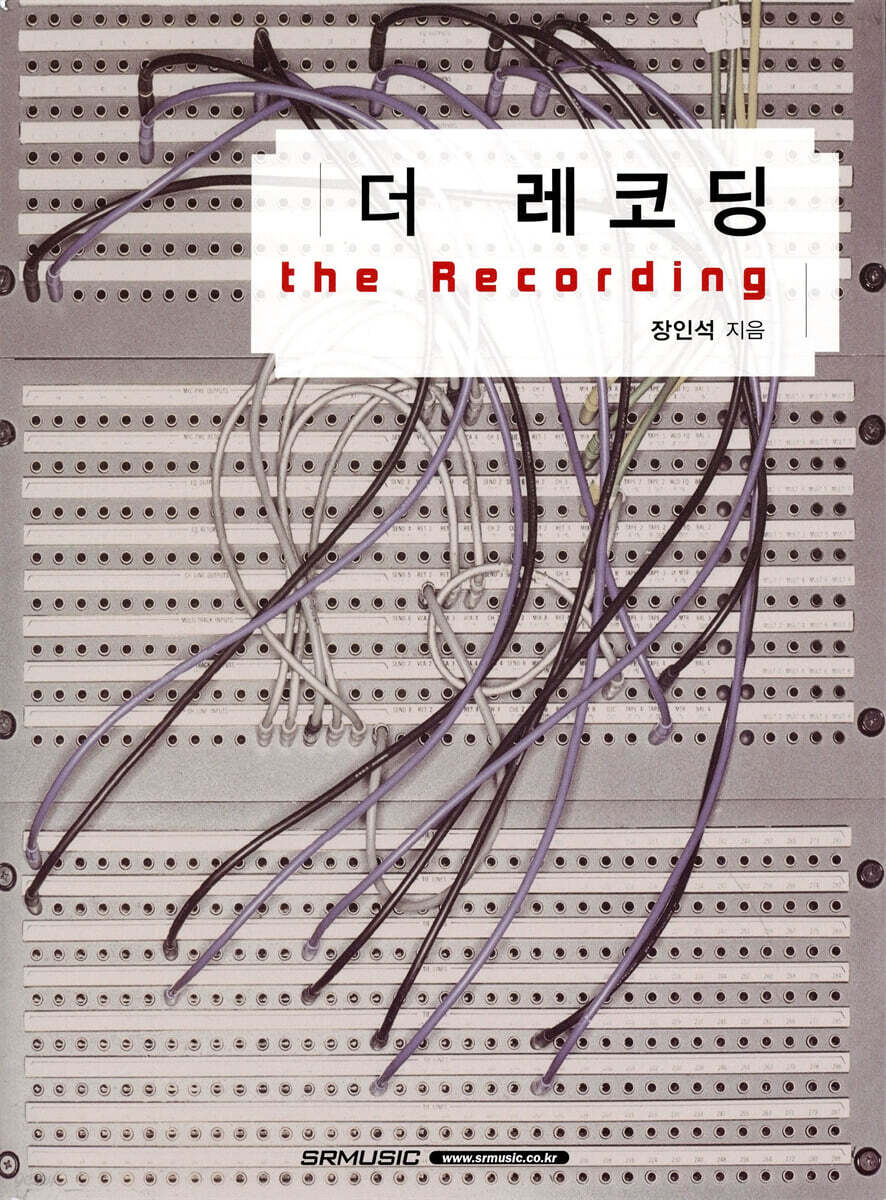 |
Description
Book Introduction
This book...
The book that all audio professionals have been eagerly awaiting
This book systematically organizes all of the acoustics know-how of Professor Jang In-seok, a living legend in the Korean recording industry who recorded over 1,000 albums, including those of Cho Yong-pil and Lee Sun-hee.
Modern audio systems are changing rapidly, and this phenomenon is accelerating as we transition from analog to digital systems.
This is, of course, a positive change that is absolutely necessary for the audio industry, which demands delicacy.
However, it is also true that there is a lack of effort to correctly understand and apply these changes.
This fact is refuted by the many errors that result from over-reliance on equipment used without a proper understanding.
This book contains all the knowledge necessary for sound, from basic knowledge about sound to understanding equipment and systems, so it will be a good guide for all sound professionals, from those who are just starting to study sound to engineers who are currently working in the field and struggling with many questions and technical concerns.
The practical knowledge I've developed through my extensive experience will be of immense help in the field and will be your companion in bringing your creative ideas to life.
The book that all audio professionals have been eagerly awaiting
This book systematically organizes all of the acoustics know-how of Professor Jang In-seok, a living legend in the Korean recording industry who recorded over 1,000 albums, including those of Cho Yong-pil and Lee Sun-hee.
Modern audio systems are changing rapidly, and this phenomenon is accelerating as we transition from analog to digital systems.
This is, of course, a positive change that is absolutely necessary for the audio industry, which demands delicacy.
However, it is also true that there is a lack of effort to correctly understand and apply these changes.
This fact is refuted by the many errors that result from over-reliance on equipment used without a proper understanding.
This book contains all the knowledge necessary for sound, from basic knowledge about sound to understanding equipment and systems, so it will be a good guide for all sound professionals, from those who are just starting to study sound to engineers who are currently working in the field and struggling with many questions and technical concerns.
The practical knowledge I've developed through my extensive experience will be of immense help in the field and will be your companion in bringing your creative ideas to life.
index
Chapter 1 Vibration System
1.1 Basic physical units
1.2 Vibration System
1.2.1 Simple vibration
1.2.2 Complex vibration
1.2.3 Pure and compound sounds
1.2.4 Periodic negative frequency spectra
1.2.5 Non-periodic negative frequency spectra
1.2.6 Instrument Vibration
Chapter 2 Wave
2.1 wave
2.1.1 Transverse and longitudinal waves
2.1.2 Progressive wave
2.1.3 Reflected waves
2.1.4 Superposition and Interference
2.1.5 Sound waves
2.1.6 Two-dimensional and three-dimensional waves
2.1.7 bit
2.1.8 Doppler effect
2.2 Basic characteristics of sound waves
2.2.1 Reflection
2.2.2 Refraction
2.2.3 Diffraction
Chapter 3: Perception of Sound
3.1 Hearing organ
3.1.1 Hearing range of the ear
3.1.2 Structure of the ear
3.1.3 Critical Band
3.1.4 Phase sensitivity of the ear
3.1.5 Restoring lost fundamental sounds
3.1.6 Vibrato
3.2 Loudness
3.2.1 Loudness and Frequency
3.2.2 Loudness and sound pressure level
3.2.3 Loudness and Bandwidth
3.2.4 Loudness and sound duration
3.2.5 Loudness control of Hi-Fi amplifiers
3.2.6 Dynamics and Loudness of Music
3.3 Masking
3.4 pitch
3.4.1 Pitch and Frequency
3.4.2 Pitch Discrimination
3.4.3 Standard pitch
3.5 tone
3.5.1 Timbre and Frequency Spectrum
3.5.2 Tone and Envelope
3.5.3 Subjective characteristics of sound
Chapter 4: Indoor Acoustics and Studio Monitor Systems
4.1 Free sound field
4.1.1 Negative divergence
4.1.2 Inverse square law indoors
4.2 Concert Hall Acoustics
4.2.1 Direct sound, early reflections, and reverberation
4.2.2 Direct sound and initial sound
4.2.3 Reverberation
4.3 Studio Design
4.3.1 Studio Sound Engineer
4.3.2 Noise
4.3.3 Soundproofing
4.4 Sound absorption system
4.4.1 Negative energy dissipation
4.4.2 Peres absorbers for midrange and treble
4.4.3 Bass trap for low frequencies
4.4.4 Low-frequency diaphragm absorber
4.4.5 Low-frequency Helmoltz resonator
4.4.6 Module
4.5 Diffusion System
4.5.1 Protrusion-shaped diffusion
4.5.2 Polycylinder diffuser
4.5.3 Indoor resonance
4.5.4 Indoor ratio diffusion
4.5.5 Non-rectangular indoor diffusion
4.5.6 Reflective phase grating diffuser
4.5.7 Reflector Theory
4.5.8 Reflection phase grating theory
4.5.9 Commercialization of Reflective Phase-Grinding Diffusers
4.6 Control room acoustics
4.6.1 Early Reflection
4.6.2 Comb filtering of early reflections
4.6.3 Reflection Free Zone
4.7 Home Recording Control Room
4.7.1 Monitor System Installation
4.7.2 Acoustic Design
4.7.3 Near-field monitoring
4.8 Pro Recording Control Room
4.8.1 Sound insulation
4.8.2 magnitude
4.8.3 Symmetric structure
4.8.4 Installing Monitor Speakers
4.8.5 Control room rear reflection
4.8.6 Ceiling
4.8.7 Acoustic Design
4.8.8 Control Room Tuning
4.9 Surround Sound Control Room
4.9.1 Surround Speaker Array
4.9.2 Surround Monitoring System Setup
Chapter 5 Microphone
5.1 Conversion method
5.1.1 Moving-coil dynamic microphone
5.1.2 Ribbon dynamic microphone
5.1.3 Condenser Microphone
5.2 Directionality and Polarity Patterns
5.2.1 Omnidirectional Microphone
5.2.2 Bidirectional Microphones
5.2.3 Unidirectional Microphones
5.2.4 Location of microphone and sound source
5.3 Other microphones
5.3.1 PZM
5.3.2 Labier Microphone
5.3.3 Headset and Stereo Microphone
5.4 Electrical Characteristics
5.4.1 Frequency response
5.4.2 Sensitivity
5.4.3 Overload
5.4.4 Transient Response
5.4.5 Output Impedance
5.4.6 Maximum sound pressure level
5.5 Wireless Microphone System
5.5.1 Operating radio frequency
5.5.2 Capture Radio and Muting
5.5.3 Frequency response and dynamic range
5.5.4 Technical issues with the system
5.5.5 Antenna Cable
5.6 Microphone Accessories
5.6.1 Pop Filter
5.6.2 Windscreen
5.6.3 Shock Mount
5.6.4 Representative microphones
Chapter 6: Stereo and Surround Microphone Techniques
6.1 Localization of actual sound source
6.1.1 Lateral orientation
6.1.2 Positioning on the vertical plane
6.1.3 Distance positioning
6.2 Binaural listening using headphones
6.2.1 Time difference between ears
6.2.2 Difference in intensity between the two ears
6.2.3 Interaction between time difference and intensity difference
6.3 Binaural listening using stereophonic loudspeakers
6.3.1 Stereo images
6.3.2 Positioning by time difference
6.3.3 Positioning by intensity difference
6.3.4 Lateral positioning combined with intensity difference and time difference
6.3.5 Positioning by polarity difference
6.3.6 General Considerations on Stereo Positioning
6.4 Stereo Microphone Techniques
6.4.1 Effective acceptance angle
6.4.2 Intensity difference and time difference of sound source by formula
6.4.3 Coincident Pair Microphone Technique
6.4.4 Spaced Pair Microphone Technique
6.4.5 Near-coincident pair microphone technique
6.4.6 Stereo boundary microphone array
6.4.7 Binaural and Transaural
6.5 Acoustic environment correction and spot miking
6.5.1 Sound Environment Modification
6.5.2 Spot Mic Fix
6.6 Stereo recording process
6.6.1 Equipment
6.6.2 Selecting a recording location and modifying the sound
6.6.3 Session Setup
6.6.4 Monitoring
6.6.5 Microphone placement
6.6.6 Stereo Sound Adjustment
6.7 Classical Music Stereo Recording
6.7.1 Creating Depth Using Miking Techniques
6.7.2 Adjusting Depth and Reverberation Using Microphone Height
6.7.3 Ambience Microphone
6.7.4 Hole characteristics affecting depth perception
6.7.5 Chamber music
6.7.6 Classical Solo Piano
6.7.7 Piano and vocals (or solo instruments), two pianos
6.7.8 Orchestra (multi-miking)
6.7.9 String Quartet
6.7.10 Live ensemble, band and orchestra (studio recording)
6.7.11 Surround Sound Microphone Techniques
Chapter 7 Multi-Microphone Techniques
7.1 Things to Consider When Recording
7.1.1 Microphone Selection and Position
7.1.2 Phase Check
7.1.3 Polarity Check
7.1.4 Comb Filtering and Miking
7.2 Drum Kit
7.2.1 Acoustic Considerations
7.2.2 Drum Kit Miking
7.2.3 Kick Drum Miking
7.2.4 Snare Drum Miking
7.2.5 Hi-Hat Miking
7.2.6 Tamtam miking
7.2.7 Overhead Miking
7.2.8 Drum Kit Room Miking
7.2.9 Jazz Drums
7.3 Grand Piano
7.3.1 Acoustic Considerations
7.3.2 Miking
7.4 Lead Vocal
7.4.1 Acoustic Considerations
7.4.2 Miking
7.4.3 Headphone Monitoring
7.5 Background Vocal
7.5.1 Acoustic Considerations
7.5.2 Miking
7.6 Acoustic String Bass
7.6.1 Acoustic Considerations
7.6.2 Miking
7.6.3 Pickup
7.7 Electric Bass Guitar
7.7.1 Acoustic Considerations
7.7.2 Miking
7.7.3 Amplifier miking and direct box
7.8 Acoustic and Classical Guitar
7.8.1 Acoustic Considerations
7.8.2 Miking
7.8.3 Contact microphones and pickups
7.8.4 Classical Guitar Miking
7.9 Electric Guitar
7.9.1 Acoustic Considerations
7.9.2 Miking
7.9.3 Direct Box
7.10 Harp
7.10.1 Acoustic Considerations
7.10.2 Miking
7.11 String Instrument
7.11.1 Acoustic Considerations
7.11.2 Miking
7.12 Woodwind Instruments and Reed Instruments
7.12.1 Air Reed
7.12.2 Flute
7.12.3 Single Reed
7.12.4 Clarinet
7.12.5 Saxophone
7.12.6 Double Reed
7.13 Brass Instrument
7.13.1 Acoustic Considerations
7.13.2 Miking
7.13.3 Brass Section
7.14 Percussion
7.14.1 Acoustic Considerations
7.14.2 Marimba and Vibraphone
7.14.4 Conga and Bongo
7.14.5 Steel Drum
7.14.6 Orchestra Chime and Bell
7.14.7 Rack and Hand Percussion
7.15 Other instruments
7.15.1 Accordion
7.15.2 Bagpipe
7.15.3 Whistle
7.15.4 Audience
7.15.5 Applause
Chapter 8 Analog Recording System
8.1.
magnetic tape
8.1.1 System Principles
8.2 Open-reel tape recorder
8.2.1 Transportation System
8.2.2 Track Format
8.2.3 Processing
8.3 Analog Tape Recorder Adjustment Sequence
8.3.1 Preparation
8.3.2 Head Adjustment
8.3.3 Playback Circuit Adjustment
8.3.4 Adjusting the recording circuit
8.3.5 Recorder Precautions
8.4 Analog Tape Noise Reduction System
8.4.1 Analog Noise and SNR
8.4.2 Noise Reduction System
8.4.3 dbx noise reduction system
8.4.4 Dolby Noise Reduction System
Chapter 9 Digital Recording System
9.1 digital audio
9.2 Digital Audio System
9.2.1 Modulation
9.2.2 PCM
9.2.3 Sampling
9.2.4 Quantization
9.2.5 Encoding
9.2.6 Data Reduction
9.2.7 Channel Coding and Digital Interface
9.2.8 Error Correction
9.3 Digital Audio Recorder
9.3.1 Standardization of Digital Recorders
9.3.2 Sampling Rate Converter
9.3.3 Rotating head (video) recorder
9.3.4 Fixed head recorder
9.3.5 DCC
9.3.6 Digital Disc Recorder
9.3.7 Digital Audio Workstation
Chapter 10 Mixing Console
10.1 preamplifier
10.1.1 Features
10.1.2 Condenser microphone internal preamplifier
10.1.3 Outboard Preamplifier
10.1.4 Preamplifier Gain Setup
10.2 6-channel mixer
10.2.1 Configuration
10.3 Multitrack Mixing Console
10.3.1 Inline and Split Consoles
10.4 Inline Mixing Console
10.4.1 Input Section
10.4.2 Rooting Section
10.4.3 Dynamics and Equalizer Section
10.4.4 Aux Sends and Effect Returns
10.4.5 Master Section
10.4.6 Patch Field
10.4.7 Metering System
10.5 Basic Operations
10.5.1 magnitude
10.5.2 Microphone and preamp noise
10.5.3 SNR
10.5.4 Maximum voltage gain
10.5.5 Headroom
10.5.6 Impedance
10.5.7 Crosstalk
10.5.8 Input Gain Adjustment
10.5.9 Applying Aux Send
10.5.10 Channel Grouping
10.6 Console Automation System
10.6.1 VCA
10.6.2 Data Storage
10.6.3 Main Automation Operation Modes
10.6.4 Other Automation Features
10.6.5 Automation Recording Process
10.7 Digital Mixing Console
10.7.1 Digitally Controlled Analog Mixing Console
10.7.2 Digital Mixing Console
Chapter 11 Equalizer
11.1 Design Method
11.1.1 Tone Control
11.1.2 Multiband Equalizer
11.1.3 Sweptable Equalizer
11.1.4 Parametric Equalizer
11.1.5 Graphic Equalizer
11.1.6 Paragraphic Equalizer
11.1.7 Dynamic range and headroom of equalizers and sound systems
11.1.8 Equalizer Phase Shift
11.1.9 Digital Linear Phase Equalizer
11.1.10 Dynamic Equalizer
11.1.11 Sony Oxford Equalizer (OXF-R3)
11.2 Filter
11.2.1 High-pass filter
11.2.2 Low-pass filter
11.2.3 Notch Filter
11.2.4 Bandpass Filter
11.3 Equalizing
11.3.1 Live Sound Equalization
11.3.2 Multitrack Recording and Mixing Equalization
11.3.3 How to run equalization
11.3.4 Frequency and tone changes
Chapter 12 Dynamic Signal Processors
12.1 Microdynamics and Macrodynamics
12.1.1 Dynamic changes in music
12.1.2 Compression and Expansion
12.2 Compressor
12.2.1 Features
12.2.2 Compressor Design
12.2.3 Side Chain Adjustment Parameters
12.2.4 Time constant law
12.2.5 Detection Method
12.2.6 Gain Reduction Meter
12.2.7 Sidechain Input
12.2.8 Compressor Link
12.2.9 Application
12.3 Expanders and Noise Gates
12.3.1 Side Chain Adjustment Parameters
12.3.2 Compressor/Expander System
12.4 Plug-in Dynamics
12.4.1 R-Compressor (Renaissance)
12.4.2 R-Bass (Renaissance)
12.4.3 R-Vox (Renaissance)
12.4.4 De-Eesser (Renaissance)
12.4.5 DUY series
Chapter 13 Time-Based Effects
13.1 Reverb System
13.1.1 Types of Systems
13.1.2 Digital Reverb System
13.1.2 Stereo Reverb System
13.2 Delay
13.2.1 Delay System
13.2.2 Echo
13.2.3 Modulation Effects
13.2.4 MetaFlanger
Chapter 14 Mixing
14.1 Auditory Training
14.1.1 Training Methods
14.2 Monitoring
14.2.1 Monitor Level
14.2.2 Mono Monitoring
14.2.3 Monitor Speakers
14.3 Considerations for Mixing
14.3.1 Song Analysis
14.3.2 Three-dimensional space of mixing
14.4 Volume Level
14.4.1 Arrangement
14.4.2 Instruments to start with
14.4.3 Setting the Mix Program Level
14.4.4 Volume levels of instruments and effects by music genre
14.5 Panorama
14.5.1 Three main areas in panning
14.5.2 Panning by instrument
14.5.3 Panning method
14.5.4 Panning Changes
14.6 Equalizing
14.6.1 Frequency Bands and Hearing
14.6.2 Equalizer Adjustment
14.6.3 Main frequency bands by instrument
14.6.4 Equalizing by instrument
14.7 Dynamic Processing
14.7.1 Dynamic Range Adjustment
14.7.2 Tone Adjustment
14.7.3 Sub-bus compression
14.7.4 Mix Bus Compression
14.7.5 Instrument-specific dynamic processing
14.8 Time-Based Effects Processing
14.8.1 Types and number of effectors required for mixing
14.8.2 Adjusting the delay time
14.8.4 Reverberation Adjustment
14.8.5 Instrument-specific time base effects
14.9 Surround
14.9.1 Surround Mixing
14.9.1.2 Classic and Band
Chapter 15 Mastering
15.1 Monitor System
15.1.1 Components of a High-Resolution Monitor System
15.1.2 Subwoofer ultra-low frequency response and placement
15.1.3 Power amplifier
15.1.4 Monitoring Equalization
15.1.5 Monitoring Balance and Polarity Check
15.1.6 Stereo Balance of the Program
15.1.7 The False Truth About Monitor Systems
15.2 Leveling
15.2.1 Manual Gain Riding
15.2.2 Limiting vs. Compression
15.2.3 Normalization
15.3 Frequency Balance
15.3.1 Tonal Balance
15.3.2 Understanding music genre and mixing intent
15.3.3 Equalization Techniques
15.3.4 Patching order of signal processors
15.4 Noise Reduction
15.4.1 Noise Reduction Techniques
15.5 Remixing in Mastering
15.5.1 Multitrack Mastering
15.5.2 MS Mastering
15.6 Mastering Equipment
15.6.1 Signal Path
15.6.2 Analog and Digital Signal Processors
15.6.3 MaxxBass
15.6.4 L2 UltraMaximizer
15.6.5 S1 Stereo Imager
Chapter 16 Power Amplifier
16.1 Ohm's Law
16.1.1 Voltage, Resistance, and Current
16.1.2 Electric Power
16.1.3 Electrical Power and Amplifier Gain
16.2 Power Amplifier
16.2.1 Type
16.2.2 Electrical Characteristics
16.2.3 Amplifier Power and Loudspeaker SPL
16.2.4 Power Amplifier and Loudspeaker Matching
Chapter 17 Loudspeaker Systems
17.1 Sound Conversion Method
17.1.1 Electromagnetic type
17.1.2 Piezoelectric
17.1.3 Condenser type, ribbon type
17.2 bass driver
17.2.1 Directional Characteristics of Cone Drivers
17.3 bass enclosure
17.3.1 Seal type enclosure
17.3.2 Port, Duct Type Enclosure
17.3.3 Bass Horn
17.4 treble driver
17.5 treble horn
17.5.1 Acoustic Lenses
17.6 Crossover Network
17.6.1 Passive High-Level Crossover
17.6.2 Active low-level crossover
17.6.3 Crossover Settings
17.6.4 Time Adjustment
17.6.5 Optimizing the Frequency Response of a Loudspeaker System
17.7 full-range loudspeaker
17.7.1 Effect of surrounding reflective surfaces
17.7.2 Key characteristics of loudspeakers
17.8 Loudspeaker Protection Devices
17.8.1 High-frequency driver protection network
17.8.2 Fuse
17.8.3 Limiter
17.8.4 High-pass and low-pass filters for capacitors and graphic equalizers
17.8.5 Powered Loudspeaker System
Chapter 18 System Wiring
18.1 Cable
18.1.1 Types, structures, and uses of audio cables
18.1.2 Connector
18.2 Grounding
18.2.1 Ground
Chapter 19 System Gain Structure
19.1 decibels (dB)
19.1.1 Definition of Decibel
19.1.2 Relative and absolute levels
19.1.3 Audio Waveform
19.1.4 Volume, Gain, Level
19.2 Dynamic Range and Headroom
19.2.1 Dynamic Range
19.2.2 Headroom
19.2.3 Ensuring Headroom in Your Sound System
19.2.4 Headroom Selection
19.3 System Interface
19.3.1 Output and Input Impedance
19.3.2 Constant voltage interface
19.3.2 Matching Interface
19.3.4 Impedance Mismatch
19.3.5 Impedance and Frequency
19.3.6 Impedance and Level
19.3.7 Audio Transformer
19.4 System Gain Structure
19.4.1 System Gain Method
19.4.2 Adjusting the mixer's gain
Chapter 20 Sound System Design
20.1 loudspeaker cluster
20.1.1 Cluster Distribution
20.2 Line Array System
20.2.1 Operating Principle
20.2.2 Components
20.2.3 Subwoofer
20.3 Cluster method
20.3.1 Central Cluster
20.3.2 Distribution Loudspeaker System
20.4 Sound System Design
20.4.1 Type
20.4.2 Application Analysis
20.4.3 Speech System
20.4.4 Equalization
20.4.5 Digital Delay and Fill System
20.5 Stage Monitoring
20.5.1 Stage Monitor System
20.5.2 Stage Monitor System Feedback
20.5.3 Stage Monitor Speaker Placement
20.6 Console Layout
20.6.1 Stage Monitor Console Layout
20.6.2 Main House Mixing Console Layout
20.7 Sound System Test Equipment
20.7.1 Volt-Ohm Meter
20.7.2 Sine wave oscillator
20.7.3 Oscilloscope
20.7.4 Phase Tester
20.7.5 SPL meter
20.7.6 Real-time Analyzer
20.7.7 Loudness Meter
supplement
Glossary
index
References
1.1 Basic physical units
1.2 Vibration System
1.2.1 Simple vibration
1.2.2 Complex vibration
1.2.3 Pure and compound sounds
1.2.4 Periodic negative frequency spectra
1.2.5 Non-periodic negative frequency spectra
1.2.6 Instrument Vibration
Chapter 2 Wave
2.1 wave
2.1.1 Transverse and longitudinal waves
2.1.2 Progressive wave
2.1.3 Reflected waves
2.1.4 Superposition and Interference
2.1.5 Sound waves
2.1.6 Two-dimensional and three-dimensional waves
2.1.7 bit
2.1.8 Doppler effect
2.2 Basic characteristics of sound waves
2.2.1 Reflection
2.2.2 Refraction
2.2.3 Diffraction
Chapter 3: Perception of Sound
3.1 Hearing organ
3.1.1 Hearing range of the ear
3.1.2 Structure of the ear
3.1.3 Critical Band
3.1.4 Phase sensitivity of the ear
3.1.5 Restoring lost fundamental sounds
3.1.6 Vibrato
3.2 Loudness
3.2.1 Loudness and Frequency
3.2.2 Loudness and sound pressure level
3.2.3 Loudness and Bandwidth
3.2.4 Loudness and sound duration
3.2.5 Loudness control of Hi-Fi amplifiers
3.2.6 Dynamics and Loudness of Music
3.3 Masking
3.4 pitch
3.4.1 Pitch and Frequency
3.4.2 Pitch Discrimination
3.4.3 Standard pitch
3.5 tone
3.5.1 Timbre and Frequency Spectrum
3.5.2 Tone and Envelope
3.5.3 Subjective characteristics of sound
Chapter 4: Indoor Acoustics and Studio Monitor Systems
4.1 Free sound field
4.1.1 Negative divergence
4.1.2 Inverse square law indoors
4.2 Concert Hall Acoustics
4.2.1 Direct sound, early reflections, and reverberation
4.2.2 Direct sound and initial sound
4.2.3 Reverberation
4.3 Studio Design
4.3.1 Studio Sound Engineer
4.3.2 Noise
4.3.3 Soundproofing
4.4 Sound absorption system
4.4.1 Negative energy dissipation
4.4.2 Peres absorbers for midrange and treble
4.4.3 Bass trap for low frequencies
4.4.4 Low-frequency diaphragm absorber
4.4.5 Low-frequency Helmoltz resonator
4.4.6 Module
4.5 Diffusion System
4.5.1 Protrusion-shaped diffusion
4.5.2 Polycylinder diffuser
4.5.3 Indoor resonance
4.5.4 Indoor ratio diffusion
4.5.5 Non-rectangular indoor diffusion
4.5.6 Reflective phase grating diffuser
4.5.7 Reflector Theory
4.5.8 Reflection phase grating theory
4.5.9 Commercialization of Reflective Phase-Grinding Diffusers
4.6 Control room acoustics
4.6.1 Early Reflection
4.6.2 Comb filtering of early reflections
4.6.3 Reflection Free Zone
4.7 Home Recording Control Room
4.7.1 Monitor System Installation
4.7.2 Acoustic Design
4.7.3 Near-field monitoring
4.8 Pro Recording Control Room
4.8.1 Sound insulation
4.8.2 magnitude
4.8.3 Symmetric structure
4.8.4 Installing Monitor Speakers
4.8.5 Control room rear reflection
4.8.6 Ceiling
4.8.7 Acoustic Design
4.8.8 Control Room Tuning
4.9 Surround Sound Control Room
4.9.1 Surround Speaker Array
4.9.2 Surround Monitoring System Setup
Chapter 5 Microphone
5.1 Conversion method
5.1.1 Moving-coil dynamic microphone
5.1.2 Ribbon dynamic microphone
5.1.3 Condenser Microphone
5.2 Directionality and Polarity Patterns
5.2.1 Omnidirectional Microphone
5.2.2 Bidirectional Microphones
5.2.3 Unidirectional Microphones
5.2.4 Location of microphone and sound source
5.3 Other microphones
5.3.1 PZM
5.3.2 Labier Microphone
5.3.3 Headset and Stereo Microphone
5.4 Electrical Characteristics
5.4.1 Frequency response
5.4.2 Sensitivity
5.4.3 Overload
5.4.4 Transient Response
5.4.5 Output Impedance
5.4.6 Maximum sound pressure level
5.5 Wireless Microphone System
5.5.1 Operating radio frequency
5.5.2 Capture Radio and Muting
5.5.3 Frequency response and dynamic range
5.5.4 Technical issues with the system
5.5.5 Antenna Cable
5.6 Microphone Accessories
5.6.1 Pop Filter
5.6.2 Windscreen
5.6.3 Shock Mount
5.6.4 Representative microphones
Chapter 6: Stereo and Surround Microphone Techniques
6.1 Localization of actual sound source
6.1.1 Lateral orientation
6.1.2 Positioning on the vertical plane
6.1.3 Distance positioning
6.2 Binaural listening using headphones
6.2.1 Time difference between ears
6.2.2 Difference in intensity between the two ears
6.2.3 Interaction between time difference and intensity difference
6.3 Binaural listening using stereophonic loudspeakers
6.3.1 Stereo images
6.3.2 Positioning by time difference
6.3.3 Positioning by intensity difference
6.3.4 Lateral positioning combined with intensity difference and time difference
6.3.5 Positioning by polarity difference
6.3.6 General Considerations on Stereo Positioning
6.4 Stereo Microphone Techniques
6.4.1 Effective acceptance angle
6.4.2 Intensity difference and time difference of sound source by formula
6.4.3 Coincident Pair Microphone Technique
6.4.4 Spaced Pair Microphone Technique
6.4.5 Near-coincident pair microphone technique
6.4.6 Stereo boundary microphone array
6.4.7 Binaural and Transaural
6.5 Acoustic environment correction and spot miking
6.5.1 Sound Environment Modification
6.5.2 Spot Mic Fix
6.6 Stereo recording process
6.6.1 Equipment
6.6.2 Selecting a recording location and modifying the sound
6.6.3 Session Setup
6.6.4 Monitoring
6.6.5 Microphone placement
6.6.6 Stereo Sound Adjustment
6.7 Classical Music Stereo Recording
6.7.1 Creating Depth Using Miking Techniques
6.7.2 Adjusting Depth and Reverberation Using Microphone Height
6.7.3 Ambience Microphone
6.7.4 Hole characteristics affecting depth perception
6.7.5 Chamber music
6.7.6 Classical Solo Piano
6.7.7 Piano and vocals (or solo instruments), two pianos
6.7.8 Orchestra (multi-miking)
6.7.9 String Quartet
6.7.10 Live ensemble, band and orchestra (studio recording)
6.7.11 Surround Sound Microphone Techniques
Chapter 7 Multi-Microphone Techniques
7.1 Things to Consider When Recording
7.1.1 Microphone Selection and Position
7.1.2 Phase Check
7.1.3 Polarity Check
7.1.4 Comb Filtering and Miking
7.2 Drum Kit
7.2.1 Acoustic Considerations
7.2.2 Drum Kit Miking
7.2.3 Kick Drum Miking
7.2.4 Snare Drum Miking
7.2.5 Hi-Hat Miking
7.2.6 Tamtam miking
7.2.7 Overhead Miking
7.2.8 Drum Kit Room Miking
7.2.9 Jazz Drums
7.3 Grand Piano
7.3.1 Acoustic Considerations
7.3.2 Miking
7.4 Lead Vocal
7.4.1 Acoustic Considerations
7.4.2 Miking
7.4.3 Headphone Monitoring
7.5 Background Vocal
7.5.1 Acoustic Considerations
7.5.2 Miking
7.6 Acoustic String Bass
7.6.1 Acoustic Considerations
7.6.2 Miking
7.6.3 Pickup
7.7 Electric Bass Guitar
7.7.1 Acoustic Considerations
7.7.2 Miking
7.7.3 Amplifier miking and direct box
7.8 Acoustic and Classical Guitar
7.8.1 Acoustic Considerations
7.8.2 Miking
7.8.3 Contact microphones and pickups
7.8.4 Classical Guitar Miking
7.9 Electric Guitar
7.9.1 Acoustic Considerations
7.9.2 Miking
7.9.3 Direct Box
7.10 Harp
7.10.1 Acoustic Considerations
7.10.2 Miking
7.11 String Instrument
7.11.1 Acoustic Considerations
7.11.2 Miking
7.12 Woodwind Instruments and Reed Instruments
7.12.1 Air Reed
7.12.2 Flute
7.12.3 Single Reed
7.12.4 Clarinet
7.12.5 Saxophone
7.12.6 Double Reed
7.13 Brass Instrument
7.13.1 Acoustic Considerations
7.13.2 Miking
7.13.3 Brass Section
7.14 Percussion
7.14.1 Acoustic Considerations
7.14.2 Marimba and Vibraphone
7.14.4 Conga and Bongo
7.14.5 Steel Drum
7.14.6 Orchestra Chime and Bell
7.14.7 Rack and Hand Percussion
7.15 Other instruments
7.15.1 Accordion
7.15.2 Bagpipe
7.15.3 Whistle
7.15.4 Audience
7.15.5 Applause
Chapter 8 Analog Recording System
8.1.
magnetic tape
8.1.1 System Principles
8.2 Open-reel tape recorder
8.2.1 Transportation System
8.2.2 Track Format
8.2.3 Processing
8.3 Analog Tape Recorder Adjustment Sequence
8.3.1 Preparation
8.3.2 Head Adjustment
8.3.3 Playback Circuit Adjustment
8.3.4 Adjusting the recording circuit
8.3.5 Recorder Precautions
8.4 Analog Tape Noise Reduction System
8.4.1 Analog Noise and SNR
8.4.2 Noise Reduction System
8.4.3 dbx noise reduction system
8.4.4 Dolby Noise Reduction System
Chapter 9 Digital Recording System
9.1 digital audio
9.2 Digital Audio System
9.2.1 Modulation
9.2.2 PCM
9.2.3 Sampling
9.2.4 Quantization
9.2.5 Encoding
9.2.6 Data Reduction
9.2.7 Channel Coding and Digital Interface
9.2.8 Error Correction
9.3 Digital Audio Recorder
9.3.1 Standardization of Digital Recorders
9.3.2 Sampling Rate Converter
9.3.3 Rotating head (video) recorder
9.3.4 Fixed head recorder
9.3.5 DCC
9.3.6 Digital Disc Recorder
9.3.7 Digital Audio Workstation
Chapter 10 Mixing Console
10.1 preamplifier
10.1.1 Features
10.1.2 Condenser microphone internal preamplifier
10.1.3 Outboard Preamplifier
10.1.4 Preamplifier Gain Setup
10.2 6-channel mixer
10.2.1 Configuration
10.3 Multitrack Mixing Console
10.3.1 Inline and Split Consoles
10.4 Inline Mixing Console
10.4.1 Input Section
10.4.2 Rooting Section
10.4.3 Dynamics and Equalizer Section
10.4.4 Aux Sends and Effect Returns
10.4.5 Master Section
10.4.6 Patch Field
10.4.7 Metering System
10.5 Basic Operations
10.5.1 magnitude
10.5.2 Microphone and preamp noise
10.5.3 SNR
10.5.4 Maximum voltage gain
10.5.5 Headroom
10.5.6 Impedance
10.5.7 Crosstalk
10.5.8 Input Gain Adjustment
10.5.9 Applying Aux Send
10.5.10 Channel Grouping
10.6 Console Automation System
10.6.1 VCA
10.6.2 Data Storage
10.6.3 Main Automation Operation Modes
10.6.4 Other Automation Features
10.6.5 Automation Recording Process
10.7 Digital Mixing Console
10.7.1 Digitally Controlled Analog Mixing Console
10.7.2 Digital Mixing Console
Chapter 11 Equalizer
11.1 Design Method
11.1.1 Tone Control
11.1.2 Multiband Equalizer
11.1.3 Sweptable Equalizer
11.1.4 Parametric Equalizer
11.1.5 Graphic Equalizer
11.1.6 Paragraphic Equalizer
11.1.7 Dynamic range and headroom of equalizers and sound systems
11.1.8 Equalizer Phase Shift
11.1.9 Digital Linear Phase Equalizer
11.1.10 Dynamic Equalizer
11.1.11 Sony Oxford Equalizer (OXF-R3)
11.2 Filter
11.2.1 High-pass filter
11.2.2 Low-pass filter
11.2.3 Notch Filter
11.2.4 Bandpass Filter
11.3 Equalizing
11.3.1 Live Sound Equalization
11.3.2 Multitrack Recording and Mixing Equalization
11.3.3 How to run equalization
11.3.4 Frequency and tone changes
Chapter 12 Dynamic Signal Processors
12.1 Microdynamics and Macrodynamics
12.1.1 Dynamic changes in music
12.1.2 Compression and Expansion
12.2 Compressor
12.2.1 Features
12.2.2 Compressor Design
12.2.3 Side Chain Adjustment Parameters
12.2.4 Time constant law
12.2.5 Detection Method
12.2.6 Gain Reduction Meter
12.2.7 Sidechain Input
12.2.8 Compressor Link
12.2.9 Application
12.3 Expanders and Noise Gates
12.3.1 Side Chain Adjustment Parameters
12.3.2 Compressor/Expander System
12.4 Plug-in Dynamics
12.4.1 R-Compressor (Renaissance)
12.4.2 R-Bass (Renaissance)
12.4.3 R-Vox (Renaissance)
12.4.4 De-Eesser (Renaissance)
12.4.5 DUY series
Chapter 13 Time-Based Effects
13.1 Reverb System
13.1.1 Types of Systems
13.1.2 Digital Reverb System
13.1.2 Stereo Reverb System
13.2 Delay
13.2.1 Delay System
13.2.2 Echo
13.2.3 Modulation Effects
13.2.4 MetaFlanger
Chapter 14 Mixing
14.1 Auditory Training
14.1.1 Training Methods
14.2 Monitoring
14.2.1 Monitor Level
14.2.2 Mono Monitoring
14.2.3 Monitor Speakers
14.3 Considerations for Mixing
14.3.1 Song Analysis
14.3.2 Three-dimensional space of mixing
14.4 Volume Level
14.4.1 Arrangement
14.4.2 Instruments to start with
14.4.3 Setting the Mix Program Level
14.4.4 Volume levels of instruments and effects by music genre
14.5 Panorama
14.5.1 Three main areas in panning
14.5.2 Panning by instrument
14.5.3 Panning method
14.5.4 Panning Changes
14.6 Equalizing
14.6.1 Frequency Bands and Hearing
14.6.2 Equalizer Adjustment
14.6.3 Main frequency bands by instrument
14.6.4 Equalizing by instrument
14.7 Dynamic Processing
14.7.1 Dynamic Range Adjustment
14.7.2 Tone Adjustment
14.7.3 Sub-bus compression
14.7.4 Mix Bus Compression
14.7.5 Instrument-specific dynamic processing
14.8 Time-Based Effects Processing
14.8.1 Types and number of effectors required for mixing
14.8.2 Adjusting the delay time
14.8.4 Reverberation Adjustment
14.8.5 Instrument-specific time base effects
14.9 Surround
14.9.1 Surround Mixing
14.9.1.2 Classic and Band
Chapter 15 Mastering
15.1 Monitor System
15.1.1 Components of a High-Resolution Monitor System
15.1.2 Subwoofer ultra-low frequency response and placement
15.1.3 Power amplifier
15.1.4 Monitoring Equalization
15.1.5 Monitoring Balance and Polarity Check
15.1.6 Stereo Balance of the Program
15.1.7 The False Truth About Monitor Systems
15.2 Leveling
15.2.1 Manual Gain Riding
15.2.2 Limiting vs. Compression
15.2.3 Normalization
15.3 Frequency Balance
15.3.1 Tonal Balance
15.3.2 Understanding music genre and mixing intent
15.3.3 Equalization Techniques
15.3.4 Patching order of signal processors
15.4 Noise Reduction
15.4.1 Noise Reduction Techniques
15.5 Remixing in Mastering
15.5.1 Multitrack Mastering
15.5.2 MS Mastering
15.6 Mastering Equipment
15.6.1 Signal Path
15.6.2 Analog and Digital Signal Processors
15.6.3 MaxxBass
15.6.4 L2 UltraMaximizer
15.6.5 S1 Stereo Imager
Chapter 16 Power Amplifier
16.1 Ohm's Law
16.1.1 Voltage, Resistance, and Current
16.1.2 Electric Power
16.1.3 Electrical Power and Amplifier Gain
16.2 Power Amplifier
16.2.1 Type
16.2.2 Electrical Characteristics
16.2.3 Amplifier Power and Loudspeaker SPL
16.2.4 Power Amplifier and Loudspeaker Matching
Chapter 17 Loudspeaker Systems
17.1 Sound Conversion Method
17.1.1 Electromagnetic type
17.1.2 Piezoelectric
17.1.3 Condenser type, ribbon type
17.2 bass driver
17.2.1 Directional Characteristics of Cone Drivers
17.3 bass enclosure
17.3.1 Seal type enclosure
17.3.2 Port, Duct Type Enclosure
17.3.3 Bass Horn
17.4 treble driver
17.5 treble horn
17.5.1 Acoustic Lenses
17.6 Crossover Network
17.6.1 Passive High-Level Crossover
17.6.2 Active low-level crossover
17.6.3 Crossover Settings
17.6.4 Time Adjustment
17.6.5 Optimizing the Frequency Response of a Loudspeaker System
17.7 full-range loudspeaker
17.7.1 Effect of surrounding reflective surfaces
17.7.2 Key characteristics of loudspeakers
17.8 Loudspeaker Protection Devices
17.8.1 High-frequency driver protection network
17.8.2 Fuse
17.8.3 Limiter
17.8.4 High-pass and low-pass filters for capacitors and graphic equalizers
17.8.5 Powered Loudspeaker System
Chapter 18 System Wiring
18.1 Cable
18.1.1 Types, structures, and uses of audio cables
18.1.2 Connector
18.2 Grounding
18.2.1 Ground
Chapter 19 System Gain Structure
19.1 decibels (dB)
19.1.1 Definition of Decibel
19.1.2 Relative and absolute levels
19.1.3 Audio Waveform
19.1.4 Volume, Gain, Level
19.2 Dynamic Range and Headroom
19.2.1 Dynamic Range
19.2.2 Headroom
19.2.3 Ensuring Headroom in Your Sound System
19.2.4 Headroom Selection
19.3 System Interface
19.3.1 Output and Input Impedance
19.3.2 Constant voltage interface
19.3.2 Matching Interface
19.3.4 Impedance Mismatch
19.3.5 Impedance and Frequency
19.3.6 Impedance and Level
19.3.7 Audio Transformer
19.4 System Gain Structure
19.4.1 System Gain Method
19.4.2 Adjusting the mixer's gain
Chapter 20 Sound System Design
20.1 loudspeaker cluster
20.1.1 Cluster Distribution
20.2 Line Array System
20.2.1 Operating Principle
20.2.2 Components
20.2.3 Subwoofer
20.3 Cluster method
20.3.1 Central Cluster
20.3.2 Distribution Loudspeaker System
20.4 Sound System Design
20.4.1 Type
20.4.2 Application Analysis
20.4.3 Speech System
20.4.4 Equalization
20.4.5 Digital Delay and Fill System
20.5 Stage Monitoring
20.5.1 Stage Monitor System
20.5.2 Stage Monitor System Feedback
20.5.3 Stage Monitor Speaker Placement
20.6 Console Layout
20.6.1 Stage Monitor Console Layout
20.6.2 Main House Mixing Console Layout
20.7 Sound System Test Equipment
20.7.1 Volt-Ohm Meter
20.7.2 Sine wave oscillator
20.7.3 Oscilloscope
20.7.4 Phase Tester
20.7.5 SPL meter
20.7.6 Real-time Analyzer
20.7.7 Loudness Meter
supplement
Glossary
index
References
GOODS SPECIFICS
- Date of issue: March 1, 2019
- Page count, weight, size: 720 pages | 1,368g | 183*247*40mm
- ISBN13: 9791189865078
- ISBN10: 1189865076
You may also like
카테고리
korean


korean

![GQ KOREA Mark (Monthly): December [2025]](http://librairie.coreenne.fr/cdn/shop/files/8ef265dbbfbf186523ed75ba7319009d.jpg?v=1765340328&width=3840)


