

Architectural concepts and formal vocabulary
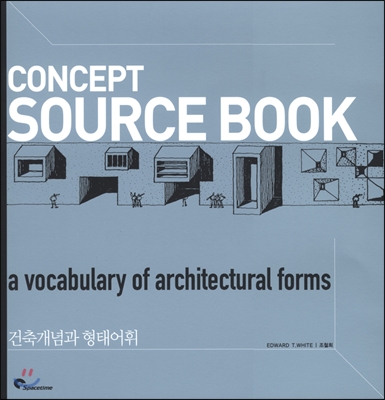 |
Description
Book Introduction
An introduction to architecture for beginning designers.
It presents the basic concepts of building form and design, the things that architects should consider when designing a building, and various alternatives for a single design requirement or situation.
Furthermore, by revealing the interrelationship between facts about the project and the building form, it will enable the general public and students entering the field of architecture to gain a general understanding of architects' considerations for building design, enable them to appropriately match the building form to the project's requirements, and effectively accumulate vocabulary related to building form and concepts for design students, serving as a catalyst for concept derivation.
It will also enhance design creativity, help you deal with complex issues efficiently, suggest a variety of alternatives depending on the situation, and help you understand the interrelationship between project facts and building form.
It presents the basic concepts of building form and design, the things that architects should consider when designing a building, and various alternatives for a single design requirement or situation.
Furthermore, by revealing the interrelationship between facts about the project and the building form, it will enable the general public and students entering the field of architecture to gain a general understanding of architects' considerations for building design, enable them to appropriately match the building form to the project's requirements, and effectively accumulate vocabulary related to building form and concepts for design students, serving as a catalyst for concept derivation.
It will also enhance design creativity, help you deal with complex issues efficiently, suggest a variety of alternatives depending on the situation, and help you understand the interrelationship between project facts and building form.
index
introduction
preface
The necessity of this book
Purpose of this book
Structure of this book
Potential problems
Theory
Definition of the concept
Relationship with the design process
Scale of concept
Context for concept formation
Formation of concepts
Hierarchy of concepts
Complementing the concept
creativity
Problems inherent in concept formation
Architectural Vocabulary
Functional Grouping and Zoning
Great need for proximity
Similarities in general roles
Relationships between departments, goals, and systems
Sequence of time
Required environment
Type of output produced
relative proximity to buildings
Relevance of core actions
Characteristics of the people involved
Number of people involved
Scope of human or machine involvement
The degree of emergency or critical situation
Relative speed in relation to action
Frequency of occurrence of the act
Duration of the act
Forecasting growth and change
Architectural Space
Formation of space
Characteristics of space
Types of scales
linear sequence
linear variability
Sophisticated space
A space without personality
The relationship between space and space
Interior/Exterior Space
division of space
Door layout, circulation route, and use area
Circular circulation as space
Multiple use of space
Handling of residual space
natural light
artificial lighting
The role of lighting
Circulation and Building Form
linear circulation route
Dot-shaped circular path
Multiple circulation routes
Basic form
Grouping of forms by characteristics
Special relationship between form and form
The relationship between space and circulation
The relationship between the cross-section and the space and circulation line
Floor plan layout that creates a unique space
Concept of entry point into the circular route
Vertical circulation line arrangement at a unique point on the floor plan
Mobile system
A transport system that passes through the building
Gaining visual emphasis
Building image on a plane
Building image from the facade
Response to Context
Properties of boundaries
topography
Surface drainage
Soil conditions
rocks and gravel
trees
water
existing building
Extension of existing building
relief device
noise
View from the ground
Vehicle traffic around the site
Existing vehicle passageways on the ground
Existing pedestrian walkways on the ground
supply facilities
Relationship between building, parking lot, and service facility
Vehicle-pedestrian transportation system
parking system
garage
Access to the building
Arrival form
Entry into the building
Subdivision of the entire land
The entire earth system
shape of the ground
Seat shape
Landscaping using trees
Landscaping with water
Contribution to the neighborhood
sunlight
Temperature and humidity
rainfall
wind
Physical Components of a Building 179 Building Envelops
Base plate and foundation
pillar
wall
Additional roles of columns and walls
paper
Additional roles of the bow
Roof shape
The concept of a wall
Floor and ceiling concept
balcony
Water and tanks
fireplace
step
stairs
Location of stairs in relation to the building
Additional roles of stairs
shaft
scuttle
The role of the skylight
Entrance door
Window shape
Windows in plan and cross section
Additional roles of windows
preface
The necessity of this book
Purpose of this book
Structure of this book
Potential problems
Theory
Definition of the concept
Relationship with the design process
Scale of concept
Context for concept formation
Formation of concepts
Hierarchy of concepts
Complementing the concept
creativity
Problems inherent in concept formation
Architectural Vocabulary
Functional Grouping and Zoning
Great need for proximity
Similarities in general roles
Relationships between departments, goals, and systems
Sequence of time
Required environment
Type of output produced
relative proximity to buildings
Relevance of core actions
Characteristics of the people involved
Number of people involved
Scope of human or machine involvement
The degree of emergency or critical situation
Relative speed in relation to action
Frequency of occurrence of the act
Duration of the act
Forecasting growth and change
Architectural Space
Formation of space
Characteristics of space
Types of scales
linear sequence
linear variability
Sophisticated space
A space without personality
The relationship between space and space
Interior/Exterior Space
division of space
Door layout, circulation route, and use area
Circular circulation as space
Multiple use of space
Handling of residual space
natural light
artificial lighting
The role of lighting
Circulation and Building Form
linear circulation route
Dot-shaped circular path
Multiple circulation routes
Basic form
Grouping of forms by characteristics
Special relationship between form and form
The relationship between space and circulation
The relationship between the cross-section and the space and circulation line
Floor plan layout that creates a unique space
Concept of entry point into the circular route
Vertical circulation line arrangement at a unique point on the floor plan
Mobile system
A transport system that passes through the building
Gaining visual emphasis
Building image on a plane
Building image from the facade
Response to Context
Properties of boundaries
topography
Surface drainage
Soil conditions
rocks and gravel
trees
water
existing building
Extension of existing building
relief device
noise
View from the ground
Vehicle traffic around the site
Existing vehicle passageways on the ground
Existing pedestrian walkways on the ground
supply facilities
Relationship between building, parking lot, and service facility
Vehicle-pedestrian transportation system
parking system
garage
Access to the building
Arrival form
Entry into the building
Subdivision of the entire land
The entire earth system
shape of the ground
Seat shape
Landscaping using trees
Landscaping with water
Contribution to the neighborhood
sunlight
Temperature and humidity
rainfall
wind
Physical Components of a Building 179 Building Envelops
Base plate and foundation
pillar
wall
Additional roles of columns and walls
paper
Additional roles of the bow
Roof shape
The concept of a wall
Floor and ceiling concept
balcony
Water and tanks
fireplace
step
stairs
Location of stairs in relation to the building
Additional roles of stairs
shaft
scuttle
The role of the skylight
Entrance door
Window shape
Windows in plan and cross section
Additional roles of windows
GOODS SPECIFICS
- Date of issue: January 27, 2014
- Page count, weight, size: 216 pages | 240*250*20mm
- ISBN13: 9788985930659
- ISBN10: 8985930656
You may also like
카테고리
korean


korean

![ELLE 엘르 스페셜 에디션 A형 : 12월 [2025]](http://librairie.coreenne.fr/cdn/shop/files/b8e27a3de6c9538896439686c6b0e8fb.jpg?v=1766436872&width=3840)


