

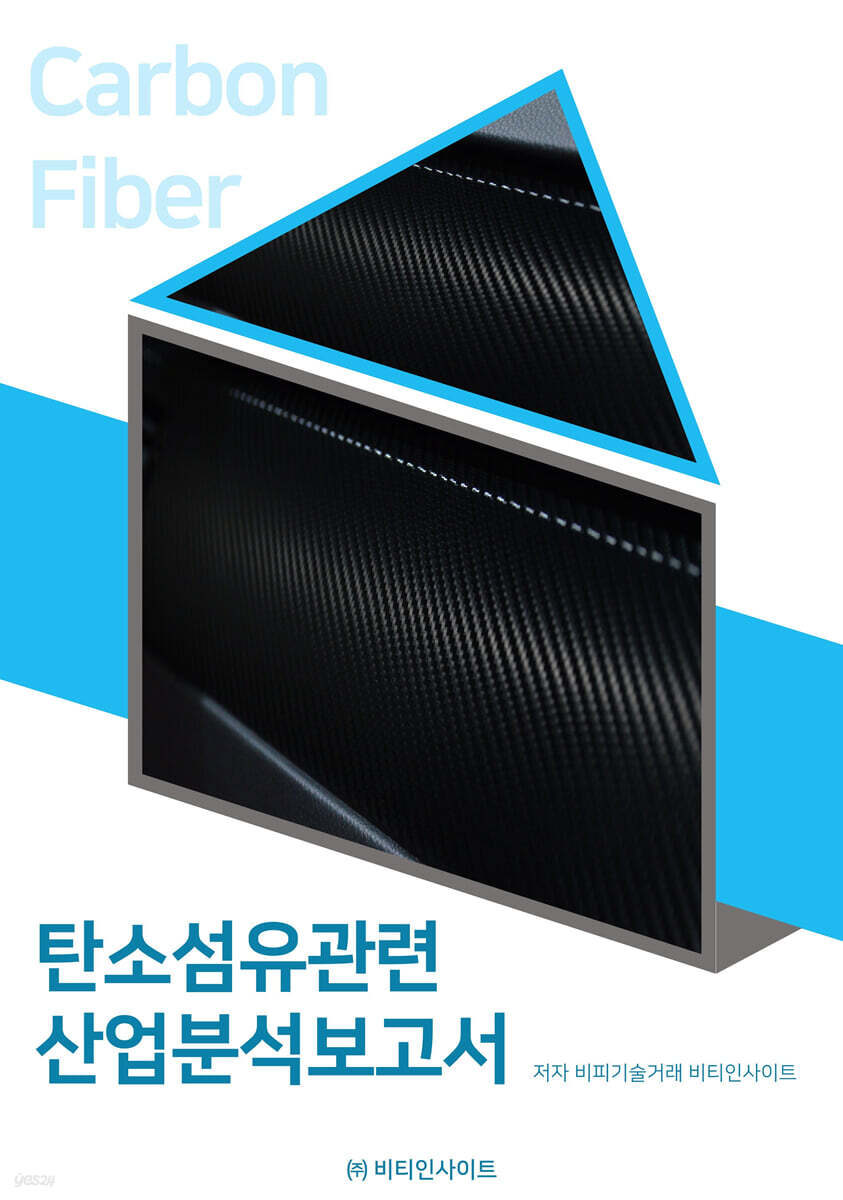
Carbon Fiber Industry Analysis Report
 |
Description
Book Introduction
Since the adoption of the Kyoto Protocol “COP3” in December 1997 to reduce greenhouse gas (green gas) emissions, the main culprit of global warming, efforts have been made to reduce carbon dioxide emissions from production, manufacturing, transportation, etc.
In particular, the application of lightweight materials for weight reduction and fuel efficiency in transportation equipment is increasing exponentially. Among them, carbon fiber composites (CFRP) are attracting attention as an important material component for applications in automobiles, aircraft, renewable energy, and high-pressure vessels, and are replacing an increasing number of existing materials.
Carbon fiber was discovered in 1969 by R.
Bacon and W.
It was first defined in the literature by A. Schlamon.
They defined that “carbon fibers are fibers heat-treated at temperatures of up to 1,000 to 1,500℃ and contain a lot of residue from the precursor, while graphite fibers are heated to over 2,500℃ and contain more than 99% carbon.”
Carbon fiber comes in a variety of products depending on performance, shape, manufacturing method, and starting material.
Carbon fiber products also vary greatly, from those produced on an industrial scale to those in the laboratory.
In addition, the fiber bundle thickness of high-performance carbon fibers was mainly small tow (or regular tow) with filament counts of 1,000 to 12,000 in the past, but recently, the importance of large tow with filament counts of 48,000 to 320,000 is increasing.
Carbon fiber has been developed as a reinforcing fiber for composite materials, so it is often classified based on its mechanical properties, especially tensile strength and tensile modulus.
In general, classification based on mechanical properties and classification based on raw materials are used together.
This 2024 revised report provides an updated analysis of overall technology market trends for the carbon fiber-related industry, including carbon composites.
In particular, the application of lightweight materials for weight reduction and fuel efficiency in transportation equipment is increasing exponentially. Among them, carbon fiber composites (CFRP) are attracting attention as an important material component for applications in automobiles, aircraft, renewable energy, and high-pressure vessels, and are replacing an increasing number of existing materials.
Carbon fiber was discovered in 1969 by R.
Bacon and W.
It was first defined in the literature by A. Schlamon.
They defined that “carbon fibers are fibers heat-treated at temperatures of up to 1,000 to 1,500℃ and contain a lot of residue from the precursor, while graphite fibers are heated to over 2,500℃ and contain more than 99% carbon.”
Carbon fiber comes in a variety of products depending on performance, shape, manufacturing method, and starting material.
Carbon fiber products also vary greatly, from those produced on an industrial scale to those in the laboratory.
In addition, the fiber bundle thickness of high-performance carbon fibers was mainly small tow (or regular tow) with filament counts of 1,000 to 12,000 in the past, but recently, the importance of large tow with filament counts of 48,000 to 320,000 is increasing.
Carbon fiber has been developed as a reinforcing fiber for composite materials, so it is often classified based on its mechanical properties, especially tensile strength and tensile modulus.
In general, classification based on mechanical properties and classification based on raw materials are used together.
This 2024 revised report provides an updated analysis of overall technology market trends for the carbon fiber-related industry, including carbon composites.
index
1.
Introduction 1
2.
Carbon fiber 2
go.
Carbon Fiber Definition 2
me.
Classification of carbon fiber 4
1) Classification by carbonization temperature 4
2) Classification by raw material of carbon fiber 4
3) Conventional Classification of Carbon Fiber 5
all.
Carbon fiber form 6
1) Continuous fiber 6
2) Staple Fibers 7
3) Fabric 7
la.
Carbon Fiber Properties 8
1) Structure of carbon fiber 8
2) Chemical composition of carbon fiber 9
3) Thermal properties 10
4) Electrical characteristics 10
mind.
Carbon Fiber Manufacturing Technology 12
1) PAN-based carbon fiber 13
2) Pitch-based carbon fiber 15
3) Rayon carbon fiber 17
4) Recent trends in carbon fiber materials 18
bar.
Carbon Fiber Market Trends 19
buy.
Carbon Fiber Policy Trends 24
1) US 24
2) Europe 24
3) Japan 25
4) China 25
5) Korea 25
3.
Carbon composites 24
go.
Definition of Composite Materials 24
me.
Types of Composite Materials 26
1) Particle-reinforced composite material 26
2) Fiber-reinforced composite materials 27
3) Polymer composite materials 28
4) Metal composite materials 29
5) Ceramic composite material 30
all.
Carbon Composite Thermoplastic Resin Manufacturing Technology 31
1) Classification of carbon composites based on resin 31
2) Thermoplastic resins by generation 34
a) 2nd generation resin 36
B) 3rd generation resin 36
3) Thermoplastic composites according to manufacturing technology 37
4.
Aircraft and Thermoplastic Composites 41
go.
Aircraft Airframes and Thermoplastic Composites 41
me.
Complex Material Application Classification 45
1) Classification by material properties 45
2) Review from the perspective of fiber matrix resin 46
3) Molding equipment side 46
4) Review from the perspective of secondary processing 47
all.
Application Case 49
1) Airbus 49
a) Current status of application of thermoplastic resin composite materials 49
b) Advantages and disadvantages of thermoplastic resin composite materials 49
D) Future direction 50
2) Boeing 51
a) Current status of application of thermoplastic resin composite materials 51
B) Future direction 52
la.
Technology Trends 53
1) Global Technology Trends 53
a) Technological development trends in carbon fiber materials 53
b) Trends in low-cost carbon fiber technology development 53
D) Trends in high-performance carbon fiber technology development 55
2) DINAMIT 59
a) Detailed research results 61
3) ALCAS (Advanced Low Cost Aircraft Structures) 78
a) Research on plastic surgery 85
B) Design and prototype production of the main wing plate 88
4) Trends in thermoplastic composite technology in companies 92
a) Toray 92
B) Hexcel (Hexcel) 92
c) Premium Aerotec 92
a) Solvay 92
Ma) Teijin (Tejin) 93
mind.
Manufacturing Technology 94
1) Current manufacturing technology 94
a) Hot forming technology 97
2) Future Manufacturing Methods 111
a) Automatic lamination technology 111
b) Automatic manufacturing technology 114
5.
Conclusion 115
6.
Reference 116
Introduction 1
2.
Carbon fiber 2
go.
Carbon Fiber Definition 2
me.
Classification of carbon fiber 4
1) Classification by carbonization temperature 4
2) Classification by raw material of carbon fiber 4
3) Conventional Classification of Carbon Fiber 5
all.
Carbon fiber form 6
1) Continuous fiber 6
2) Staple Fibers 7
3) Fabric 7
la.
Carbon Fiber Properties 8
1) Structure of carbon fiber 8
2) Chemical composition of carbon fiber 9
3) Thermal properties 10
4) Electrical characteristics 10
mind.
Carbon Fiber Manufacturing Technology 12
1) PAN-based carbon fiber 13
2) Pitch-based carbon fiber 15
3) Rayon carbon fiber 17
4) Recent trends in carbon fiber materials 18
bar.
Carbon Fiber Market Trends 19
buy.
Carbon Fiber Policy Trends 24
1) US 24
2) Europe 24
3) Japan 25
4) China 25
5) Korea 25
3.
Carbon composites 24
go.
Definition of Composite Materials 24
me.
Types of Composite Materials 26
1) Particle-reinforced composite material 26
2) Fiber-reinforced composite materials 27
3) Polymer composite materials 28
4) Metal composite materials 29
5) Ceramic composite material 30
all.
Carbon Composite Thermoplastic Resin Manufacturing Technology 31
1) Classification of carbon composites based on resin 31
2) Thermoplastic resins by generation 34
a) 2nd generation resin 36
B) 3rd generation resin 36
3) Thermoplastic composites according to manufacturing technology 37
4.
Aircraft and Thermoplastic Composites 41
go.
Aircraft Airframes and Thermoplastic Composites 41
me.
Complex Material Application Classification 45
1) Classification by material properties 45
2) Review from the perspective of fiber matrix resin 46
3) Molding equipment side 46
4) Review from the perspective of secondary processing 47
all.
Application Case 49
1) Airbus 49
a) Current status of application of thermoplastic resin composite materials 49
b) Advantages and disadvantages of thermoplastic resin composite materials 49
D) Future direction 50
2) Boeing 51
a) Current status of application of thermoplastic resin composite materials 51
B) Future direction 52
la.
Technology Trends 53
1) Global Technology Trends 53
a) Technological development trends in carbon fiber materials 53
b) Trends in low-cost carbon fiber technology development 53
D) Trends in high-performance carbon fiber technology development 55
2) DINAMIT 59
a) Detailed research results 61
3) ALCAS (Advanced Low Cost Aircraft Structures) 78
a) Research on plastic surgery 85
B) Design and prototype production of the main wing plate 88
4) Trends in thermoplastic composite technology in companies 92
a) Toray 92
B) Hexcel (Hexcel) 92
c) Premium Aerotec 92
a) Solvay 92
Ma) Teijin (Tejin) 93
mind.
Manufacturing Technology 94
1) Current manufacturing technology 94
a) Hot forming technology 97
2) Future Manufacturing Methods 111
a) Automatic lamination technology 111
b) Automatic manufacturing technology 114
5.
Conclusion 115
6.
Reference 116
GOODS SPECIFICS
- Date of issue: August 11, 2025
- Page count, weight, size: 120 pages | 210*296*20mm
- ISBN13: 9791199404939
- ISBN10: 1199404934
You may also like
카테고리
korean


korean

![GQ KOREA Mark (Monthly): December [2025]](http://librairie.coreenne.fr/cdn/shop/files/8ef265dbbfbf186523ed75ba7319009d.jpg?v=1765340328&width=3840)


