

Jewel in the Crown
 |
Description
Book Introduction
It contains the story of the British East India Company, which took over India from the Mughal Empire through fierce competition, and the process through which Indians achieved independence under its rule.
In the process, it shows in detail the tyranny of the East India Company employees, the Sepoy Mutiny, the Muslim League, and Calcutta, which became a bridgehead for the British, as well as the lives of the British.
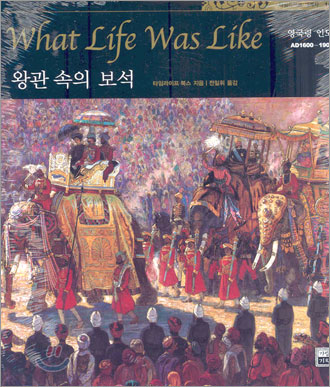
The brightly colored aquatints and watercolors in this book capture the grandeur of Indian architecture and the wondrous landscapes of the subcontinent.
Official portraits painted in oils also offer a glimpse into how the British viewed themselves and the environment around them, while sketches and hand-colored engravings vividly capture everyday life in towns and villages.
In the process, it shows in detail the tyranny of the East India Company employees, the Sepoy Mutiny, the Muslim League, and Calcutta, which became a bridgehead for the British, as well as the lives of the British.
The brightly colored aquatints and watercolors in this book capture the grandeur of Indian architecture and the wondrous landscapes of the subcontinent.
Official portraits painted in oils also offer a glimpse into how the British viewed themselves and the environment around them, while sketches and hand-colored engravings vividly capture everyday life in towns and villages.
index
_Owning the Most Beautiful Jewel - An Overview and Chronology of British India
1.
Arrive at the Indian coast
2.
Life in the Indian subcontinent
3.
Domination and Resistance
ESSAY 1.
The glory of the Mughal Empire
ESSAY 2.
Creation of the British Indian Army
ESSAY 3.
In search of India's mysteries
ESSAY 4.
Move Britain to India
1.
Arrive at the Indian coast
2.
Life in the Indian subcontinent
3.
Domination and Resistance
ESSAY 1.
The glory of the Mughal Empire
ESSAY 2.
Creation of the British Indian Army
ESSAY 3.
In search of India's mysteries
ESSAY 4.
Move Britain to India
Publisher's Review
Delhi has been the seat of Indian rulers for generations since ancient times, and from the 17th century onwards it was called Shahjahanabad, or 'Crown of the Mughal Empire'.
Delhi, surrounded by massive walls with seven gates, contained the tombs of great emperors and magnificent minarets.
But what dwarfed them all was the magnificent Red Fort, a symbol of the grandeur of the Mughal Empire.
Within the fortress were water channels and gardens, a mosque and harem, a golden tower where the emperor received his subjects, and the legendary throne room of the emperor called Diwan-i-Khas.
The walls of the audience room were made of white marble, the ceiling was decorated with silver, and its floor was divided by channels that sparkled in the sunlight.
And once there stood the Peacock Throne, adorned with pearls, emeralds, and thousands of sapphires.
Around the eaves of the building was engraved in gold letters the following famous phrase:
“If there is paradise on earth, it is here.”
Sir Thomas Law steeled himself for his mission as the small boat carrying him pulled away from the mother ship and approached the shore.
Sir Law was sent by James I to negotiate a treaty with the Mughal Emperor allowing free trade, and he knew that the task would not be easy.
Many have come before him, but none have ever completed the mission.
But Lord Lo had a plan.
When Sir Law arrived on the coast, he sent one of his men ahead to inform the Indian officials that they must rise from their seats to receive King James's envoy.
The Indian officials accepted Sir Law's request, and Sir Law slowly entered the tent where they were waiting.
Then, Indian officials informed the delegation that they would have to undergo a body search.
In the case of some previous missions, there had been instances of 'pocket searches', and Law knew that his predecessors had yielded to such demands.
However, Lord Law, who was a special envoy of the British Crown, refused such humiliating treatment and returned to the mother ship from which he had come.
As a result, Sir Roh's calculated demand that the British envoy pay homage to him earned the respect of the Indian negotiators.
A compromise was soon reached, and the delegation agreed to allow the hug.
Whether the hug was a welcoming gesture or a means of detecting the smuggling of prohibited items was left to individual interpretation.
By sticking to his principles, Lord Lowe was able to achieve success, and from that, England was able to reap the fruits of centuries.
It focuses on the daily lives of British people living in India from 1600, when Queen Elizabeth I granted British merchants a charter granting them exclusive trade rights with the 'India Empire', to the reign of Governor Curzon, who ran the world's largest colony on behalf of Empress Victoria.
Delhi, surrounded by massive walls with seven gates, contained the tombs of great emperors and magnificent minarets.
But what dwarfed them all was the magnificent Red Fort, a symbol of the grandeur of the Mughal Empire.
Within the fortress were water channels and gardens, a mosque and harem, a golden tower where the emperor received his subjects, and the legendary throne room of the emperor called Diwan-i-Khas.
The walls of the audience room were made of white marble, the ceiling was decorated with silver, and its floor was divided by channels that sparkled in the sunlight.
And once there stood the Peacock Throne, adorned with pearls, emeralds, and thousands of sapphires.
Around the eaves of the building was engraved in gold letters the following famous phrase:
“If there is paradise on earth, it is here.”
Sir Thomas Law steeled himself for his mission as the small boat carrying him pulled away from the mother ship and approached the shore.
Sir Law was sent by James I to negotiate a treaty with the Mughal Emperor allowing free trade, and he knew that the task would not be easy.
Many have come before him, but none have ever completed the mission.
But Lord Lo had a plan.
When Sir Law arrived on the coast, he sent one of his men ahead to inform the Indian officials that they must rise from their seats to receive King James's envoy.
The Indian officials accepted Sir Law's request, and Sir Law slowly entered the tent where they were waiting.
Then, Indian officials informed the delegation that they would have to undergo a body search.
In the case of some previous missions, there had been instances of 'pocket searches', and Law knew that his predecessors had yielded to such demands.
However, Lord Law, who was a special envoy of the British Crown, refused such humiliating treatment and returned to the mother ship from which he had come.
As a result, Sir Roh's calculated demand that the British envoy pay homage to him earned the respect of the Indian negotiators.
A compromise was soon reached, and the delegation agreed to allow the hug.
Whether the hug was a welcoming gesture or a means of detecting the smuggling of prohibited items was left to individual interpretation.
By sticking to his principles, Lord Lowe was able to achieve success, and from that, England was able to reap the fruits of centuries.
It focuses on the daily lives of British people living in India from 1600, when Queen Elizabeth I granted British merchants a charter granting them exclusive trade rights with the 'India Empire', to the reign of Governor Curzon, who ran the world's largest colony on behalf of Empress Victoria.
GOODS SPECIFICS
- Date of issue: April 20, 2005
- Format: Hardcover book binding method guide
- Page count, weight, size: 227 pages | 1,055g | 222*250*20mm
- ISBN13: 9788984351868
- ISBN10: 8984351865
You may also like
카테고리
korean


korean

![GQ KOREA Mark (Monthly): December [2025]](http://librairie.coreenne.fr/cdn/shop/files/8ef265dbbfbf186523ed75ba7319009d.jpg?v=1765340328&width=3840)


