

God with humans
 |
Description
Book Introduction
Reading Unfamiliarly Series, Volume 2
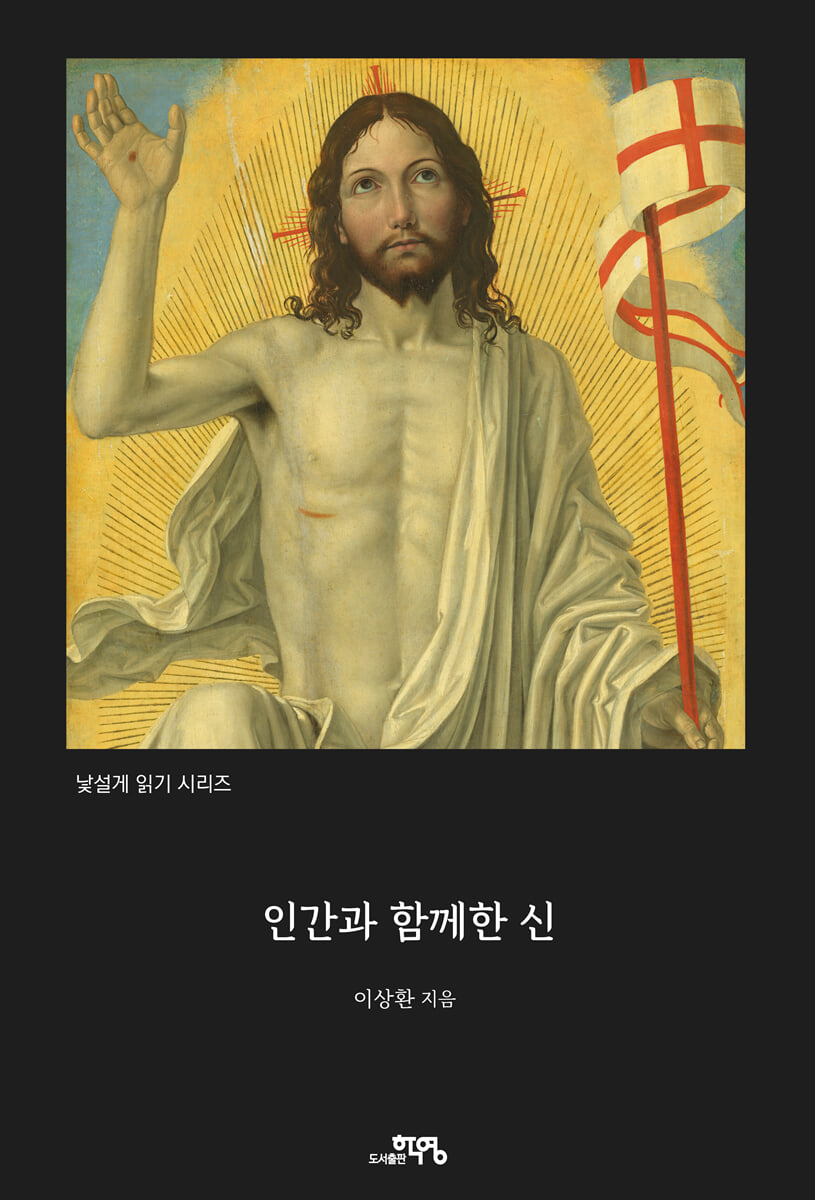
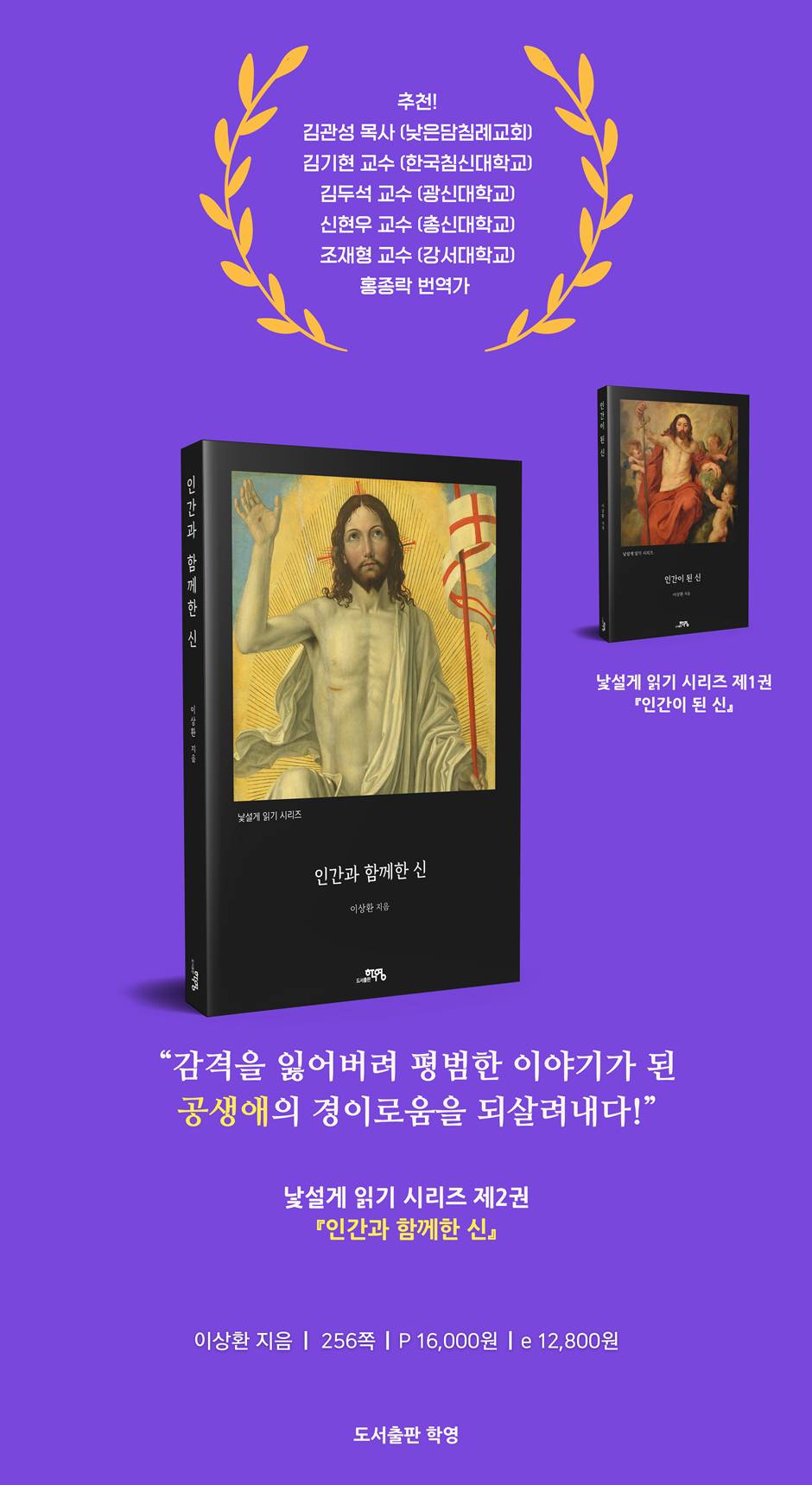
"God with Humans: Reading Jesus' Public Life Through Mythical Imagination" is a book that breathes new life into the overly familiar biblical text.
Professor Lee Sang-hwan, the author, presents the life and ministry of Jesus from a completely different perspective through the backdrop of ancient Greco-Roman mythology.
While the gods of mythology only imitated human form, Jesus became a real human being and fully experienced suffering and vulnerability.
It is this very difference that gives rise to the shock and emotion of the gospel.
The author exquisitely weaves together academic depth and literary imagination to guide readers beyond the framework of doctrine and into a new encounter with Jesus.
"God with Humans" is not a simple theological commentary, but a spiritual journey that allows us to experience the gospel becoming clearer through unfamiliarity.
I confidently recommend this book to those who want to read the Bible anew and experience the wonder of the gospel again.
"God with Humans: Reading Jesus' Public Life Through Mythical Imagination" is a book that breathes new life into the overly familiar biblical text.
Professor Lee Sang-hwan, the author, presents the life and ministry of Jesus from a completely different perspective through the backdrop of ancient Greco-Roman mythology.
While the gods of mythology only imitated human form, Jesus became a real human being and fully experienced suffering and vulnerability.
It is this very difference that gives rise to the shock and emotion of the gospel.
The author exquisitely weaves together academic depth and literary imagination to guide readers beyond the framework of doctrine and into a new encounter with Jesus.
"God with Humans" is not a simple theological commentary, but a spiritual journey that allows us to experience the gospel becoming clearer through unfamiliarity.
I confidently recommend this book to those who want to read the Bible anew and experience the wonder of the gospel again.
Detailed image
Into the book
Let's stop our fast pace for a moment and look around slowly.
There may be an unfamiliar story hidden in a familiar landscape.
Let's take Bacchus, the drink we seek out to relieve fatigue, as an example.
The drink's name comes from Bacchus, the Roman name for Dionysus, the Greek god of wine and mirth.
If we have ever had a taste of Bacchus and felt a lift in our spirits, we are already indebted to the mythical imagination.
Do you happen to have a pair of Nike sneakers tucked away somewhere in your shoe rack? If so, you've once again been helped by mythology.
Nike is named after Nike, the Greek goddess of victory.
We learned the virtue of honesty through the story of the woodcutter who lost his axe in a mountain pond and the mountain spirit.
But if you look closely, this story also originated from a myth.
The original is an Aesop's Fable based on the ancient Greek myth of Hermes.
In this way, our daily lives are filled with traces of mythical imagination.
We live without being aware of it, but its traces still remain with us, drawing the trajectory of our memories.
Moreover, myths help us, consciously or unconsciously, to enjoy the small joys of life.
Myths are not the past locked in a glass case in a museum.
Rather, it is a familiar yet unfamiliar friend who is still breathing quietly in a corner of our lives.
--- pp.20-21
In the ancient Greco-Roman world, the declaration to "eat the flesh and drink the blood of Jesus" meant more than simply a promise of eternal life. It signified a journey of transformation in the entire being of those who received the heavenly nourishment. This transformation was not merely symbolic or metaphorical.
It meant a real and existential transformation, a transformation that would change the entire direction of one's life.
Why was this so? As we've seen, those who consumed nectar and ambrosia not only lived longer, but were also granted divine powers and attributes.
That food changed my existence.
For the early Christians who lived in this world, eating Jesus' flesh and blood was not just a promise of eternal life.
It was the beginning of a present change in his character.
The food that came down from heaven was not just food for the beyond, but nutrients that made today new.
So they believed.
When they receive the bread and cup of the Eucharist, they are not only remembering Jesus, but also becoming like Him.
Every time they chew His flesh and drink His blood, the heavenly nature becomes their flesh and blood.
Yes, that's right.
The food of heaven was the food that changed the direction of existence.
In fact, the New Testament never reduces this relationship of 'intake and transformation' to mere symbolic language.
Rather, it is proclaimed as a tangible and living change, a transformation of being that is concretely revealed in the daily life of the saints.
--- pp.97-98
The ancient Greeks believed that a complete world existed underground.
The world is divided into two layers, one is Hades and the other is Tartarus.
Hades was the place where the souls of mortals were imprisoned after death.
In this dark court, the spirits of the dead who once lived lingered, hazy like fog.
On the other hand, Tartarus was a place where rebel gods and demigods who committed heinous crimes were imprisoned.
This was also the edge of an abyss where the weight of sin penetrated time and space.
It was believed that beings who entered these two realms could never emerge again, except in extremely rare cases.
That is why the ancients often compared Hades and Tartarus to a 'prison'.
--- p.140
First, let us note the declaration that Jesus went to “prison” (Peter 3:18-19).
Hearing these words, audiences in the Greco-Roman world would have immediately thought of two places.
Hades and Tartarus.
As we have seen, Tartarus was a prison where rebellious gods and demigods were thrown.
And Hades was another prison where the souls of mortals were imprisoned.
But as time passed, the boundary that divided the two worlds gradually blurred, and eventually they merged into one place.
Therefore, the ancient audience would have understood the “prison” spoken of in 1 Peter to be the lowest and deepest place in the universe, the deepest and darkest prison in the universe where no light can penetrate and no comfort can reach.
And Jesus went down to that prison.
As we will see shortly, Jesus' descent—the event of the Highest One descending to the lowest—was not a simple fall but a divine reversal.
--- pp.143-144
We have so far examined the mystery of the blood of the gods that has been handed down from the Greco-Roman era.
For ancient people, blood was not just a symbol of life.
The blood of the gods was a mystical medium that shook the fabric of the universe, gave birth to new beings, and sometimes disrupted the order of death.
It was creation after destruction.
Let us assume that an ancient Greco-Roman audience, steeped in this tradition, heard the Christian proclamation that “God the Son shed his blood.”
Did they truly understand the blood as merely a trace or symbol of death? Rather, in their mythological imagination, it likely echoed "the blood that conceives new life."
Here we must ask:
So, what exactly did the blood of Jesus Christ create? What life did that blood conceive? And who is the "new being" born from that blood? We need to delve deeply into the New Testament with these questions in mind.
There may be an unfamiliar story hidden in a familiar landscape.
Let's take Bacchus, the drink we seek out to relieve fatigue, as an example.
The drink's name comes from Bacchus, the Roman name for Dionysus, the Greek god of wine and mirth.
If we have ever had a taste of Bacchus and felt a lift in our spirits, we are already indebted to the mythical imagination.
Do you happen to have a pair of Nike sneakers tucked away somewhere in your shoe rack? If so, you've once again been helped by mythology.
Nike is named after Nike, the Greek goddess of victory.
We learned the virtue of honesty through the story of the woodcutter who lost his axe in a mountain pond and the mountain spirit.
But if you look closely, this story also originated from a myth.
The original is an Aesop's Fable based on the ancient Greek myth of Hermes.
In this way, our daily lives are filled with traces of mythical imagination.
We live without being aware of it, but its traces still remain with us, drawing the trajectory of our memories.
Moreover, myths help us, consciously or unconsciously, to enjoy the small joys of life.
Myths are not the past locked in a glass case in a museum.
Rather, it is a familiar yet unfamiliar friend who is still breathing quietly in a corner of our lives.
--- pp.20-21
In the ancient Greco-Roman world, the declaration to "eat the flesh and drink the blood of Jesus" meant more than simply a promise of eternal life. It signified a journey of transformation in the entire being of those who received the heavenly nourishment. This transformation was not merely symbolic or metaphorical.
It meant a real and existential transformation, a transformation that would change the entire direction of one's life.
Why was this so? As we've seen, those who consumed nectar and ambrosia not only lived longer, but were also granted divine powers and attributes.
That food changed my existence.
For the early Christians who lived in this world, eating Jesus' flesh and blood was not just a promise of eternal life.
It was the beginning of a present change in his character.
The food that came down from heaven was not just food for the beyond, but nutrients that made today new.
So they believed.
When they receive the bread and cup of the Eucharist, they are not only remembering Jesus, but also becoming like Him.
Every time they chew His flesh and drink His blood, the heavenly nature becomes their flesh and blood.
Yes, that's right.
The food of heaven was the food that changed the direction of existence.
In fact, the New Testament never reduces this relationship of 'intake and transformation' to mere symbolic language.
Rather, it is proclaimed as a tangible and living change, a transformation of being that is concretely revealed in the daily life of the saints.
--- pp.97-98
The ancient Greeks believed that a complete world existed underground.
The world is divided into two layers, one is Hades and the other is Tartarus.
Hades was the place where the souls of mortals were imprisoned after death.
In this dark court, the spirits of the dead who once lived lingered, hazy like fog.
On the other hand, Tartarus was a place where rebel gods and demigods who committed heinous crimes were imprisoned.
This was also the edge of an abyss where the weight of sin penetrated time and space.
It was believed that beings who entered these two realms could never emerge again, except in extremely rare cases.
That is why the ancients often compared Hades and Tartarus to a 'prison'.
--- p.140
First, let us note the declaration that Jesus went to “prison” (Peter 3:18-19).
Hearing these words, audiences in the Greco-Roman world would have immediately thought of two places.
Hades and Tartarus.
As we have seen, Tartarus was a prison where rebellious gods and demigods were thrown.
And Hades was another prison where the souls of mortals were imprisoned.
But as time passed, the boundary that divided the two worlds gradually blurred, and eventually they merged into one place.
Therefore, the ancient audience would have understood the “prison” spoken of in 1 Peter to be the lowest and deepest place in the universe, the deepest and darkest prison in the universe where no light can penetrate and no comfort can reach.
And Jesus went down to that prison.
As we will see shortly, Jesus' descent—the event of the Highest One descending to the lowest—was not a simple fall but a divine reversal.
--- pp.143-144
We have so far examined the mystery of the blood of the gods that has been handed down from the Greco-Roman era.
For ancient people, blood was not just a symbol of life.
The blood of the gods was a mystical medium that shook the fabric of the universe, gave birth to new beings, and sometimes disrupted the order of death.
It was creation after destruction.
Let us assume that an ancient Greco-Roman audience, steeped in this tradition, heard the Christian proclamation that “God the Son shed his blood.”
Did they truly understand the blood as merely a trace or symbol of death? Rather, in their mythological imagination, it likely echoed "the blood that conceives new life."
Here we must ask:
So, what exactly did the blood of Jesus Christ create? What life did that blood conceive? And who is the "new being" born from that blood? We need to delve deeply into the New Testament with these questions in mind.
--- p.205
Publisher's Review
[Readers who need this book]
- A preacher who finds new inspiration in his sermon preparation every week.
- Believers who want to break free from the confines of doctrine and gain a deeper understanding
- Those who want to read the Bible anew in the context of ancient culture and literary imagination.
- A preacher who finds new inspiration in his sermon preparation every week.
- Believers who want to break free from the confines of doctrine and gain a deeper understanding
- Those who want to read the Bible anew in the context of ancient culture and literary imagination.
GOODS SPECIFICS
- Date of issue: September 24, 2025
- Page count, weight, size: 256 pages | 140*206*20mm
- ISBN13: 9791193931134
- ISBN10: 1193931134
You may also like
카테고리
korean


korean

![ELLE 엘르 스페셜 에디션 A형 : 12월 [2025]](http://librairie.coreenne.fr/cdn/shop/files/b8e27a3de6c9538896439686c6b0e8fb.jpg?v=1766436872&width=3840)


