

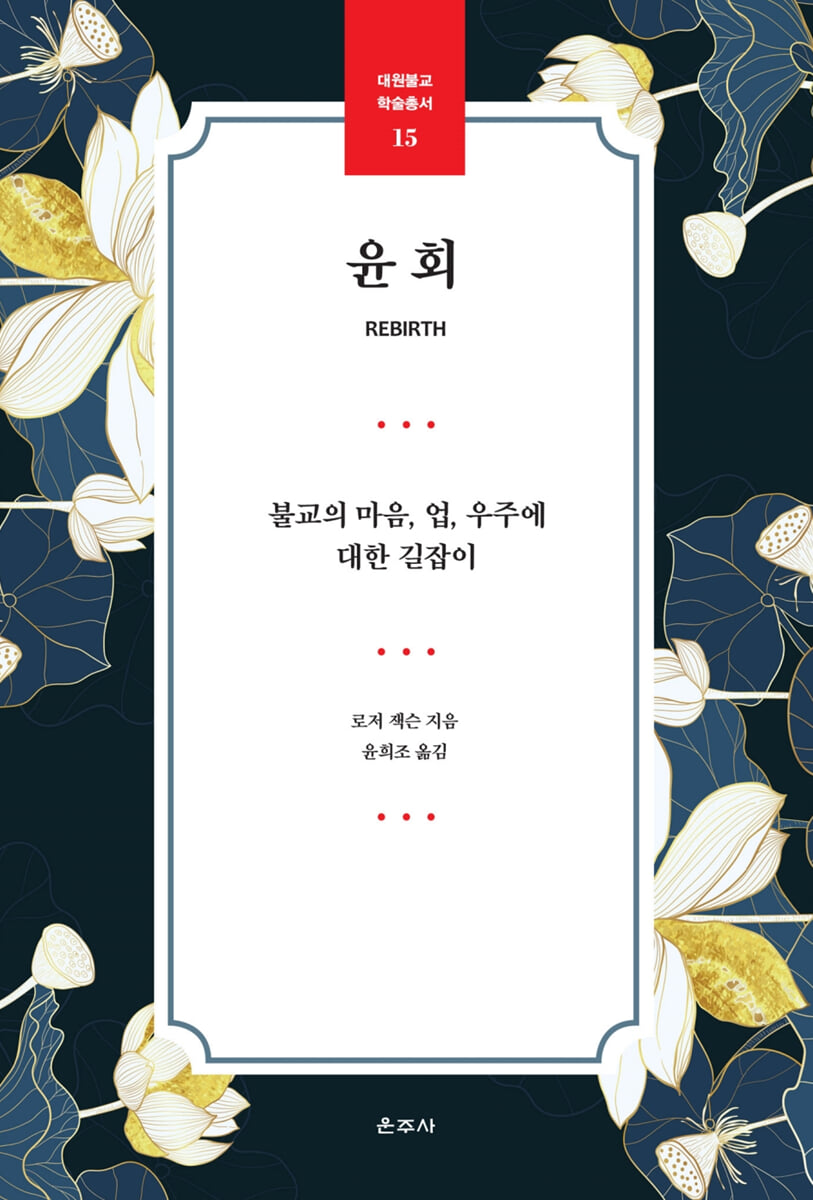
transmigration
 |
Description
Book Introduction
The ultimate goal of Buddhists is liberation from the cycle of reincarnation.
Of course, in Buddhism, 'reincarnation' is an absolute premise, the truth itself.
Therefore, ‘reincarnation’ cannot help but be one of the most important concepts supporting Buddhism.
But now this view is bound to be limited to traditional Buddhists.
It is difficult to convince modern people who are caught up in a scientific and rational worldview, and some modern Buddhists even deny reincarnation itself.
For example, scholars like Richard Hayes go so far as to say that the first teaching to be abandoned in Buddhism is “the doctrine of karma and reincarnation, which dulls the mind and impairs and obstructs its logical functions.”
So, can one still be a Buddhist without believing in reincarnation? Has reincarnation now become a prerequisite for Buddhism? This book is the first comprehensive guide to reincarnation in Buddhism, and the first theoretical work to place the Buddhist teaching on reincarnation in a historical context.
Of course, in Buddhism, 'reincarnation' is an absolute premise, the truth itself.
Therefore, ‘reincarnation’ cannot help but be one of the most important concepts supporting Buddhism.
But now this view is bound to be limited to traditional Buddhists.
It is difficult to convince modern people who are caught up in a scientific and rational worldview, and some modern Buddhists even deny reincarnation itself.
For example, scholars like Richard Hayes go so far as to say that the first teaching to be abandoned in Buddhism is “the doctrine of karma and reincarnation, which dulls the mind and impairs and obstructs its logical functions.”
So, can one still be a Buddhist without believing in reincarnation? Has reincarnation now become a prerequisite for Buddhism? This book is the first comprehensive guide to reincarnation in Buddhism, and the first theoretical work to place the Buddhist teaching on reincarnation in a historical context.
- You can preview some of the book's contents.
Preview
index
Preface · 5
Praise for this book · 7
Introduction · 9
Abbreviation · 19
Chapter 1: Introduction: Reincarnation in World Cultures 21
1.
Types of Reincarnation Eschatology · 23
2.
The Reincarnation of Small-Scale Societies · 25
3.
Reincarnation in European and Middle Eastern Societies · 29
Chapter 2: Pre-Buddhist India's View of Reincarnation 37
1.
Eschatology in Early South Asian Civilizations · 38
2.
A New Cosmology: The Upanishads · 42
3.
The Samun Tradition · 47
Chapter 3: Buddha's View of Reincarnation 57
1.
The Buddha's Reincarnation from a First-Person Perspective · 59
2.
The Importance of Reincarnation in Buddha's Cosmology · 68
3.
Three Academic Objections · 76
Chapter 4: Where Reincarnation Occurs: Buddhist Cosmic Journey 83
1.
Hell · 85
2.
Animal World · 87
3.
The Demon Realm · 89
4.
Asura Realm · 91
5.
Human World · 93
6.
Reincarnation as a Woman · 96
7.
Heaven · 103
Chapter 5: How Reincarnation Occurs: The Twelve Links of Dependent Origination, Death, and Rebirth 109
1.
12th Link · 110
2.
Other Causes and Conditions · 117
3.
Details on Death and Reincarnation · 119
Chapter 6: Why Reincarnation Occurs: The Mysterious Mechanism of Karma 127
1.
Karma from the Pali Sutras · 129
2.
Karma in the Abhidhamma and its commentaries · 133
Chapter 7 Popular Traditions 145
1.
Buddhist Visual Art, the Wheel of Life, and the Story of Karma · 147
2.
Academic Theory and Popular Practice · 153
Chapter 8: The View of Reincarnation in Indian Mahayana Buddhism 159
1.
The Origins of Mahayana Buddhism · 159
2.
Unique Arguments of Mahayana Buddhism · 163
3.
Karma and Reincarnation in the Wisdom Tradition of Mahayana Buddhism · 172
4.
The Implications of Mahayana Wisdom on Karma and Reincarnation · 184
Chapter 9: The View of Reincarnation in Indian Esoteric Buddhism 191
1.
The Origin and Nature of Esoteric Buddhism · 192
2.
The Metaphysics of Esoteric Buddhism · 194
3.
Esoteric Buddhist Practice · 197
4.
Women in Mahayana Buddhism and Esoteric Buddhism · 203
Chapter 10: Is Reincarnation Real? The Indian Buddhist Debate 213
1.
Empirical, Pragmatic, Moral, and Allegorical Arguments · 214
2.
Rational Argument: Water, Law, and the Righteous · 223
3.
Reincarnation Without Self · 232
Chapter 11: The Spread of Buddhism and Theravada Buddhism's View of Reincarnation 243
1.
The Expansion of Buddhism Outside India · 244
2.
Example from Sri Lanka · 249
3.
Women in Theravada countries · 257
4.
Regional Expansion · 258
Chapter 12: East Asia's View of Reincarnation 261
1.
The Introduction of Buddhism into China · 262
2.
Death Rituals and the Afterlife · 267
3.
Subsequent Debates and Pure Land and Zen · 271
4.
The Status of Women · 276
5.
Regional Expansion · 278
Chapter 13: The Reincarnation of Inland Asia 281
1.
The Development of Tibetan Buddhism · 282
2.
Cosmology in Tibetan Buddhism · 285
3.
Tibetan Meditations on Reincarnation and Reincarnating Beings · 288
4.
Tibetan Techniques Surrounding Death and Reincarnation · 293
5.
The Returners: The Tulku and the Returnees · 297
6.
Great Achievements and Great Persons · 301
7.
Reincarnation as a Woman in Tibet · 305
8.
Regional Expansion · 307
Chapter 14: Reincarnation and Modern Buddhism 311
1.
Buddhism and Modernity · 312
2.
The Perspective on Reincarnation in Modern Buddhism: 1800–1945 · 315
3.
Perspectives on Reincarnation in Modern Buddhism: 1945–2020 · 320
Chapter 15: Contemporary Debates and Future Prospects 333
1.
Recent Analysis · 333
2.
The Bachelor and Thurman Debate, 1997 · 345
3.
Final Thoughts · 350
References · 361
Search · 381
Translator's Note · 403
Praise for this book · 7
Introduction · 9
Abbreviation · 19
Chapter 1: Introduction: Reincarnation in World Cultures 21
1.
Types of Reincarnation Eschatology · 23
2.
The Reincarnation of Small-Scale Societies · 25
3.
Reincarnation in European and Middle Eastern Societies · 29
Chapter 2: Pre-Buddhist India's View of Reincarnation 37
1.
Eschatology in Early South Asian Civilizations · 38
2.
A New Cosmology: The Upanishads · 42
3.
The Samun Tradition · 47
Chapter 3: Buddha's View of Reincarnation 57
1.
The Buddha's Reincarnation from a First-Person Perspective · 59
2.
The Importance of Reincarnation in Buddha's Cosmology · 68
3.
Three Academic Objections · 76
Chapter 4: Where Reincarnation Occurs: Buddhist Cosmic Journey 83
1.
Hell · 85
2.
Animal World · 87
3.
The Demon Realm · 89
4.
Asura Realm · 91
5.
Human World · 93
6.
Reincarnation as a Woman · 96
7.
Heaven · 103
Chapter 5: How Reincarnation Occurs: The Twelve Links of Dependent Origination, Death, and Rebirth 109
1.
12th Link · 110
2.
Other Causes and Conditions · 117
3.
Details on Death and Reincarnation · 119
Chapter 6: Why Reincarnation Occurs: The Mysterious Mechanism of Karma 127
1.
Karma from the Pali Sutras · 129
2.
Karma in the Abhidhamma and its commentaries · 133
Chapter 7 Popular Traditions 145
1.
Buddhist Visual Art, the Wheel of Life, and the Story of Karma · 147
2.
Academic Theory and Popular Practice · 153
Chapter 8: The View of Reincarnation in Indian Mahayana Buddhism 159
1.
The Origins of Mahayana Buddhism · 159
2.
Unique Arguments of Mahayana Buddhism · 163
3.
Karma and Reincarnation in the Wisdom Tradition of Mahayana Buddhism · 172
4.
The Implications of Mahayana Wisdom on Karma and Reincarnation · 184
Chapter 9: The View of Reincarnation in Indian Esoteric Buddhism 191
1.
The Origin and Nature of Esoteric Buddhism · 192
2.
The Metaphysics of Esoteric Buddhism · 194
3.
Esoteric Buddhist Practice · 197
4.
Women in Mahayana Buddhism and Esoteric Buddhism · 203
Chapter 10: Is Reincarnation Real? The Indian Buddhist Debate 213
1.
Empirical, Pragmatic, Moral, and Allegorical Arguments · 214
2.
Rational Argument: Water, Law, and the Righteous · 223
3.
Reincarnation Without Self · 232
Chapter 11: The Spread of Buddhism and Theravada Buddhism's View of Reincarnation 243
1.
The Expansion of Buddhism Outside India · 244
2.
Example from Sri Lanka · 249
3.
Women in Theravada countries · 257
4.
Regional Expansion · 258
Chapter 12: East Asia's View of Reincarnation 261
1.
The Introduction of Buddhism into China · 262
2.
Death Rituals and the Afterlife · 267
3.
Subsequent Debates and Pure Land and Zen · 271
4.
The Status of Women · 276
5.
Regional Expansion · 278
Chapter 13: The Reincarnation of Inland Asia 281
1.
The Development of Tibetan Buddhism · 282
2.
Cosmology in Tibetan Buddhism · 285
3.
Tibetan Meditations on Reincarnation and Reincarnating Beings · 288
4.
Tibetan Techniques Surrounding Death and Reincarnation · 293
5.
The Returners: The Tulku and the Returnees · 297
6.
Great Achievements and Great Persons · 301
7.
Reincarnation as a Woman in Tibet · 305
8.
Regional Expansion · 307
Chapter 14: Reincarnation and Modern Buddhism 311
1.
Buddhism and Modernity · 312
2.
The Perspective on Reincarnation in Modern Buddhism: 1800–1945 · 315
3.
Perspectives on Reincarnation in Modern Buddhism: 1945–2020 · 320
Chapter 15: Contemporary Debates and Future Prospects 333
1.
Recent Analysis · 333
2.
The Bachelor and Thurman Debate, 1997 · 345
3.
Final Thoughts · 350
References · 361
Search · 381
Translator's Note · 403
Publisher's Review
1.
Reincarnation has been a popular topic of interest in cultures around the world for centuries.
The idea that we, whether human or otherwise, have lived before and can be reborn still fascinates us, and has recently become very popular in our country through novels, movies, and dramas.
Among these, Buddhism is one of the best-known religious traditions that advocates reincarnation, yet ironically, the history and scope of the Buddhist approach to reincarnation has not been comprehensively addressed until now.
Is it because reincarnation is accepted as an undeniable truth?
Ultimately, this book can be seen as the first guide to reincarnation in Buddhism, that is, the ideas, theories, and practices surrounding reincarnation, and deals with the Buddha's teachings on reincarnation in a historical context.
This book explains what Buddhists actually believe about reincarnation, examines practices related to reincarnation in various Buddhist cultures, and examines the various Buddhist views on what happens after death.
It also covers interpretations of reincarnation in the context of modern Buddhism and recent attempts to scientifically elucidate the documentary evidence on reincarnation.
2.
Reincarnation is not exclusive to Buddhism.
The cycle of reincarnation is already evident in many human cultures, and this book begins with a reflection on this, examining the view of reincarnation in pre-Buddhist India before narrowing its focus to Buddhism.
After examining the Buddha's view of reincarnation, we examine the changes and core of the view of reincarnation according to historical trends and regional divisions.
The main contents of this book are as follows:
Chapter 1 discusses the place of reincarnation in various world cultures, from African to Polynesian and American Indian, and from Greek to other Western traditions.
Chapter 2 explains the background of the early South Asian doctrine of reincarnation that may have been prevalent during the Buddha's time, and Chapter 3 discusses what can be called the Buddha's claims about reincarnation, and then examines opposing views.
Chapter 4 elaborates on the early Buddhist concept of reincarnation, and Chapter 5 explores the causal processes of our mental and material realms.
Chapter 6 analyzes reincarnation, or the reason for rebirth, in relation to karma, and Chapter 7 examines the methods used to make reincarnation understandable to the public.
Chapter 8 examines the view of reincarnation in Mahayana Buddhism, including the philosophies of the Pure Land, Madhyamaka, and Yogacara schools of Indian Buddhism, while Chapter 9 examines the view of reincarnation in esoteric Buddhism, also known as Vajrayana or Mantra Buddhism.
Chapter 10 deals with the debate in Indian Buddhism, such as how one can assert reincarnation while denying the 'self', and Chapter 11 examines attitudes toward reincarnation in Theravada Buddhist regions outside India, namely South Asia and Southeast Asia.
Chapter 12 examines the view of reincarnation in East Asian countries, focusing on China, and Chapter 13 examines the view of reincarnation in Inner Asia, focusing on Tibet.
Chapter 14 addresses the status of reincarnation in modern Western Buddhism, exploring the various ways in which the idea of reincarnation has been received and interpreted in Asian and Western cultural settings. Finally, Chapter 15 summarizes recent discussions on reincarnation and explores the path forward for the idea of reincarnation in the 21st century.
3.
This book does not attempt to address the question of the possibility of reincarnation itself, or the question of right and wrong.
This book is simply an attempt to survey and systematize the extensive Buddhist discourse that has existed for over 2,000 years on the core topic of 'reincarnation.'
That is, it categorizes theories related to reincarnation from around the world and, based on this, broadly and comprehensively covers everything from the view of reincarnation in major Buddhist traditions to modern debates.
The author has been researching and addressing the issues related to reincarnation for over 50 years, and this book is not a collection of case studies on reincarnation, but rather a compilation of theoretical research on reincarnation.
Academically and doctrinally, 'reincarnation' is closely related to important Buddhist concepts such as self, nirvana, and karma.
Therefore, this summary of reincarnation is not only important and essential for Buddhist scholars, but also serves as a solid guide for all those who question, "Who am I?", "Where did I come from, how did I come, and where am I going?", and those interested in what happens after death.
On this point, the praise of this book by prominent Buddhist scholars will vouch for it.
Reincarnation has been a popular topic of interest in cultures around the world for centuries.
The idea that we, whether human or otherwise, have lived before and can be reborn still fascinates us, and has recently become very popular in our country through novels, movies, and dramas.
Among these, Buddhism is one of the best-known religious traditions that advocates reincarnation, yet ironically, the history and scope of the Buddhist approach to reincarnation has not been comprehensively addressed until now.
Is it because reincarnation is accepted as an undeniable truth?
Ultimately, this book can be seen as the first guide to reincarnation in Buddhism, that is, the ideas, theories, and practices surrounding reincarnation, and deals with the Buddha's teachings on reincarnation in a historical context.
This book explains what Buddhists actually believe about reincarnation, examines practices related to reincarnation in various Buddhist cultures, and examines the various Buddhist views on what happens after death.
It also covers interpretations of reincarnation in the context of modern Buddhism and recent attempts to scientifically elucidate the documentary evidence on reincarnation.
2.
Reincarnation is not exclusive to Buddhism.
The cycle of reincarnation is already evident in many human cultures, and this book begins with a reflection on this, examining the view of reincarnation in pre-Buddhist India before narrowing its focus to Buddhism.
After examining the Buddha's view of reincarnation, we examine the changes and core of the view of reincarnation according to historical trends and regional divisions.
The main contents of this book are as follows:
Chapter 1 discusses the place of reincarnation in various world cultures, from African to Polynesian and American Indian, and from Greek to other Western traditions.
Chapter 2 explains the background of the early South Asian doctrine of reincarnation that may have been prevalent during the Buddha's time, and Chapter 3 discusses what can be called the Buddha's claims about reincarnation, and then examines opposing views.
Chapter 4 elaborates on the early Buddhist concept of reincarnation, and Chapter 5 explores the causal processes of our mental and material realms.
Chapter 6 analyzes reincarnation, or the reason for rebirth, in relation to karma, and Chapter 7 examines the methods used to make reincarnation understandable to the public.
Chapter 8 examines the view of reincarnation in Mahayana Buddhism, including the philosophies of the Pure Land, Madhyamaka, and Yogacara schools of Indian Buddhism, while Chapter 9 examines the view of reincarnation in esoteric Buddhism, also known as Vajrayana or Mantra Buddhism.
Chapter 10 deals with the debate in Indian Buddhism, such as how one can assert reincarnation while denying the 'self', and Chapter 11 examines attitudes toward reincarnation in Theravada Buddhist regions outside India, namely South Asia and Southeast Asia.
Chapter 12 examines the view of reincarnation in East Asian countries, focusing on China, and Chapter 13 examines the view of reincarnation in Inner Asia, focusing on Tibet.
Chapter 14 addresses the status of reincarnation in modern Western Buddhism, exploring the various ways in which the idea of reincarnation has been received and interpreted in Asian and Western cultural settings. Finally, Chapter 15 summarizes recent discussions on reincarnation and explores the path forward for the idea of reincarnation in the 21st century.
3.
This book does not attempt to address the question of the possibility of reincarnation itself, or the question of right and wrong.
This book is simply an attempt to survey and systematize the extensive Buddhist discourse that has existed for over 2,000 years on the core topic of 'reincarnation.'
That is, it categorizes theories related to reincarnation from around the world and, based on this, broadly and comprehensively covers everything from the view of reincarnation in major Buddhist traditions to modern debates.
The author has been researching and addressing the issues related to reincarnation for over 50 years, and this book is not a collection of case studies on reincarnation, but rather a compilation of theoretical research on reincarnation.
Academically and doctrinally, 'reincarnation' is closely related to important Buddhist concepts such as self, nirvana, and karma.
Therefore, this summary of reincarnation is not only important and essential for Buddhist scholars, but also serves as a solid guide for all those who question, "Who am I?", "Where did I come from, how did I come, and where am I going?", and those interested in what happens after death.
On this point, the praise of this book by prominent Buddhist scholars will vouch for it.
GOODS SPECIFICS
- Date of issue: April 18, 2024
- Page count, weight, size: 408 pages | 606g | 152*224*20mm
- ISBN13: 9788957467763
- ISBN10: 8957467769
You may also like
카테고리
korean


korean

![GQ KOREA Mark (Monthly): December [2025]](http://librairie.coreenne.fr/cdn/shop/files/8ef265dbbfbf186523ed75ba7319009d.jpg?v=1765340328&width=3840)


