

Organizational Behavior and Organizational Design
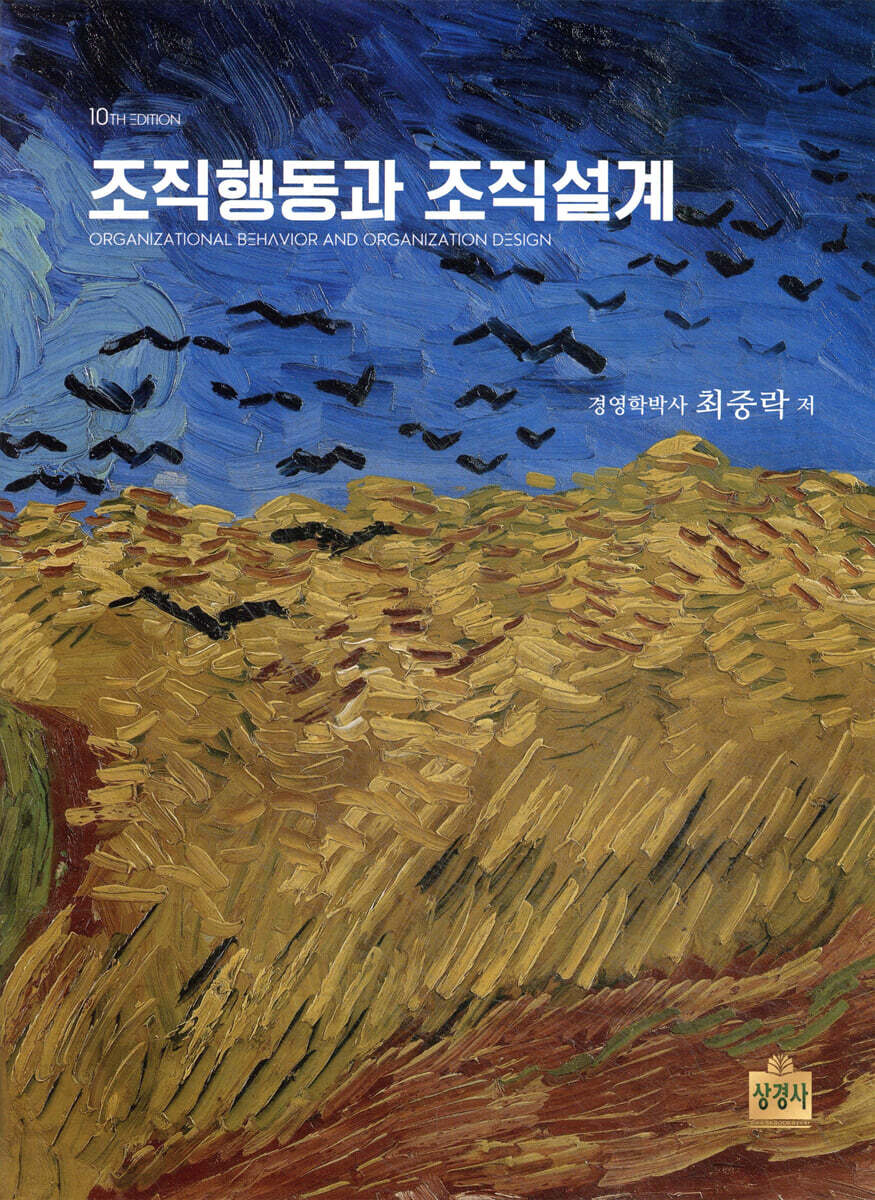 |
Description
Book Introduction
Certified Labor Attorney, Management Consultant 2nd Exam Preparation, Organizational Behavior, Organizational Design, Basic Organizational Theory!
This book is a basic theoretical book that organizes the main concepts and principles of 'organizational behavior', 'organizational design', and 'organizational theory', which are basic subjects of business administration.
This book is a basic theoretical book that organizes the main concepts and principles of 'organizational behavior', 'organizational design', and 'organizational theory', which are basic subjects of business administration.
- You can preview some of the book's contents.
Preview
index
PART I.
introduction
Chapter 1.
Organizations and People
Section 1. Significance of the organization and research methods
Section 2 Organizational Goals: Organizational Effectiveness
Section 3: Perspectives on Explaining Human Behavior
Chapter 2.
Organizational theory
Section 1: The Birth and Development of Organizational Theory
Section 2 Organization and Environment
Section 3 Relationships between Organizations
Section 4 Organizational Economics
PART II.
individual
Chapter 3.
Motivation
Section 1: The Meaning of Motivation and Its Theoretical Development
Section 2 Need-Based Theory
Section 3 Cognitive Process Theory
Section 4 Self-Determination Theory
Section 5 Job-Based Theory
Chapter 4.
My variables at the individual level
Section 1 Individual Differences
Section 2 Attitude and Emotion
Section 3 Trust and Justice
Section 4 Perception
Section 5 Stress
Section 6 Learning and Reinforcement
PART III.
group
Chapter 5.
Leadership
Section 1: The Meaning and Theory of Leadership
Section 2 Traditional Theories of Leadership
Section 3: Situational Theory of Leadership
Section 4: Relational Theory of Leadership
Section 5 Modern Leadership Theory
Section 6: Challenging Theories of Leadership
Chapter 6.
Group-level variables
Section 1 Groups and Teams
Section 2 Communication
Section 3 Decision-making
Section 4 Power and Politics
Section 5 Conflict and Negotiation
PART IV.
group
Chapter 7.
Organizational structure and design
Section 1. Meaning and Formation Process of Organizational Structure
Section 2 Various organizational structures
Section 3: Situational Dimensions of Organizations
Chapter 8.
Organizational variables
Section 1 Organizational Culture Theory
Section 2 Organizational Learning Theory
Section 3 Organizational Change Theory
Biographical Index
Item Index
introduction
Chapter 1.
Organizations and People
Section 1. Significance of the organization and research methods
Section 2 Organizational Goals: Organizational Effectiveness
Section 3: Perspectives on Explaining Human Behavior
Chapter 2.
Organizational theory
Section 1: The Birth and Development of Organizational Theory
Section 2 Organization and Environment
Section 3 Relationships between Organizations
Section 4 Organizational Economics
PART II.
individual
Chapter 3.
Motivation
Section 1: The Meaning of Motivation and Its Theoretical Development
Section 2 Need-Based Theory
Section 3 Cognitive Process Theory
Section 4 Self-Determination Theory
Section 5 Job-Based Theory
Chapter 4.
My variables at the individual level
Section 1 Individual Differences
Section 2 Attitude and Emotion
Section 3 Trust and Justice
Section 4 Perception
Section 5 Stress
Section 6 Learning and Reinforcement
PART III.
group
Chapter 5.
Leadership
Section 1: The Meaning and Theory of Leadership
Section 2 Traditional Theories of Leadership
Section 3: Situational Theory of Leadership
Section 4: Relational Theory of Leadership
Section 5 Modern Leadership Theory
Section 6: Challenging Theories of Leadership
Chapter 6.
Group-level variables
Section 1 Groups and Teams
Section 2 Communication
Section 3 Decision-making
Section 4 Power and Politics
Section 5 Conflict and Negotiation
PART IV.
group
Chapter 7.
Organizational structure and design
Section 1. Meaning and Formation Process of Organizational Structure
Section 2 Various organizational structures
Section 3: Situational Dimensions of Organizations
Chapter 8.
Organizational variables
Section 1 Organizational Culture Theory
Section 2 Organizational Learning Theory
Section 3 Organizational Change Theory
Biographical Index
Item Index
Publisher's Review
This book was written to introduce the theoretical foundations of the courses "Organizational Behavior" and "Organizational Design" (Organizational Structure, Organizational Theory) offered in business administration departments at universities and graduate schools.
From my personal experience with teaching, I believe that organizational behavior (micro-organizational theory, OB: organizational behavior) and organizational design (macro-organizational theory, OT: organization theory) are difficult to fully understand based on just one theory, so I believe that learning the contents of both subjects together is essential for effective learning.
For example, in organizational change, which is one of the topics of organizational design theory, Lewin (K.
Lewin's force-field theory is actually a theory that can be effectively utilized to change the attitude of members, which is one of the core concepts in micro-organizational theory.
Therefore, I believe this book differs from existing textbooks in that, to fully understand organizational phenomena, it is more advantageous to treat the micro and macro together rather than separating them.
[Content Structure]
The essential learning content in organizational behavior and organizational design has been reorganized into four sections based on the level of analysis: introduction (organizations and humans, organizational theory), individual (motivation, individual-level variables), group (leadership, group-level variables), and organization (organizational structure and design, organizational-level variables).
Each chapter is composed of a unit outline (a mind map of the contents of each chapter), a study guide (introduction of the main contents), a main text (organized for easy understanding based on the contents of major domestic and foreign textbooks), supplementary learning (introduction of cases and background knowledge related to the contents of the main text), annotations (supplementary explanations of the contents of the main text [footnotes at the bottom] and cited references [endnotes for each chapter]), in-depth learning (introduction of various theories that can apply and expand what has been learned), practice problems (questions for review), and case studies (discussion assignments and past national exam questions).
[Major revisions]
The following are the areas I focused on while rewriting 『Organizational Behavior and Organizational Design』 this time.
First, we have reflected in the text the content that needs to be added from major textbooks and papers newly published since the publication of the 9th edition (e.g., cases related to self-determination theory, psychological empowerment, and leadership decision-making models).
Second, we have revised the existing version to address passages that were overly difficult or required additional explanation (e.g., social network theory, agency theory and moral hazard, and the background of the emergence of network organizations).
Third, we have supplemented the content related to new topics recently covered in various national examinations (e.g., comparison of group development models).
[Words of Thanks]
Since the first edition was published in January 2012, many people have used this book over the past 13 years.
This book has grown thanks to the students preparing for various national exams (Certified Labor Attorney, Management Consultant, Level 5 Civil Service Examination), the professors and instructors who have adopted it as a textbook at various universities, the students taking those classes, and the executives and employees of various companies who have used it in their management training courses.
I would like to take this opportunity to express my gratitude.
We are releasing this tenth revised edition, reflecting the diverse feedback we have received from you.
I wish health and happiness to all who read and study this book.
At the crossroads of late autumn 2024
Thinking of the love of family
Choi Jung-rak, Ph.D. in Business Administration
From my personal experience with teaching, I believe that organizational behavior (micro-organizational theory, OB: organizational behavior) and organizational design (macro-organizational theory, OT: organization theory) are difficult to fully understand based on just one theory, so I believe that learning the contents of both subjects together is essential for effective learning.
For example, in organizational change, which is one of the topics of organizational design theory, Lewin (K.
Lewin's force-field theory is actually a theory that can be effectively utilized to change the attitude of members, which is one of the core concepts in micro-organizational theory.
Therefore, I believe this book differs from existing textbooks in that, to fully understand organizational phenomena, it is more advantageous to treat the micro and macro together rather than separating them.
[Content Structure]
The essential learning content in organizational behavior and organizational design has been reorganized into four sections based on the level of analysis: introduction (organizations and humans, organizational theory), individual (motivation, individual-level variables), group (leadership, group-level variables), and organization (organizational structure and design, organizational-level variables).
Each chapter is composed of a unit outline (a mind map of the contents of each chapter), a study guide (introduction of the main contents), a main text (organized for easy understanding based on the contents of major domestic and foreign textbooks), supplementary learning (introduction of cases and background knowledge related to the contents of the main text), annotations (supplementary explanations of the contents of the main text [footnotes at the bottom] and cited references [endnotes for each chapter]), in-depth learning (introduction of various theories that can apply and expand what has been learned), practice problems (questions for review), and case studies (discussion assignments and past national exam questions).
[Major revisions]
The following are the areas I focused on while rewriting 『Organizational Behavior and Organizational Design』 this time.
First, we have reflected in the text the content that needs to be added from major textbooks and papers newly published since the publication of the 9th edition (e.g., cases related to self-determination theory, psychological empowerment, and leadership decision-making models).
Second, we have revised the existing version to address passages that were overly difficult or required additional explanation (e.g., social network theory, agency theory and moral hazard, and the background of the emergence of network organizations).
Third, we have supplemented the content related to new topics recently covered in various national examinations (e.g., comparison of group development models).
[Words of Thanks]
Since the first edition was published in January 2012, many people have used this book over the past 13 years.
This book has grown thanks to the students preparing for various national exams (Certified Labor Attorney, Management Consultant, Level 5 Civil Service Examination), the professors and instructors who have adopted it as a textbook at various universities, the students taking those classes, and the executives and employees of various companies who have used it in their management training courses.
I would like to take this opportunity to express my gratitude.
We are releasing this tenth revised edition, reflecting the diverse feedback we have received from you.
I wish health and happiness to all who read and study this book.
At the crossroads of late autumn 2024
Thinking of the love of family
Choi Jung-rak, Ph.D. in Business Administration
GOODS SPECIFICS
- Date of issue: October 31, 2024
- Format: Hardcover book binding method guide
- Page count, weight, size: 672 pages | 198*264*35mm
- ISBN13: 9791161373751
- ISBN10: 1161373756
You may also like
카테고리
korean


korean

![GQ KOREA Mark (Monthly): December [2025]](http://librairie.coreenne.fr/cdn/shop/files/8ef265dbbfbf186523ed75ba7319009d.jpg?v=1765340328&width=3840)


