

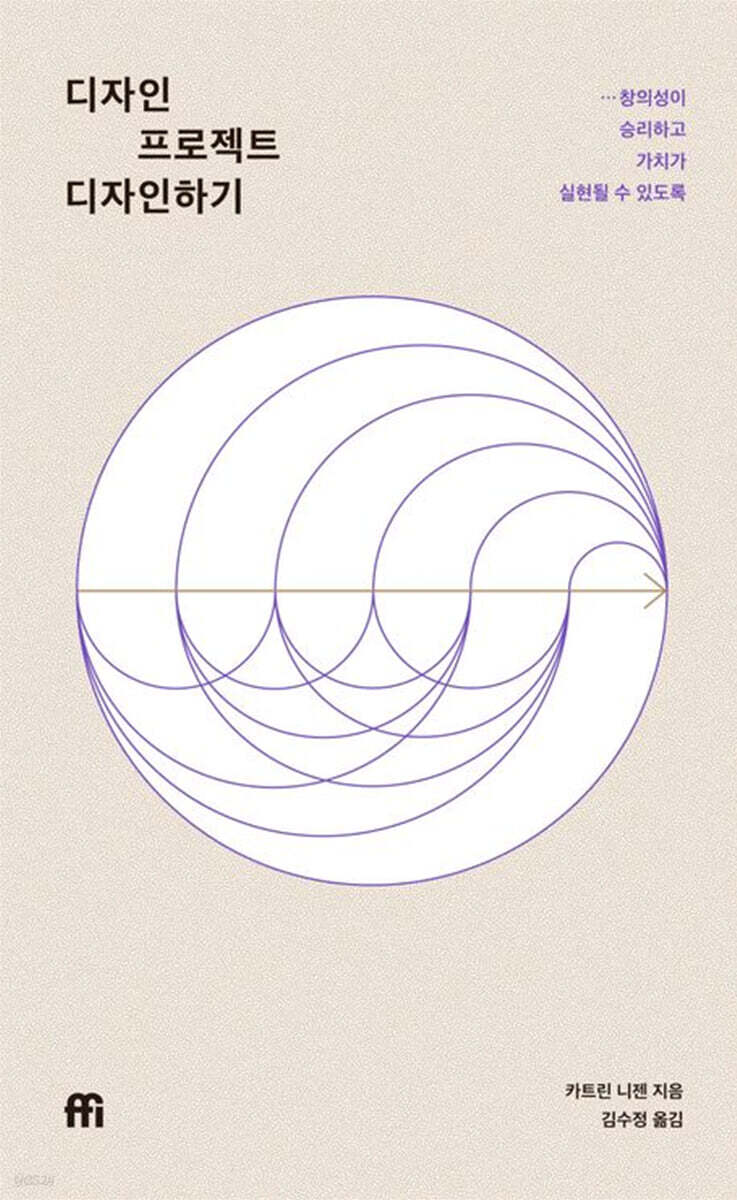
Designing a Design Project
 |
Description
Book Introduction
With over five years of experience as a designer, Katrin Nijen shares practical advice and tips on how designers can work healthily and creatively.
The author emphasizes that the essence of a design project lies in the "design process," and that a stable work environment and systematic approach are necessary to produce good results.
In the book, he presents a six-step methodology, drawing on his experience in various organizations, to help designers continuously unleash their creativity.
Additionally, the book includes a routine design method for creators, practical templates for immediate use, and a list of recommended books, making it a useful guide not only for designers but also for planners, marketers, art directors, and anyone else involved in creative work.
The author emphasizes that the essence of a design project lies in the "design process," and that a stable work environment and systematic approach are necessary to produce good results.
In the book, he presents a six-step methodology, drawing on his experience in various organizations, to help designers continuously unleash their creativity.
Additionally, the book includes a routine design method for creators, practical templates for immediate use, and a list of recommended books, making it a useful guide not only for designers but also for planners, marketers, art directors, and anyone else involved in creative work.
index
introduction
Dream Job: Designer / Who is this book for? / How does creativity change in the workplace? / Recognizing and preventing problems
Designing a Design Project
- Step 1 Project Planning: Understanding the Big Picture (Overview)
- Stage 2 Design Analysis: Gathering Insights and Gaining Design Inspiration
Step 3: Ideation: Building a Design Foundation
- Step 4 Design: Create, refine, and complete the shape.
- Stage 5 Presentation: Creatively and Professionally Persuasive
Step 6: Work and Collaborate: Collaborate Based on Partnership
Routine for Designers
Creating a Designer's Routine / How to Handle Criticism Wisely / Inspiration and Personal Growth / Client Management and Sales Routines / Living as a Designer / Am I Doing It Good Enough?
supplement
Template List / Recommended Reading / How This Book Came to Be / About the Author
Dream Job: Designer / Who is this book for? / How does creativity change in the workplace? / Recognizing and preventing problems
Designing a Design Project
- Step 1 Project Planning: Understanding the Big Picture (Overview)
- Stage 2 Design Analysis: Gathering Insights and Gaining Design Inspiration
Step 3: Ideation: Building a Design Foundation
- Step 4 Design: Create, refine, and complete the shape.
- Stage 5 Presentation: Creatively and Professionally Persuasive
Step 6: Work and Collaborate: Collaborate Based on Partnership
Routine for Designers
Creating a Designer's Routine / How to Handle Criticism Wisely / Inspiration and Personal Growth / Client Management and Sales Routines / Living as a Designer / Am I Doing It Good Enough?
supplement
Template List / Recommended Reading / How This Book Came to Be / About the Author
Into the book
Making a living as a designer in a free market requires more than just design skills.
And if possible, it is best to have these skills in place before starting work or as you enter society.
However, because the education they received up until then was primarily focused on design work, designers entering the market face the dilemma of having to rapidly acquire new knowledge in a completely different field while continuing their creative work.
This applies whether you work for an agency, are a freelancer, or are starting out on your own.
---From the "Preface"
All six steps presented in this book focus on 'creativity'.
The course I recommend is ultimately designed to help you manage your design work more efficiently and systematically, and it builds on the work methods you've learned so far.
All six stages of a project are focused on the essentials, with the goal of allowing designers to progress their projects with as much autonomy as possible.
And to allow you to spend as much time as possible on design, which is the most creative thing possible.
---From "Designing a Design Project"
Start from the end.
This is a backwards-looking approach that starts with thinking about the "ultimate goal" of the project: what results the client wants, in what form they should be delivered, and what needs to be done to utilize them optimally.
Then, note down the steps needed to reach that goal and outcome, and briefly summarize what is needed for each step as follows:
1.
What should I do?
2.
What is needed for this?
3.
How long does it take?
---From the "Phase 1 Project Plan"
Organizing ideas is not an easy task.
Because organizing something starts with deciding and organizing something from within yourself.
There are times when you have to give up on an idea you really like for various reasons, such as market reaction, your boss's taste, or the tastes of your target customers. Or you have to tell your team, "This idea is difficult."
It's not all mentally comfortable.
What makes organizing ideas particularly difficult is the psychological pressure of having to make a crucial decision right now.
In other words, it requires tremendous courage, conviction, and self-confidence as a designer to establish the design ideas and concepts that are the core of the project early on.
Because of this pressure, designers are often tempted to prepare multiple design drafts to accommodate different tastes and open up more possibilities.
---From "Stage 3 Idea Generation"
No matter how the work is done, the important thing is to establish a design direction from the first coordination process.
Be bold in weeding out designs that don't meet your goals, and evolve the good elements by combining them with a better approach.
---From "Stage 4 Design"
When giving a presentation, it's always a good idea to speak at a pace that feels a little slow.
Many people tend to speak quickly when they are nervous.
However, since the audience is hearing your presentation for the first time and needs to understand the new information right away and follow what you say, you need to present at a pace that allows them to fully understand.
---From "Stage 5 Presentation"
The appeal of a presentation often depends not simply on its subject matter, but rather on the way it is presented.
Small, subtle details like whether the speaker speaks freely and naturally, or simply seems to be reading from a prepared manuscript, whether the presentation feels genuine, or whether it feels rehearsed and artificial make a big difference.
And in my experience, even if a presenter seems a little nervous, when they deliver their topic with passion and sincerity, it's often far more engaging and memorable than when they just memorize the material and present it for show.
---From "Stage 5 Presentation"
The key to success is to consider whether you're a collaborative partner who works with your customers to find the best solution, rather than simply a "pixel pusher" who simply carries out their requests.
---From "Stage 6: Work and Collaboration"
Accepting positive feedback also takes practice.
If you receive a compliment, don't be shy and dismiss it lightly. Instead, express your sincere gratitude with a joyful heart.
The other person acknowledges your work and gives you the respect you desire as a creator.
Additionally, the positive feedback you receive from others contains clues about your strengths and abilities.
So, if you get positive feedback, listen carefully.
And just enjoy that moment with confidence and joy.
And if possible, it is best to have these skills in place before starting work or as you enter society.
However, because the education they received up until then was primarily focused on design work, designers entering the market face the dilemma of having to rapidly acquire new knowledge in a completely different field while continuing their creative work.
This applies whether you work for an agency, are a freelancer, or are starting out on your own.
---From the "Preface"
All six steps presented in this book focus on 'creativity'.
The course I recommend is ultimately designed to help you manage your design work more efficiently and systematically, and it builds on the work methods you've learned so far.
All six stages of a project are focused on the essentials, with the goal of allowing designers to progress their projects with as much autonomy as possible.
And to allow you to spend as much time as possible on design, which is the most creative thing possible.
---From "Designing a Design Project"
Start from the end.
This is a backwards-looking approach that starts with thinking about the "ultimate goal" of the project: what results the client wants, in what form they should be delivered, and what needs to be done to utilize them optimally.
Then, note down the steps needed to reach that goal and outcome, and briefly summarize what is needed for each step as follows:
1.
What should I do?
2.
What is needed for this?
3.
How long does it take?
---From the "Phase 1 Project Plan"
Organizing ideas is not an easy task.
Because organizing something starts with deciding and organizing something from within yourself.
There are times when you have to give up on an idea you really like for various reasons, such as market reaction, your boss's taste, or the tastes of your target customers. Or you have to tell your team, "This idea is difficult."
It's not all mentally comfortable.
What makes organizing ideas particularly difficult is the psychological pressure of having to make a crucial decision right now.
In other words, it requires tremendous courage, conviction, and self-confidence as a designer to establish the design ideas and concepts that are the core of the project early on.
Because of this pressure, designers are often tempted to prepare multiple design drafts to accommodate different tastes and open up more possibilities.
---From "Stage 3 Idea Generation"
No matter how the work is done, the important thing is to establish a design direction from the first coordination process.
Be bold in weeding out designs that don't meet your goals, and evolve the good elements by combining them with a better approach.
---From "Stage 4 Design"
When giving a presentation, it's always a good idea to speak at a pace that feels a little slow.
Many people tend to speak quickly when they are nervous.
However, since the audience is hearing your presentation for the first time and needs to understand the new information right away and follow what you say, you need to present at a pace that allows them to fully understand.
---From "Stage 5 Presentation"
The appeal of a presentation often depends not simply on its subject matter, but rather on the way it is presented.
Small, subtle details like whether the speaker speaks freely and naturally, or simply seems to be reading from a prepared manuscript, whether the presentation feels genuine, or whether it feels rehearsed and artificial make a big difference.
And in my experience, even if a presenter seems a little nervous, when they deliver their topic with passion and sincerity, it's often far more engaging and memorable than when they just memorize the material and present it for show.
---From "Stage 5 Presentation"
The key to success is to consider whether you're a collaborative partner who works with your customers to find the best solution, rather than simply a "pixel pusher" who simply carries out their requests.
---From "Stage 6: Work and Collaboration"
Accepting positive feedback also takes practice.
If you receive a compliment, don't be shy and dismiss it lightly. Instead, express your sincere gratitude with a joyful heart.
The other person acknowledges your work and gives you the respect you desire as a creator.
Additionally, the positive feedback you receive from others contains clues about your strengths and abilities.
So, if you get positive feedback, listen carefully.
And just enjoy that moment with confidence and joy.
---From "Routine for Designers"
GOODS SPECIFICS
- Date of issue: May 30, 2025
- Page count, weight, size: 192 pages | 150*230*20mm
- ISBN13: 9791196987640
- ISBN10: 1196987645
You may also like
카테고리
korean


korean

![GQ KOREA Mark (Monthly): December [2025]](http://librairie.coreenne.fr/cdn/shop/files/8ef265dbbfbf186523ed75ba7319009d.jpg?v=1765340328&width=3840)


