

Wildflowers grown at home
 |
Description
Book Introduction
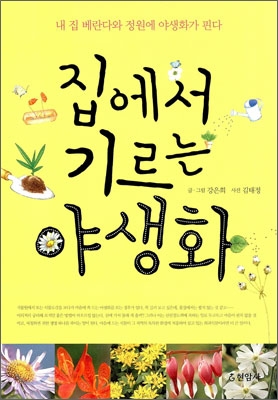
Grow wild flowers, previously only found in mountains and fields, at home!
Many people assume that wildflowers are difficult to grow and don't even consider growing them.
However, if you understand the characteristics of wildflowers well and follow the very basic requirements of wildflowers, they are surprisingly easy to grow at home.
In this book, the author, who has been growing wildflowers for 20 years, selects 100 species of wildflowers that go well with garden plants and explains things to keep in mind when growing them.
The author has included illustrations of how to plant and grow wildflowers, so anyone can easily grow wildflowers by simply following along.
The text and illustrations, which reflect 20 years of experience, are specific and easy to understand, and the illustrations, which especially illustrate the areas to pay attention to when planting or propagating wildflowers, effectively help to understand the actual work situations that are difficult to understand through text.
It is divided into two locations: an apartment veranda (indoor) and a flower garden (outdoor), and details the basics and precautions to take when growing wildflowers in each location.
The most important steps in growing wildflowers, such as planting, watering, fertilizing, propagating, and storing, are explained in detail, and the basic ecological information on wildflowers is organized in a table for easy reference.
Many people assume that wildflowers are difficult to grow and don't even consider growing them.
However, if you understand the characteristics of wildflowers well and follow the very basic requirements of wildflowers, they are surprisingly easy to grow at home.
In this book, the author, who has been growing wildflowers for 20 years, selects 100 species of wildflowers that go well with garden plants and explains things to keep in mind when growing them.
The author has included illustrations of how to plant and grow wildflowers, so anyone can easily grow wildflowers by simply following along.
The text and illustrations, which reflect 20 years of experience, are specific and easy to understand, and the illustrations, which especially illustrate the areas to pay attention to when planting or propagating wildflowers, effectively help to understand the actual work situations that are difficult to understand through text.
It is divided into two locations: an apartment veranda (indoor) and a flower garden (outdoor), and details the basics and precautions to take when growing wildflowers in each location.
The most important steps in growing wildflowers, such as planting, watering, fertilizing, propagating, and storing, are explained in detail, and the basic ecological information on wildflowers is organized in a table for easy reference.
- You can preview some of the book's contents.
Preview
index
preface
Note
Things to Know Before Growing Wildflowers
*spring
hepatica
Maple leaves
Welcome spring
cotton sprouts
lily of the valley
Donggulle
Wild garlic
White peony
bachelor's flower stalk
Baby's Breath
Big baby lily
Large male
Seokgok
bellflower
ground cherry
Flower jangpo [doljangpo]
white poppy
Revenge grass
Samjiguyeopcho
Jeju sagebrush
dandelion
Pine tree
cotton bat
Water parsley
large flower crown
Baby giraffe grass
Garakji vegetable
Ground pine flower
Horse dung amaranth
Wild chrysanthemum
primrose
bleeding heart
Grown up
Jaunyoung
Dried seaweed
pasqueflower
shrimp orchid
Valerian
Clematis
Jokdoripul
Lotus leaf pheasant's legs
cuckoo's nest
thistle
Iris
dandelion
clams
Great dog testicle plant
True flower marigold
violet
Beads
Iris
Honey grass
*summer
Ja-geum-woo
backlight
Asuri
Magpie's beard
White flower jangguchae
Why cotton legs
Maple Syrup
Water parsley
Haerancho
Yellow bee
How to plant lilies
Sky lily
Hairy Nari
Clematis
Island thyme
Tarae orchid
Fan fan
gillyflower
Violet flower
cranesbill
Anything
Deodeok
Goldenrod
Bibichu
Sirloin iris
Chicken gizzard shad
dragon head
Honeysuckle
Live greens
Sukryung
Number 1
*autumn
Rock pine
Gujeolcho
Inspection
Hairy head
Round Rock Pine
Needle flower
Parasitic worm
Pheasant's foot
Round-leafed Pheasant's-foot
Flower oil
Halla chives
Layered tree
Bitter grass
Yongdam
Haeguk
evergreen leaves
Stone tablet
Buddha's hand
bean sprout vine
Glossary
Search
Note
Things to Know Before Growing Wildflowers
*spring
hepatica
Maple leaves
Welcome spring
cotton sprouts
lily of the valley
Donggulle
Wild garlic
White peony
bachelor's flower stalk
Baby's Breath
Big baby lily
Large male
Seokgok
bellflower
ground cherry
Flower jangpo [doljangpo]
white poppy
Revenge grass
Samjiguyeopcho
Jeju sagebrush
dandelion
Pine tree
cotton bat
Water parsley
large flower crown
Baby giraffe grass
Garakji vegetable
Ground pine flower
Horse dung amaranth
Wild chrysanthemum
primrose
bleeding heart
Grown up
Jaunyoung
Dried seaweed
pasqueflower
shrimp orchid
Valerian
Clematis
Jokdoripul
Lotus leaf pheasant's legs
cuckoo's nest
thistle
Iris
dandelion
clams
Great dog testicle plant
True flower marigold
violet
Beads
Iris
Honey grass
*summer
Ja-geum-woo
backlight
Asuri
Magpie's beard
White flower jangguchae
Why cotton legs
Maple Syrup
Water parsley
Haerancho
Yellow bee
How to plant lilies
Sky lily
Hairy Nari
Clematis
Island thyme
Tarae orchid
Fan fan
gillyflower
Violet flower
cranesbill
Anything
Deodeok
Goldenrod
Bibichu
Sirloin iris
Chicken gizzard shad
dragon head
Honeysuckle
Live greens
Sukryung
Number 1
*autumn
Rock pine
Gujeolcho
Inspection
Hairy head
Round Rock Pine
Needle flower
Parasitic worm
Pheasant's foot
Round-leafed Pheasant's-foot
Flower oil
Halla chives
Layered tree
Bitter grass
Yongdam
Haeguk
evergreen leaves
Stone tablet
Buddha's hand
bean sprout vine
Glossary
Search
Publisher's Review
Grow wild flowers, previously only found in mountains and fields, at home!
When you escape from the busy and complex city life and go to the mountains and fields, you become so immersed in the beauty of simple wild flowers that you want to keep them by your side just as they are.
However, if you pick up a wildflower without permission because you like it, you are committing forest theft, and even if you pick it up secretly, if you do not know the characteristics of the wildflower well, there are many cases where the wildflower does not take root properly and dies.
If you are not careful, you may unknowingly contribute to the extinction of rare plants that only grow in unique environments.
So is there really no way to enjoy wildflowers while they are nearby?
Until now, growing wildflowers at home has not been easy.
Because the environments and ecological characteristics of where wild flowers grow are all different, it was difficult to know how to properly manage them by allowing them to take root in places with different growing conditions from their natural habitats.
But there is a person who has been growing wild flowers that seem so difficult for 20 years.
This is Eunhee Kang, the author and illustrator of this book.
The teacher said, “Many people assume that wild flowers are difficult to grow and do not even think about growing them.
However, if you understand the characteristics of wildflowers well and keep in mind the very basic things that wildflowers want, they are surprisingly easy to grow at home, and they have the elegance and charm that are just as good as commonly grown garden plants, so if you are a plant lover who wants to have a pretty garden, it is definitely worth trying growing them.”
In this book, he has included all of his cultivation know-how, acquired through 20 years of personally growing wildflowers, to teach those who want to keep wildflowers close by how to successfully grow them at home.
A wildflower expert reveals 20 years of cultivation expertise.
This book selects 100 species of wildflowers that are popular, easy to grow, and go well with garden plants, and explains what to keep in mind when growing them.
The author has included illustrations of how to plant and grow wildflowers, so anyone can easily grow wildflowers by simply following along.
The author also started out as a hobby and acquired the know-how of growing wildflowers through various trials and errors, so his writing and illustrations, which reflect his 20 years of experience, are specific and easy to understand.
Pictures that illustrate the areas to pay particular attention to when planting or propagating wildflowers help to effectively understand the actual work situation that is difficult to understand through words.
A step-by-step guide to wildflower cultivation, starting from the basics.
Even if they are the same type of wildflower, the way to care for them varies depending on where they are grown.
This book divides the area into two locations: an apartment veranda (indoors) and a flower garden (outdoors), and explains in detail the basics of what to pay attention to when growing wildflowers in each location.
The most important steps in growing wildflowers, such as planting, watering, fertilizing, propagating, and storing, are explained in detail, and the basic ecological information on wildflowers is organized in a table for easy reference.
In addition, a separate chapter is provided to help you learn the basic knowledge needed to grow wildflowers - where wildflowers grow well, how to choose wildflowers that are right for you, tools needed to plant wildflowers, types of soil, order of filling pots with soil, pest control, division methods, plant condition diagnosis methods, etc.
Vivid wildflower photos - also available as a wildflower guide
The wildflower ecological photos included in this book are the work of Dr. Tae-Jeong Kim, director of the Korea Wildflower Research Institute.
Dr. Kim Tae-jeong and Ms. Kang Eun-hee have been working together on wildflowers for a long time, and this time they have produced another joint result.
This book not only contains information on how to grow individual wildflowers, but also includes information on where they live, when they bloom, their scientific names, family names, medicinal names, and other names, so it can also be used as a wildflower guide.
When you escape from the busy and complex city life and go to the mountains and fields, you become so immersed in the beauty of simple wild flowers that you want to keep them by your side just as they are.
However, if you pick up a wildflower without permission because you like it, you are committing forest theft, and even if you pick it up secretly, if you do not know the characteristics of the wildflower well, there are many cases where the wildflower does not take root properly and dies.
If you are not careful, you may unknowingly contribute to the extinction of rare plants that only grow in unique environments.
So is there really no way to enjoy wildflowers while they are nearby?
Until now, growing wildflowers at home has not been easy.
Because the environments and ecological characteristics of where wild flowers grow are all different, it was difficult to know how to properly manage them by allowing them to take root in places with different growing conditions from their natural habitats.
But there is a person who has been growing wild flowers that seem so difficult for 20 years.
This is Eunhee Kang, the author and illustrator of this book.
The teacher said, “Many people assume that wild flowers are difficult to grow and do not even think about growing them.
However, if you understand the characteristics of wildflowers well and keep in mind the very basic things that wildflowers want, they are surprisingly easy to grow at home, and they have the elegance and charm that are just as good as commonly grown garden plants, so if you are a plant lover who wants to have a pretty garden, it is definitely worth trying growing them.”
In this book, he has included all of his cultivation know-how, acquired through 20 years of personally growing wildflowers, to teach those who want to keep wildflowers close by how to successfully grow them at home.
A wildflower expert reveals 20 years of cultivation expertise.
This book selects 100 species of wildflowers that are popular, easy to grow, and go well with garden plants, and explains what to keep in mind when growing them.
The author has included illustrations of how to plant and grow wildflowers, so anyone can easily grow wildflowers by simply following along.
The author also started out as a hobby and acquired the know-how of growing wildflowers through various trials and errors, so his writing and illustrations, which reflect his 20 years of experience, are specific and easy to understand.
Pictures that illustrate the areas to pay particular attention to when planting or propagating wildflowers help to effectively understand the actual work situation that is difficult to understand through words.
A step-by-step guide to wildflower cultivation, starting from the basics.
Even if they are the same type of wildflower, the way to care for them varies depending on where they are grown.
This book divides the area into two locations: an apartment veranda (indoors) and a flower garden (outdoors), and explains in detail the basics of what to pay attention to when growing wildflowers in each location.
The most important steps in growing wildflowers, such as planting, watering, fertilizing, propagating, and storing, are explained in detail, and the basic ecological information on wildflowers is organized in a table for easy reference.
In addition, a separate chapter is provided to help you learn the basic knowledge needed to grow wildflowers - where wildflowers grow well, how to choose wildflowers that are right for you, tools needed to plant wildflowers, types of soil, order of filling pots with soil, pest control, division methods, plant condition diagnosis methods, etc.
Vivid wildflower photos - also available as a wildflower guide
The wildflower ecological photos included in this book are the work of Dr. Tae-Jeong Kim, director of the Korea Wildflower Research Institute.
Dr. Kim Tae-jeong and Ms. Kang Eun-hee have been working together on wildflowers for a long time, and this time they have produced another joint result.
This book not only contains information on how to grow individual wildflowers, but also includes information on where they live, when they bloom, their scientific names, family names, medicinal names, and other names, so it can also be used as a wildflower guide.
GOODS SPECIFICS
- Date of issue: February 25, 2010
- Page count, weight, size: 301 pages | 624g | 153*224*30mm
- ISBN13: 9788932315393
- ISBN10: 8932315396
You may also like
카테고리
korean


korean

![ELLE 엘르 스페셜 에디션 A형 : 12월 [2025]](http://librairie.coreenne.fr/cdn/shop/files/b8e27a3de6c9538896439686c6b0e8fb.jpg?v=1766436872&width=3840)


