

Chemistry Stories for Sustainability
 |
Description
Book Introduction
The author teaches chemistry at a university and has developed a personal interest in conveying the chemical phenomena surrounding him to the public. He has collected and developed various materials and opened a general education course for non-chemistry majors on campus.
Initially, I focused on conveying simple chemical phenomena, but I was captivated by the topic of sustainability when I happened upon it about 10 years ago, and it has been over 10 years since I started running an online liberal arts course that expanded on this topic.
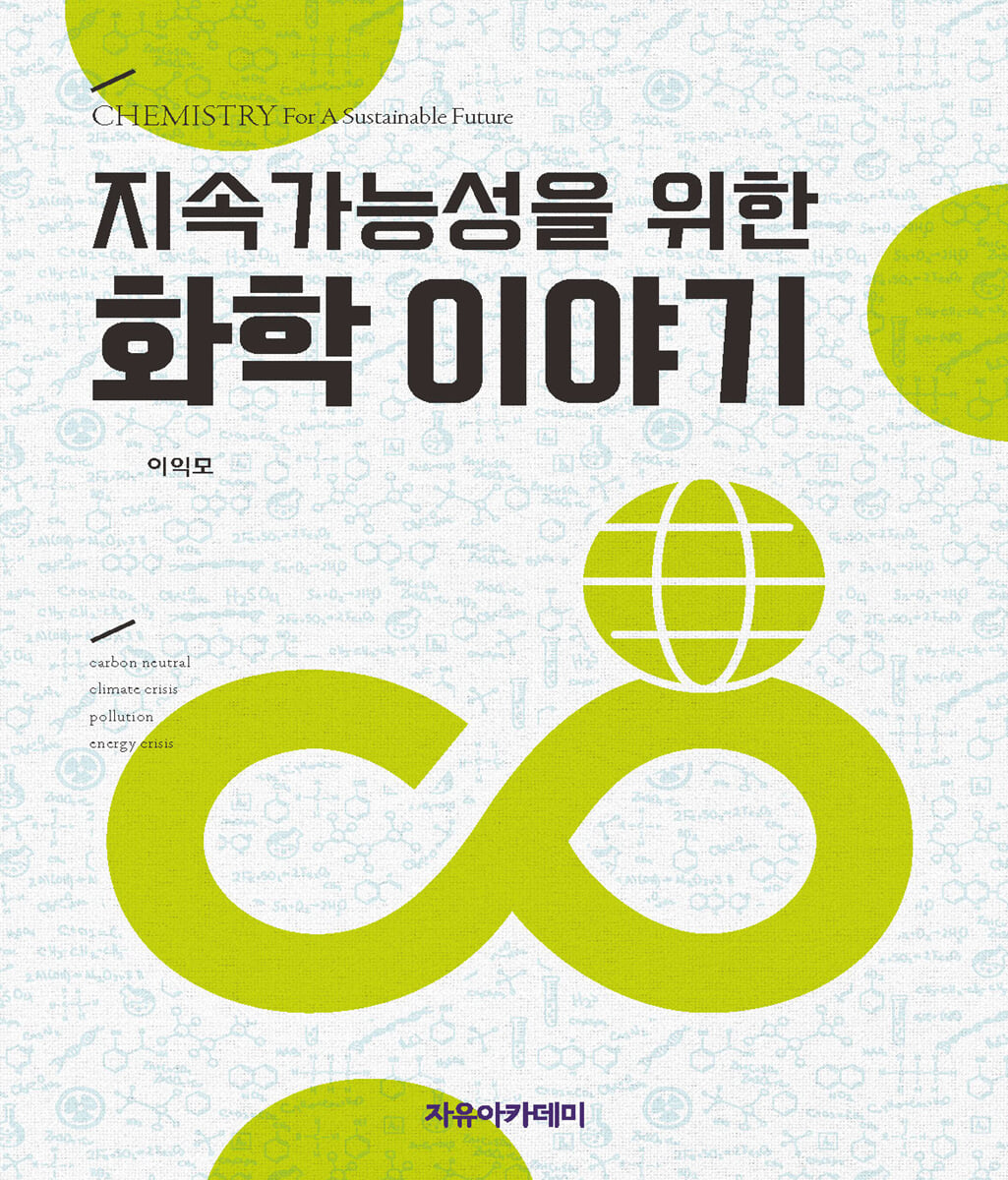
The name of that course is [Chemistry Stories for Sustainability], which is the title of this book.
This book is based on the author's experience teaching non-chemistry majors for over ten years.
It was started with the purpose of supplementing the materials that were lacking in the textbooks used at the time, especially materials related to our country.
We have tried to avoid technical terms as much as possible and explain them in a relatively easy and detailed manner, and have also added commentary and interesting content that can highlight the topic.
Initially, I focused on conveying simple chemical phenomena, but I was captivated by the topic of sustainability when I happened upon it about 10 years ago, and it has been over 10 years since I started running an online liberal arts course that expanded on this topic.
The name of that course is [Chemistry Stories for Sustainability], which is the title of this book.
This book is based on the author's experience teaching non-chemistry majors for over ten years.
It was started with the purpose of supplementing the materials that were lacking in the textbooks used at the time, especially materials related to our country.
We have tried to avoid technical terms as much as possible and explain them in a relatively easy and detailed manner, and have also added commentary and interesting content that can highlight the topic.
- You can preview some of the book's contents.
Preview
index
Chapter 1 What is Sustainability?
1.
background
2.
Is the Earth Sustainable?
3.
The Role of Chemistry and Chemists
4.
Classification of substances
5.
periodic table
6.
Size and structure of atoms
7.
Meaning of terms indicating size
8.
cycle of matter
9.
Material circulation and sustainability
Chapter 2 The atmosphere surrounding us
introduction
1.
Structure and composition of the atmosphere
2.
Breath, the source of life
3.
Identification of substances: nomenclature
4.
Harmful substances in the atmosphere
5.
Risk assessment of air pollutants
6.
Sources of pollutants; direct and indirect sources
7.
The impact of combustion on air quality
8.
Is indoor air safe?
9.
Air Pollution and Sustainability
Chapter 3: Cosmic Radiation and Ozone Depletion
introduction
1.
electromagnetic spectrum
2.
The principle of color
3.
ultraviolet radiation
4.
Ultraviolet radiation and its effects on living organisms
5.
The role of the atmosphere
6.
Ozone layer destruction and CFCs
7. CFC alternatives and prospects
8.
Possibility of recovery of the ozone hole
9.
The contribution of chemistry to skin protection
Chapter 4: Climate Change and Global Warming
introduction
1.
Carbon, a precious but common element
2.
carbon cycle
3.
Quantification of carbon - mass, moles
4.
Earth's energy balance and the greenhouse effect
5.
greenhouse gases
6.
How greenhouse gases work and what factors influence their production
7.
Lessons from the past
8.
The future
9.
Measures to prevent future tragedies
Chapter 5: The Most Precious Resource, Water
introduction
1.
Unique properties of water
2.
Where is the water?
3.
Key issues related to water utilization
4.
Safe Water and Ingredient Labeling
5.
What is solubility?
6.
Corrosive substances: acids and bases
7.
acid-base neutralization reaction
8.
Quantifying Acidity and Basicity: The pH Scale
9.
acid rain
10.
Water purification treatment
11.
A global challenge to solve water problems
Chapter 6 Combustion Energy
introduction
1.
fossil fuels
2.
The nature of combustion
3.
energy
4.
How do we measure energy changes during a transformation process?
5.
How energy is released during combustion
6.
Fossil fuels and electricity
7.
Power plant efficiency
8.
coal
9.
Transition from coal to oil
10.
Improving mining efficiency
11.
Clean fossil fuel, natural gas
12.
Production of petroleum products
13.
New uses for coal
14.
Ethanol as fuel
15.
The nature and sustainability of biofuels
Chapter 7: Alternative Energy Sources to Fossil Fuels
introduction
1.
Use of nuclear energy
2.
nuclear power plant
3.
Radiation and its impact on health and the environment
4.
Radioactive material decay and waste disposal
5.
Nuclear power plant risks
6.
The Future of Nuclear Power
7.
solar energy and solar cells
8.
Power generation from other renewable (sustainable) sources
Chapter 8 Battery
introduction
1.
How the battery works
2.
Battery characteristics
3.
Types of batteries
4.
Battery Components: Are They Sustainable?
5.
Main uses of secondary batteries
6.
fuel cell
Chapter 9: The World of Polymers and Plastics
introduction
1.
Polymers around us
2.
Polymer: long chain of monomers
3.
Reactions of monomers: addition reactions
4.
Structure and properties of polyethylene
5.
Six representative polymers
6.
Condensation reaction of monomers
7.
polyamide
8.
Solid waste disposal
9.
sustainable plastics
Chapter 10 Food Chemistry
introduction
1.
How do we perceive taste?
2.
smell and taste
3.
Ingredients and processing methods that change the taste and texture of food
4.
The Science of Recipes
5.
The Effect of Kitchen Cooking Temperature on Flavor
6.
Cooking in a vacuum and molecular gastronomy
7.
Microwave cooking
8.
Food Processing Recipes
9.
Fermentation, distillation, extraction
10.
Utilizing various conditions in the kitchen
11.
The Future of Food Technology
Search
1.
background
2.
Is the Earth Sustainable?
3.
The Role of Chemistry and Chemists
4.
Classification of substances
5.
periodic table
6.
Size and structure of atoms
7.
Meaning of terms indicating size
8.
cycle of matter
9.
Material circulation and sustainability
Chapter 2 The atmosphere surrounding us
introduction
1.
Structure and composition of the atmosphere
2.
Breath, the source of life
3.
Identification of substances: nomenclature
4.
Harmful substances in the atmosphere
5.
Risk assessment of air pollutants
6.
Sources of pollutants; direct and indirect sources
7.
The impact of combustion on air quality
8.
Is indoor air safe?
9.
Air Pollution and Sustainability
Chapter 3: Cosmic Radiation and Ozone Depletion
introduction
1.
electromagnetic spectrum
2.
The principle of color
3.
ultraviolet radiation
4.
Ultraviolet radiation and its effects on living organisms
5.
The role of the atmosphere
6.
Ozone layer destruction and CFCs
7. CFC alternatives and prospects
8.
Possibility of recovery of the ozone hole
9.
The contribution of chemistry to skin protection
Chapter 4: Climate Change and Global Warming
introduction
1.
Carbon, a precious but common element
2.
carbon cycle
3.
Quantification of carbon - mass, moles
4.
Earth's energy balance and the greenhouse effect
5.
greenhouse gases
6.
How greenhouse gases work and what factors influence their production
7.
Lessons from the past
8.
The future
9.
Measures to prevent future tragedies
Chapter 5: The Most Precious Resource, Water
introduction
1.
Unique properties of water
2.
Where is the water?
3.
Key issues related to water utilization
4.
Safe Water and Ingredient Labeling
5.
What is solubility?
6.
Corrosive substances: acids and bases
7.
acid-base neutralization reaction
8.
Quantifying Acidity and Basicity: The pH Scale
9.
acid rain
10.
Water purification treatment
11.
A global challenge to solve water problems
Chapter 6 Combustion Energy
introduction
1.
fossil fuels
2.
The nature of combustion
3.
energy
4.
How do we measure energy changes during a transformation process?
5.
How energy is released during combustion
6.
Fossil fuels and electricity
7.
Power plant efficiency
8.
coal
9.
Transition from coal to oil
10.
Improving mining efficiency
11.
Clean fossil fuel, natural gas
12.
Production of petroleum products
13.
New uses for coal
14.
Ethanol as fuel
15.
The nature and sustainability of biofuels
Chapter 7: Alternative Energy Sources to Fossil Fuels
introduction
1.
Use of nuclear energy
2.
nuclear power plant
3.
Radiation and its impact on health and the environment
4.
Radioactive material decay and waste disposal
5.
Nuclear power plant risks
6.
The Future of Nuclear Power
7.
solar energy and solar cells
8.
Power generation from other renewable (sustainable) sources
Chapter 8 Battery
introduction
1.
How the battery works
2.
Battery characteristics
3.
Types of batteries
4.
Battery Components: Are They Sustainable?
5.
Main uses of secondary batteries
6.
fuel cell
Chapter 9: The World of Polymers and Plastics
introduction
1.
Polymers around us
2.
Polymer: long chain of monomers
3.
Reactions of monomers: addition reactions
4.
Structure and properties of polyethylene
5.
Six representative polymers
6.
Condensation reaction of monomers
7.
polyamide
8.
Solid waste disposal
9.
sustainable plastics
Chapter 10 Food Chemistry
introduction
1.
How do we perceive taste?
2.
smell and taste
3.
Ingredients and processing methods that change the taste and texture of food
4.
The Science of Recipes
5.
The Effect of Kitchen Cooking Temperature on Flavor
6.
Cooking in a vacuum and molecular gastronomy
7.
Microwave cooking
8.
Food Processing Recipes
9.
Fermentation, distillation, extraction
10.
Utilizing various conditions in the kitchen
11.
The Future of Food Technology
Search
Publisher's Review
“Sustainability”
What is the significance of this often-used word? And what is the essence of the various problems facing the Earth today? What are the practical efforts to ensure sustainability? These questions are powerfully raised, but the reality is that they are difficult to answer.
Furthermore, understanding many of Earth's problems requires a chemical background, and chemistry is actually contributing significantly to solving them, yet this fact has not received much attention.
Separately from this, while teaching chemistry at a university, I developed a personal interest in conveying the chemical phenomena around me to the public. I collected and developed various materials and opened a general education course for non-chemistry majors on campus.
Initially, I focused on conveying simple chemical phenomena, but I was captivated by the topic of sustainability when I stumbled upon it about 10 years ago. It's been over 10 years since I started running an online liberal arts course that expanded on this topic.
The name of that course is [Chemistry Stories for Sustainability], which is the title of this book.
This book is based on the author's experience teaching non-chemistry majors for over ten years.
I started writing this book to supplement the materials that were lacking in the textbooks used at the time, especially materials related to our country.
As the students who participated in the lecture strongly requested, I bravely began writing with the goal of writing at a level that even non-majors with little chemistry background could easily understand, and at a level that would retain some of the information in their heads even if they listened to it like an old story without having to take notes.
However, as I was writing, I realized that writing easily is not as easy as it sounds, so I feel embarrassed when I actually see the result before my eyes.
I have tried to avoid technical jargon as much as possible and explain it in a relatively simple and detailed manner, but I confess that it was not easy to achieve the target level.
So, to alleviate this, I added commentary and interesting content that could highlight the topic, but I am also worried that it might have become more distracting.
As described in the text, the fact that the word "sustainability" has been mentioned frequently in various fields recently is evidence of the interest of many people in this topic and phenomenon.
Therefore, despite the challenges ahead, I thought it would be timely to look back on how I became fascinated with this topic over a decade ago and examine together what could threaten humanity's sustainability on Earth, the only planet in the universe rich in life.
By systematically examining the potential areas of various factors from a chemical perspective, I hope readers will develop the will and capacity to contribute, even if only a little, to shaping the future.
Despite its various efforts, the chemical industry is currently in an environment where it is not close to the public.
I also hope that through this book, you will gain a sense, even if only a little, of the fundamental problems facing the Earth, which are intertwined with chemistry, and that chemistry is not a difficult discipline, but rather a central science that collaborates with diverse fields.
I would like to express my sincere gratitude to the editorial staff of Jayu Academy for their hard work, effort, and encouragement in bringing this book to publication.
We have tried to make this a good book, but there may be some shortcomings.
I also ask readers to please share any comments or suggestions for improvements or additions.
If any corrections are discovered after publication, they will be reported through the Free Academy website data room (www.freeaca.com).
thank you
What is the significance of this often-used word? And what is the essence of the various problems facing the Earth today? What are the practical efforts to ensure sustainability? These questions are powerfully raised, but the reality is that they are difficult to answer.
Furthermore, understanding many of Earth's problems requires a chemical background, and chemistry is actually contributing significantly to solving them, yet this fact has not received much attention.
Separately from this, while teaching chemistry at a university, I developed a personal interest in conveying the chemical phenomena around me to the public. I collected and developed various materials and opened a general education course for non-chemistry majors on campus.
Initially, I focused on conveying simple chemical phenomena, but I was captivated by the topic of sustainability when I stumbled upon it about 10 years ago. It's been over 10 years since I started running an online liberal arts course that expanded on this topic.
The name of that course is [Chemistry Stories for Sustainability], which is the title of this book.
This book is based on the author's experience teaching non-chemistry majors for over ten years.
I started writing this book to supplement the materials that were lacking in the textbooks used at the time, especially materials related to our country.
As the students who participated in the lecture strongly requested, I bravely began writing with the goal of writing at a level that even non-majors with little chemistry background could easily understand, and at a level that would retain some of the information in their heads even if they listened to it like an old story without having to take notes.
However, as I was writing, I realized that writing easily is not as easy as it sounds, so I feel embarrassed when I actually see the result before my eyes.
I have tried to avoid technical jargon as much as possible and explain it in a relatively simple and detailed manner, but I confess that it was not easy to achieve the target level.
So, to alleviate this, I added commentary and interesting content that could highlight the topic, but I am also worried that it might have become more distracting.
As described in the text, the fact that the word "sustainability" has been mentioned frequently in various fields recently is evidence of the interest of many people in this topic and phenomenon.
Therefore, despite the challenges ahead, I thought it would be timely to look back on how I became fascinated with this topic over a decade ago and examine together what could threaten humanity's sustainability on Earth, the only planet in the universe rich in life.
By systematically examining the potential areas of various factors from a chemical perspective, I hope readers will develop the will and capacity to contribute, even if only a little, to shaping the future.
Despite its various efforts, the chemical industry is currently in an environment where it is not close to the public.
I also hope that through this book, you will gain a sense, even if only a little, of the fundamental problems facing the Earth, which are intertwined with chemistry, and that chemistry is not a difficult discipline, but rather a central science that collaborates with diverse fields.
I would like to express my sincere gratitude to the editorial staff of Jayu Academy for their hard work, effort, and encouragement in bringing this book to publication.
We have tried to make this a good book, but there may be some shortcomings.
I also ask readers to please share any comments or suggestions for improvements or additions.
If any corrections are discovered after publication, they will be reported through the Free Academy website data room (www.freeaca.com).
thank you
GOODS SPECIFICS
- Date of issue: November 15, 2025
- Page count, weight, size: 312 pages | 188*257*14mm
- ISBN13: 9791158087760
- ISBN10: 1158087764
You may also like
카테고리
korean


korean

![GQ KOREA Mark (Monthly): December [2025]](http://librairie.coreenne.fr/cdn/shop/files/8ef265dbbfbf186523ed75ba7319009d.jpg?v=1765340328&width=3840)


