

Native seeds and farming
 |
Description
Book Introduction
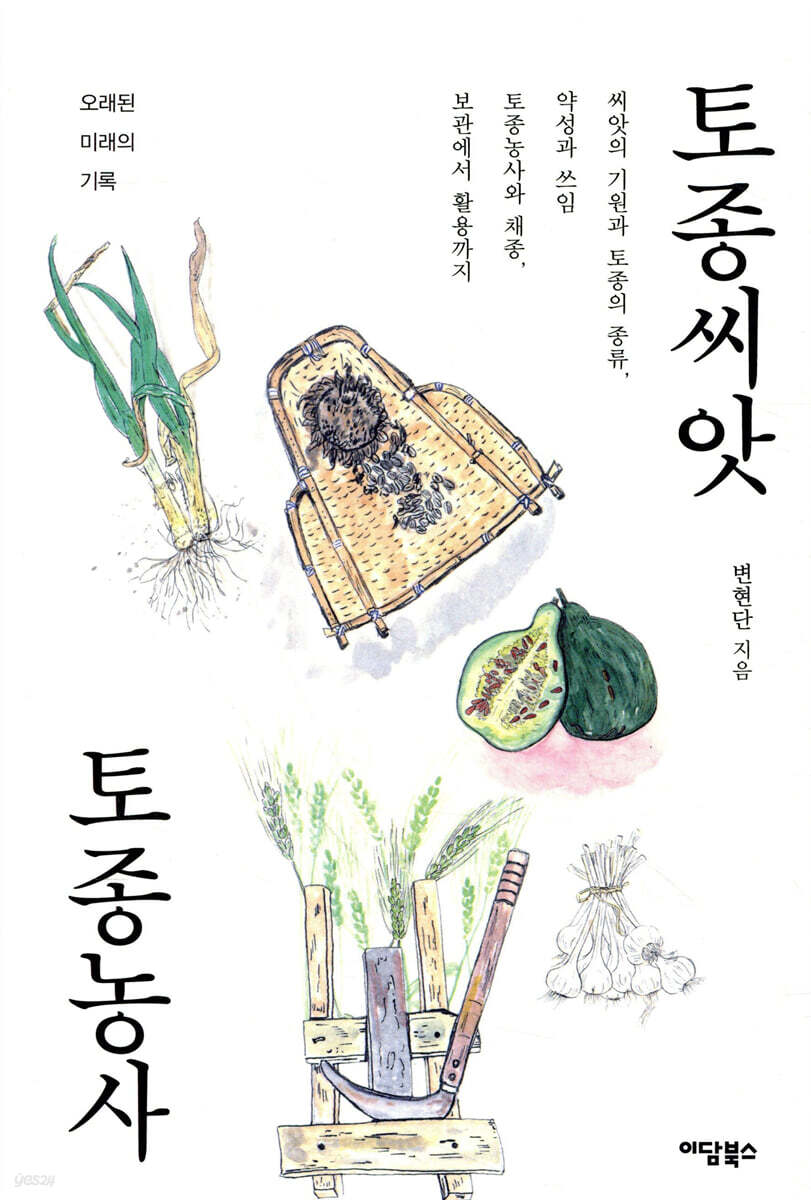
From seed to table, everything about native seeds and native farming.
This book, a revised and expanded edition of 『This is how native farming is done』(Geumulko), contains the basics of farming and various information, as well as native farming methods, seed collection and storage methods for various crops, and information on native seeds, based on nearly 20 years of experience.
It provides a wide range of information, from basic farming techniques to farming methods adapted to climate change, coping with the worsening animal damage, and precautions for farming methods for sale, from subsistence farming to commercial farming, and from natural farming to eco-friendly farming.
The origin and physiological characteristics of each crop through the crop-specific tops.
Weakness.
You can find the information you need on native species, farming methods, seed collection and storage methods, and even how to use them. The key summaries, organized by year, summarize the lived experiences of native farmers, including native seed farming methods and seasonal food utilization.
Native seeds have been passed down along with the farmers' wisdom of life, and therefore, the succession of native seeds and native farming has the meaning of passing on not only the material 'seeds' but also the 'spiritual world of seeds.'
The current revised edition, which contains the latest information and photos from 2022, aims to protect the sharing rights of native seeds and farmers' rights by displaying the information history of native seeds and covering related history and culture, while also conveying ecological perspectives and experiences.
As a popular practical guide and agricultural technology information book covering "from seed to table," "Native Seeds and Native Farming" will provide essential information to those engaged in farming as well as those interested in ourselves and the ecology.
This book, a revised and expanded edition of 『This is how native farming is done』(Geumulko), contains the basics of farming and various information, as well as native farming methods, seed collection and storage methods for various crops, and information on native seeds, based on nearly 20 years of experience.
It provides a wide range of information, from basic farming techniques to farming methods adapted to climate change, coping with the worsening animal damage, and precautions for farming methods for sale, from subsistence farming to commercial farming, and from natural farming to eco-friendly farming.
The origin and physiological characteristics of each crop through the crop-specific tops.
Weakness.
You can find the information you need on native species, farming methods, seed collection and storage methods, and even how to use them. The key summaries, organized by year, summarize the lived experiences of native farmers, including native seed farming methods and seasonal food utilization.
Native seeds have been passed down along with the farmers' wisdom of life, and therefore, the succession of native seeds and native farming has the meaning of passing on not only the material 'seeds' but also the 'spiritual world of seeds.'
The current revised edition, which contains the latest information and photos from 2022, aims to protect the sharing rights of native seeds and farmers' rights by displaying the information history of native seeds and covering related history and culture, while also conveying ecological perspectives and experiences.
As a popular practical guide and agricultural technology information book covering "from seed to table," "Native Seeds and Native Farming" will provide essential information to those engaged in farming as well as those interested in ourselves and the ecology.
- You can preview some of the book's contents.
Preview
index
In publishing a revised edition
Entering
Twelve months of native farming
How to Build Native Farms
Basic farming attitude
compost
Garden Art
Native farming and weeds
Climate change, drought, and heavy rain preparedness
To prevent animal harm
To increase income through native farming
Native farming by crop
potato
pea
lettuce
chives
sweet potato
Honghwa (safflower)
lotus root
mill
mint
master
pepper
egg plant
cigarettes (tobacco)
Hemp
kidney bean
green onion
Auk
Silk melon
cucumber
corner
ginger
Toran
pumpkin
Gourd
burdock
annual (tomato)
strawberry
melon
watermelon
peanut
sesame
rice
Palma Christi
cotton
Yeoju
Sword beans
East
Yulmu
sunflower
Sweet potato (pork)
article
millet
sugarcane
green gram
bean
Perilla
red bean
buckwheat
napa cabbage
radish
water parsley
gat
rapeseed
spinach
barley
wheat
rye
oats
garlic
Deodeok
balloon flower
crown daisy
Modern times
carrot
onion
Appendix: Monthly Summary of Native Seeds and Native Farming Key Points
Entering
Twelve months of native farming
How to Build Native Farms
Basic farming attitude
compost
Garden Art
Native farming and weeds
Climate change, drought, and heavy rain preparedness
To prevent animal harm
To increase income through native farming
Native farming by crop
potato
pea
lettuce
chives
sweet potato
Honghwa (safflower)
lotus root
mill
mint
master
pepper
egg plant
cigarettes (tobacco)
Hemp
kidney bean
green onion
Auk
Silk melon
cucumber
corner
ginger
Toran
pumpkin
Gourd
burdock
annual (tomato)
strawberry
melon
watermelon
peanut
sesame
rice
Palma Christi
cotton
Yeoju
Sword beans
East
Yulmu
sunflower
Sweet potato (pork)
article
millet
sugarcane
green gram
bean
Perilla
red bean
buckwheat
napa cabbage
radish
water parsley
gat
rapeseed
spinach
barley
wheat
rye
oats
garlic
Deodeok
balloon flower
crown daisy
Modern times
carrot
onion
Appendix: Monthly Summary of Native Seeds and Native Farming Key Points
Into the book
Early crops need to be cared for like children.
If the surrounding grass is removed and the crops become dominant, the grass will not cause much disturbance.
The reason grandmothers diligently weed the fields in April is to protect the early growth of crops.
In May, mugwort and dandelion will be established, so it is a good idea to remove the weeds before they settle in.
---From “Native Farming and Weeds”
Items that can be served individually include red pepper, beans, perilla seeds, sesame seeds, rice, and grains.
If the cultivated land is large, the yield of individual crops can be increased by rotating crops such as potatoes-perilla, beans, peppers, sesame, sweet potatoes, potatoes-corn, millet, perilla, and beans.
Selling 4-6 crops individually and providing vegetable packages to a few households for self-sufficiency can provide a minimum basic income for a farm.
---From "How to Increase Income through Native Farming"
In the 1970s and 1980s, several native species were cultivated.
The native species representing Chungcheongbuk-do Eumseong include the sitting-bangi pepper, the Cheongryong pepper, and the bungeocho, while the native species representing Gyeongbuk Yeongyang include the subicho, the daehwacho, and the chilseongcho.
These traditional varieties are currently being kept alive in farms, including Ulleungcho.
Chilseongcho, Subicho, and Eumseongjaerae are cultivated in that order, and these traditional varieties are large like improved peppers.
---From "Native Farming by Crop: Pepper"
The vernal equinox is when the length of day and night becomes equal, and after the vernal equinox, the days become longer, the cold winter passes, and the yang energy gradually becomes stronger.
Spring barley is being plowed and the fields are being plowed, but there is a cold spell in spring.
When the west wind blows on the vernal equinox, barley is scarce.
When the southeast wind blows, it rains occasionally and the barley grows well.
Autumn rain is useless, and spring rain is not wasted.
If the surrounding grass is removed and the crops become dominant, the grass will not cause much disturbance.
The reason grandmothers diligently weed the fields in April is to protect the early growth of crops.
In May, mugwort and dandelion will be established, so it is a good idea to remove the weeds before they settle in.
---From “Native Farming and Weeds”
Items that can be served individually include red pepper, beans, perilla seeds, sesame seeds, rice, and grains.
If the cultivated land is large, the yield of individual crops can be increased by rotating crops such as potatoes-perilla, beans, peppers, sesame, sweet potatoes, potatoes-corn, millet, perilla, and beans.
Selling 4-6 crops individually and providing vegetable packages to a few households for self-sufficiency can provide a minimum basic income for a farm.
---From "How to Increase Income through Native Farming"
In the 1970s and 1980s, several native species were cultivated.
The native species representing Chungcheongbuk-do Eumseong include the sitting-bangi pepper, the Cheongryong pepper, and the bungeocho, while the native species representing Gyeongbuk Yeongyang include the subicho, the daehwacho, and the chilseongcho.
These traditional varieties are currently being kept alive in farms, including Ulleungcho.
Chilseongcho, Subicho, and Eumseongjaerae are cultivated in that order, and these traditional varieties are large like improved peppers.
---From "Native Farming by Crop: Pepper"
The vernal equinox is when the length of day and night becomes equal, and after the vernal equinox, the days become longer, the cold winter passes, and the yang energy gradually becomes stronger.
Spring barley is being plowed and the fields are being plowed, but there is a cold spell in spring.
When the west wind blows on the vernal equinox, barley is scarce.
When the southeast wind blows, it rains occasionally and the barley grows well.
Autumn rain is useless, and spring rain is not wasted.
---From "Monthly Native Seeds and Native Farming Key Summary: March"
GOODS SPECIFICS
- Date of issue: September 9, 2022
- Page count, weight, size: 423 pages | 616g | 152*225*21mm
- ISBN13: 9791168016583
- ISBN10: 1168016584
You may also like
카테고리
korean


korean

![GQ KOREA Mark (Monthly): December [2025]](http://librairie.coreenne.fr/cdn/shop/files/8ef265dbbfbf186523ed75ba7319009d.jpg?v=1765340328&width=3840)


