

The basics of meridians and blood
 |
Description
Book Introduction
Lists the area, method of application, anatomy, and clinical (indicating)
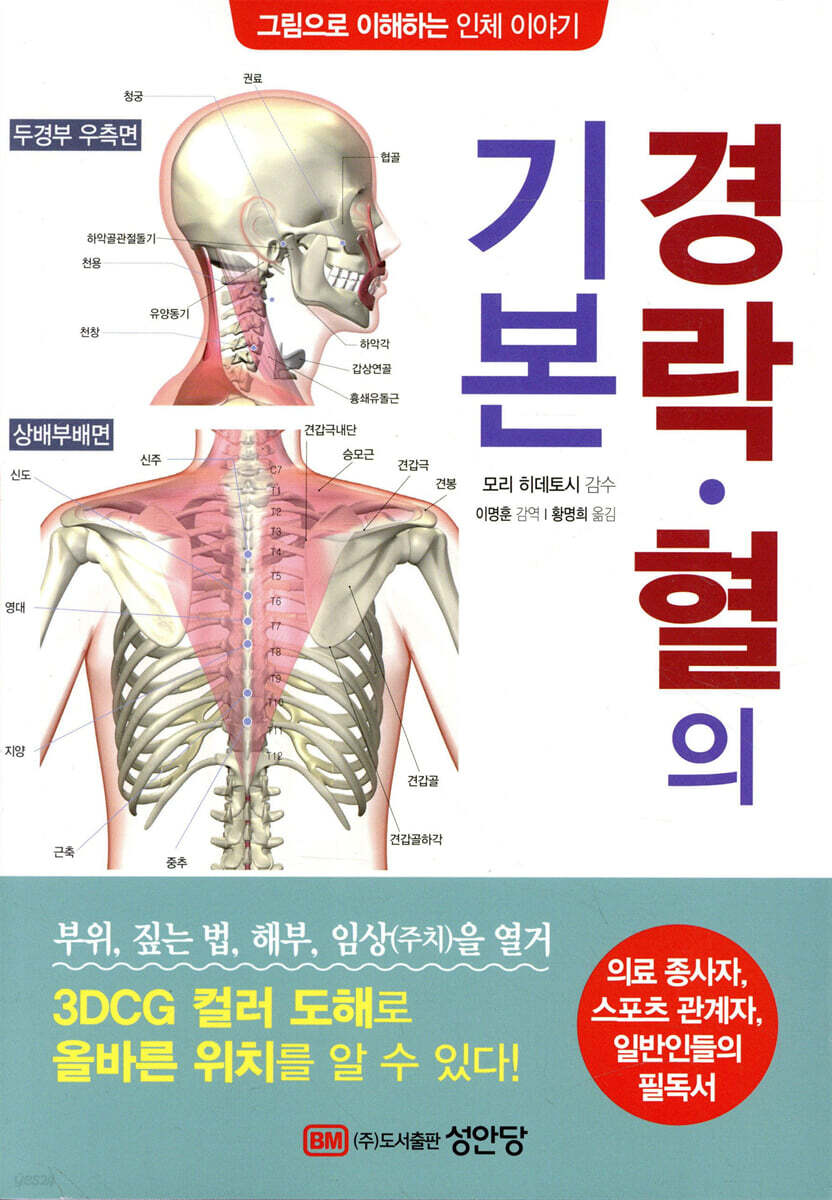
3DCG color diagrams help you find the right location!
The human body is interconnected and intertwined through a network of blood vessels, nerves, meridians, and other components, including the skin, organs, and mind. We live under the constant influence of the natural environment, including the changing climate of day and night and the four seasons.
This can be explained by the Oriental medical concept of yin and yang.
It is believed that the mind, including emotions, and the body, including organs and systems, are interconnected. Recently, we have frequently seen cases in clinical settings where emotions and mentality affect the body, such as decreased gastrointestinal function due to stress or improved immunity through laughter therapy.
The meridians, which are 14 meridians including the twelve main meridians, the ren meridians, and the du meridians, are passages that surround the human body.
The circulating energy of that passage starts from the various organs of the internal organs, goes inside the body or along the surface of the body to the hands, feet, and face, and then returns to the internal organs.
The points that are connected along this meridian are acupoints.
This book explains these 14 meridians in detail, dividing them into each part, tapping method, anatomy, and clinical practice, and organizes the information on the desired meridian so that it can be easily found. Through the glossary, you can understand how the acupoint names were given, which is also helpful in clinical practice.
In addition, it is characterized by the fact that it is organized so that even beginners, such as the general public, can identify the correct location of the acupuncture points by explaining each part with a 3DCG color diagram.
This book is a basic guide for beginners who want to learn acupuncture points, and it covers the basic knowledge in detail, making it recommended for acupuncturists, massage therapists, massage therapists, acupressure therapists, doctors, medical professionals, and sports professionals, so it will be very helpful in the field.
3DCG color diagrams help you find the right location!
The human body is interconnected and intertwined through a network of blood vessels, nerves, meridians, and other components, including the skin, organs, and mind. We live under the constant influence of the natural environment, including the changing climate of day and night and the four seasons.
This can be explained by the Oriental medical concept of yin and yang.
It is believed that the mind, including emotions, and the body, including organs and systems, are interconnected. Recently, we have frequently seen cases in clinical settings where emotions and mentality affect the body, such as decreased gastrointestinal function due to stress or improved immunity through laughter therapy.
The meridians, which are 14 meridians including the twelve main meridians, the ren meridians, and the du meridians, are passages that surround the human body.
The circulating energy of that passage starts from the various organs of the internal organs, goes inside the body or along the surface of the body to the hands, feet, and face, and then returns to the internal organs.
The points that are connected along this meridian are acupoints.
This book explains these 14 meridians in detail, dividing them into each part, tapping method, anatomy, and clinical practice, and organizes the information on the desired meridian so that it can be easily found. Through the glossary, you can understand how the acupoint names were given, which is also helpful in clinical practice.
In addition, it is characterized by the fact that it is organized so that even beginners, such as the general public, can identify the correct location of the acupuncture points by explaining each part with a 3DCG color diagram.
This book is a basic guide for beginners who want to learn acupuncture points, and it covers the basic knowledge in detail, making it recommended for acupuncturists, massage therapists, massage therapists, acupressure therapists, doctors, medical professionals, and sports professionals, so it will be very helpful in the field.
- You can preview some of the book's contents.
Preview
index
Entering
How to view this book
List of blood vessels by body part
Major muscles of the body (front)
Major muscles of the body (back)
Main skeleton of the whole body
Chapter 1: Oriental Medicine, Basic Knowledge of Meridians and Acupuncture Points
Basic concepts of oriental medicine
Functions of qi, blood, body fluid, and essence
Types and Relationships of Organs (Five Elements Theory)
The concept of meridians and acupoints
Representative meridians and their acupoints
The twelve classics of the Sutras
Method of measuring blood location (acupuncture)
SPECIAL COLUMN ① The Life Energy 'Qi' We Feel Every Day
Chapter 2, Meridians 14
Su-eum-pyeong-gyeong
Jungbu, Unmun, Cheonbu, Hyeopbaek, and Cheoktaek
Gong Choi, Yeolgyeol, Gyeonggeo, Taeyeon, Yesterday, Sosang
Suyangmyeong Tripitaka Koreana
Sangyang, Igan, Samgan, and Hapyanggye
Pilryeok, Onryu, Haryeom, Sangryeom, and Susamri
Gokji, Juryo, Suori, Vino, and Gyeonwoo
Bone, ceiling, stone, fire, and influence
Foot Yangming Stomach Meridian
Seungeup, Sabak, Georyo, Jichang, Daeyeong
Hyeopgeo, Hagwan, Doyu, Inyeong, Sudol
Article, Decision, Symbol, Gobang, Okye
Eungchang, Yujung, Yugeun, Bulyong, Seungman
Yangmun, Gwanmun, Taeeul, Hwalyukmun, Cheonchu
Oeryeong, Daegeo, Susoo, Gwirae, Gichung
Pessimism, fortune telling, yin poetry, yanggu, and solitude
Joksamri, Sanggeoheo, Jogu, Hageoheo, Pungryung
Haegye, Chungyang, Hamgok, Naejeong, and Yeotae
Foot Taiyin Spleen Meridian
Eunbaek, Daedo, Taebaek, Gongson, and Sanggu
Sam-eum-gyo, Nu-gok, Ji-gi, Eum-neung-cheon, and Hyeol-hae
Gimun, Chungmun, Busa, Bokgyeol, Daehyeong
Bok-ae, Sik-du, Cheon-gye, Hyeong-hyang, Ju-yeong, Dae-po
Hydrogen Sound Heart Sutra
Geukcheon, Cheongnyeong, Sohae, Yeongdo, and Tongni
Negative pole, newspaper, small part, small insect
Sutaeyangsojanggyeong
Sotaek, Jeongok, Hugye, Wangol, Yanggok
Elderly, designated, small, stable, and elderly
Cheonjong, Byeongpung, Gokwon, Gyeonoesu, Gyeonjungsu
Cheonchang, Cheonyong, Gwonryo, Cheonggung
Foot-Taiyang Cystoscope
Jeongmyeong, Chanjuk, Michung, Gokcha, Ocheo, Seunggwang
Tongcheon, Nakgak, Okchim, Cheonju, Daejeo, Pungmun
Pyeoyu, Gweol-eum-yu, Sim-yu, Dok-yu, Gyeok-yu, Gan-yu
Damyu, Biyu, Weiyu, Samchoyu, Shinyu, Gihaeyu
Large intestine oil, tuberculosis oil, small intestine oil, bladder oil, and middle intestine oil
Baekhwanyu, Sangryo, Charyo, Jungryo, Haryo, Hoeyang
Seungbu, Eunmun, Bujeok, Wiyang, Dangjung, Partial
Baekho, Gohwang, Shindang, Uihui, and Gyeokgwan
Honmun, Yanggang, Uisa, Wichang, Hwangmun
Jisil, Pohwang, Jilbyeon, Hapyang, Seunggeun
Seungsan, Biyang, Buyang, Kunlun, and Boksam
Shinmaek, Geummun, Shingol, Sokgol, Joktonggok, Jieum
sciatic nerve
Yongcheon, Yeongok, Taegye, Daejong, Sucheon, and Johae
Class, communication, congratulatory message, music, horizontal line, and great reform
Qi and blood, Saman, Jungju, Hwangyu, Sanggok
Stone coffin, sound chamber, abdominal cavity, pyre, and burial chamber
Shinbong, Yeongheo, Shinjang, Ukjung, Yubu
Subjugateumsimpogyeong
Cheonji, Cheoncheon, Goktaek, Geukmun, Gansa
Naegwan, Daereung, Nogung, Jungchung
Hydrogen yangsamchogyeong
Guanchong, liquid, middle and bottom, sunny place, exterior, earth
Hoejong, Samyangrak, Sadok, Cheonjeong, Cheongnaengyeon, Sorak
Elderly, Elderly, Elderly, Elderly, Elderly, Elderly, Elderly, Elderly, Elderly, Elderly
Nosik, Gakson, Imun, Hwaryo, and Sajukgong
Foot-So-Yang Gallbladder Meridian
Dongja-ro·Cheonghoe·Sang-gwan·Ham-yeom·Hyeon-ro·Hyeon-ri
Gokbin, Solgok, Cheonchung, Bubaek, Dugyueum, Wangol
Bonsin, Yangbaek, Duim-eup, Mokchang, Jeongyeong, and Seungnyeong
Brain hole, wind and earth, firmness, auspiciousness, close root, sun and moon
Sutra, Maek, Ochu, Yudo, Georyo
Hwando, Pungsi, Jungdok, Seulyanggwan, Yangneungcheon
Yanggyo, Oegoo, Gwangmyeong, Yangbo, Hyeonjong
Guheo, Jokim-eup, Jiohoe, Hyeopgye, Jokgyu-eum
Foot Jueyin Liver Sutra
Daedon, Haenggan, Taechung, Jungbong, and Yeogu
Jungdo, Seulgan, Gokcheon, Eumpo, and Jokori
Yin, qipao, long, and qi gates
poison
Janggang, Yoyu, Yoyanggwan, Myeongmun, Hyeonchu, and Cheokjung
Central axis, central axis, fulcrum, yongdae, shindo, shinju
Dodo, jujube, amun, abundance, thunder tiger, rape
Hujeong, Baekhoe, Jeonjeong, Shinhoe, Sangseong
Shinjeong, Soryo, Sugu, Taedan, Eungyo
Immaek
Hoeum, Gokgol, Junggeuk, Gwanwon, Seokmun, Gihae
Eumgyo, Shinkwol, Subun, Hawan, Geonri, Jungwan
Sangwan, Geogwol, Gumi, Jungjeong, Jeonjung, Okdang
Uterus, Hwagae, Seon-gi, Cheondol, Yeomcheon, Seungjang
SPECIAL COLUMN ② "Sharin," a method of Oriental medicine that thoroughly examines the entire body
Chapter 3: Qi and Blood
48 points of energy and blood
SPECIAL COLUMN ③ Various Treatments Using Blood: Types of Acupuncture
Chapter 4: Effective blood for improving symptoms and constitution
Headache and stiff shoulders
Back pain, leg pain, and joint pain
Constipation/diarrhea
digestive system diseases
chest pain
High blood pressure/low blood pressure
Insomnia/autonomic dysregulation
Five internal organ color chart
Search
How to view this book
List of blood vessels by body part
Major muscles of the body (front)
Major muscles of the body (back)
Main skeleton of the whole body
Chapter 1: Oriental Medicine, Basic Knowledge of Meridians and Acupuncture Points
Basic concepts of oriental medicine
Functions of qi, blood, body fluid, and essence
Types and Relationships of Organs (Five Elements Theory)
The concept of meridians and acupoints
Representative meridians and their acupoints
The twelve classics of the Sutras
Method of measuring blood location (acupuncture)
SPECIAL COLUMN ① The Life Energy 'Qi' We Feel Every Day
Chapter 2, Meridians 14
Su-eum-pyeong-gyeong
Jungbu, Unmun, Cheonbu, Hyeopbaek, and Cheoktaek
Gong Choi, Yeolgyeol, Gyeonggeo, Taeyeon, Yesterday, Sosang
Suyangmyeong Tripitaka Koreana
Sangyang, Igan, Samgan, and Hapyanggye
Pilryeok, Onryu, Haryeom, Sangryeom, and Susamri
Gokji, Juryo, Suori, Vino, and Gyeonwoo
Bone, ceiling, stone, fire, and influence
Foot Yangming Stomach Meridian
Seungeup, Sabak, Georyo, Jichang, Daeyeong
Hyeopgeo, Hagwan, Doyu, Inyeong, Sudol
Article, Decision, Symbol, Gobang, Okye
Eungchang, Yujung, Yugeun, Bulyong, Seungman
Yangmun, Gwanmun, Taeeul, Hwalyukmun, Cheonchu
Oeryeong, Daegeo, Susoo, Gwirae, Gichung
Pessimism, fortune telling, yin poetry, yanggu, and solitude
Joksamri, Sanggeoheo, Jogu, Hageoheo, Pungryung
Haegye, Chungyang, Hamgok, Naejeong, and Yeotae
Foot Taiyin Spleen Meridian
Eunbaek, Daedo, Taebaek, Gongson, and Sanggu
Sam-eum-gyo, Nu-gok, Ji-gi, Eum-neung-cheon, and Hyeol-hae
Gimun, Chungmun, Busa, Bokgyeol, Daehyeong
Bok-ae, Sik-du, Cheon-gye, Hyeong-hyang, Ju-yeong, Dae-po
Hydrogen Sound Heart Sutra
Geukcheon, Cheongnyeong, Sohae, Yeongdo, and Tongni
Negative pole, newspaper, small part, small insect
Sutaeyangsojanggyeong
Sotaek, Jeongok, Hugye, Wangol, Yanggok
Elderly, designated, small, stable, and elderly
Cheonjong, Byeongpung, Gokwon, Gyeonoesu, Gyeonjungsu
Cheonchang, Cheonyong, Gwonryo, Cheonggung
Foot-Taiyang Cystoscope
Jeongmyeong, Chanjuk, Michung, Gokcha, Ocheo, Seunggwang
Tongcheon, Nakgak, Okchim, Cheonju, Daejeo, Pungmun
Pyeoyu, Gweol-eum-yu, Sim-yu, Dok-yu, Gyeok-yu, Gan-yu
Damyu, Biyu, Weiyu, Samchoyu, Shinyu, Gihaeyu
Large intestine oil, tuberculosis oil, small intestine oil, bladder oil, and middle intestine oil
Baekhwanyu, Sangryo, Charyo, Jungryo, Haryo, Hoeyang
Seungbu, Eunmun, Bujeok, Wiyang, Dangjung, Partial
Baekho, Gohwang, Shindang, Uihui, and Gyeokgwan
Honmun, Yanggang, Uisa, Wichang, Hwangmun
Jisil, Pohwang, Jilbyeon, Hapyang, Seunggeun
Seungsan, Biyang, Buyang, Kunlun, and Boksam
Shinmaek, Geummun, Shingol, Sokgol, Joktonggok, Jieum
sciatic nerve
Yongcheon, Yeongok, Taegye, Daejong, Sucheon, and Johae
Class, communication, congratulatory message, music, horizontal line, and great reform
Qi and blood, Saman, Jungju, Hwangyu, Sanggok
Stone coffin, sound chamber, abdominal cavity, pyre, and burial chamber
Shinbong, Yeongheo, Shinjang, Ukjung, Yubu
Subjugateumsimpogyeong
Cheonji, Cheoncheon, Goktaek, Geukmun, Gansa
Naegwan, Daereung, Nogung, Jungchung
Hydrogen yangsamchogyeong
Guanchong, liquid, middle and bottom, sunny place, exterior, earth
Hoejong, Samyangrak, Sadok, Cheonjeong, Cheongnaengyeon, Sorak
Elderly, Elderly, Elderly, Elderly, Elderly, Elderly, Elderly, Elderly, Elderly, Elderly
Nosik, Gakson, Imun, Hwaryo, and Sajukgong
Foot-So-Yang Gallbladder Meridian
Dongja-ro·Cheonghoe·Sang-gwan·Ham-yeom·Hyeon-ro·Hyeon-ri
Gokbin, Solgok, Cheonchung, Bubaek, Dugyueum, Wangol
Bonsin, Yangbaek, Duim-eup, Mokchang, Jeongyeong, and Seungnyeong
Brain hole, wind and earth, firmness, auspiciousness, close root, sun and moon
Sutra, Maek, Ochu, Yudo, Georyo
Hwando, Pungsi, Jungdok, Seulyanggwan, Yangneungcheon
Yanggyo, Oegoo, Gwangmyeong, Yangbo, Hyeonjong
Guheo, Jokim-eup, Jiohoe, Hyeopgye, Jokgyu-eum
Foot Jueyin Liver Sutra
Daedon, Haenggan, Taechung, Jungbong, and Yeogu
Jungdo, Seulgan, Gokcheon, Eumpo, and Jokori
Yin, qipao, long, and qi gates
poison
Janggang, Yoyu, Yoyanggwan, Myeongmun, Hyeonchu, and Cheokjung
Central axis, central axis, fulcrum, yongdae, shindo, shinju
Dodo, jujube, amun, abundance, thunder tiger, rape
Hujeong, Baekhoe, Jeonjeong, Shinhoe, Sangseong
Shinjeong, Soryo, Sugu, Taedan, Eungyo
Immaek
Hoeum, Gokgol, Junggeuk, Gwanwon, Seokmun, Gihae
Eumgyo, Shinkwol, Subun, Hawan, Geonri, Jungwan
Sangwan, Geogwol, Gumi, Jungjeong, Jeonjung, Okdang
Uterus, Hwagae, Seon-gi, Cheondol, Yeomcheon, Seungjang
SPECIAL COLUMN ② "Sharin," a method of Oriental medicine that thoroughly examines the entire body
Chapter 3: Qi and Blood
48 points of energy and blood
SPECIAL COLUMN ③ Various Treatments Using Blood: Types of Acupuncture
Chapter 4: Effective blood for improving symptoms and constitution
Headache and stiff shoulders
Back pain, leg pain, and joint pain
Constipation/diarrhea
digestive system diseases
chest pain
High blood pressure/low blood pressure
Insomnia/autonomic dysregulation
Five internal organ color chart
Search
GOODS SPECIFICS
- Date of issue: July 4, 2022
- Page count, weight, size: 240 pages | 434g | 158*218*20mm
- ISBN13: 9788931589733
- ISBN10: 8931589735
You may also like
카테고리
korean


korean

![GQ KOREA Mark (Monthly): December [2025]](http://librairie.coreenne.fr/cdn/shop/files/8ef265dbbfbf186523ed75ba7319009d.jpg?v=1765340328&width=3840)


