

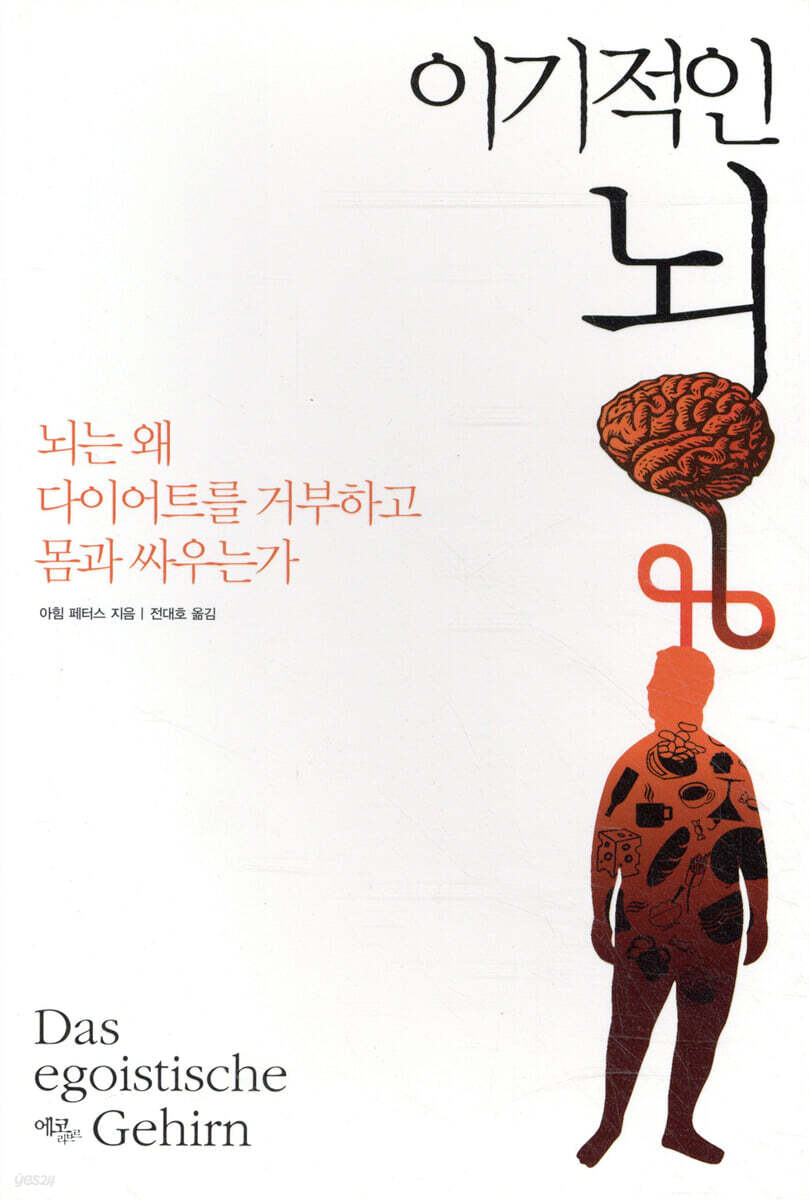
selfish brain
 |
Description
Book Introduction
The brain determines everything in our body.
Why does one of our internal organs seem to be immune to nutritional deficiencies, even in times of dire starvation? The only possible explanation for this phenomenon is that the brain occupies a special position in the body's metabolic hierarchy.
The brain first provides nourishment to the body itself.
Therefore, when a deficiency occurs, all other organs must hand over all available energy to the brain and starve.
“Brain selfishness” even manifests itself in emergency situations where the brain blocks most of the energy going to the rest of the body.
This characteristic behavior led to the name “selfish brain theory” for the research direction underlying this book.
The selfish brain theory has received positive reviews in over 10,000 papers from a wide range of disciplines, and its plausibility has been tested at two international conferences attended by carefully selected experts from each field.
We discussed the evolutionary advantages of the brain's selfishness and looked at diet from a neuroscientific perspective.
It covers how the brain regulates metabolism, manages energy, and what the real causes of obesity and diabetes are.
Why does one of our internal organs seem to be immune to nutritional deficiencies, even in times of dire starvation? The only possible explanation for this phenomenon is that the brain occupies a special position in the body's metabolic hierarchy.
The brain first provides nourishment to the body itself.
Therefore, when a deficiency occurs, all other organs must hand over all available energy to the brain and starve.
“Brain selfishness” even manifests itself in emergency situations where the brain blocks most of the energy going to the rest of the body.
This characteristic behavior led to the name “selfish brain theory” for the research direction underlying this book.
The selfish brain theory has received positive reviews in over 10,000 papers from a wide range of disciplines, and its plausibility has been tested at two international conferences attended by carefully selected experts from each field.
We discussed the evolutionary advantages of the brain's selfishness and looked at diet from a neuroscientific perspective.
It covers how the brain regulates metabolism, manages energy, and what the real causes of obesity and diabetes are.
- You can preview some of the book's contents.
Preview
index
Preface: The Problem with Jikini
Part 1: How the Brain Regulates Metabolism
Being Overweight: Is It All a Matter of Will?
The energy your brain orders: a cup of sugar a day
Evolution and the Selfish Brain
Brain energy management
The Birth of the Selfish Brain
Why Athlete Success Comes from the Head
Midnight hunger strike
The parasite within us
Part 2: How the Brain Sacrifices the Body to Solve the Energy Crisis
General Silence: The Stillness of the Brain
Brain-Tugging Competitiveness Lacks: Food as an Emergency Response
Diabetes medicine put to the test
Why Dieting Is Useless
Will losing weight cause depression?
Part 3: The Real Causes of Overweight and Diabetes: Prevention and Exit
damaged memory genes
How Chronic Stress Programs Our Brains
programmed appetite
When stress develops into psychological trauma
Game controllers and reprogramming brain metabolism
false signal
Find out the true cause of being overweight and eliminate it.
Emotions are our guide
Metabolism Education: How to Raise Your Kids to Slim
Conclusion
Glossary of Terms
References
Acknowledgements
Part 1: How the Brain Regulates Metabolism
Being Overweight: Is It All a Matter of Will?
The energy your brain orders: a cup of sugar a day
Evolution and the Selfish Brain
Brain energy management
The Birth of the Selfish Brain
Why Athlete Success Comes from the Head
Midnight hunger strike
The parasite within us
Part 2: How the Brain Sacrifices the Body to Solve the Energy Crisis
General Silence: The Stillness of the Brain
Brain-Tugging Competitiveness Lacks: Food as an Emergency Response
Diabetes medicine put to the test
Why Dieting Is Useless
Will losing weight cause depression?
Part 3: The Real Causes of Overweight and Diabetes: Prevention and Exit
damaged memory genes
How Chronic Stress Programs Our Brains
programmed appetite
When stress develops into psychological trauma
Game controllers and reprogramming brain metabolism
false signal
Find out the true cause of being overweight and eliminate it.
Emotions are our guide
Metabolism Education: How to Raise Your Kids to Slim
Conclusion
Glossary of Terms
References
Acknowledgements
Publisher's Review
The brain determines everything in our body.
“The brain communicates with every part of the body through the nervous system, and among other things, it supplies energy to itself.
But as a human being, can I truly be aware of this immense exchange of information taking place within my body? We can only perceive a fraction of it, and even the messages that enter our consciousness are difficult to decipher.
That message is none other than our emotions.
Emotions are what our brain says to us.
… … If we can get back in touch with our emotions and desires, our lives will be richer.
Therefore, for those who find themselves outside their emotional homeostasis range, it is important to relearn how to interpret what their emotions are telling them.
If you succeed in this learning, it will become much easier to resolve conflict at its root.
Conversely, if we fail to learn this, the conflict will subside but remain beneath the surface.
Only when we reach emotional and energy homeostasis can we remain within our comfort zone, like the sea worm's marine relatives.
“Not somewhere else, but within our comfort zone within ourselves.” (pp. 300-301)
1. The Birth of Theory
When you look at pictures of starving African children, their bodies are thin, but their heads are the same size, so their heads appear relatively larger.
Studies of corpses that died from illness and starvation (the technical term is "starvation emaciation") have shown that all internal organs in these emaciated corpses were up to 40% lighter than those of normally nourished adults, with the exception of the brain.
The brain weight loss was only 2% (1921 study by Marie Krieger, a pathologist at the University of Jena, Germany, pp. 20-23). This result is exactly the same as what is measured today by magnetic resonance imaging (MRI) to measure the shrinkage of internal organs in living people.
Why is this so? Why does one of our internal organs seem to be immune to malnutrition, even in times of dire starvation? The only possible explanation for this phenomenon is that the brain occupies a special position in the body's metabolic hierarchy.
The brain first provides nourishment to the body itself.
The rest of the body must be satisfied with the nutrients left over after supplying the brain.
Therefore, when a deficiency occurs, all other organs must hand over all available energy to the brain and starve.
In this way, Marie Krieger was the first to present evidence that our metabolism is organized hierarchically and that the brain occupies a special position in that hierarchy.
“Brain selfishness” even manifests itself in emergency situations where the brain blocks most of the energy going to the rest of the body.
This characteristic behavior led to the name “selfish brain theory” for the research direction underlying this book.
Chapter 1 of this book establishes the “selfish brain theory” by unfolding the long journey of research required to establish this theory.
First of all, it is argued that “the cause of overweight lies in the body’s energy metabolism” and “glucostatic theory: the theory that the decisive factor in determining the body’s energy supply is the balance of blood sugar levels”.
In short, Jean Mayer, who presented “blood sugar controlled through nutritional intake determines the amount of energy supplied to all organs, including the brain)” and Gordon Kennedy, who proposed “lipostatic theory (which also assumes that a certain substance from the body controls energy supply and demand, but claims that the substance is not in the blood but in the adipose tissue)” which was a modified version of Jean Mayer’s basic idea, and then Marie Krieger’s research, which was presented earlier, was the decisive turning point for establishing the theory.
The author, who provided the opportunity to establish the theory in Krieger's research, came up with the idea (1987) that "if we use the brain, we can keep the body slim in a state of overnutrition" based on the aforementioned brain selfishness, that is, the fact that the brain blocks most of the energy going to the rest of the body in an emergency situation, and then thought about "how does the brain supply and block energy going to the body?"
This is where his traffic light idea theory (the theory that the body's blood sugar control system could be likened to a variable traffic light) was born.
So let's say road A leads to the brain, and road B leads to fat and muscle tissue.
When an energy imbalance occurs (too little glucose reaches the brain and too much reaches the storage organs), a signal is sent to the pancreas saying, “Insulin suppression!”
Then, fat tissue and muscle tissue cannot take up glucose, and “blood sugar traffic” flows unhindered to the brain.
And when there is an excess of capacity in the brain, the opposite command is given: “Secure insulin!”
This then opens up stores in muscle and fat tissue, directing glucose flow there.
He continued to push the traffic light theory to the limit in 1998, 12 years later, while working at the University of Lübeck's medical faculty, with the questions, "Does the brain control the flow of energy in the body?" and "If so, how does it do so?"
Meanwhile, three important functions related to 'brain and body metabolism' were discovered, which decisively supported his theory.
In 1994, Luc Pellerin discovered the core mechanism of brain energy metabolism, demonstrating that neurons “order” the body to provide energy.
That same year, Jeffrey Friedman discovered leptin, a signaling molecule produced by the body that tells the brain about the energy levels of fat and muscle tissue.
Three years later, David Spanswick discovered leptin in the ventromedial hypothalamus (VMH).
The ventromedial hypothalamus is a region in the upper part of the brainstem that controls the body's metabolism.
This area gathers information about the flow of energy in the blood, and monitors and compares the brain's energy saturation with that of fat and muscle tissue.
It is also where glucose flow is controlled.
In short, Spanswick discovered a traffic light in the brain.
The author systematized the theories of these three people and his own theory by fitting them together like a puzzle and published it in 2004.
?The brain first regulates its own state of energy fullness.
To do this, the brain activates the stress system, which draws energy stored in the body into the brain.
(The road to the brain turns green.)
?Soon after, the stress system returns to a dormant state.
Now comes the nutrient intake to replenish the body's energy stores.
(The road leading to the body turns green.)
The selfish brain theory has been positively evaluated in over 10,000 papers from a wide range of disciplines.
It has also undergone “plausibility” validation through numerous personal conversations and two international conferences with carefully selected experts in the fields of neuroenergetics, stress medicine, obesity, diabetes, sleep, and memory.
In 2004, the German Research Foundation organized a clinical research team at the University of Lübeck called “The Selfish Brain: Brain Glucose and the Metabolic Syndrome.”
Since then, the team I lead has 36 scientists and 50 doctoral students from the fields of neuroscience, internal medicine, diabetes, psychiatry, psychology, neuroendocrinology, pharmacology, food and family economics, biochemistry, chemistry, and mathematics, and has been researching the selfishness of the brain as a common topic.
The brain's selfishness is an evolutionary advantage.
When the brain's traffic lights function properly, the brain's selfishness benefits us.
Because the brain's selfishness ensures our survival in times of need and keeps us slim in times of abundance.
But if something goes wrong with that traffic light system, the consequences can be dire.
The so-called diseases of our time—obesity, type 2 diabetes, anorexia and bulimia—arise not from “excess” or conscious “giving up,” but from changes in the traffic light system within us.
Only by understanding the brain's role as both primary consumer and controller of human energy metabolism can we develop treatments that go beyond treating symptoms and ultimately address the causes of obesity and diabetes.
We can also break away from the idea that if we just diet very strictly, we can maintain our weight loss for a long time.
This topic will also lead to the question of how our emotional lives and stress management are linked to the metabolism of our brain and body.
2.
How the Selfish Brain Works
Of the 200 grams of glucose a person consumes per day, the brain alone consumes a whopping 130 grams.
The question that arises here is why the brain monopolizes high-energy glucose and why this imbalance occurs in our bodies.
To explain this phenomenon, researchers first focused on how energy is procured in the brain's nerve cells, or neurons.
Every individual neuron manages its own energy logistics.
Neurons draw energy from so-called astrocytes, which have multiple projections, one side of which touches the neuron and the other side of which touches the capillaries.
Capillaries, the thinnest blood vessels in our body, transport blood, which is like fuel, to cells.
Glucose transporters in the astrocytic membrane are tubular in shape and have the flexibility to open and close.
They open when the cell needs energy and close again when the energy demand is met.
In short, astrocytes actively receive energy.
Glucose that reaches astrocytes through open tubes is immediately converted into lactic acid through a chemical reaction.
This completes the process of preparing the nerve cells for glucose consumption.
Another question that can be raised here is how do astrocytes know when the neurons they are connected to need energy and how much energy the neurons need?
The substance involved here is glutamate, a neurotransmitter discovered by Luc Pellerin.
When astrocytes' projections touch the gap between the transmitting and receiving neurons, the astrocytes also come into contact with glutamate.
In this state of connection, a kind of gap is formed between the neuron and the astrocyte, and that gap is suitable for receiving information.
Pelerin demonstrated in laboratory conditions that astrocytes receive glutamate and respond to commands from that signaling molecule.
In other words, brain cells order the energy they need on their own.
In other words, the brain's neurons order energy, and the amount of energy they receive is determined by supply and demand.
This was a groundbreaking discovery.
So the remaining question is how the energy gets into the nerve cells, or into the organs and brain.
Pelerin successfully answered this question through laboratory experiments in his field.
However, because research on the selfish brain is conducted at a long-term level, such results could not be easily achieved.
This is where the principle of self-resemblance comes into play.
That is, cases where the macro- and micro-structures of a system are remarkably similar, as we often find in living and non-living nature (especially coastlines).
If that principle applies in this case, then not only individual neurons on a microscopic scale, but also the brain on a macroscopic scale would require energy at every moment.
Throughout our lives, without resting even when we sleep.
The only thing the brain has powerful enough to force the body to meet these demands is the stress system.
In the evolution of vertebrates, the stress system emerged to better cope with dangerous situations and to respond immediately to stressors (threatening external stimuli) with a fight or flight response.
When danger strikes, our reactivity is heightened, the stress hormone adrenaline is released, our blood pressure rises, our heart rate accelerates, and our bodies work at full capacity.
Here we must now learn about the brain's energy supply process.
In the supply chain, glucose is transported primarily to the brain, but some is transported to storage tissues (muscle and adipose tissue).
Therefore, glucose always flows in one of two directions: towards the brain or towards storage.
Here, the force by which the brain pulls available energy (glucose) from the body is called “brain pull.”
The brain determines its energy needs with the help of an ATP sensor located in the ventromedial hypothalamus (VMH), which controls energy supply, adenosine triphosphate (ADP), which determines energy flow.
When the ATP sensors in neurons detect that the brain needs energy, the brain uses a stress system to suppress insulin secretion from the pancreas, preventing muscles and fat from absorbing glucose.
In this way, the brain temporarily cuts off the flow of energy to storage organs by issuing a command to suppress insulin, allowing them to monopolize most of the available glucose.
Then, the storage areas such as muscles, fat, and liver become empty and energy must be supplied from outside.
At this time, the lateral hypothalamus (LH) sends a pulling signal, which is called “body-pulling.”
The body attracts energy to match its state of energy fullness, which is through food intake.
But if there is nothing to eat at home, a “search-pull” to get food comes into play.
Exploration and containment are powerful forces.
In times of crisis, its power is as strong as that of nature, capable of turning people into thieves and beggars, threatening peace and destroying society.
However, the most important of these three is brain-pulling, and what has a decisive influence on their functioning is the information stored in both cerebral hemispheres.
We call that information “memory,” and it also activates a mechanism in our brain to trigger impulses.
Moreover, the selfish brain also affects the fetus through the placenta.
3.
A comfortable state of mind and body
One thing we must keep in mind here is that all pulls work to keep our bodies in the most comfortable state possible at all times.
In other words, it means constantly pursuing a state of balance.
In the brain, the amount of energy carrier ATP supplied to nerve cells is measured by potassium channels, which have sensitive sensor 1 and insensitive sensor 2.
In situations where sensor 1 binds ATP better than sensor 2, this imbalance causes a “low energy” signal.
Then order glucose.
On the other hand, in situations where the insensitive sensor 2 can also bind to ATP, the signal from sensor 2 becomes stronger than the signal from sensor 1.
Then again, due to the imbalance, it reports “energy excess” and stops providing glucose.
However, sensor 1 is on glutamate neurons (a substance that neurons use to order glucose), and sensor 2 is on GABA neurons (the most important inhibitory signaling substance in the nervous system).
In other words, the interaction between these two signaling substances that occurs in the brain aims at energy balance in nerve cells.
When faced with energy shortage in the body, the brain-pulling system is activated first.
Afterwards, body-pull and exploration-pull are activated.
So we feel hungry, become more alert, and increase our overall output to search for food.
At this time, the energy balance is at risk and the stress system is triggered to try to return to a dormant state again.
In other words, when the brain is demanding energy, the stress system makes us feel uncomfortable.
At times like that, people become upset, impatient, tense, and angry.
There is a need to change this situation into a positive one.
The most reasonable and obvious strategy is, of course, food intake.
This strategy caters to one of our most important needs: the desire to be comfortable.
Here, the amygdala is associated with emotional memory, and cortisol is found here.
Cortisol binds to two types of receptors: MR, a sensitive receptor (triggering long-term potentiation), and GR, a desensitized receptor (triggering long-term depression). The former increases the output of the stress system, while the latter decreases its output until the system returns to a resting state.
This shows that the “principle of homeostasis” also applies to the stress system.
4.
Brain-pulling dysfunction, overweight, and the crisis of type 2 diabetes and its treatment
Here, we explore how the brain bypasses these brain-pulling disturbances, what emergency solutions it has in place, and how they affect the body.
One of the most severe energy crises medicine deals with occurs in patients with diabetes.
The progression of type 1 diabetes is often a process of brain-brain decline, and the main culprit for this decline is excess cortisol.
The brain-pull becomes more and more stubborn and eventually the brain suppresses insulin secretion, leaving it without energy to supply itself.
Additionally, we lose the additional regulatory mechanisms of the sympathetic nervous system needed to draw energy from the body's stores.
So, it is impossible to avoid a coma, and we must learn through practice how to correctly detect and interpret the warning signs that can help us avoid it (p. 111).
Next is the problem of being overweight, as overweight people are also people who have developed poor brain-pulling skills.
Their brains have a weakened ability to draw energy from the body and are in the process of becoming weaker.
In other words, it is a bad result brought about by brain-pulling overload.
When there is a disruption in brain-pulling, the flow of glucose to the brain immediately becomes stagnant.
The cause of stagnation lies in the brain.
Wear and tear plays a significant role in the body's energy supply disruption, often due to repeated stressful experiences (at home, in relationships, or at work) and the resulting surges in cortisol, which negatively impact brain-pulse regulation.
Whenever cortisol is secreted in excess, the brain remembers the event, and as a result, changes occur in neurons that can regularly neutralize the brain-pulling effect.
Then the brain becomes powerless and loses out to the body in the competition for energy.
So instead of being supplied to the brain, glucose goes straight to muscle and fat tissue.
So the body changes into being overweight.
In other words, the brain's energy supply must be optimized and the stress system must be fully functional to prevent fat stores from overfilling.
Only then will you avoid overeating.
This raises questions about the treatment of type 2 diabetes.
When blood insulin levels are high, more energy is stored in muscle and fat cells, ultimately causing an overabundance of energy in these cells.
The excess glucose then enters the bloodstream and is excreted through the kidneys.
In other words, it is literally overflowing with energy.
The knowledge that a lack of brain-pulling competitiveness is the cause of diabetes is still new and has a long way to go before it becomes widely known in the medical community.
As long as the brain-brain connection is functioning without interruption, the energy supply to the body and brain is optimized.
In other words, if we move away from viewing weight gain and high blood sugar solely as negative, as symptoms of disease, and instead view them as coping strategies for improving energy supply in crisis situations, the brain's intentions become clearer.
The brain uses such strategies to improve its own physiological situation.
The balance of the past, namely blood sugar homeostasis, loses its influence.
Therefore, the human body seeks a new balance to stabilize the energy flow.
In conclusion, if the recognition that brain-pulling disorders are the initiating factor in the development of type 2 diabetes becomes widespread, entirely new approaches may emerge, at least in terms of prevention.
Brain-pulling disorders can be re-enforced through appropriate behavioral medicine programs.
5.
Why Dieting Is Useless
We've tried countless diet methods, yet the media is still overflowing with them.
Doesn't that mean all diets have failed and that dieting isn't necessary? Perhaps that's why I'm explaining why dieting is futile here, too.
The method of dieting expressed so far is the will to reduce calories, and the corresponding command is transmitted from the prefrontal cortex and amygdala to the hypothalamus.
This command stimulates brain-pulling and suppresses body-pulling in the hypothalamus.
However, the stress system always wants to return to a resting state, so it rebels against the brain's decision.
Thus, the brain becomes a seething battlefield of conflict.
In other words, from the perspective of the brain regions responsible for energy supply, dieting is undoubtedly a crisis.
First, it activates the brain-pulling urgently and eventually takes a load.
Because you finally realize that your body cannot solve its energy problems, you end up disrupting the metabolic balance of your body to a significant degree.
In other words, if the neutral weight is broken, brain metabolism is put under pressure.
In other words, the human body is constantly influenced by cortisol and becomes “stressed.”
That is, in Bruce McEwan's words, we are subjected to a “dynamic homeostatic load,” which refers to the effects of long-term stress on the human body.
Persistently elevated cortisol levels can have several serious consequences, one of which is damage to the skeleton.
Overall, the skeletal tissue is reduced.
But the harm is more widespread.
Muscle mass also decreases and subcutaneous fat moves and turns into abdominal fat.
Of course, the same goes for low-calorie diets.
But more importantly, in people who are constantly struggling with weight, long-term dynamic homeostatic load affects emotions and mood.
Dieting can cause depression and ruin our mood and self-confidence by forcing us to give up and discipline (see pages 154-166 for more on depression and its effects on mood).
Brain-pull strengthening is about finding a new, lighter, neutral weight for the body, and it refreshes our mood.
Finally, this book explores the real causes of obesity and diabetes and seeks ways to prevent and overcome them.
It is a physical thing, but there are also many social and environmental factors.
Internal factors include cerebral blood flow disorders, chronic stress, programmed appetite, artificial sweeteners, drugs, wrong drugs (antidepressants), opioids, marijuana, and alcohol.
However, emotional stability and brain-pulling stabilization are of utmost importance.
Reading this book will shatter all the common sense we have known so far.
And we will face a new world.
“The brain communicates with every part of the body through the nervous system, and among other things, it supplies energy to itself.
But as a human being, can I truly be aware of this immense exchange of information taking place within my body? We can only perceive a fraction of it, and even the messages that enter our consciousness are difficult to decipher.
That message is none other than our emotions.
Emotions are what our brain says to us.
… … If we can get back in touch with our emotions and desires, our lives will be richer.
Therefore, for those who find themselves outside their emotional homeostasis range, it is important to relearn how to interpret what their emotions are telling them.
If you succeed in this learning, it will become much easier to resolve conflict at its root.
Conversely, if we fail to learn this, the conflict will subside but remain beneath the surface.
Only when we reach emotional and energy homeostasis can we remain within our comfort zone, like the sea worm's marine relatives.
“Not somewhere else, but within our comfort zone within ourselves.” (pp. 300-301)
1. The Birth of Theory
When you look at pictures of starving African children, their bodies are thin, but their heads are the same size, so their heads appear relatively larger.
Studies of corpses that died from illness and starvation (the technical term is "starvation emaciation") have shown that all internal organs in these emaciated corpses were up to 40% lighter than those of normally nourished adults, with the exception of the brain.
The brain weight loss was only 2% (1921 study by Marie Krieger, a pathologist at the University of Jena, Germany, pp. 20-23). This result is exactly the same as what is measured today by magnetic resonance imaging (MRI) to measure the shrinkage of internal organs in living people.
Why is this so? Why does one of our internal organs seem to be immune to malnutrition, even in times of dire starvation? The only possible explanation for this phenomenon is that the brain occupies a special position in the body's metabolic hierarchy.
The brain first provides nourishment to the body itself.
The rest of the body must be satisfied with the nutrients left over after supplying the brain.
Therefore, when a deficiency occurs, all other organs must hand over all available energy to the brain and starve.
In this way, Marie Krieger was the first to present evidence that our metabolism is organized hierarchically and that the brain occupies a special position in that hierarchy.
“Brain selfishness” even manifests itself in emergency situations where the brain blocks most of the energy going to the rest of the body.
This characteristic behavior led to the name “selfish brain theory” for the research direction underlying this book.
Chapter 1 of this book establishes the “selfish brain theory” by unfolding the long journey of research required to establish this theory.
First of all, it is argued that “the cause of overweight lies in the body’s energy metabolism” and “glucostatic theory: the theory that the decisive factor in determining the body’s energy supply is the balance of blood sugar levels”.
In short, Jean Mayer, who presented “blood sugar controlled through nutritional intake determines the amount of energy supplied to all organs, including the brain)” and Gordon Kennedy, who proposed “lipostatic theory (which also assumes that a certain substance from the body controls energy supply and demand, but claims that the substance is not in the blood but in the adipose tissue)” which was a modified version of Jean Mayer’s basic idea, and then Marie Krieger’s research, which was presented earlier, was the decisive turning point for establishing the theory.
The author, who provided the opportunity to establish the theory in Krieger's research, came up with the idea (1987) that "if we use the brain, we can keep the body slim in a state of overnutrition" based on the aforementioned brain selfishness, that is, the fact that the brain blocks most of the energy going to the rest of the body in an emergency situation, and then thought about "how does the brain supply and block energy going to the body?"
This is where his traffic light idea theory (the theory that the body's blood sugar control system could be likened to a variable traffic light) was born.
So let's say road A leads to the brain, and road B leads to fat and muscle tissue.
When an energy imbalance occurs (too little glucose reaches the brain and too much reaches the storage organs), a signal is sent to the pancreas saying, “Insulin suppression!”
Then, fat tissue and muscle tissue cannot take up glucose, and “blood sugar traffic” flows unhindered to the brain.
And when there is an excess of capacity in the brain, the opposite command is given: “Secure insulin!”
This then opens up stores in muscle and fat tissue, directing glucose flow there.
He continued to push the traffic light theory to the limit in 1998, 12 years later, while working at the University of Lübeck's medical faculty, with the questions, "Does the brain control the flow of energy in the body?" and "If so, how does it do so?"
Meanwhile, three important functions related to 'brain and body metabolism' were discovered, which decisively supported his theory.
In 1994, Luc Pellerin discovered the core mechanism of brain energy metabolism, demonstrating that neurons “order” the body to provide energy.
That same year, Jeffrey Friedman discovered leptin, a signaling molecule produced by the body that tells the brain about the energy levels of fat and muscle tissue.
Three years later, David Spanswick discovered leptin in the ventromedial hypothalamus (VMH).
The ventromedial hypothalamus is a region in the upper part of the brainstem that controls the body's metabolism.
This area gathers information about the flow of energy in the blood, and monitors and compares the brain's energy saturation with that of fat and muscle tissue.
It is also where glucose flow is controlled.
In short, Spanswick discovered a traffic light in the brain.
The author systematized the theories of these three people and his own theory by fitting them together like a puzzle and published it in 2004.
?The brain first regulates its own state of energy fullness.
To do this, the brain activates the stress system, which draws energy stored in the body into the brain.
(The road to the brain turns green.)
?Soon after, the stress system returns to a dormant state.
Now comes the nutrient intake to replenish the body's energy stores.
(The road leading to the body turns green.)
The selfish brain theory has been positively evaluated in over 10,000 papers from a wide range of disciplines.
It has also undergone “plausibility” validation through numerous personal conversations and two international conferences with carefully selected experts in the fields of neuroenergetics, stress medicine, obesity, diabetes, sleep, and memory.
In 2004, the German Research Foundation organized a clinical research team at the University of Lübeck called “The Selfish Brain: Brain Glucose and the Metabolic Syndrome.”
Since then, the team I lead has 36 scientists and 50 doctoral students from the fields of neuroscience, internal medicine, diabetes, psychiatry, psychology, neuroendocrinology, pharmacology, food and family economics, biochemistry, chemistry, and mathematics, and has been researching the selfishness of the brain as a common topic.
The brain's selfishness is an evolutionary advantage.
When the brain's traffic lights function properly, the brain's selfishness benefits us.
Because the brain's selfishness ensures our survival in times of need and keeps us slim in times of abundance.
But if something goes wrong with that traffic light system, the consequences can be dire.
The so-called diseases of our time—obesity, type 2 diabetes, anorexia and bulimia—arise not from “excess” or conscious “giving up,” but from changes in the traffic light system within us.
Only by understanding the brain's role as both primary consumer and controller of human energy metabolism can we develop treatments that go beyond treating symptoms and ultimately address the causes of obesity and diabetes.
We can also break away from the idea that if we just diet very strictly, we can maintain our weight loss for a long time.
This topic will also lead to the question of how our emotional lives and stress management are linked to the metabolism of our brain and body.
2.
How the Selfish Brain Works
Of the 200 grams of glucose a person consumes per day, the brain alone consumes a whopping 130 grams.
The question that arises here is why the brain monopolizes high-energy glucose and why this imbalance occurs in our bodies.
To explain this phenomenon, researchers first focused on how energy is procured in the brain's nerve cells, or neurons.
Every individual neuron manages its own energy logistics.
Neurons draw energy from so-called astrocytes, which have multiple projections, one side of which touches the neuron and the other side of which touches the capillaries.
Capillaries, the thinnest blood vessels in our body, transport blood, which is like fuel, to cells.
Glucose transporters in the astrocytic membrane are tubular in shape and have the flexibility to open and close.
They open when the cell needs energy and close again when the energy demand is met.
In short, astrocytes actively receive energy.
Glucose that reaches astrocytes through open tubes is immediately converted into lactic acid through a chemical reaction.
This completes the process of preparing the nerve cells for glucose consumption.
Another question that can be raised here is how do astrocytes know when the neurons they are connected to need energy and how much energy the neurons need?
The substance involved here is glutamate, a neurotransmitter discovered by Luc Pellerin.
When astrocytes' projections touch the gap between the transmitting and receiving neurons, the astrocytes also come into contact with glutamate.
In this state of connection, a kind of gap is formed between the neuron and the astrocyte, and that gap is suitable for receiving information.
Pelerin demonstrated in laboratory conditions that astrocytes receive glutamate and respond to commands from that signaling molecule.
In other words, brain cells order the energy they need on their own.
In other words, the brain's neurons order energy, and the amount of energy they receive is determined by supply and demand.
This was a groundbreaking discovery.
So the remaining question is how the energy gets into the nerve cells, or into the organs and brain.
Pelerin successfully answered this question through laboratory experiments in his field.
However, because research on the selfish brain is conducted at a long-term level, such results could not be easily achieved.
This is where the principle of self-resemblance comes into play.
That is, cases where the macro- and micro-structures of a system are remarkably similar, as we often find in living and non-living nature (especially coastlines).
If that principle applies in this case, then not only individual neurons on a microscopic scale, but also the brain on a macroscopic scale would require energy at every moment.
Throughout our lives, without resting even when we sleep.
The only thing the brain has powerful enough to force the body to meet these demands is the stress system.
In the evolution of vertebrates, the stress system emerged to better cope with dangerous situations and to respond immediately to stressors (threatening external stimuli) with a fight or flight response.
When danger strikes, our reactivity is heightened, the stress hormone adrenaline is released, our blood pressure rises, our heart rate accelerates, and our bodies work at full capacity.
Here we must now learn about the brain's energy supply process.
In the supply chain, glucose is transported primarily to the brain, but some is transported to storage tissues (muscle and adipose tissue).
Therefore, glucose always flows in one of two directions: towards the brain or towards storage.
Here, the force by which the brain pulls available energy (glucose) from the body is called “brain pull.”
The brain determines its energy needs with the help of an ATP sensor located in the ventromedial hypothalamus (VMH), which controls energy supply, adenosine triphosphate (ADP), which determines energy flow.
When the ATP sensors in neurons detect that the brain needs energy, the brain uses a stress system to suppress insulin secretion from the pancreas, preventing muscles and fat from absorbing glucose.
In this way, the brain temporarily cuts off the flow of energy to storage organs by issuing a command to suppress insulin, allowing them to monopolize most of the available glucose.
Then, the storage areas such as muscles, fat, and liver become empty and energy must be supplied from outside.
At this time, the lateral hypothalamus (LH) sends a pulling signal, which is called “body-pulling.”
The body attracts energy to match its state of energy fullness, which is through food intake.
But if there is nothing to eat at home, a “search-pull” to get food comes into play.
Exploration and containment are powerful forces.
In times of crisis, its power is as strong as that of nature, capable of turning people into thieves and beggars, threatening peace and destroying society.
However, the most important of these three is brain-pulling, and what has a decisive influence on their functioning is the information stored in both cerebral hemispheres.
We call that information “memory,” and it also activates a mechanism in our brain to trigger impulses.
Moreover, the selfish brain also affects the fetus through the placenta.
3.
A comfortable state of mind and body
One thing we must keep in mind here is that all pulls work to keep our bodies in the most comfortable state possible at all times.
In other words, it means constantly pursuing a state of balance.
In the brain, the amount of energy carrier ATP supplied to nerve cells is measured by potassium channels, which have sensitive sensor 1 and insensitive sensor 2.
In situations where sensor 1 binds ATP better than sensor 2, this imbalance causes a “low energy” signal.
Then order glucose.
On the other hand, in situations where the insensitive sensor 2 can also bind to ATP, the signal from sensor 2 becomes stronger than the signal from sensor 1.
Then again, due to the imbalance, it reports “energy excess” and stops providing glucose.
However, sensor 1 is on glutamate neurons (a substance that neurons use to order glucose), and sensor 2 is on GABA neurons (the most important inhibitory signaling substance in the nervous system).
In other words, the interaction between these two signaling substances that occurs in the brain aims at energy balance in nerve cells.
When faced with energy shortage in the body, the brain-pulling system is activated first.
Afterwards, body-pull and exploration-pull are activated.
So we feel hungry, become more alert, and increase our overall output to search for food.
At this time, the energy balance is at risk and the stress system is triggered to try to return to a dormant state again.
In other words, when the brain is demanding energy, the stress system makes us feel uncomfortable.
At times like that, people become upset, impatient, tense, and angry.
There is a need to change this situation into a positive one.
The most reasonable and obvious strategy is, of course, food intake.
This strategy caters to one of our most important needs: the desire to be comfortable.
Here, the amygdala is associated with emotional memory, and cortisol is found here.
Cortisol binds to two types of receptors: MR, a sensitive receptor (triggering long-term potentiation), and GR, a desensitized receptor (triggering long-term depression). The former increases the output of the stress system, while the latter decreases its output until the system returns to a resting state.
This shows that the “principle of homeostasis” also applies to the stress system.
4.
Brain-pulling dysfunction, overweight, and the crisis of type 2 diabetes and its treatment
Here, we explore how the brain bypasses these brain-pulling disturbances, what emergency solutions it has in place, and how they affect the body.
One of the most severe energy crises medicine deals with occurs in patients with diabetes.
The progression of type 1 diabetes is often a process of brain-brain decline, and the main culprit for this decline is excess cortisol.
The brain-pull becomes more and more stubborn and eventually the brain suppresses insulin secretion, leaving it without energy to supply itself.
Additionally, we lose the additional regulatory mechanisms of the sympathetic nervous system needed to draw energy from the body's stores.
So, it is impossible to avoid a coma, and we must learn through practice how to correctly detect and interpret the warning signs that can help us avoid it (p. 111).
Next is the problem of being overweight, as overweight people are also people who have developed poor brain-pulling skills.
Their brains have a weakened ability to draw energy from the body and are in the process of becoming weaker.
In other words, it is a bad result brought about by brain-pulling overload.
When there is a disruption in brain-pulling, the flow of glucose to the brain immediately becomes stagnant.
The cause of stagnation lies in the brain.
Wear and tear plays a significant role in the body's energy supply disruption, often due to repeated stressful experiences (at home, in relationships, or at work) and the resulting surges in cortisol, which negatively impact brain-pulse regulation.
Whenever cortisol is secreted in excess, the brain remembers the event, and as a result, changes occur in neurons that can regularly neutralize the brain-pulling effect.
Then the brain becomes powerless and loses out to the body in the competition for energy.
So instead of being supplied to the brain, glucose goes straight to muscle and fat tissue.
So the body changes into being overweight.
In other words, the brain's energy supply must be optimized and the stress system must be fully functional to prevent fat stores from overfilling.
Only then will you avoid overeating.
This raises questions about the treatment of type 2 diabetes.
When blood insulin levels are high, more energy is stored in muscle and fat cells, ultimately causing an overabundance of energy in these cells.
The excess glucose then enters the bloodstream and is excreted through the kidneys.
In other words, it is literally overflowing with energy.
The knowledge that a lack of brain-pulling competitiveness is the cause of diabetes is still new and has a long way to go before it becomes widely known in the medical community.
As long as the brain-brain connection is functioning without interruption, the energy supply to the body and brain is optimized.
In other words, if we move away from viewing weight gain and high blood sugar solely as negative, as symptoms of disease, and instead view them as coping strategies for improving energy supply in crisis situations, the brain's intentions become clearer.
The brain uses such strategies to improve its own physiological situation.
The balance of the past, namely blood sugar homeostasis, loses its influence.
Therefore, the human body seeks a new balance to stabilize the energy flow.
In conclusion, if the recognition that brain-pulling disorders are the initiating factor in the development of type 2 diabetes becomes widespread, entirely new approaches may emerge, at least in terms of prevention.
Brain-pulling disorders can be re-enforced through appropriate behavioral medicine programs.
5.
Why Dieting Is Useless
We've tried countless diet methods, yet the media is still overflowing with them.
Doesn't that mean all diets have failed and that dieting isn't necessary? Perhaps that's why I'm explaining why dieting is futile here, too.
The method of dieting expressed so far is the will to reduce calories, and the corresponding command is transmitted from the prefrontal cortex and amygdala to the hypothalamus.
This command stimulates brain-pulling and suppresses body-pulling in the hypothalamus.
However, the stress system always wants to return to a resting state, so it rebels against the brain's decision.
Thus, the brain becomes a seething battlefield of conflict.
In other words, from the perspective of the brain regions responsible for energy supply, dieting is undoubtedly a crisis.
First, it activates the brain-pulling urgently and eventually takes a load.
Because you finally realize that your body cannot solve its energy problems, you end up disrupting the metabolic balance of your body to a significant degree.
In other words, if the neutral weight is broken, brain metabolism is put under pressure.
In other words, the human body is constantly influenced by cortisol and becomes “stressed.”
That is, in Bruce McEwan's words, we are subjected to a “dynamic homeostatic load,” which refers to the effects of long-term stress on the human body.
Persistently elevated cortisol levels can have several serious consequences, one of which is damage to the skeleton.
Overall, the skeletal tissue is reduced.
But the harm is more widespread.
Muscle mass also decreases and subcutaneous fat moves and turns into abdominal fat.
Of course, the same goes for low-calorie diets.
But more importantly, in people who are constantly struggling with weight, long-term dynamic homeostatic load affects emotions and mood.
Dieting can cause depression and ruin our mood and self-confidence by forcing us to give up and discipline (see pages 154-166 for more on depression and its effects on mood).
Brain-pull strengthening is about finding a new, lighter, neutral weight for the body, and it refreshes our mood.
Finally, this book explores the real causes of obesity and diabetes and seeks ways to prevent and overcome them.
It is a physical thing, but there are also many social and environmental factors.
Internal factors include cerebral blood flow disorders, chronic stress, programmed appetite, artificial sweeteners, drugs, wrong drugs (antidepressants), opioids, marijuana, and alcohol.
However, emotional stability and brain-pulling stabilization are of utmost importance.
Reading this book will shatter all the common sense we have known so far.
And we will face a new world.
GOODS SPECIFICS
- Date of issue: June 25, 2013
- Page count, weight, size: 344 pages | 478g | 153*224*30mm
- ISBN13: 9788962630961
- ISBN10: 8962630966
You may also like
카테고리
korean


korean

![ELLE 엘르 스페셜 에디션 A형 : 12월 [2025]](http://librairie.coreenne.fr/cdn/shop/files/b8e27a3de6c9538896439686c6b0e8fb.jpg?v=1766436872&width=3840)


