

Food design
 |
Description
Book Introduction
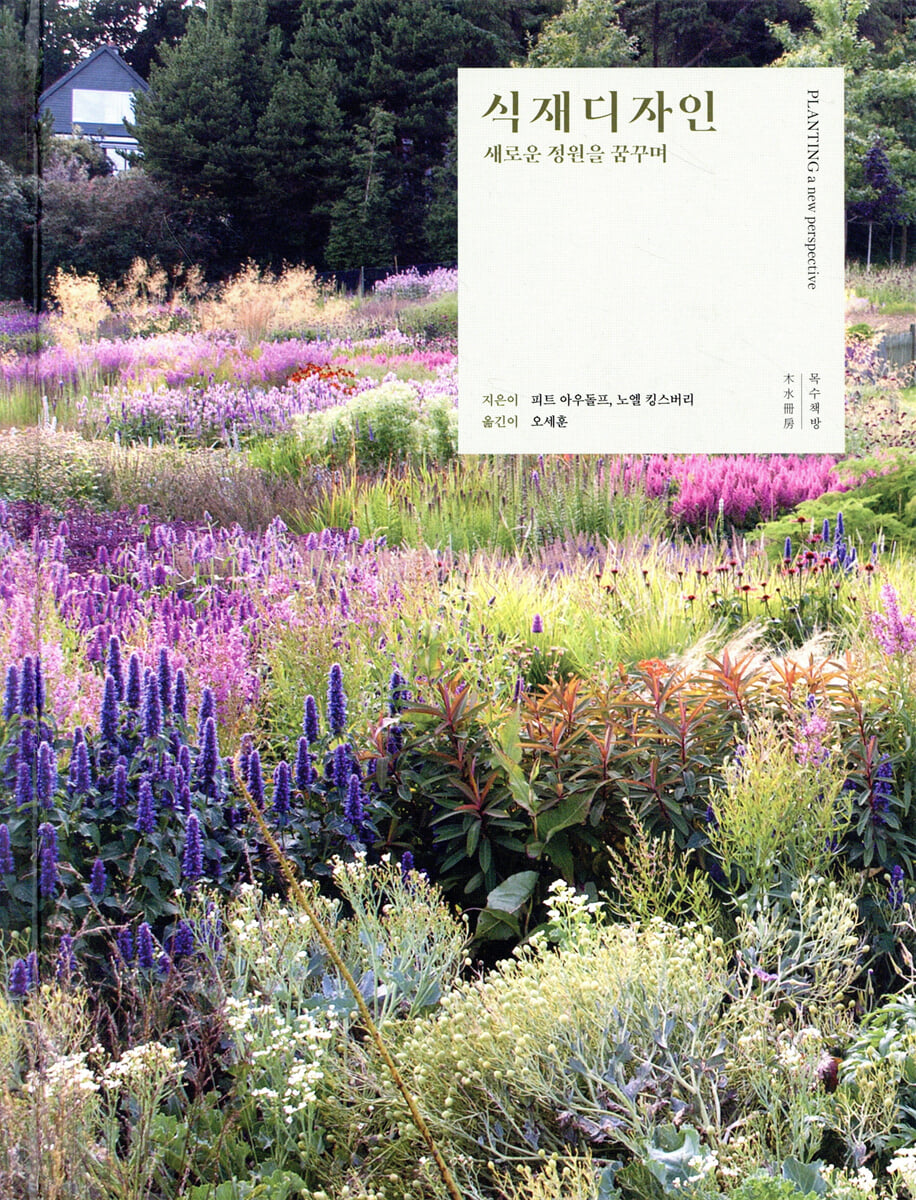
This book contains everything about naturalistic planting, which is attracting attention in the field of modern gardening and landscaping.
In particular, we will focus on the planting design methods of world-renowned garden designer Piet Oudolf, who has promoted the benefits and value of planting and creating gardens centered on perennials.
Co-author Noel Kingsbury clearly explains Oudolf's core design concepts, and the book is rich in drawings and photographs of Oudolf's work to date, providing great inspiration and assistance to those who wish to understand and practically apply 'natural materials.'
In particular, we will focus on the planting design methods of world-renowned garden designer Piet Oudolf, who has promoted the benefits and value of planting and creating gardens centered on perennials.
Co-author Noel Kingsbury clearly explains Oudolf's core design concepts, and the book is rich in drawings and photographs of Oudolf's work to date, providing great inspiration and assistance to those who wish to understand and practically apply 'natural materials.'
- You can preview some of the book's contents.
Preview
index
Translator's Note
Before reading the book
Preface - Food Design for the 21st Century
Chapter 1: The Big Picture of Food
Block or mixed?
Order and spontaneity
Context of food
Food and Sustainability
Chapter 2: Creating Plant Groups
natural environment
Creating a Plant Group in Garden History
wood
Planting hierarchy: focal plant, base plant, and scatter plant
Base material
Dispersed plants
Plant Layering: Reading Nature and Writing It into Design
Counting plants
Chapter 3: Combining Plants
Morphological composition of perennial plants
Creating a combination
Plants for all seasons
Good combination
Chapter 4: Long-term activity of plants
How many years do perennial plants live?
Lifespan and Survival Strategies
Indicators of long-term plant activity
Understanding Perennials
Chapter 5: Mixed Trends in Modern Food Design
Random planting
Sheffield School
Conclusion - New Foods
Before reading the book
Preface - Food Design for the 21st Century
Chapter 1: The Big Picture of Food
Block or mixed?
Order and spontaneity
Context of food
Food and Sustainability
Chapter 2: Creating Plant Groups
natural environment
Creating a Plant Group in Garden History
wood
Planting hierarchy: focal plant, base plant, and scatter plant
Base material
Dispersed plants
Plant Layering: Reading Nature and Writing It into Design
Counting plants
Chapter 3: Combining Plants
Morphological composition of perennial plants
Creating a combination
Plants for all seasons
Good combination
Chapter 4: Long-term activity of plants
How many years do perennial plants live?
Lifespan and Survival Strategies
Indicators of long-term plant activity
Understanding Perennials
Chapter 5: Mixed Trends in Modern Food Design
Random planting
Sheffield School
Conclusion - New Foods
Into the book
Planting long-lived perennials and trees together can certainly increase sustainability and enhance biodiversity.
This is the approach that Oudolf and I have always supported.
…creating a garden with a rich habitat allows you to enjoy the beauty of nature up close.
This not only provides food and habitat for wildlife, but also increases sustainability in terms of maintenance.
For the natural environment to be considered valuable to humans, it must first capture people's hearts.
Plants that focus on functionality will eventually disappear if they do not satisfy users, even if they meet technical criteria such as sustainability or biodiversity.
…the role of the gardener and designer is clear and more important than ever.
This means that you need to create food that is pleasing to the eye while also fulfilling a certain purpose.
As practitioners increasingly utilize plant combinations that contribute to the environment, it will become increasingly important to present them in a way that is both intentional and attractive.
Writing, thinking, and dreaming about gardens has been centered around the temperate climates of northwestern Europe.
This is thanks to the abundance of plants that bloom for a long time.
However, in harsh climates where this is not the case, the leaves, shape, and structural aspects of the plant are considered more important.
Color is a fundamental characteristic of flowers, and since flowers have a relatively short lifespan, it is correct to view structure as the essence of an ornamental plant, regardless of climate.
Plants live by deploying every strategy they can to survive in nature.
It is not only for the preservation of plant individuals, but more fundamentally, for the preservation of genes.
These survival strategies influence how plants grow in gardens and other designed landscapes.
To realize the long-term activity of plants and utilize it properly, we must clearly understand their survival strategies.
There are now a variety of approaches, some inspired by plant ecology or simply a desire to replicate the way plants grow in nature.
Although each approach has its differences, they are related in that they both seek to create perennial herbaceous hybrids that mix different plant species.
While in the past design focused on the precise placement and alignment of plants, today's techniques seek to capture the outward spontaneity of natural vegetation.
These techniques involve planting a mixture rather than transferring the drawings to the ground as is.
In other words, it is creating a single plant.
We are participating in the creation of an 'improved nature'.
This idea highlights the importance of visual beauty for users and the fact that artificial ecosystems can also greatly contribute to biodiversity.
There is no contradiction in combining native and exotic species to create planting designs that are valuable and practical for people and other users.
Oudolf's work not only satisfies our love of beauty and our sense of order, but also makes remarkable progress in achieving plantings that possess the high levels of diversity and openness to dynamic change necessary for biodiversity.
This is the approach that Oudolf and I have always supported.
…creating a garden with a rich habitat allows you to enjoy the beauty of nature up close.
This not only provides food and habitat for wildlife, but also increases sustainability in terms of maintenance.
For the natural environment to be considered valuable to humans, it must first capture people's hearts.
Plants that focus on functionality will eventually disappear if they do not satisfy users, even if they meet technical criteria such as sustainability or biodiversity.
…the role of the gardener and designer is clear and more important than ever.
This means that you need to create food that is pleasing to the eye while also fulfilling a certain purpose.
As practitioners increasingly utilize plant combinations that contribute to the environment, it will become increasingly important to present them in a way that is both intentional and attractive.
Writing, thinking, and dreaming about gardens has been centered around the temperate climates of northwestern Europe.
This is thanks to the abundance of plants that bloom for a long time.
However, in harsh climates where this is not the case, the leaves, shape, and structural aspects of the plant are considered more important.
Color is a fundamental characteristic of flowers, and since flowers have a relatively short lifespan, it is correct to view structure as the essence of an ornamental plant, regardless of climate.
Plants live by deploying every strategy they can to survive in nature.
It is not only for the preservation of plant individuals, but more fundamentally, for the preservation of genes.
These survival strategies influence how plants grow in gardens and other designed landscapes.
To realize the long-term activity of plants and utilize it properly, we must clearly understand their survival strategies.
There are now a variety of approaches, some inspired by plant ecology or simply a desire to replicate the way plants grow in nature.
Although each approach has its differences, they are related in that they both seek to create perennial herbaceous hybrids that mix different plant species.
While in the past design focused on the precise placement and alignment of plants, today's techniques seek to capture the outward spontaneity of natural vegetation.
These techniques involve planting a mixture rather than transferring the drawings to the ground as is.
In other words, it is creating a single plant.
We are participating in the creation of an 'improved nature'.
This idea highlights the importance of visual beauty for users and the fact that artificial ecosystems can also greatly contribute to biodiversity.
There is no contradiction in combining native and exotic species to create planting designs that are valuable and practical for people and other users.
Oudolf's work not only satisfies our love of beauty and our sense of order, but also makes remarkable progress in achieving plantings that possess the high levels of diversity and openness to dynamic change necessary for biodiversity.
--- From the text
Publisher's Review
These days, the appearance of large and small flower beds in the city center and gardens that are praised as 'beautiful' has changed a lot from the past.
The practice of covering a large area with a single species or planting them in rows in sections with matching flower colors and then destroying them when the flowers wither has also largely disappeared.
Now people say that the appearance of dried plants in autumn, the sight of various kinds of flowers swaying in the wind, even though they are not large or showy, and the leaves and branches of plants without flowers themselves are all 'beautiful'.
The beauty of the garden, which evokes the ever-changing wild nature of various plant species in harmony, is attracting attention.
This book focuses on the 'naturalistic planting' method of Piet Oudolf, a pioneer who fundamentally changed the way we view gardens and plants by starting the 'New Perennial Movement' and is considered one of the most innovative garden designers today.
Piet Oudolf noticed the beauty and value of perennials that no one had noticed before, and actively utilized them in his planting designs. He selected perennials that allowed people to feel the atmosphere of wild nature while remaining beautiful and strong in the garden for many years, and called them “dream plants.”
If 『Dream Plants for Natural Gardens』 was a book that introduced various 'dream plants' that can be planted in the garden, this book provides detailed information on 'how to plant' those dream plants.
Co-author Noel Kingsbury explains Oudolf's perennial plantings and core design concepts in a simple and concise manner, and the book is also filled with drawings and photographs that allow a quick look at Oudolf's work, providing great inspiration and help to anyone who wants to understand 'natural plantings' and apply them to their gardens.
This book provides clues to many questions encountered in the process of planting design, such as which perennials to use, how to plant them, how to combine them in detail, and what to consider to create a beautiful garden in all four seasons.
Food design is a field that combines technical knowledge and the artist's imagination.
So this book introduces a variety of practical ways to increase sustainability and biodiversity in gardens, a method the two authors have consistently advocated, as well as ways to make them more attractive to the human eye.
Chapter 1, “The Big Picture of Planting,” examines the major shifts in planting design from “order to spontaneity.”
Chapter 2, "Creating Plant Groups," covers several ways to "plant together," which can be considered an intermediate step in this transformation.
In particular, you can examine Oudolf's planting drawings in detail.
Chapter 3, "Combining Plants," covers combining plants and arranging them side by side in more detail.
You'll find answers to questions like why one plant looks beautiful next to another, how to combine plants to create a look that's beautiful at certain times of the year, and why some groups of plants change faster than others.
Chapter 4, which deals with the long-term activity of plants, examines the issues that determine the survival and reproduction, as well as the death and extinction, of perennials over time.
These issues are not only essential to understand for the ongoing maintenance of plantings, but are also essential for gardeners to be aware of from the initial planning stages.
Chapter 5 introduces the work of other garden designers who showcase cutting-edge natural materials techniques.
Finally, a plant list is included, clearly outlining the characteristics of the various perennials that Piet Oudolf likes to use in his gardens.
The practice of covering a large area with a single species or planting them in rows in sections with matching flower colors and then destroying them when the flowers wither has also largely disappeared.
Now people say that the appearance of dried plants in autumn, the sight of various kinds of flowers swaying in the wind, even though they are not large or showy, and the leaves and branches of plants without flowers themselves are all 'beautiful'.
The beauty of the garden, which evokes the ever-changing wild nature of various plant species in harmony, is attracting attention.
This book focuses on the 'naturalistic planting' method of Piet Oudolf, a pioneer who fundamentally changed the way we view gardens and plants by starting the 'New Perennial Movement' and is considered one of the most innovative garden designers today.
Piet Oudolf noticed the beauty and value of perennials that no one had noticed before, and actively utilized them in his planting designs. He selected perennials that allowed people to feel the atmosphere of wild nature while remaining beautiful and strong in the garden for many years, and called them “dream plants.”
If 『Dream Plants for Natural Gardens』 was a book that introduced various 'dream plants' that can be planted in the garden, this book provides detailed information on 'how to plant' those dream plants.
Co-author Noel Kingsbury explains Oudolf's perennial plantings and core design concepts in a simple and concise manner, and the book is also filled with drawings and photographs that allow a quick look at Oudolf's work, providing great inspiration and help to anyone who wants to understand 'natural plantings' and apply them to their gardens.
This book provides clues to many questions encountered in the process of planting design, such as which perennials to use, how to plant them, how to combine them in detail, and what to consider to create a beautiful garden in all four seasons.
Food design is a field that combines technical knowledge and the artist's imagination.
So this book introduces a variety of practical ways to increase sustainability and biodiversity in gardens, a method the two authors have consistently advocated, as well as ways to make them more attractive to the human eye.
Chapter 1, “The Big Picture of Planting,” examines the major shifts in planting design from “order to spontaneity.”
Chapter 2, "Creating Plant Groups," covers several ways to "plant together," which can be considered an intermediate step in this transformation.
In particular, you can examine Oudolf's planting drawings in detail.
Chapter 3, "Combining Plants," covers combining plants and arranging them side by side in more detail.
You'll find answers to questions like why one plant looks beautiful next to another, how to combine plants to create a look that's beautiful at certain times of the year, and why some groups of plants change faster than others.
Chapter 4, which deals with the long-term activity of plants, examines the issues that determine the survival and reproduction, as well as the death and extinction, of perennials over time.
These issues are not only essential to understand for the ongoing maintenance of plantings, but are also essential for gardeners to be aware of from the initial planning stages.
Chapter 5 introduces the work of other garden designers who showcase cutting-edge natural materials techniques.
Finally, a plant list is included, clearly outlining the characteristics of the various perennials that Piet Oudolf likes to use in his gardens.
GOODS SPECIFICS
- Publication date: September 10, 2021
- Format: Hardcover book binding method guide
- Page count, weight, size: 300 pages | 190*250*20mm
- ISBN13: 9791188806232
- ISBN10: 1188806238
You may also like
카테고리
korean


korean

![GQ KOREA Mark (Monthly): December [2025]](http://librairie.coreenne.fr/cdn/shop/files/8ef265dbbfbf186523ed75ba7319009d.jpg?v=1765340328&width=3840)


