

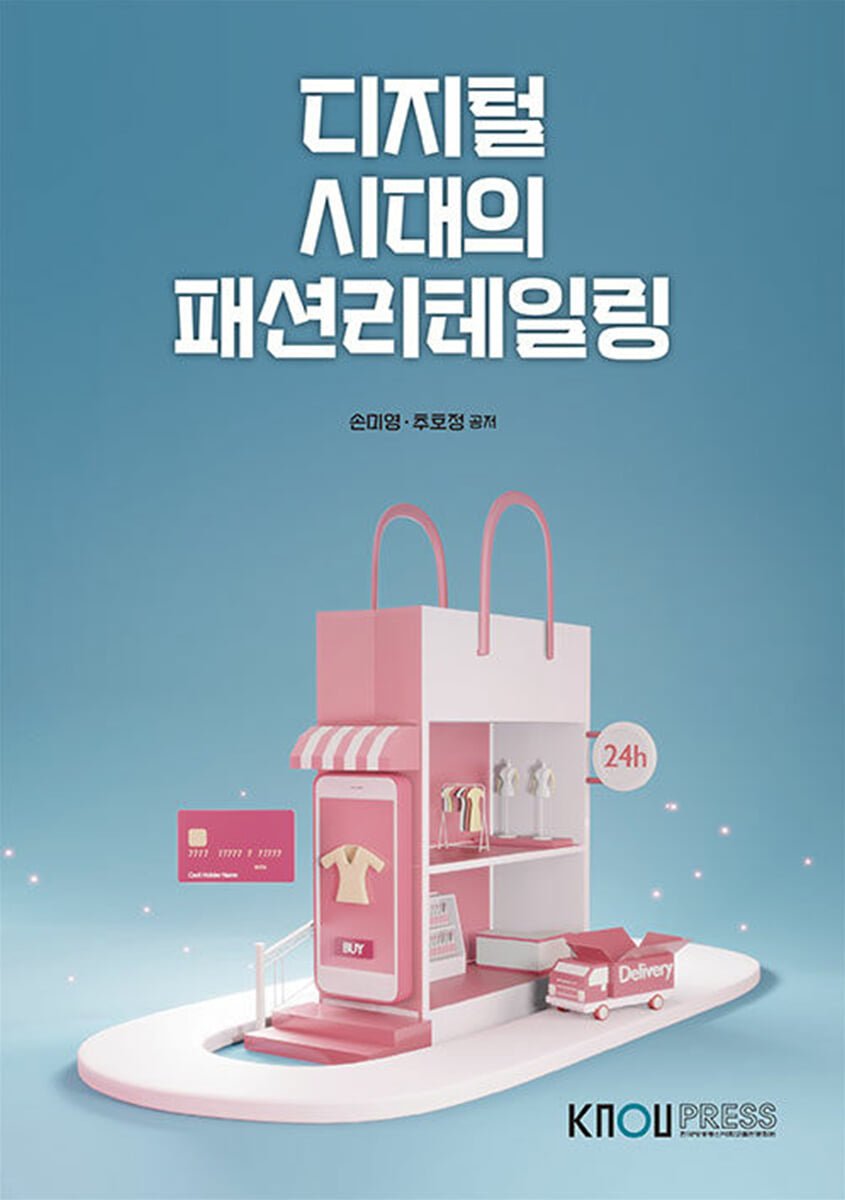
Fashion Retailing in the Digital Age
 |
Description
Book Introduction
The rapid development of digital technology has transformed all aspects of our society.
Beyond the use of the Internet and mobile devices, the utilization of digital technologies such as artificial intelligence, virtual and augmented reality, the cloud, data analysis, and the Internet of Things has transformed the fashion industry ecosystem, the fashion market, fashion consumer consumption patterns, and business models from traditional methods to innovative new ones, and has also transformed the paradigm of the fashion industry and consumption.
Digital technology, in particular, has significantly transformed the fashion retail environment, transforming not only distribution channels but also customer communication channels and processes, retail business processes, demand analysis and forecasting, inventory and product assortment management, and customer experience, all of which have become innovative and efficient.
This textbook is structured as follows to provide educational content related to fashion retailing optimized for the digital age.
It consists of 15 chapters in 3 parts, and is broadly divided into fashion retail distribution, fashion retail distribution management in the digital age, and fashion retail distribution strategy in the digital age.
While the fashion market remains highly competitive, the integration of digital transformation technologies has made essential tasks and processes in fashion retail more efficient.
Therefore, if fashion retail decision-makers and practitioners are prepared to understand and utilize the digital age and technology, they will be better able to predict and respond to the rapidly changing digital industry environment. In particular, they will be able to effectively respond not only to existing global fashion companies but also to the constantly emerging fashion retail platforms.
I hope this will serve as an opportunity for the further development of Korean fashion companies and industries.
Beyond the use of the Internet and mobile devices, the utilization of digital technologies such as artificial intelligence, virtual and augmented reality, the cloud, data analysis, and the Internet of Things has transformed the fashion industry ecosystem, the fashion market, fashion consumer consumption patterns, and business models from traditional methods to innovative new ones, and has also transformed the paradigm of the fashion industry and consumption.
Digital technology, in particular, has significantly transformed the fashion retail environment, transforming not only distribution channels but also customer communication channels and processes, retail business processes, demand analysis and forecasting, inventory and product assortment management, and customer experience, all of which have become innovative and efficient.
This textbook is structured as follows to provide educational content related to fashion retailing optimized for the digital age.
It consists of 15 chapters in 3 parts, and is broadly divided into fashion retail distribution, fashion retail distribution management in the digital age, and fashion retail distribution strategy in the digital age.
While the fashion market remains highly competitive, the integration of digital transformation technologies has made essential tasks and processes in fashion retail more efficient.
Therefore, if fashion retail decision-makers and practitioners are prepared to understand and utilize the digital age and technology, they will be better able to predict and respond to the rapidly changing digital industry environment. In particular, they will be able to effectively respond not only to existing global fashion companies but also to the constantly emerging fashion retail platforms.
I hope this will serve as an opportunity for the further development of Korean fashion companies and industries.
index
Part 1 Fashion Retail Distribution
Chapter 1: Understanding Fashion Distribution
1.1 Fashion distribution channels
1.2 Classification and size of the fashion distribution industry
1.3 Fashion Retail Workers
Chapter 2: The Fashion Retail Distribution Environment
2.1 Internal environment of fashion retail companies
2.2 The task environment of fashion retail companies
2.3 Macroeconomic environment of fashion retail companies
Chapter 3 Fashion Consumer Behavior
3.1 Korea's Fashion Consumer Market
3.2 Fashion Consumers' Lifestyles and Consumption Values
3.3 Major Fashion Consumer Groups
Chapter 4 Store-Based Fashion Retail Distribution
4.1 Development of Fashion Retail Distribution
4.2 Store-type fashion retail distribution business type
Chapter 5 Non-Store Fashion Retail Distribution Channels
5.1 Development of Non-Store Retailing
5.2 Non-store fashion retail distribution business type
Part 2: Fashion Retail Distribution Management in the Digital Age
Chapter 6: Fashion Data Analysis and Utilization
6.1 Research and Analysis of the Fashion Market
6.2 Big Data and Fashion Data Analysis
6.3 Fashion Big Data Analytics
6.4 Fashion Consumer Data-Based Strategy
Chapter 7 Fashion Retail Merchandising Planning
7.1 What is Fashion Retail Merchandising?
7.2 Fashion Retail Product Planning
Chapter 8: Fashion Retail Buying and Private Brand Product Development
8.1 Fashion Retail Buying
8.2 Fashion Retail PB Product Development
Chapter 9: Fashion Retail Financial Management, Price Management, and Inventory Management
9.1 Fashion Retail Financial Management
9.2 Fashion Retail Price Management
9.3 Fashion Retail Inventory Management
Chapter 10: Fashion Retail Sales Management, Logistics and Delivery Management, and Customer Management
10.1 Fashion Retail Sales Management
10.2 Fashion Retail Logistics and Delivery Management
10.3 Fashion Retail Customer Management
Part 3: Fashion Retail Distribution Strategies in the Digital Age
Chapter 11: Offline Fashion Retail Strategies: Commercial Areas and Locations, Virtual Marketing (VMD), and Personal Sales
11.1 Commercial area and location of fashion stores
11.2 VMD Strategy for Fashion Stores
11.3 Personal Sales
Chapter 12: Fashion Retail Communication
12.1 Marketing Communications in the AI and Digital Age
12.2 Overview of Digital Advertising
12.3 Digital Advertising Strategy
Chapter 13: Building Digital Traffic in Fashion Retail
13.1 Word-of-Mouth & Social Media Marketing
13.2 Content Marketing & Native Advertising
13.3 Mobile Advertising
13.4 Influencers and YouTubers
13.5 Live Commerce
Chapter 14: VR, AR, and XR Technologies and Fashion Retail Distribution
14.1 Fashion Industry and Digital Transformation
14.2 Application of VR, AR, and XR in Fashion Retail
14.3 VR, AR, and XR Strategies in Fashion Retail
Chapter 15: AI and Fashion Retail
15.1 What is artificial intelligence?
15.2 Using AI in the Fashion Industry
15.3 AI Utilization Strategies in Fashion Retail Distribution
References
Chapter 1: Understanding Fashion Distribution
1.1 Fashion distribution channels
1.2 Classification and size of the fashion distribution industry
1.3 Fashion Retail Workers
Chapter 2: The Fashion Retail Distribution Environment
2.1 Internal environment of fashion retail companies
2.2 The task environment of fashion retail companies
2.3 Macroeconomic environment of fashion retail companies
Chapter 3 Fashion Consumer Behavior
3.1 Korea's Fashion Consumer Market
3.2 Fashion Consumers' Lifestyles and Consumption Values
3.3 Major Fashion Consumer Groups
Chapter 4 Store-Based Fashion Retail Distribution
4.1 Development of Fashion Retail Distribution
4.2 Store-type fashion retail distribution business type
Chapter 5 Non-Store Fashion Retail Distribution Channels
5.1 Development of Non-Store Retailing
5.2 Non-store fashion retail distribution business type
Part 2: Fashion Retail Distribution Management in the Digital Age
Chapter 6: Fashion Data Analysis and Utilization
6.1 Research and Analysis of the Fashion Market
6.2 Big Data and Fashion Data Analysis
6.3 Fashion Big Data Analytics
6.4 Fashion Consumer Data-Based Strategy
Chapter 7 Fashion Retail Merchandising Planning
7.1 What is Fashion Retail Merchandising?
7.2 Fashion Retail Product Planning
Chapter 8: Fashion Retail Buying and Private Brand Product Development
8.1 Fashion Retail Buying
8.2 Fashion Retail PB Product Development
Chapter 9: Fashion Retail Financial Management, Price Management, and Inventory Management
9.1 Fashion Retail Financial Management
9.2 Fashion Retail Price Management
9.3 Fashion Retail Inventory Management
Chapter 10: Fashion Retail Sales Management, Logistics and Delivery Management, and Customer Management
10.1 Fashion Retail Sales Management
10.2 Fashion Retail Logistics and Delivery Management
10.3 Fashion Retail Customer Management
Part 3: Fashion Retail Distribution Strategies in the Digital Age
Chapter 11: Offline Fashion Retail Strategies: Commercial Areas and Locations, Virtual Marketing (VMD), and Personal Sales
11.1 Commercial area and location of fashion stores
11.2 VMD Strategy for Fashion Stores
11.3 Personal Sales
Chapter 12: Fashion Retail Communication
12.1 Marketing Communications in the AI and Digital Age
12.2 Overview of Digital Advertising
12.3 Digital Advertising Strategy
Chapter 13: Building Digital Traffic in Fashion Retail
13.1 Word-of-Mouth & Social Media Marketing
13.2 Content Marketing & Native Advertising
13.3 Mobile Advertising
13.4 Influencers and YouTubers
13.5 Live Commerce
Chapter 14: VR, AR, and XR Technologies and Fashion Retail Distribution
14.1 Fashion Industry and Digital Transformation
14.2 Application of VR, AR, and XR in Fashion Retail
14.3 VR, AR, and XR Strategies in Fashion Retail
Chapter 15: AI and Fashion Retail
15.1 What is artificial intelligence?
15.2 Using AI in the Fashion Industry
15.3 AI Utilization Strategies in Fashion Retail Distribution
References
GOODS SPECIFICS
- Date of issue: July 25, 2025
- Page count, weight, size: 420 pages | 176*248*30mm
- ISBN13: 9788920052934
- ISBN10: 892005293X
You may also like
카테고리
korean


korean

![GQ KOREA Mark (Monthly): December [2025]](http://librairie.coreenne.fr/cdn/shop/files/8ef265dbbfbf186523ed75ba7319009d.jpg?v=1765340328&width=3840)


